This Reading Room is a collaboration between MedPage Today® and:
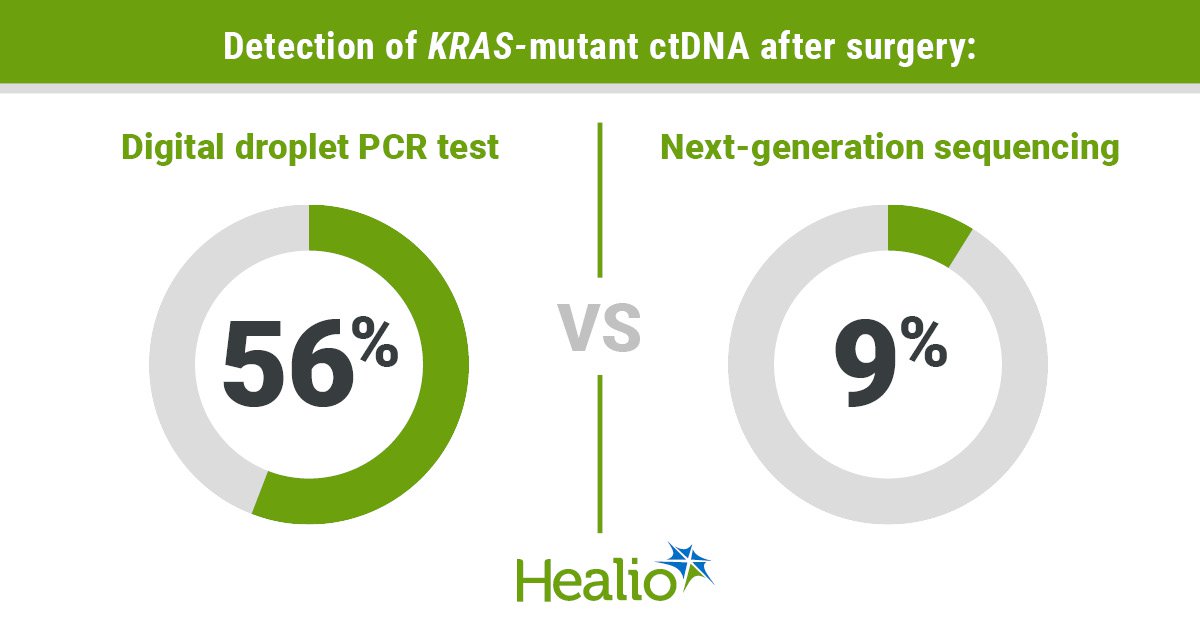
Circulating tumor DNA (ctDNA) has emerged as a robust biomarker for minimal residual disease (MRD) in urothelial cancer as well as several solid organ malignancies, including breast, colon, and pancreatic cancers.
Now, with next-generation sequencing to identify and track patient-specific mutations, the specificity and sensitivity of tumor-informed ctDNA assays has improved compared with "tumor agnostic" testing. This has paved the way for broader clinical applications, noted the authors of a review in JCO Oncology Practice.
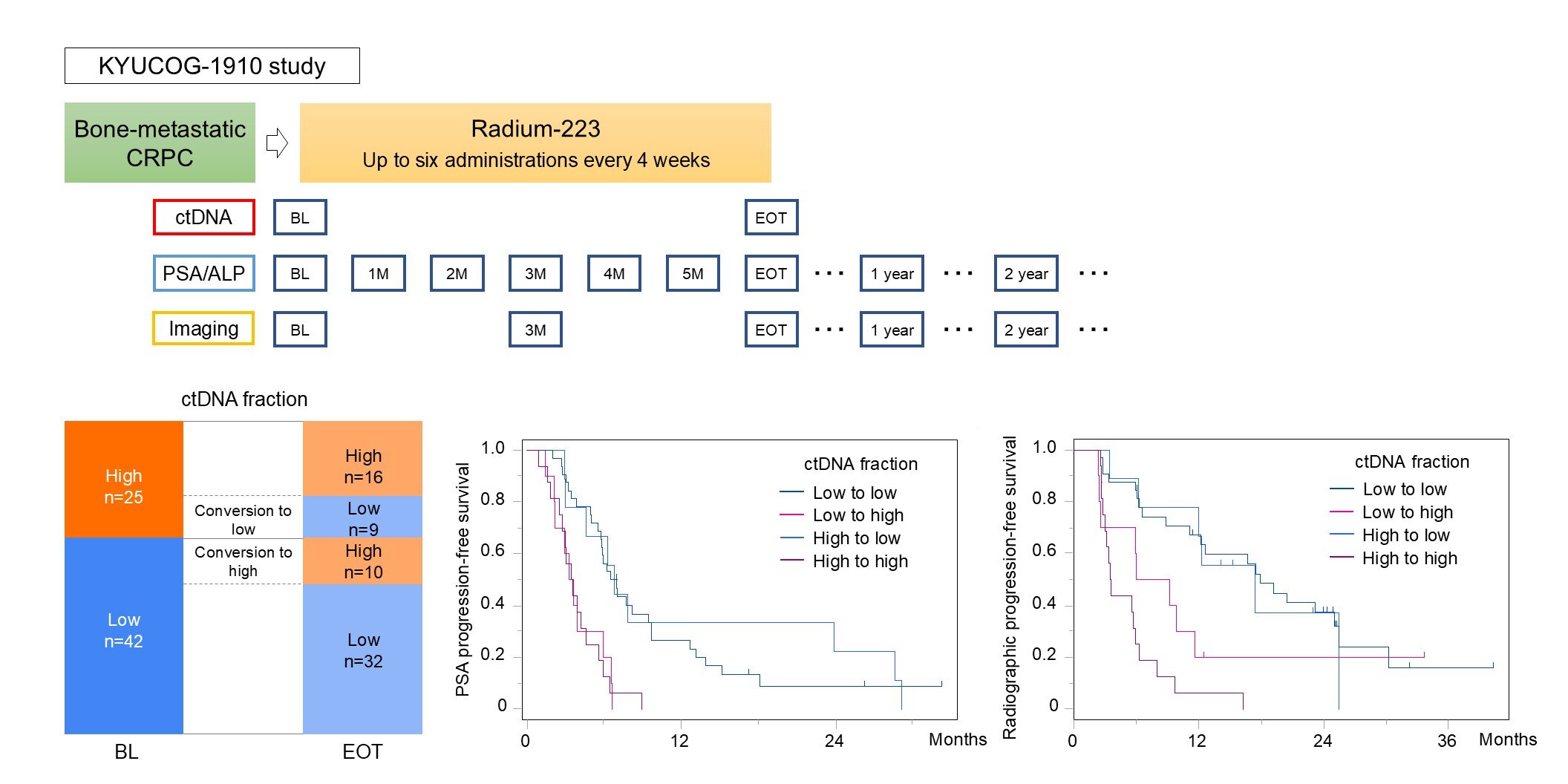
Monitoring of ctDNA can be a critical adjunct to imaging, supporting tailored treatment strategies even in patients initially presenting with advanced disease, said Parminder Singh, MD, of the Mayo Clinic Alix School of Medicine in Phoenix, and colleagues.
"In our clinical practice, there are two key settings where ctDNA is heavily used: after definitive therapy to risk stratify patients and discuss adjuvant strategies and in patients with advanced disease on systemic therapy," the authors explained.