Dec. 2 (UPI) -- As a new blood tests capable of detecting dozens of cancers in their early stages are hitting the market, disease prevention advocates say political and economic momentum is building for what they call a game-changing breakthrough in diagnostics.
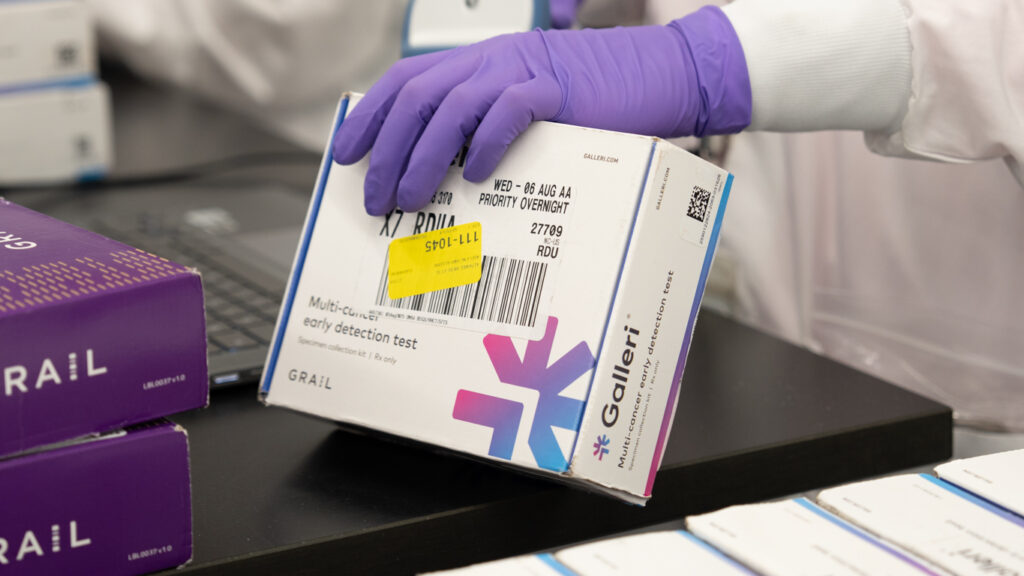
Excitement over the potential of multi-cancer early detection tests, or MCEDs, has been growing since 2021, when GRAIL, a California-based medical technology start-up, first introduced Galleri, which it says can detect more than 50 types of cancer before symptoms appear -- when they can be easier to treat and are potentially curable.
Another MCED product, this one developed by Exact Sciences of Madison, Wis., and called Cancerguard, was launched in September and is now conducting a national marketing campaign.
It's also touted as capable of detecting 50 cancer types and subtypes in a single blood draw, including the ones considered most deadly such as pancreatic, ovarian, liver, esophageal, lung and stomach cancers.
While these tools have not yet been approved by the Food and Drug Administration, they are commercially available as "laboratory-developed tests," a designation under which tests that provide accurate diagnoses on conditions for which no other options are available can be introduced into the market.