Insert Molding Design: How to Place Metal Inserts Without Disaster — 8 Years of Structure Design Notes
Every structure designer has been burned by inserts at some point — a nut seated crooked, an insert causing sink marks or cracks, pull-out force too low, an insert washed away by melt during injection. I've tripped on all of these myself. Insert molding sounds simple: drop a metal part into the mold and inject plastic around it. But metal and plastic have thermal expansion coefficients an order of magnitude apart, and every detail — shrinkage, grip force, locating method — can turn into a disaster. This article walks through the key design principles of insert molding, from insert types and locating structures to wall thickness and defect prevention. All of it is experience paid for with real money on real projects.
Three Common Types of Inserts
Insert molding falls into three categories by purpose, each with completely different design priorities.
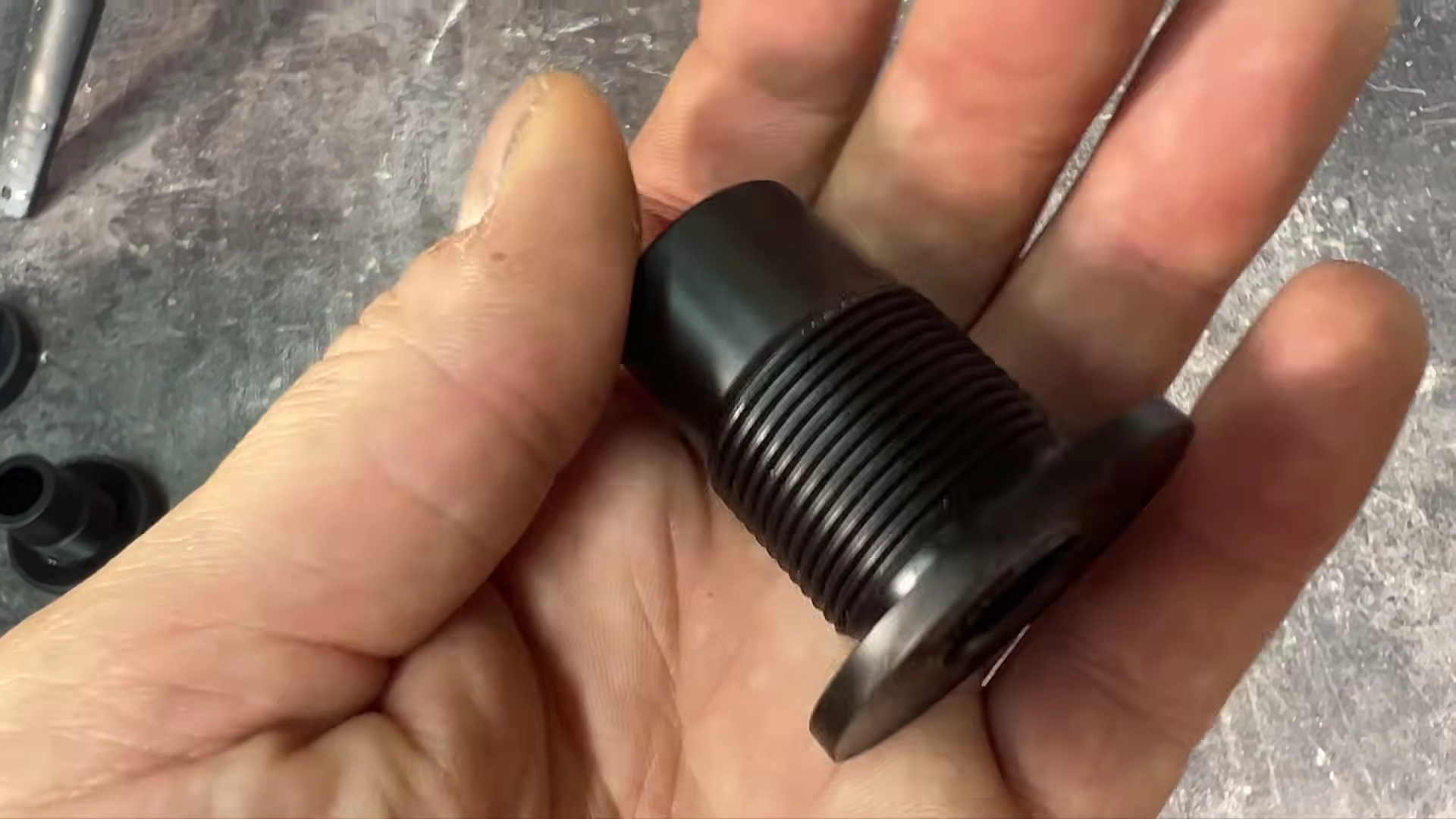
1. Thread Inserts (Nut Inserts)