Skip to content
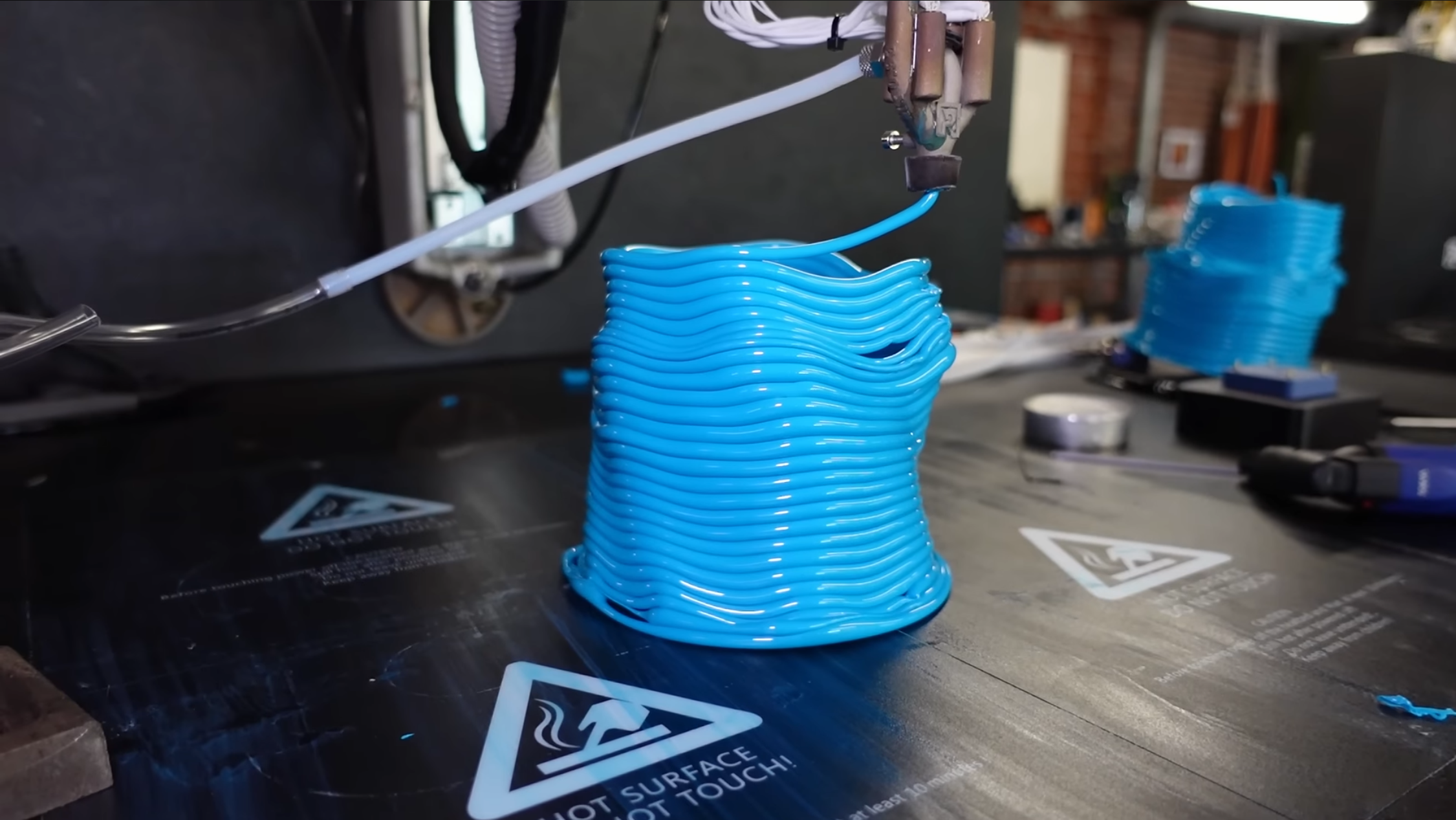
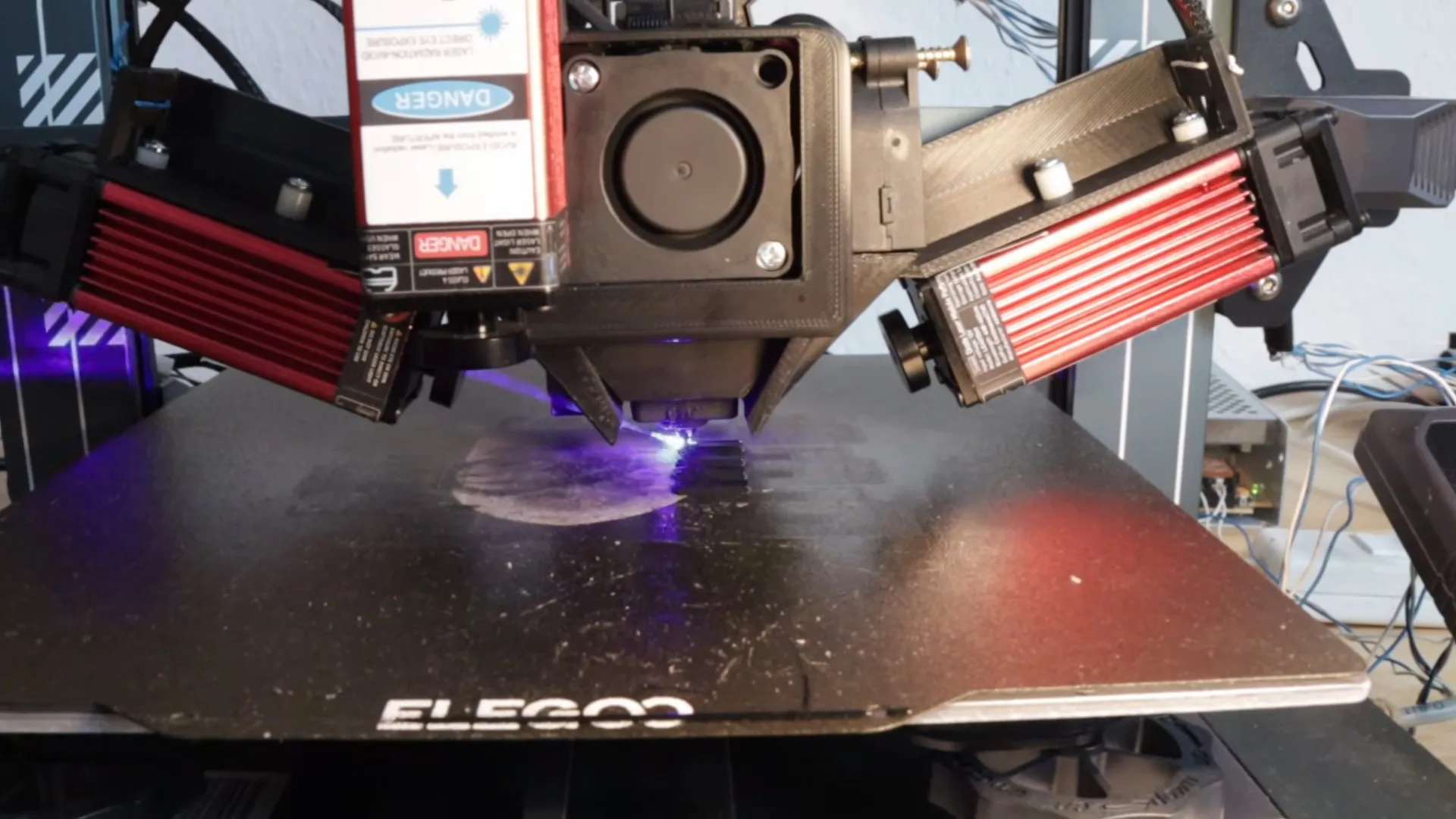
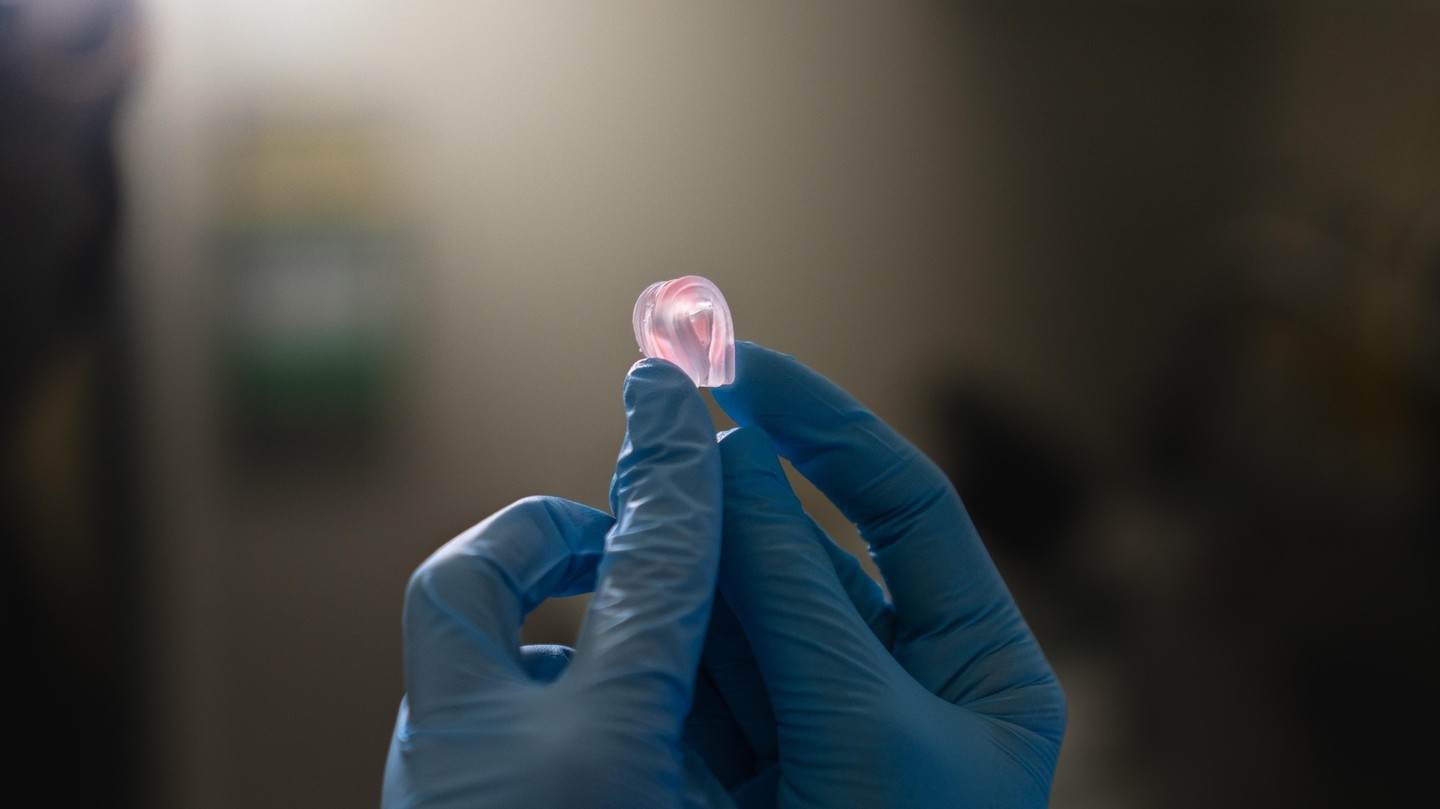
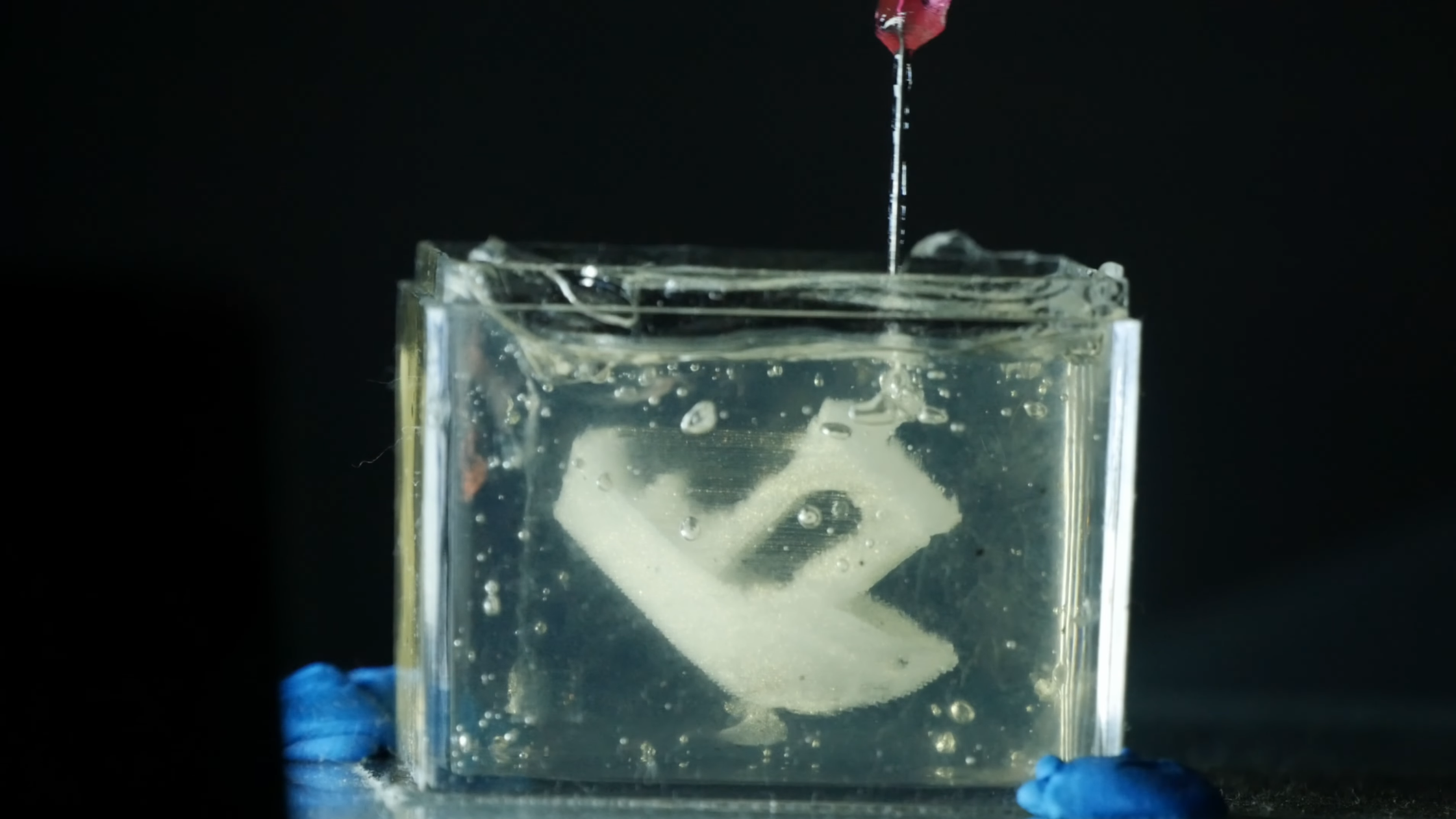
There’s plenty of substances that can theoretically be extruded from a nozzle, but only a regrettably small subset of them can actually be used for 3D printing. One limiting factor is the liquid range: too high a melting point and it’s hard to reliably extrude, too low and it tends to ooze and flow once extruded. Embedded 3D printing offers a way around this: it submerges the entire print in a shear-thinning support gel which keeps liquids in place until they solidify. [Riley] of Riley’s Lab recently built such a 3D printer and used it to print in silicone and epoxy.
In place of the extruder, [Riley] mounted a mostly 3D printed syringe pump, which allowed him to squirt out almost any liquid. For a test, he printed a tardigrade model out of cream cheese. This was a good test material for several reasons: it’s cheap, easy to extrude, and holds it shape well after extrusion. Silicone and epoxy, however, won’t hold their shape, which is where the support bath comes it. This was a mixture of mineral and vegetable oil, with some fumed silica added to make it thick yet shear-thinning. This lets it contain the extruded liquid, yet flow as the extrusion needle slices through it.