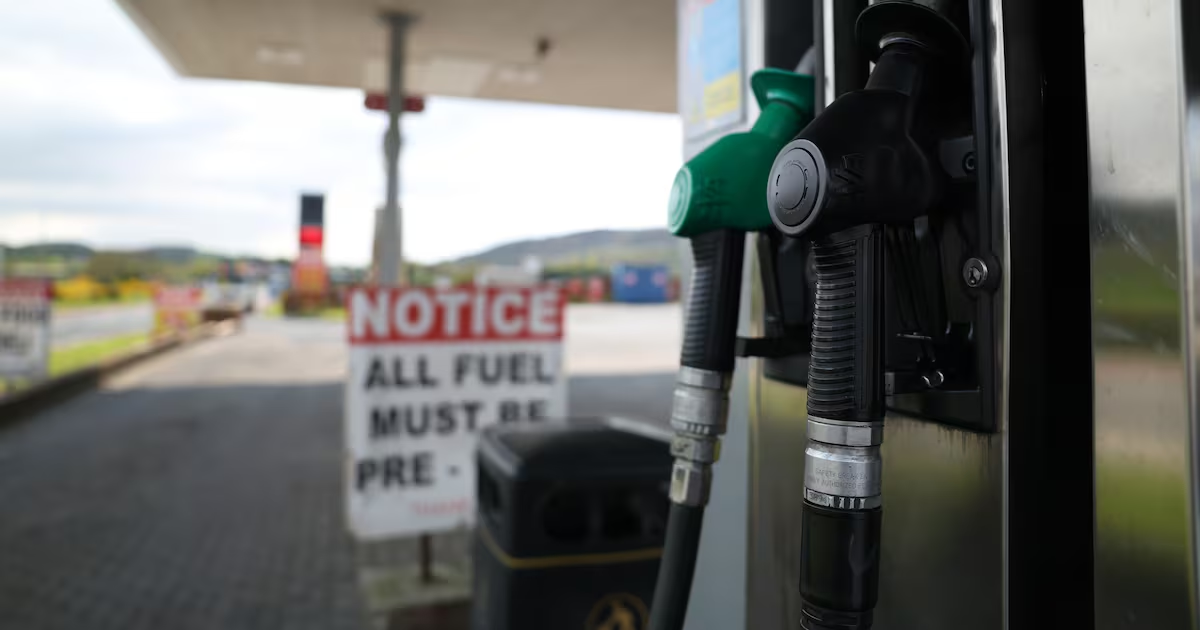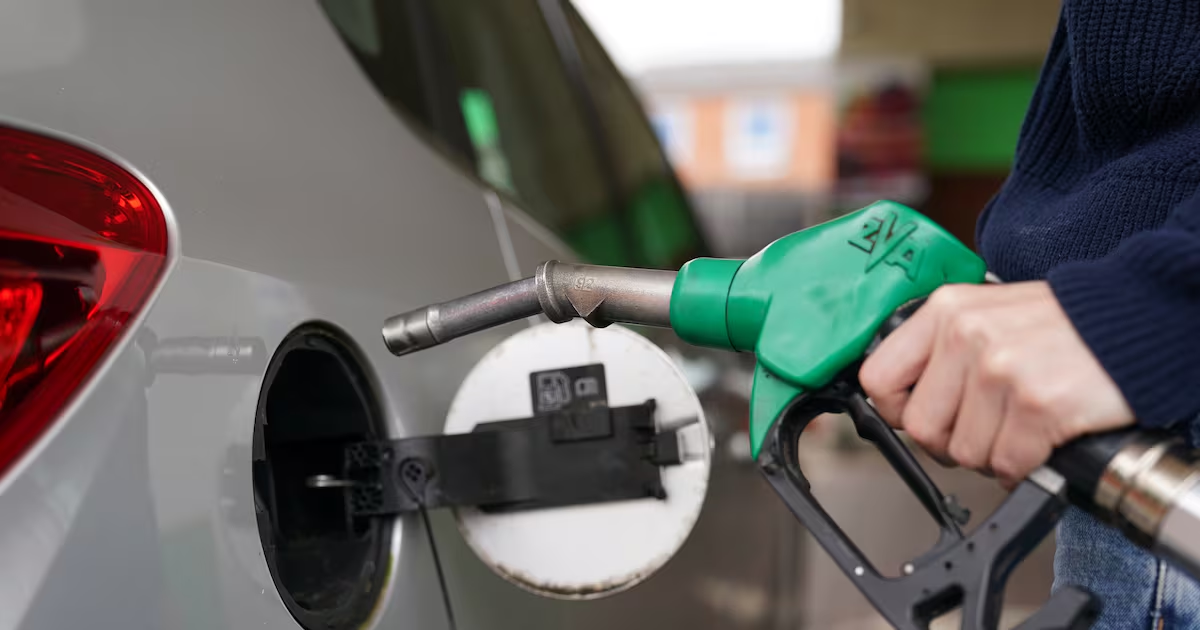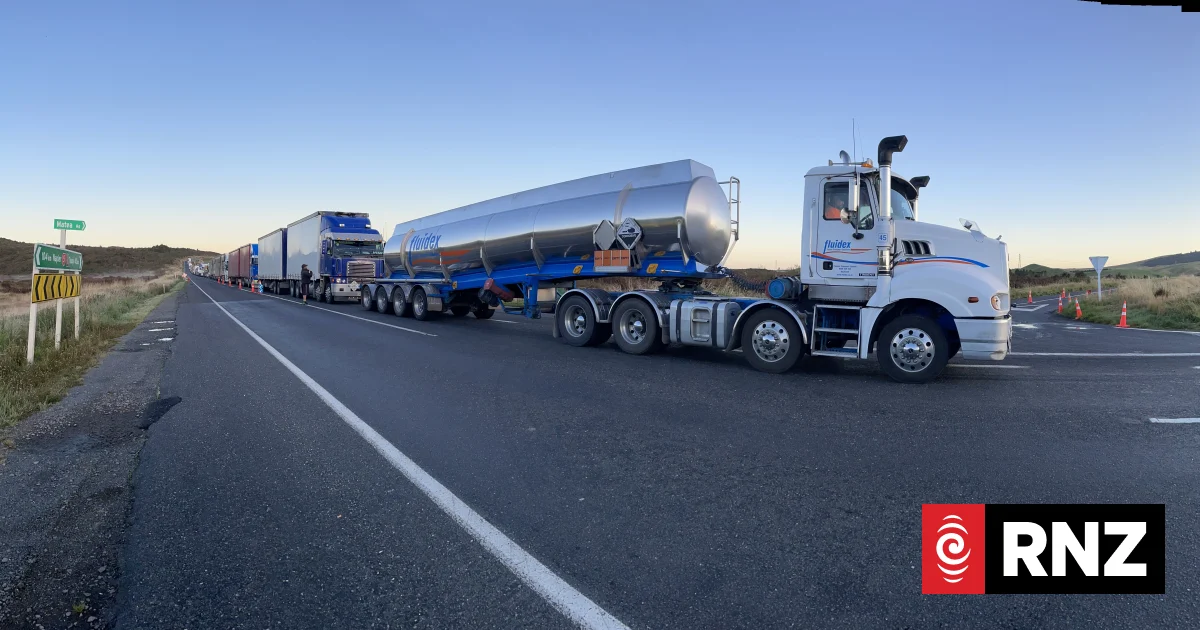
Budget 2027, to be presented on October 6th, is starting to look decidedly messy. There are a number of potential landmines which could blow a hole in the sums. Chief among these is the excise duty cuts, set to be extended on Friday by the Dáil. These are now due to be phased out by the end of February, but what happens if fuel prices remain high? While the Tánaiste and Minister for Finance, Simon Harris, said he wants to give the public “certainty” by setting out the new plan, the reality is that the Coalition has got itself into a position which leaves it entirely reliant on events outside its control – notably the flow of tankers through the Strait of Hormuz. The Coalition may get lucky if oil prices start to ease back, allowing it to phase out the excise cuts and still keep the cost of a litre of petrol or diesel under €2 a litre. But if diesel and oil prices remain high, then what will the Coalition do? Petrol and diesel prices here are not out of line with European averages – which was around €1.94 a litre this week for unleaded petrol and just over €2 for diesel. In the richer 20 country euro zone the petrol average is also just over €2 a litre. If the excise cuts continue well into next year, then the budget figures would be affected, potentially seriously. The question is whether black gold will lead to a black hole in the 2027 budget. The cost of extending the excise cuts as far as the end of the year – rather than phasing them out as planned – can be met out of the 2026 budget. In other words the surplus of revenue over spending for this year, expected by Government to be over €9 billion, will be lower than it otherwise would have been.[ Diesel and petrol prices surge in August with further rises expected in coming monthsOpens in new window ]The extension of some cuts to February will have some impact on the 2027 figures and will presumably be included in the budget sums. But further extensions would come at a rising cost.Come budget day, Simon Harris, will plough ahead with his planned income tax cuts out of a €1.5 billion tax package. The Cabinet will keep its collective fingers crossed that the phasing out of excise cuts can go ahead as planned. If not, the budget figures for 2027 will be thrown off course and Ireland will again rely on overperforming corporate taxes to pay the bills. And to complicate matters further, if the planned budget day increases in carbon tax do not go ahead, this will require higher Government spending, as these revenues are directed towards specific areas such as welfare, energy upgrades in homes and communities and some agricultural supports. If they do, there will be further – small – rises in petrol and diesel costs and the cost of other fuels. Will the upcoming budget drive inflation and increase costs for Irish households? Listen | 29:13Excise issues- the detailsThe Government had planned to reverse the excise cuts on fuel introduced in two phases earlier this year – the second after the fuel protests – over the rest of this year. They had been due to be reimposed in four steps at the start of September, October, November and December. The first two reinstatements will now be deferred and the Government plans to phase out the cuts in four steps from November to February. By the end of February the tax would be returned to normal levels.The total excise cuts are worth 32 cent in the cost of a litre of diesel and 27 cent on a litre of petrol. Government ministers have said that the cost of maintaining excise duties at a lower rate comes to around €100 million per month. Keeping excises at the current rate for all of 2027 would thus cost some €1.2 billion and while this is not the Government’s intention, recent experience has shown how hard it is to take away tax or spending measures once they are introduced. The first key decision point will be reached at the end of October to see if the first step in the planned phase out of the cuts will go ahead. This is due to increase each year up to 2030, helping to raise revenue for spending programmes. Photograph: Bryan O'Brien/The Irish Times
Fuel excise cuts have been given a reprieve – but what happens if oil prices stay high?
Squaring that particular cost-of-living circle could blow a hole in the budgetary arithmetic
1,264 words~6 min read