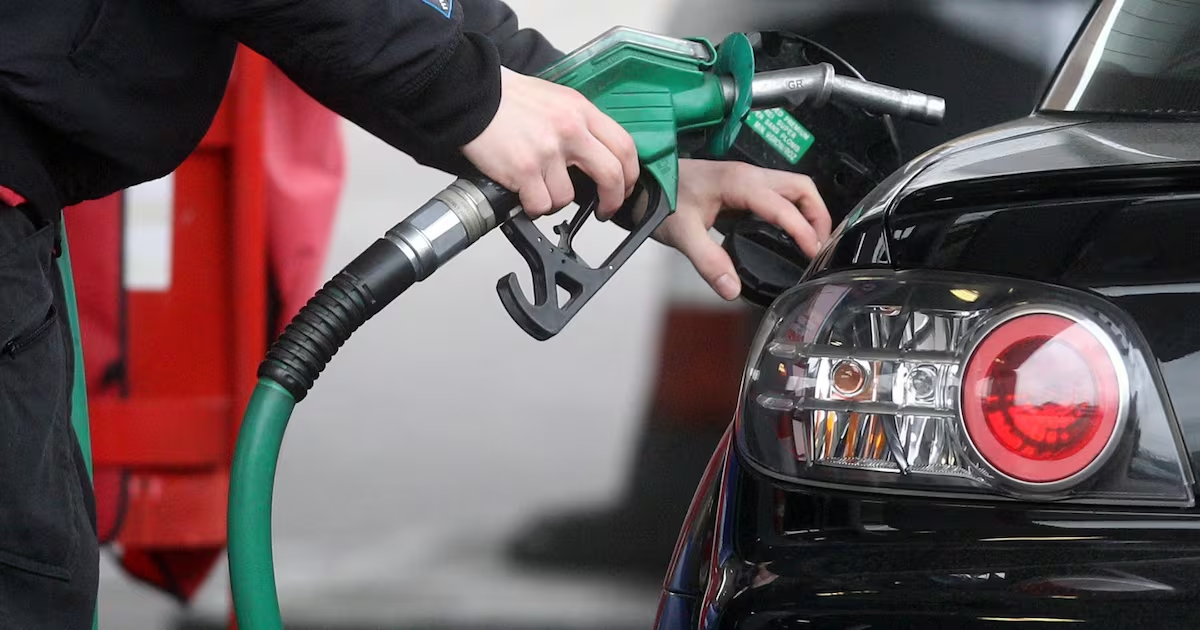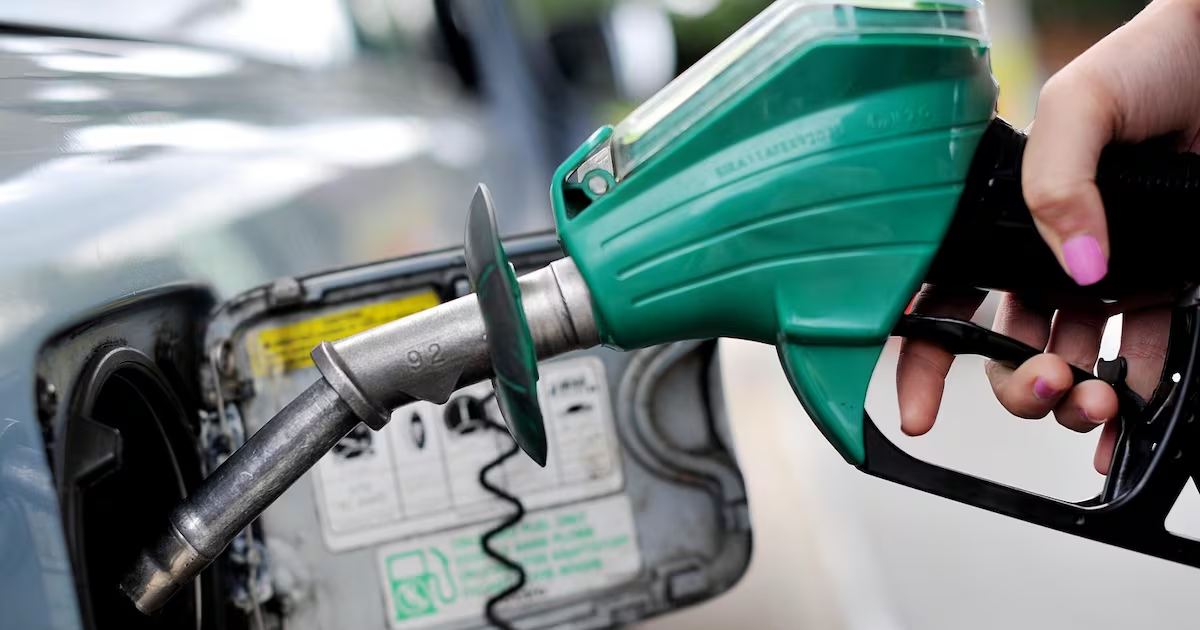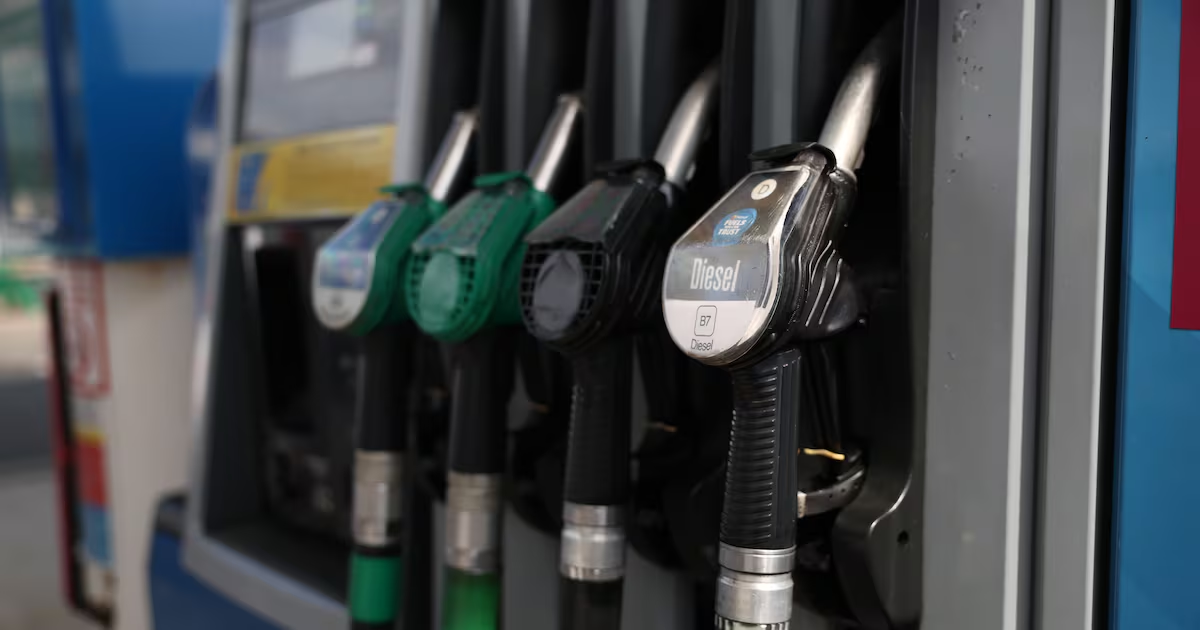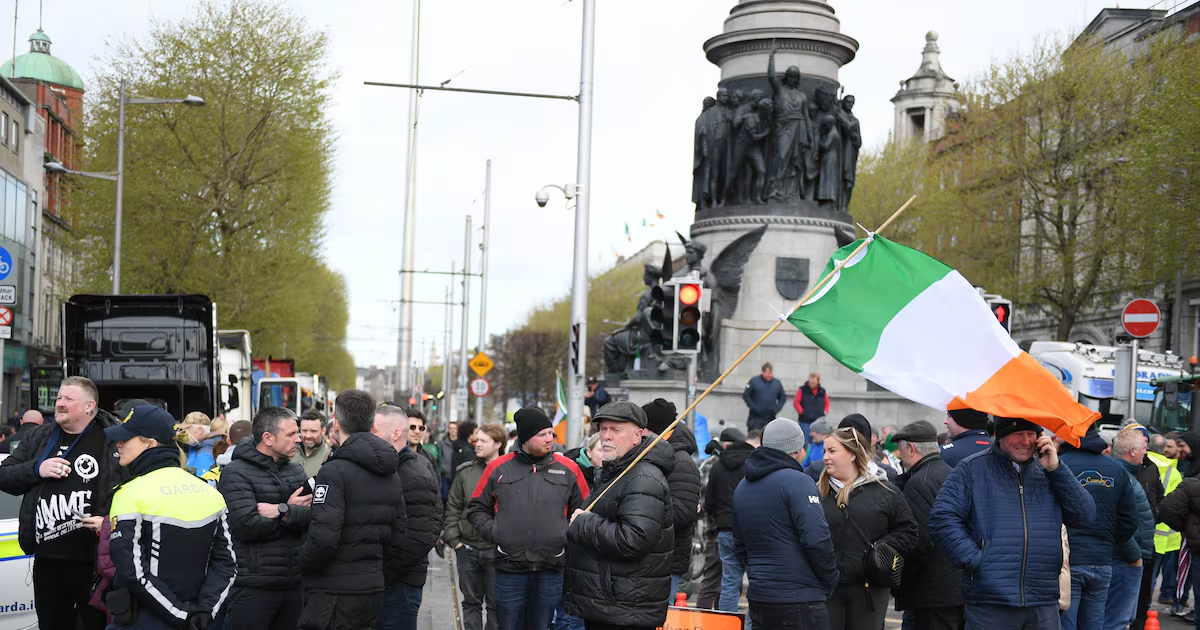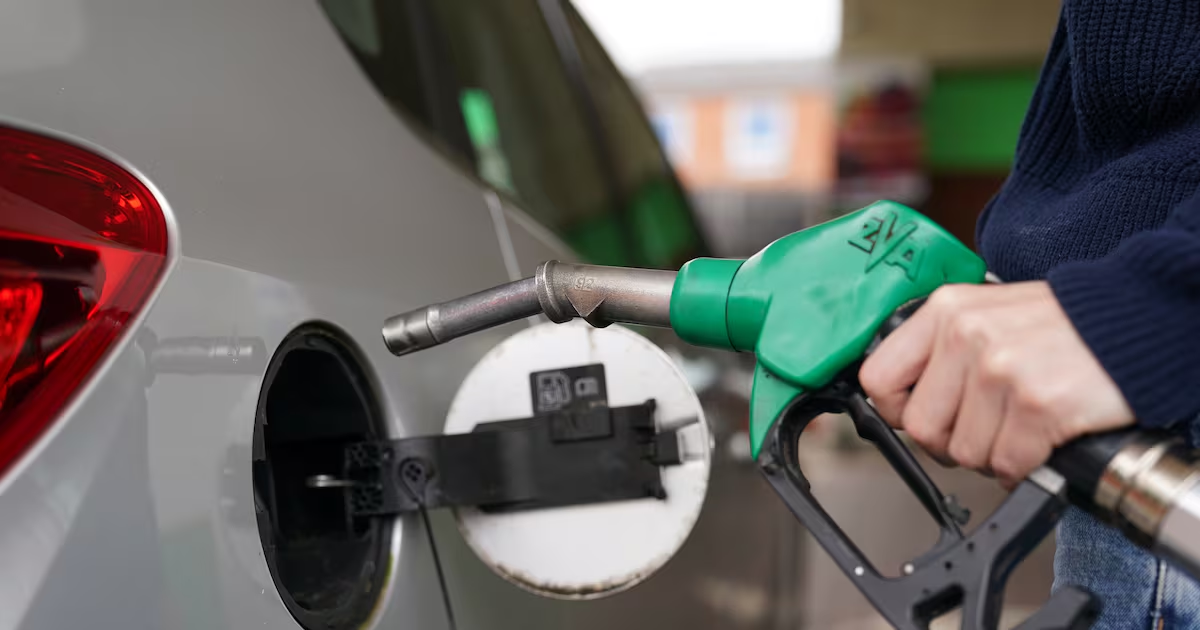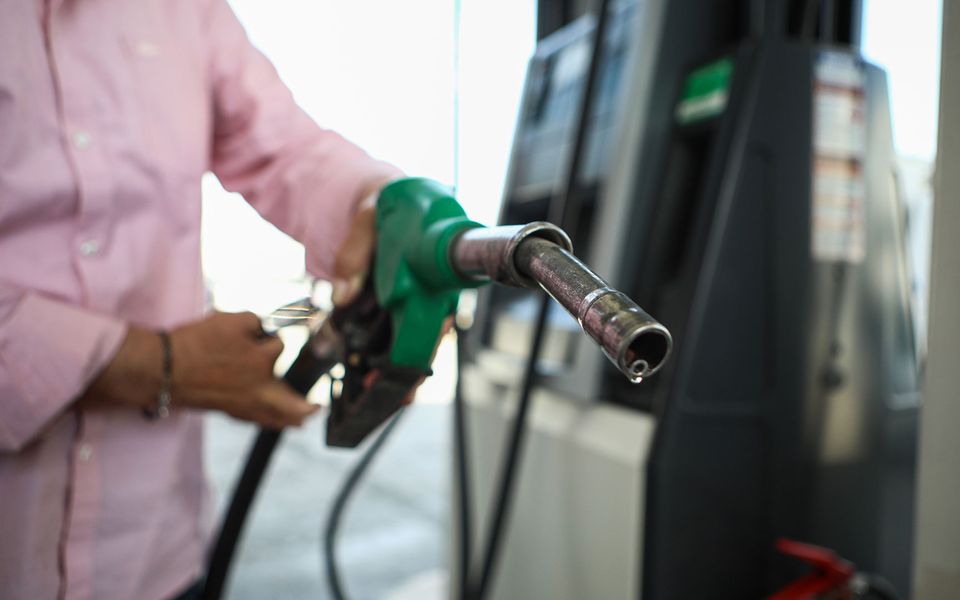
Cuts to fuel taxes will not be fully reversed until well after the budget, Coalition leaders have decided. Under an agreement made at a meeting on Monday evening, the reduced excise duties on petrol and diesel will remain at the same level until September 1st.The levies will be gradually unwound over four months. Minister for Finance Simon Harris will seek Cabinet agreement for the plan on Tuesday morning. The cuts were due to expire at the end of July, with both Taoiseach Micheál Martin and Harris saying there will be no “cliff-edge” to the end of the supports, which have reduced the cost of petrol and diesel by 27c and 32c respectively. It is understood that the restoration will take place in different increments rather than with a uniform amount being added back on to excise at each interval. However, these increments are not yet known and may be decided at a later date.Coalition leaders discussed a first increment on September 1st which would see 9c put back on diesel and 10c on petrol. It is not clear what precisely was agreed.While prices at the pump have come down in recent weeks – partially due to the excise cuts currently in place – there remains significant volatility and uncertainty about the future path of oil prices amid simmering tensions in the Middle East following the US and Israel’s attack on Iran earlier this year. Government sources argued that families would be protected via the gradual restoration which would also ensure inflation would be suppressed. The cost is expected to be significant – extending the lower level of excise in the wake of April’s fuel protests, which was originally put in place in March, was the most expensive single measure of a €500 million package agreed then. The overall cost of measures agreed on Monday evening is said to be €276 million. Between that and measures announced in March and April, it brings total spending on cost-of-living measures and sectoral supports since the Iranian conflict began to the billion-euro mark. Despite the decision to extend the cuts and opt for a gradual restoration, the Coalition is expected to come under political pressure over its call. Aontú is this week to put forward a Dáil motion on the cost-of-living.Over the weekend, Government sources were indicating that the cuts will be extended beyond the July 31st deadline, at least in part, with an expectation that reductions will then be tapered off over the coming months. A tapering approach is seen as attractive for the Coalition as it would likely give sufficient flexibility to reverse course if commodity prices increased again. It may also minimise the chances of further disruption along the lines of what happened in April, when hauliers and agricultural contractors, along with others, disrupted supply routes and fuel depots in protest at high prices. With the presidency of the council of the European Union due to rotate to Dublin on Wednesday, the potential for protesters to disrupt some of the hundreds of high-powered meetings is also on the coalition’s radar.A change in the planned expiry of the cuts will require legislation to be passed through the Oireachtas before the summer recess, which is due to begin on July 16th. Increasing prices on forecourts would also likely impact the rate of inflation, with the Department of Finance having estimated their impact as bringing this down by 0.6 per cent.
Cuts to fuel taxes won’t be fully reversed until after Budget, Coalition leaders decide
Cuts are due to expire at end of July, with Taoiseach and Tánaiste saying there will be no ‘cliff edge’
567 words~3 min read