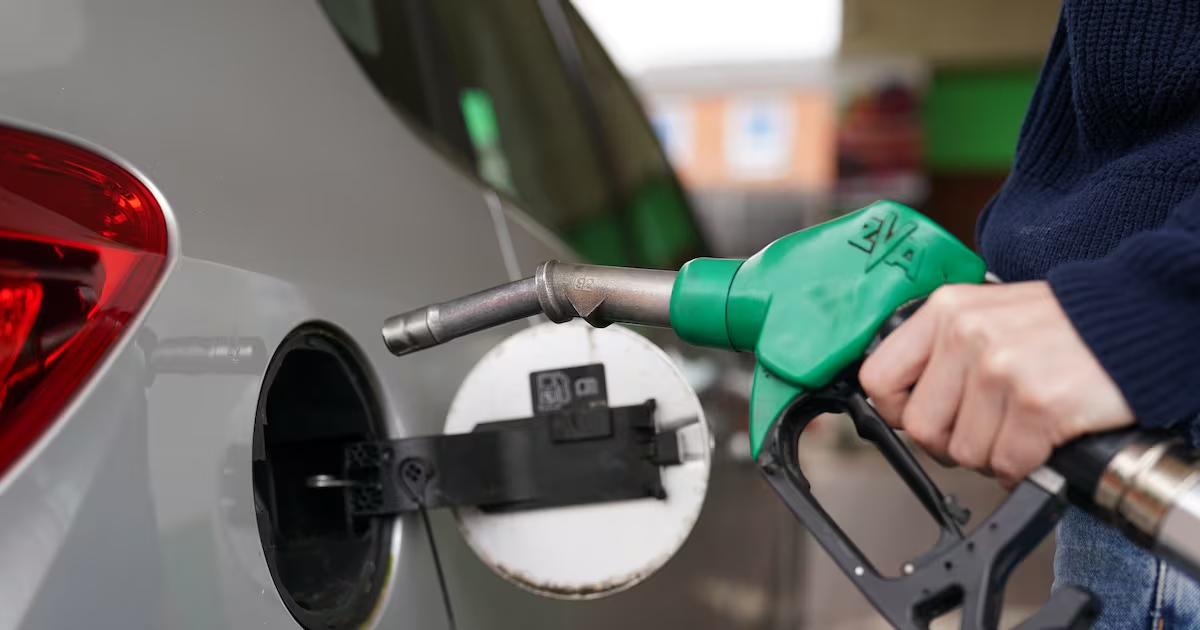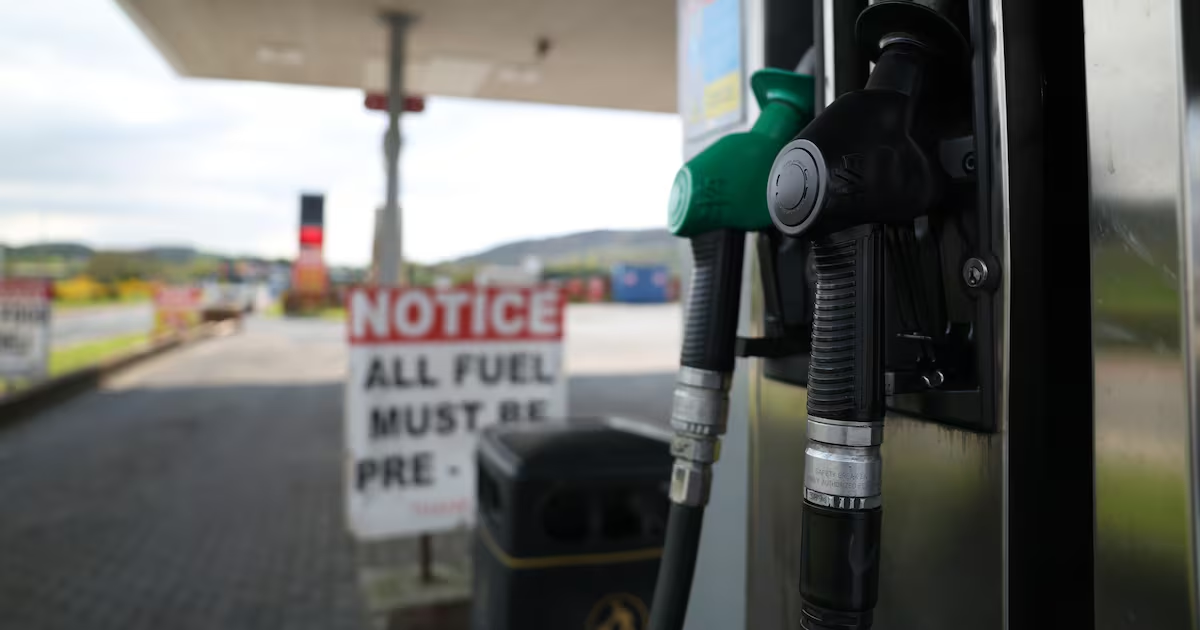
Government leaders are meeting on Monday evening to discuss the future of cost-of-living cuts to petrol and diesel excise duty.The cuts are due to expire at the end of July, with both Taoiseach Micheál Martin and Tánaiste Simon Harris saying there will be no “cliff-edge” to the end of the supports, which have reduced the cost of petrol and diesel by 27c and 32c respectively. While prices at the pump have come down in recent weeks – partially due to the excise cuts currently in place – there remains significant volatility and uncertainty about the future path of oil prices amid simmering tensions in the Middle East following the US and Israel’s attack on Iran earlier this year. A decision approved by Martin, Harris and Independent minister Seán Canney, who represents the Independents in Government, could be approved by Cabinet as soon as Tuesday. Over the weekend, Government sources were indicating that the cuts will be extended beyond the July 31st deadline, at least in part, with an expectation that reductions will then be tapered off over the coming months. A tapering approach would likely give sufficient flexibility to reverse course if commodity prices increased again. It may also minimise the chances of further disruption along the lines of what happened in April, when hauliers and agricultural contractors, along with others, disrupted supply routes and fuel depots in protest at high prices.[ Simon Harris indicates gradual rollback of fuel tax cuts to avoid ‘cliff-edge’Opens in new window ]There is also a reduction in Government levies placed on fuel consumption to fund the National Oil Reserve Agency, which reduce the price of fuel by 2c per litre. With the presidency of the council of the European Union due to rotate to Dublin on Wednesday, the potential for protesters to disrupt some of the hundreds of high-powered meetings is also on the Coalition’s radar.A change in the planned expiry of the cuts will require legislation to be passed through the Oireachtas before the summer recess, which is due to begin on July 16th. Increasing prices on forecourts would also likely impact the rate of inflation, with the Department of Finance having estimated their impact as bringing this down by 0.6 per cent. A staggered unwinding process could begin on August 1st, though some voices are likely to argue it should begin later, perhaps on September 1st. The Government is likely to seek to separate the process of restoring the excise cuts from the budget, due in early October. Last week, senior Ministers were indicating privately their expectation that full or partial extensions to the cuts were highly likely.Speaking last week, Minister for Public Expenditure Jack Chambers said the Government did not want to see a “big upward increase” in energy or oil prices that could have an impact on consumers and businesses.
Cuts to petrol and diesel excise duty likely to be extended as Government leaders meet
Cuts are due to expire at end of July, with Taoiseach and Tánaiste saying there will be no ‘cliff edge’
470 words~2 min read