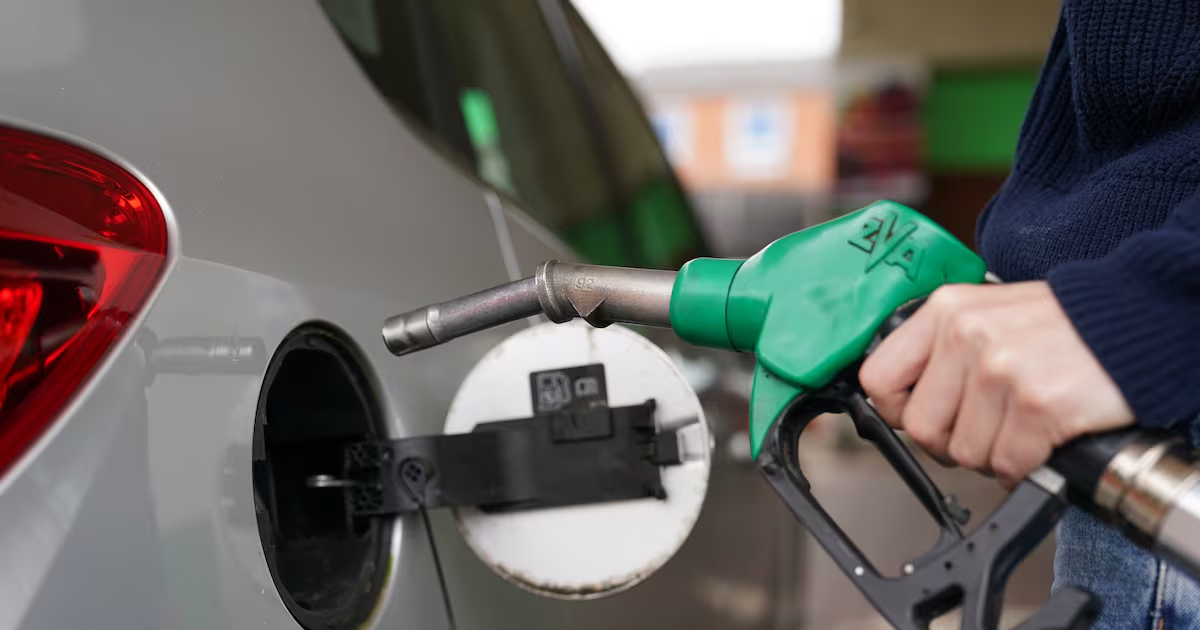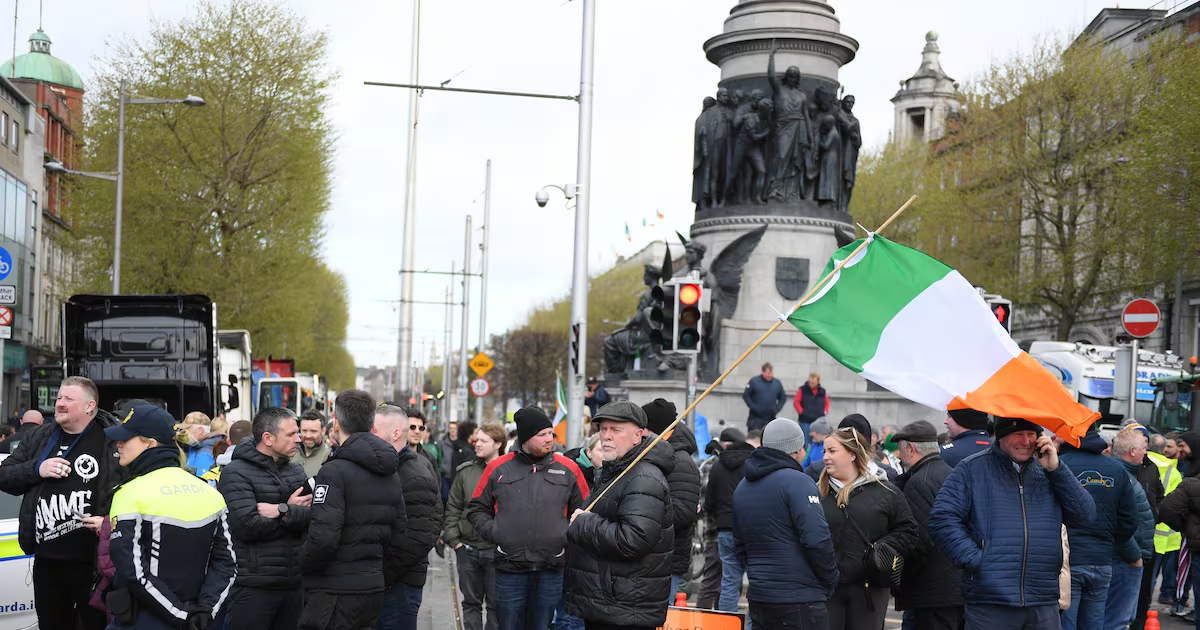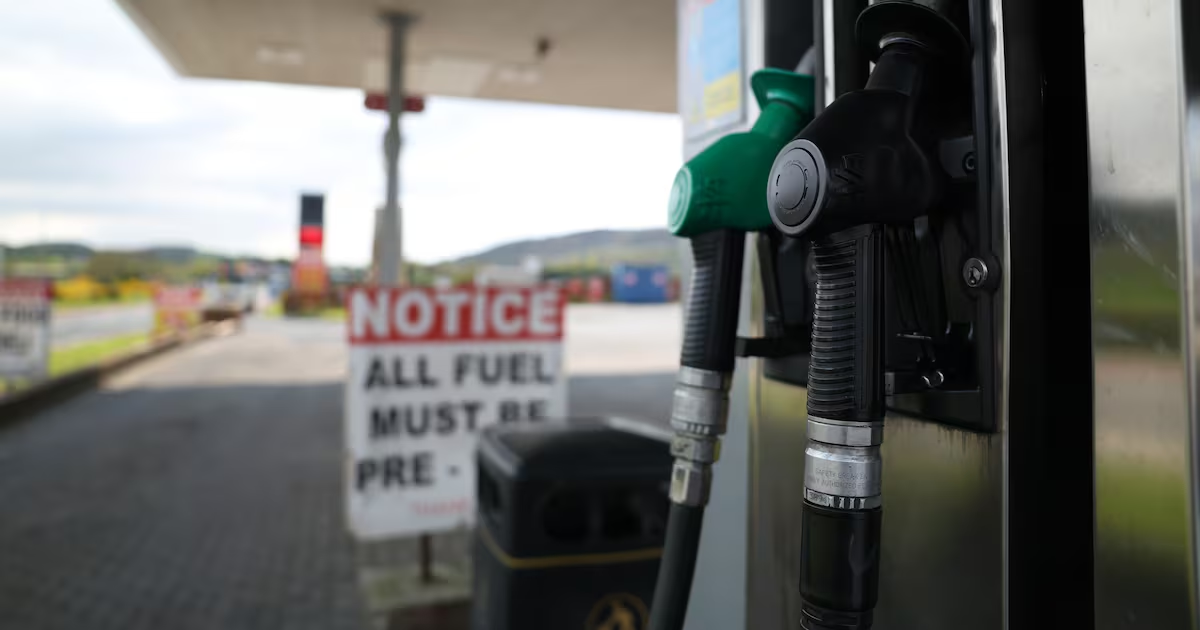
On Tuesday, there’ll be a “definitive” decision on how to pare back excise cuts to petrol and diesel – that’s according to the Taoiseach.The problem is, with the Iranians and Americans lobbing all manner of armaments at each other in the Gulf, being “definitive” about the oil market these days is far from an exact science.Nonetheless, with the summer recess looming, the Government will need the necessary legislation in train to establish a phased return to the old rates.Brent crude – the global benchmark for the black stuff – is back down to the sort of level seen before Donald Trump and Binyamin Netanyahu launched their “excursion” in Iran in late February. The rationale for maintaining the cuts until the end of July was that a sustained period of higher fuel costs was likely as long as the conflict continued. With a dodgy enough truce in place, guessing where the oil price might be in August is not simple.It’s a tricky political job given that the fuel protests that shut down large parts of the country were only two months ago – and an abrupt U-turn is not on the cards. A careful three-point turn appears to be what the Government is eyeing up. It’s very much a case of mirror, signal, manoeuvre.Whatever happens, the Irish motorist has been reassured that there will be no “cliff edge”.Fall in number of asylum seekersSpeaking of sharp drops, the Minister for Justice yesterday said the number of asylum seekers making their way to Ireland had halved in just two weeks. Jim O’Callaghan said the EU migration pact had put in place “vigorous” new measures – and this could lead to a reduction in the number of people applying for asylum here.Cautioning against reading too much into what was early data, O’Callaghan told RTÉ Radio the Government had an “open mind” about the possibility of “return hubs” outside of the EU being used to house asylum seekers while their claims are being assessed.Callaghan also confirmed that a State apology will be offered to the victims of convicted paedophile Bill Kenneally on July 14th. However, he denied that Fianna Fáil should also be made to apologise as a result of Kenneally having canvassed for Government Chief Whip Mary Butler.Donaldson revelationsThe fallout from the conviction of former DUP leader Jeffrey Donaldson on 18 counts of sexual offences looks likely to continue over the coming weeks after the revelations contained in a BBC programme aired at the weekend.BBC Spotlight reported police suspicions that Donaldson could be a child sex abuser a year before he was named to the PSNI. It also reported that PSNI officers observed Donaldson entering a London sauna marketed as a meeting place for gay men – despite his widely publicised condemnations of homosexuality as “sinful”. On foot of this, a former leader of the Ulster Unionists has called on the police ombudsman in Belfast to examine what exactly the PSNI knew of Donaldson’s conduct before his arrest in 2024.Doug Beattie said this raised “fundamental and legitimate questions” about what the PSNI knew and when it knew it.Drug lawsThe drug decriminalisation agenda seems to have hit a political roadblock.Sources close to both the Taoiseach and the Tánaiste have told The Irish Times that they have reservations about the recommendation from an Oireachtas committee that possession for personal use be decriminalised. “We will not be doing this,” says one.The committee on drug use published its recommendations last week and has the support of all the main Opposition parties. There may be some blowback.Rabbitte interviewMeanwhile, the country is at risk of going to pot, according to former Labour Party leader Pat Rabbitte.Speaking to The Irish Times Inside Politics podcast, Rabbitte says unless social inequities are dealt with here we could be headed the same way politically as the British and Americans.Rabbitte also dismissed the prospect of a broad left-wing alliance in Ireland – saying he thinks the “ultra left” aren’t interested in governing the country.Not exactly a fan of Sinn Féin during his lengthy political career, he added that he wasn’t sure the party had earned its place within a broad social democratic platform. A party of nationalists, with some socialists, he said, he compared Mary Lou McDonald’s camp with that of Fianna Fáil in the 1930s.
The tricky politics of unwinding petrol and diesel excise cuts
Inside Politics: Irish motorists are promised no ‘cliff edge’ as Ministers decide how to pare back fuel excise cuts
711 words~3 min read