Today’s guest columnist is Ben Reynolds, CEO of Spalk.TV.
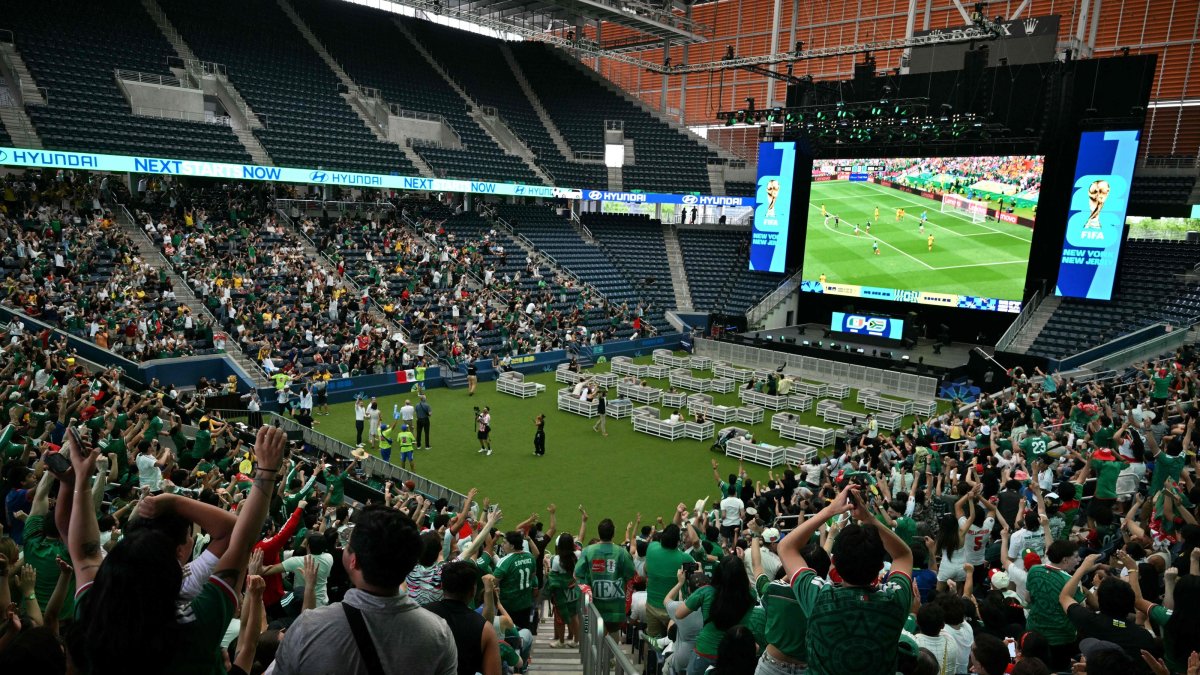
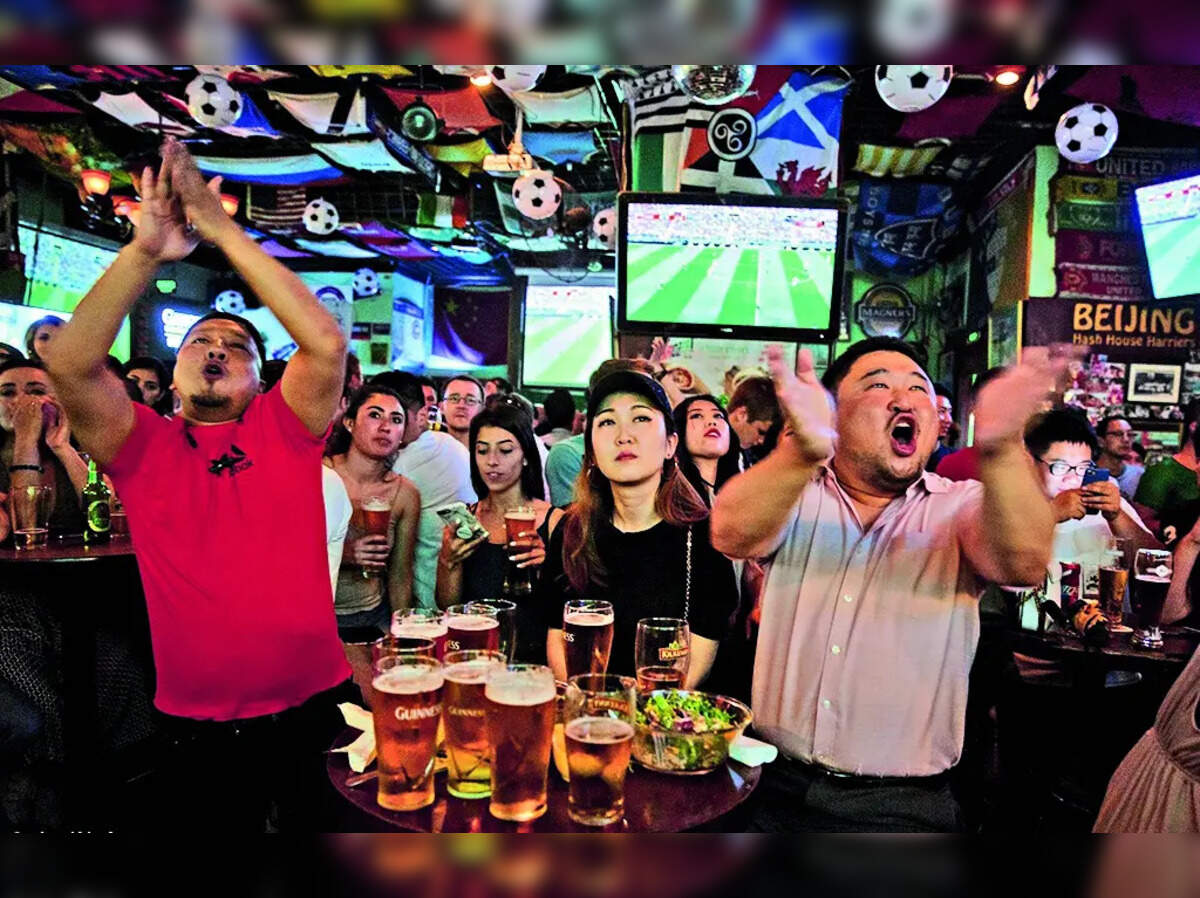
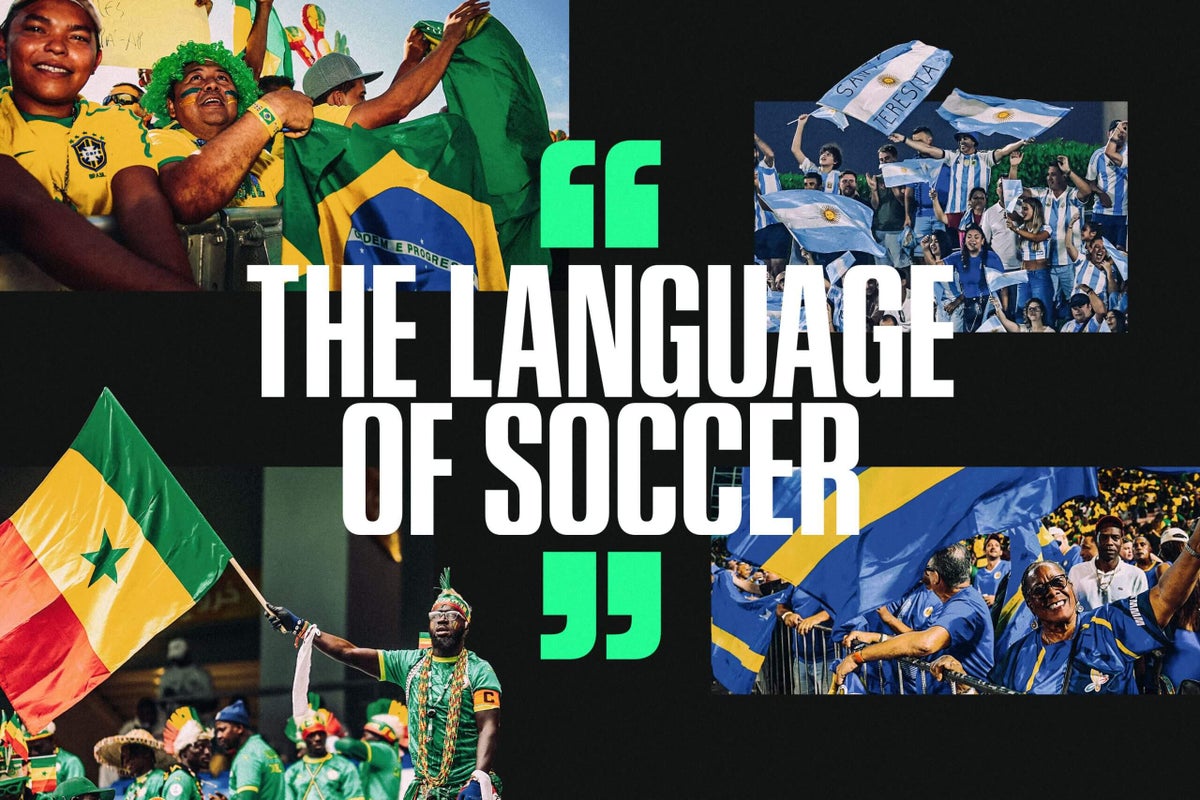
As the World Cup showed us, sport is the language of the world.
The numbers tell the story. Sixty-three million Americans watched the 2026 FIFA World Cup final between Argentina and Spain. While 62% of these fans watched the English-language broadcast on Fox, 38%—over 24 million Americans—watched Telemundo’s Spanish-language coverage of the final.
But multilingual sports casts aren’t just important for soccer, with its established global presence. The NFL has continued to accelerate its international strategy, with NFL Game Pass on DAZN recording 24% year-on-year subscriber growth in the 2025-26 season. This was driven, in part, by offering five languages of live commentary on every game and the league sharing highlights and analysis on local social media accounts in four languages—five, if we’re counting the U.K. Kings’ English as its own language!
The NBA, Formula 1, the Tour de France and countless other sports properties are trying to answer these same questions—how can we serve a global audience, negotiate global rights deals while serving each fan locally and with linguistically relevant content?