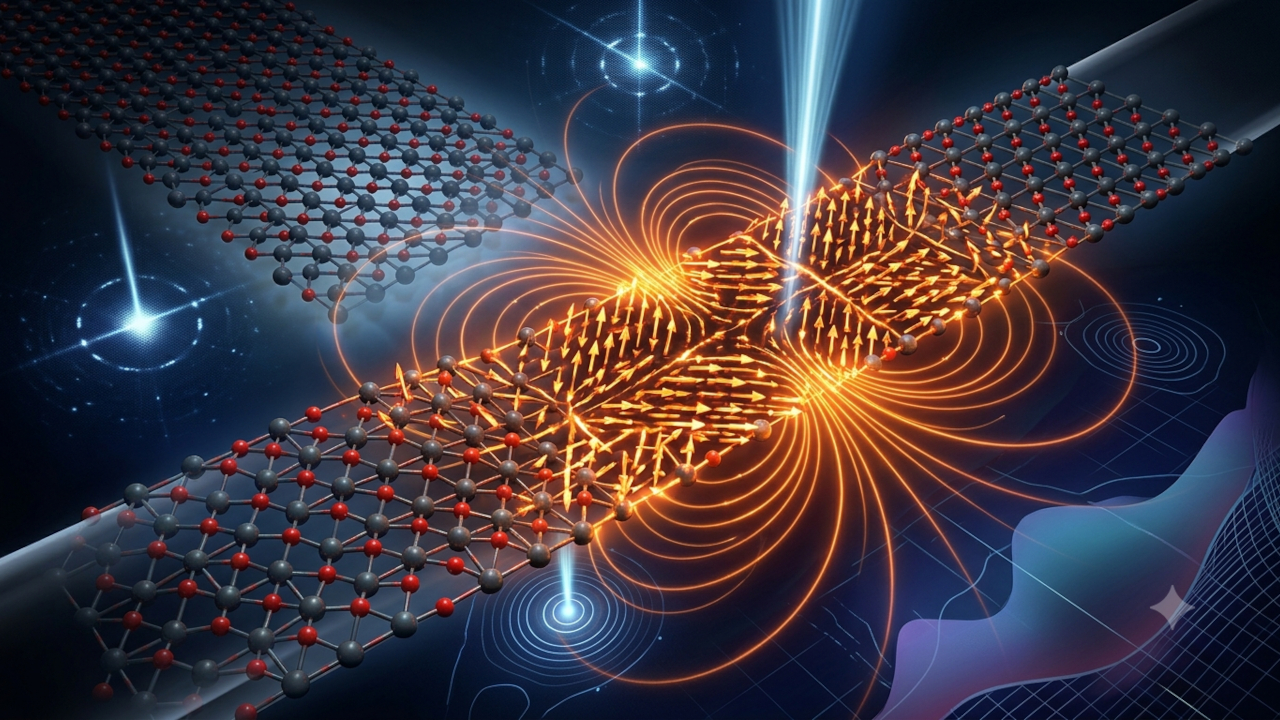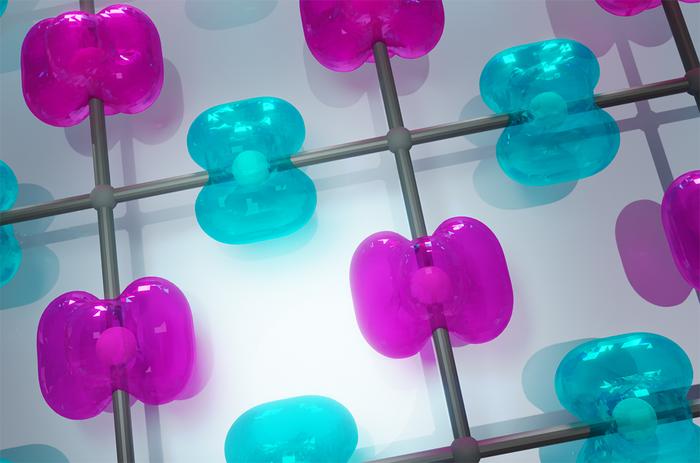
A recently proposed form of magnetism known as altermagnetism could eventually help researchers make computer memory smaller, faster, and more efficient. Now, scientists have found evidence that ruthenium dioxide, a quantum material previously considered nonmagnetic in its bulk form, may display this unusual magnetic behavior when prepared as an ultrathin film only a few atomic layers thick.
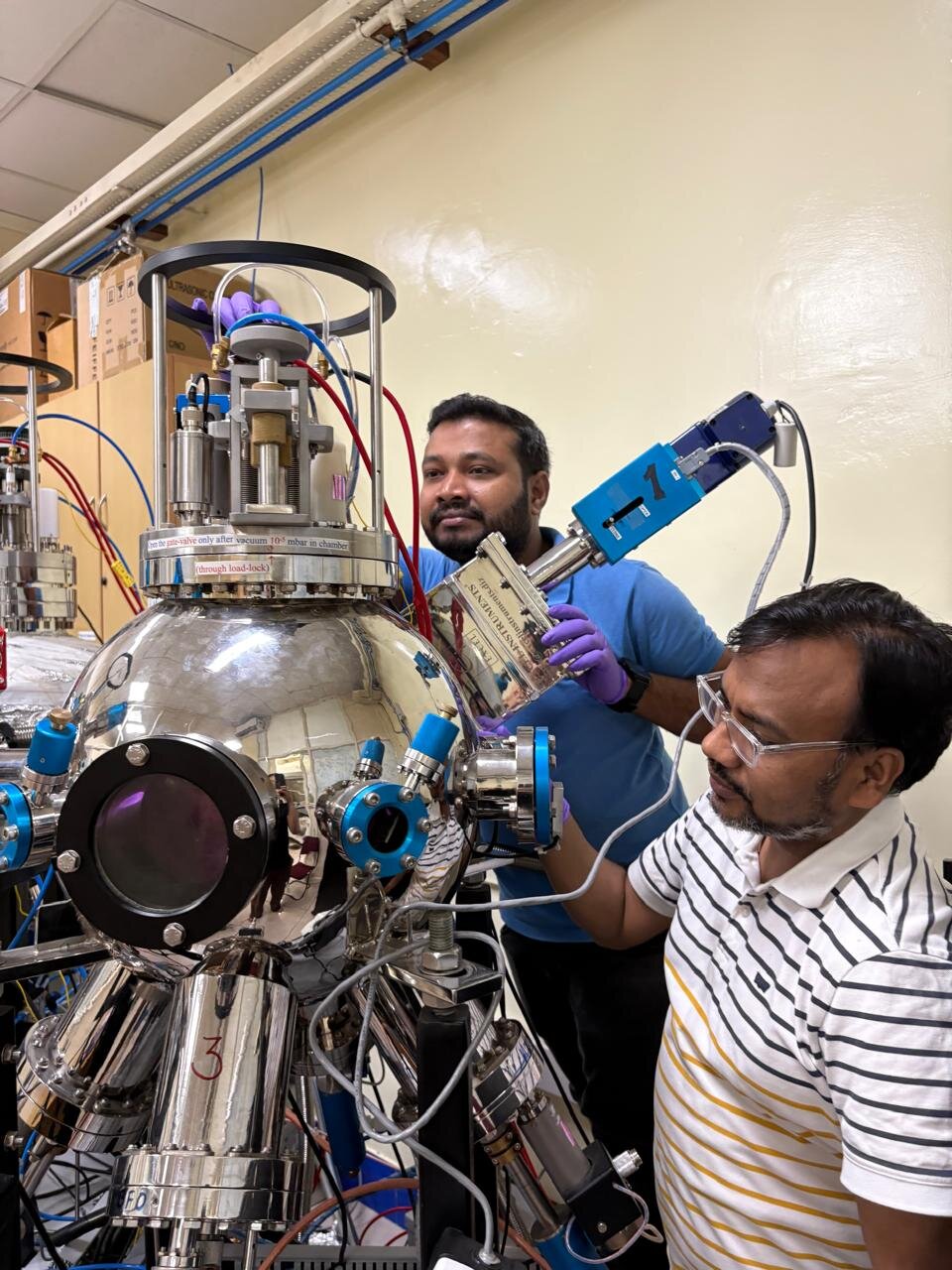
Rice University physicist Ming Yi, working with Bharat Jalan of the University of Minnesota and Milan Radovic of the Paul Scherrer Institute, reported the findings in Science Advances.
"Ruthenium dioxide was one of the first materials to be proposed as an altermagnetic candidate, but studies on its bulk form didn't return evidence of magnetism," said Yi, an associate professor of physics and astronomy. "Our research shows that its ultrathin form, on the other hand, may be the key in making it magnetic."
Detecting Magnetism Through Electron Spins
To investigate the magnetic state of ultrathin ruthenium dioxide, the researchers examined its spin texture. Spin texture describes how a material's magnetic moments -- the spins of its electrons -- are arranged in space. Those patterns can reveal whether a material is magnetic and, if so, what kind of magnetism it exhibits.