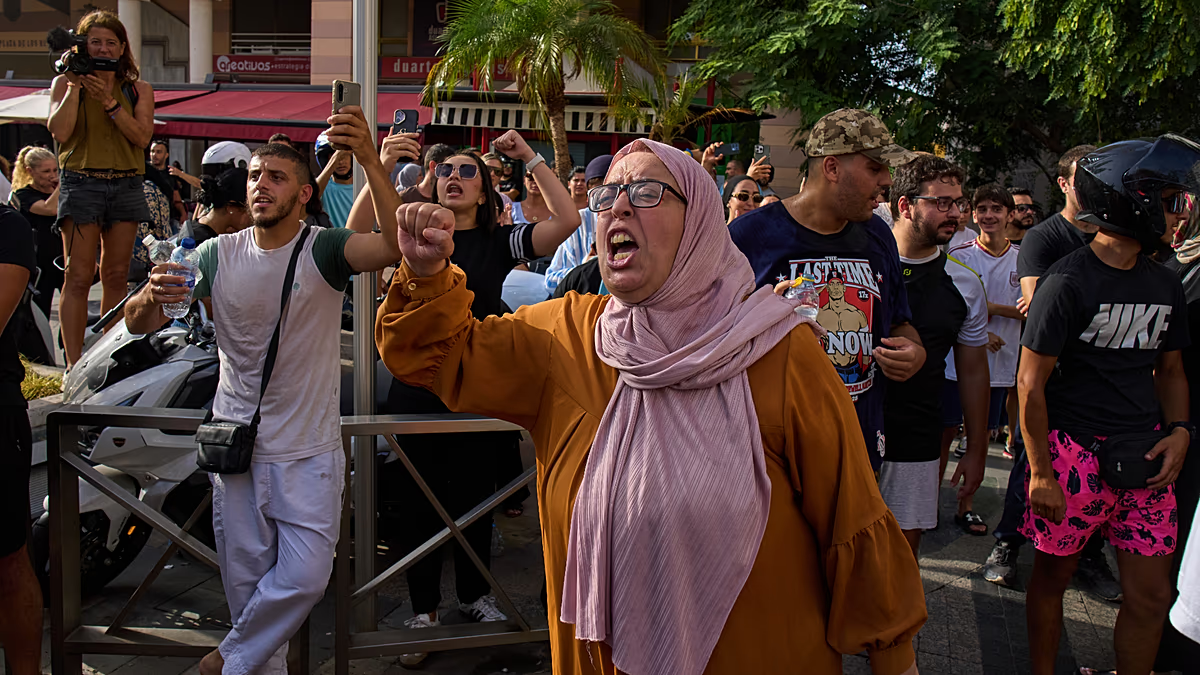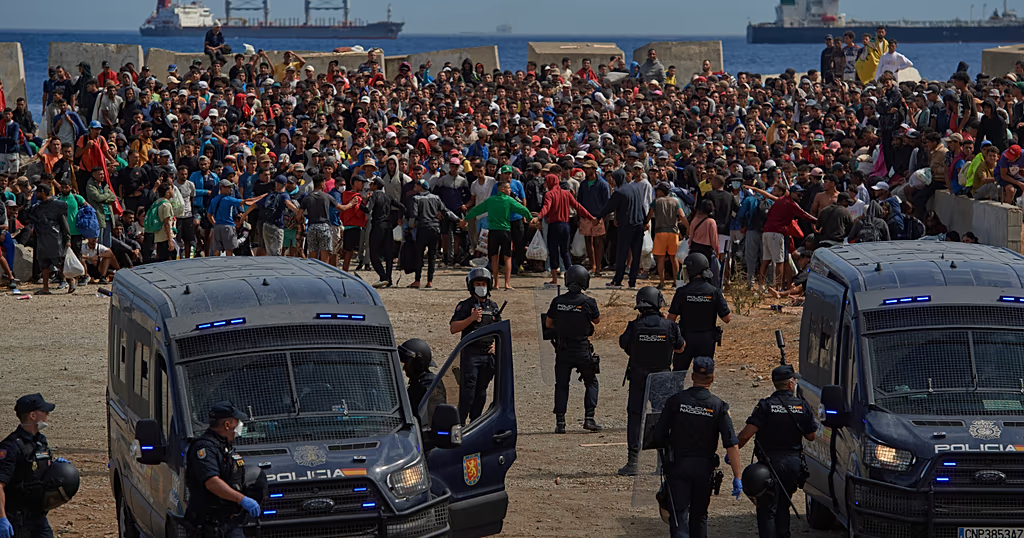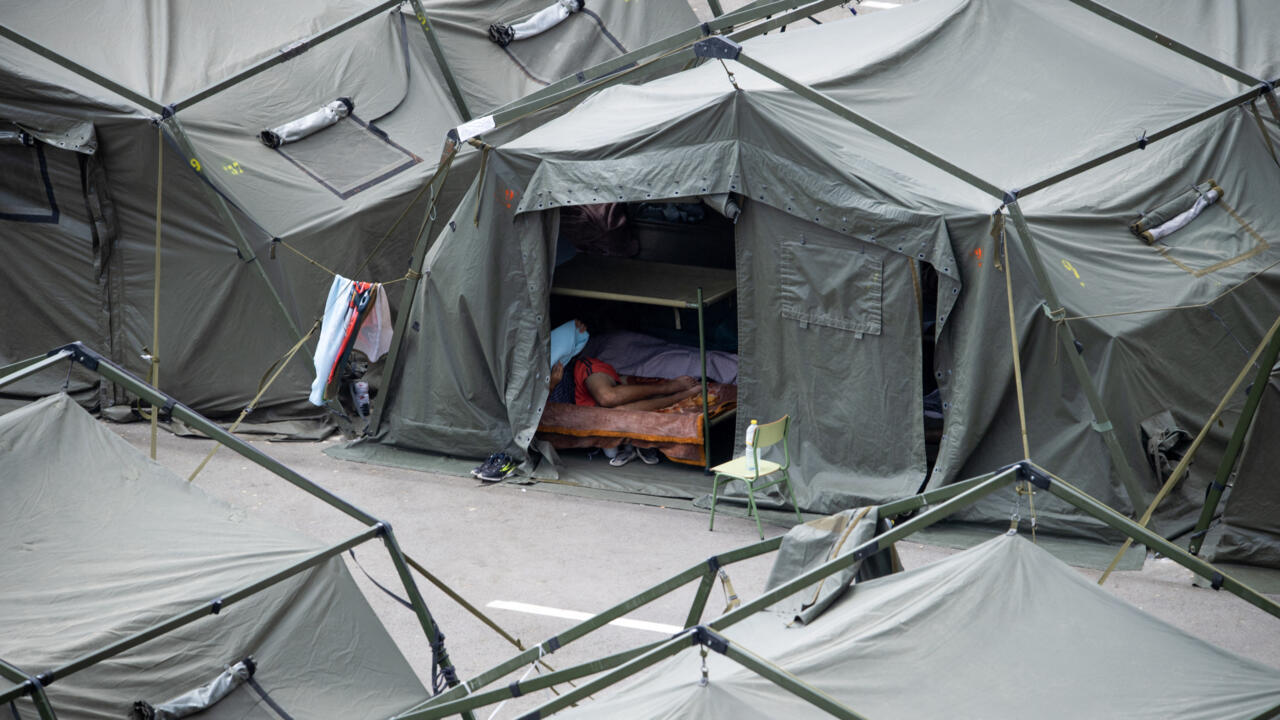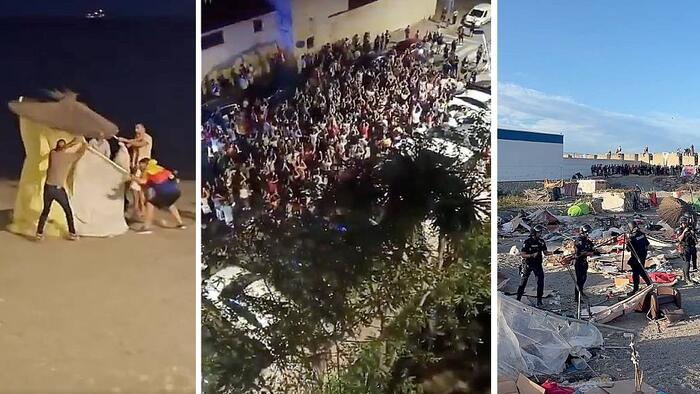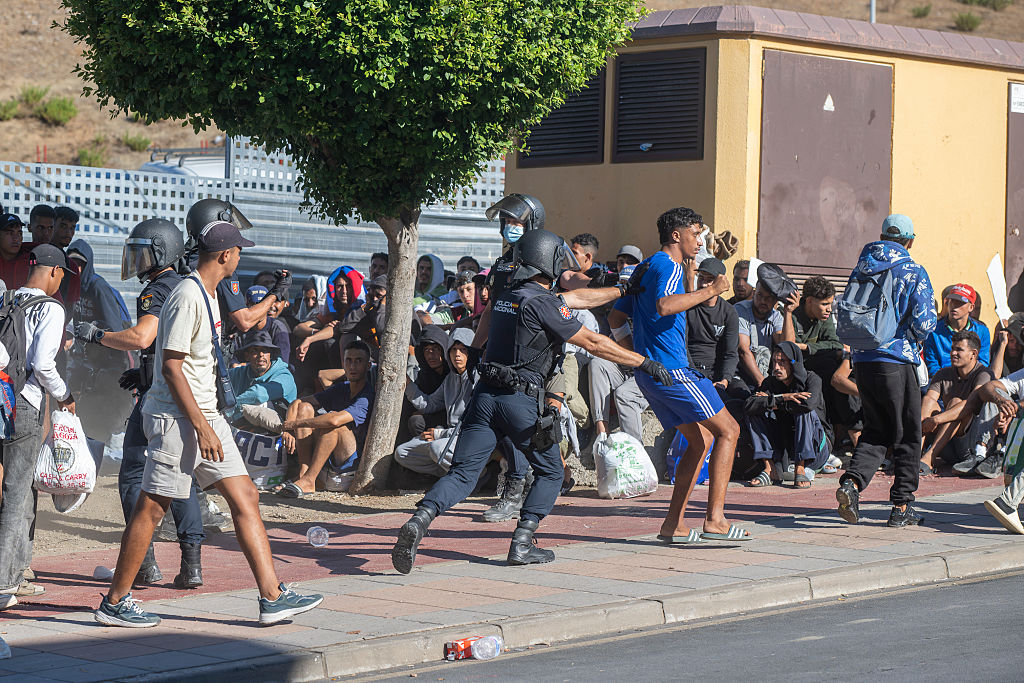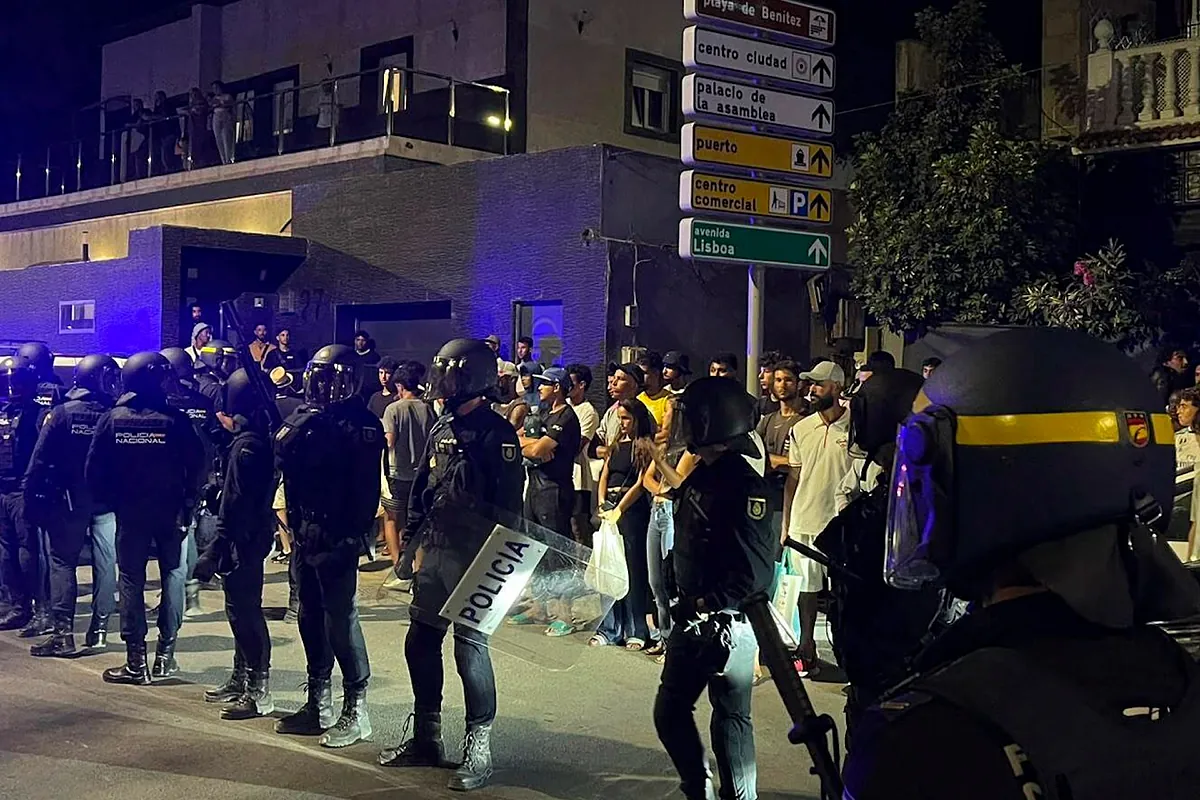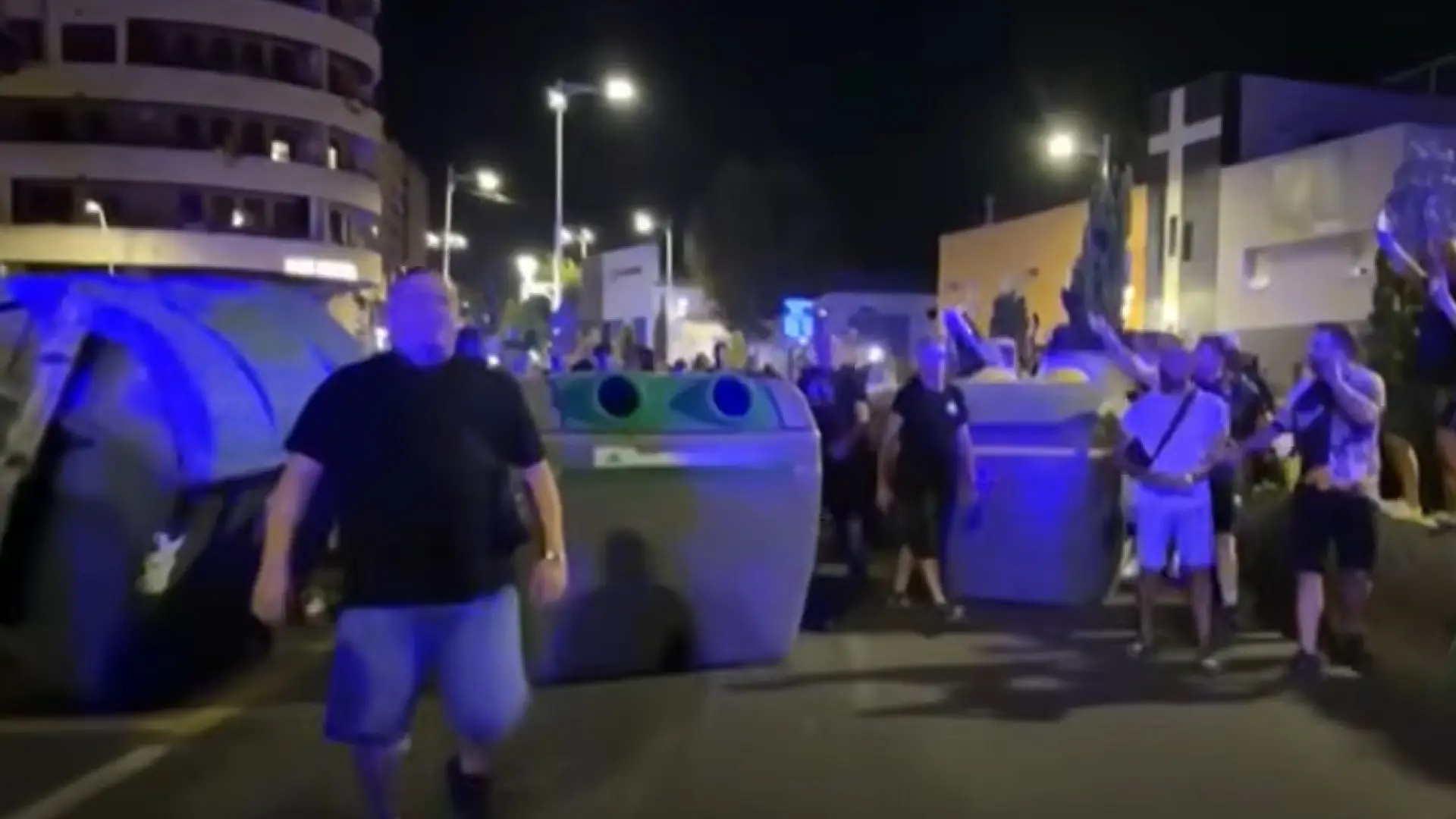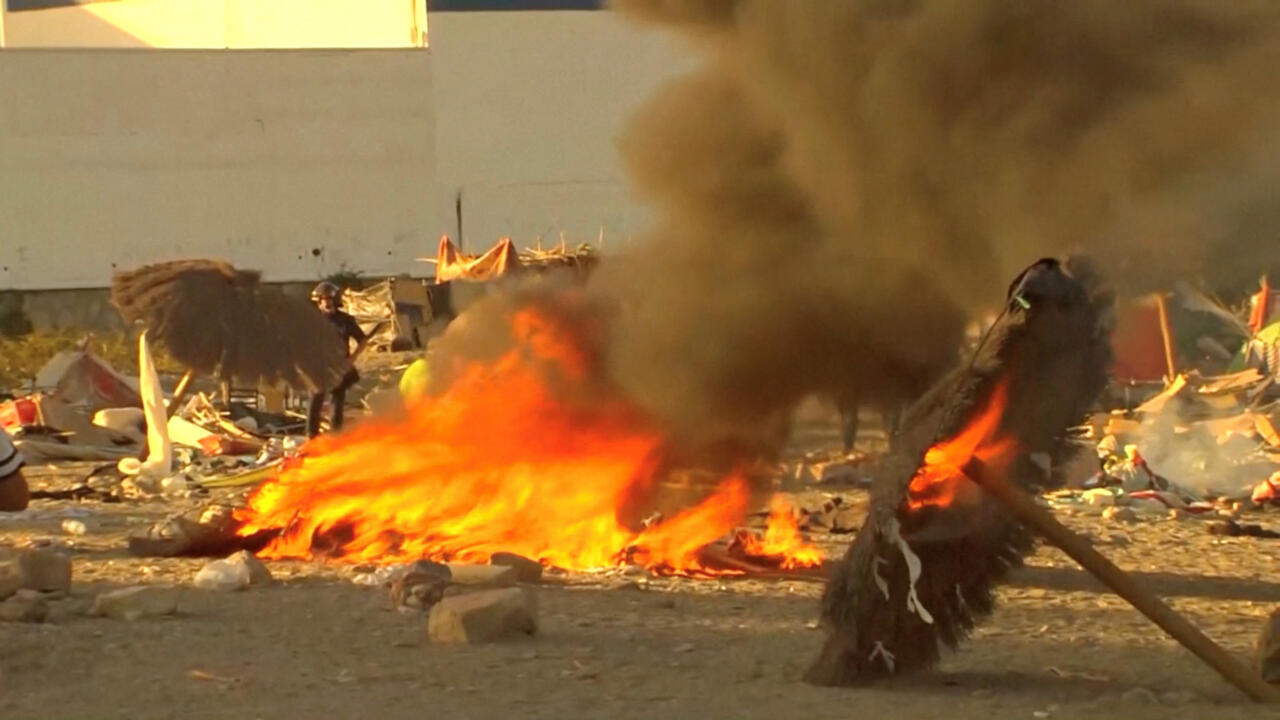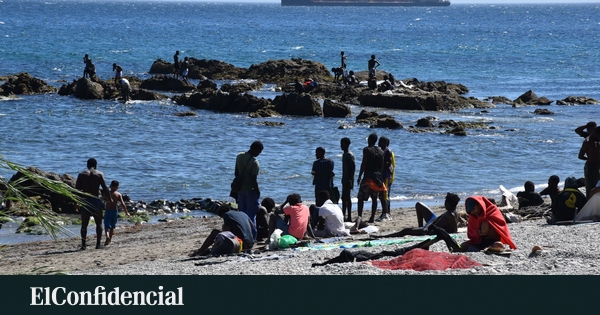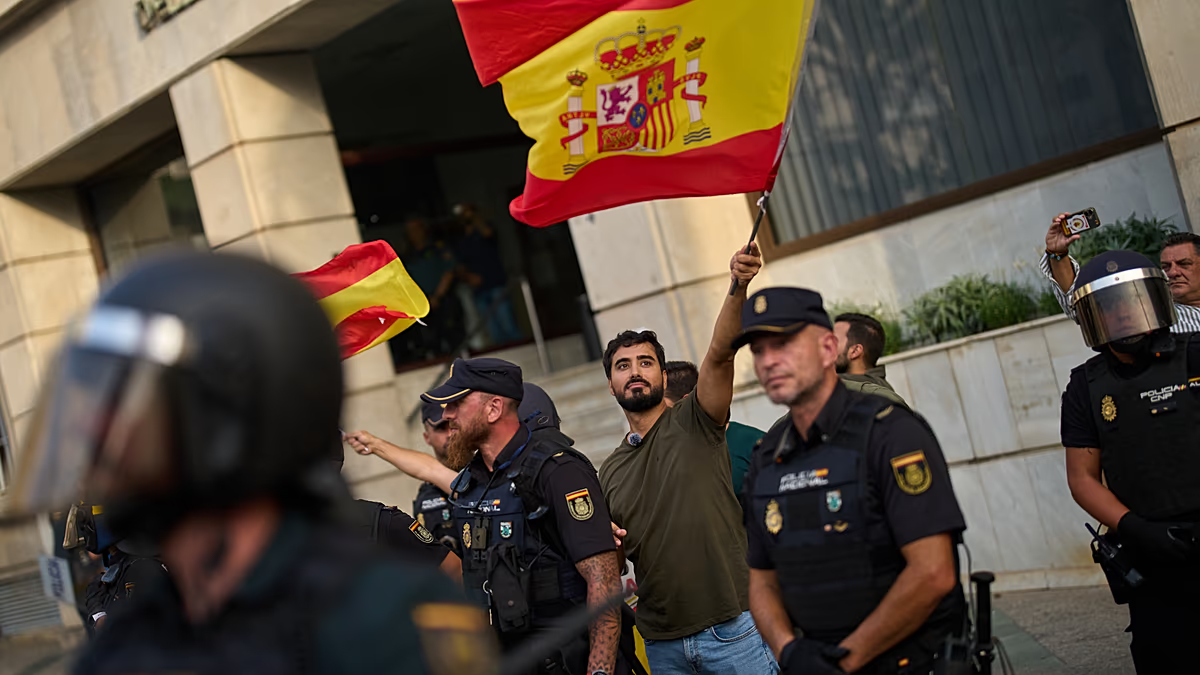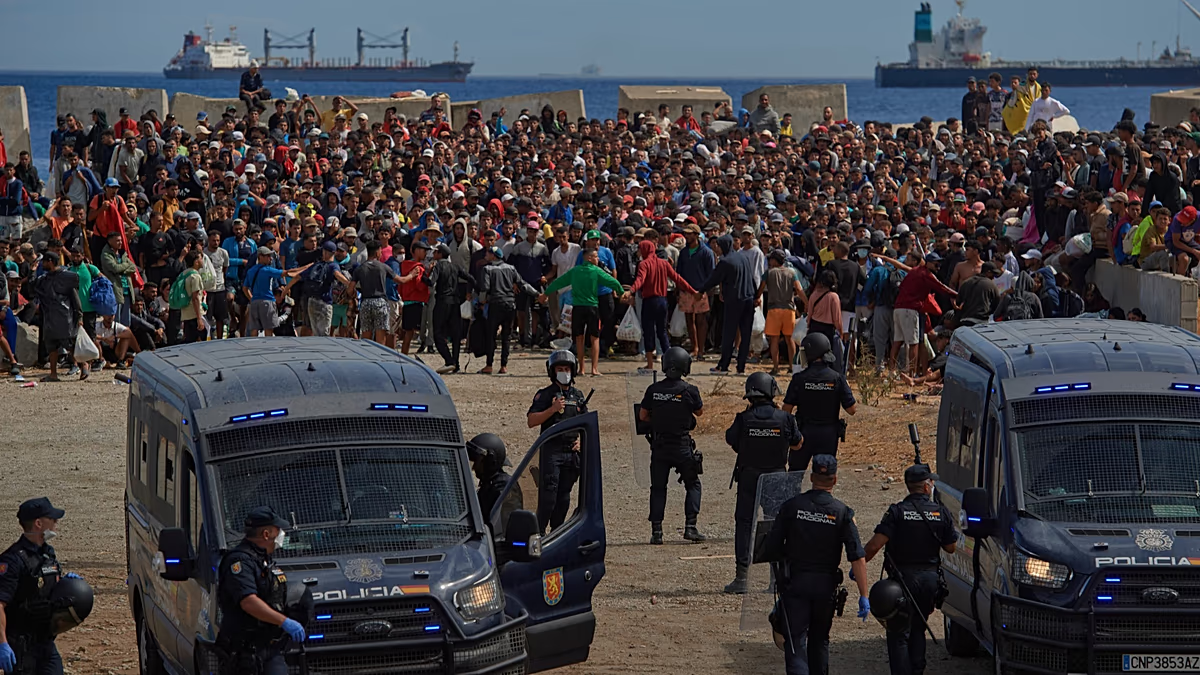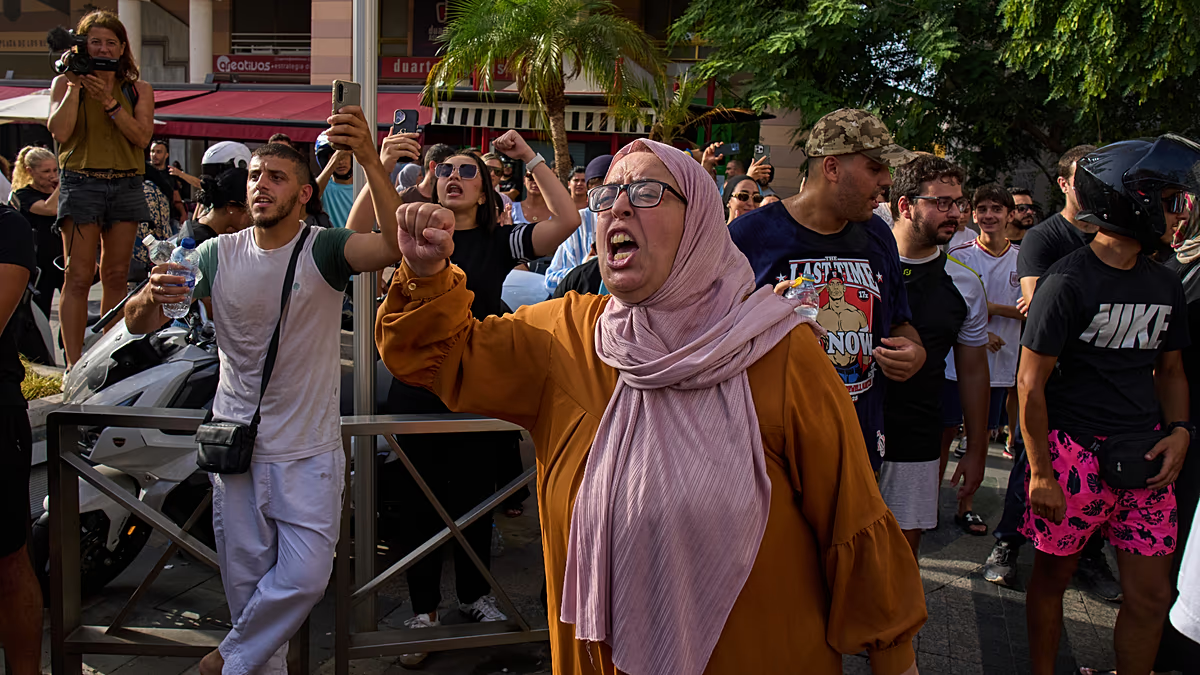
Ceuta has faced its second consecutive night of protests over the migration crisis, and social tensions continue to rise. Tuesday's demonstrations against the alleged plan by the government to house migrants in the Coronel Fiscer barracks were followed on Wednesday by a new wave of protests that ended with barricades, rubber bullets fired by police and blockades on the streets around the port.
Both days share a common denominator that is starting to repeat itself as the crisis persists: the press covering the situation has also become a target of criticism.
Two nights, two TV crews harassed
On Tuesday, a reporter from Spanish television channel La Sexta and his cameraman had to take shelter behind the tables of a pavement terrace when several residents surrounded them, shouting "Fuera, fuera!" ("Out, out!") as they covered the protest. A video recorded by 'El Faro de Ceuta', which went viral hours later, showed insults and shoving, including by several minors, with police failing to intervene until someone pushed the journalist.
That same day, a journalist from Spanish public broadcaster RTVE chose to cover the story without the microphone's branded foam cover, a gesture that was interpreted on social media as an attempt to go unnoticed.