In January 2007, Steve Jobs took the stage at the Macworld convention at the Moscone Center in San Francisco to announce a new product category in Apple’s lineup: A phone. Back then, PCs were a bigger deal than phones (hence the big Apple event of the year being the Macworld convention, which kept running until 2014). This would change soon. At that stage, Jobs announced a lofty goal. He’d be happy, he said, if Apple would capture 1 percent of the mobile phone market by the end of 2008, which would mean selling roughly 10 million iPhones in a year. Fast forward to today, and Apple sells that many iPhones, on average, roughly every two weeks. Guess what Apple will release in September in our Big Guessing Game: Apple edition. Enter now for a chance to win!
You May Also Like
The iPhone that Jobs held in front of the audience at Moscone was a lot smaller and a lot less powerful than modern smartphones, but its form factor has remained pretty much the same. It’s still a rectangular slab of glass, plastic, metal, and silicon with a large display on one side and almost no moving parts.
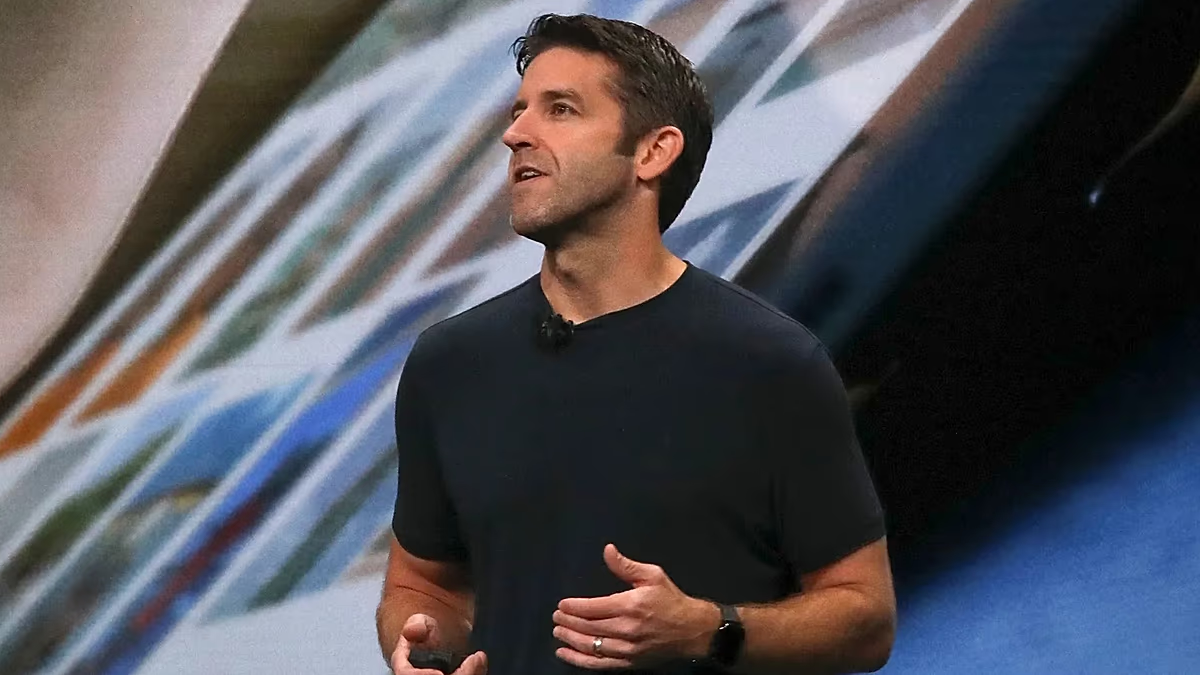
Remember this guy? Steve Jobs unveiled the first iPhone in 2007.
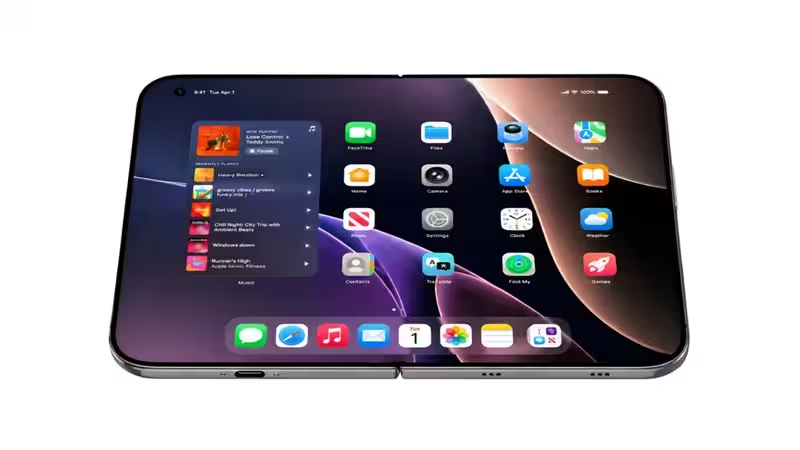
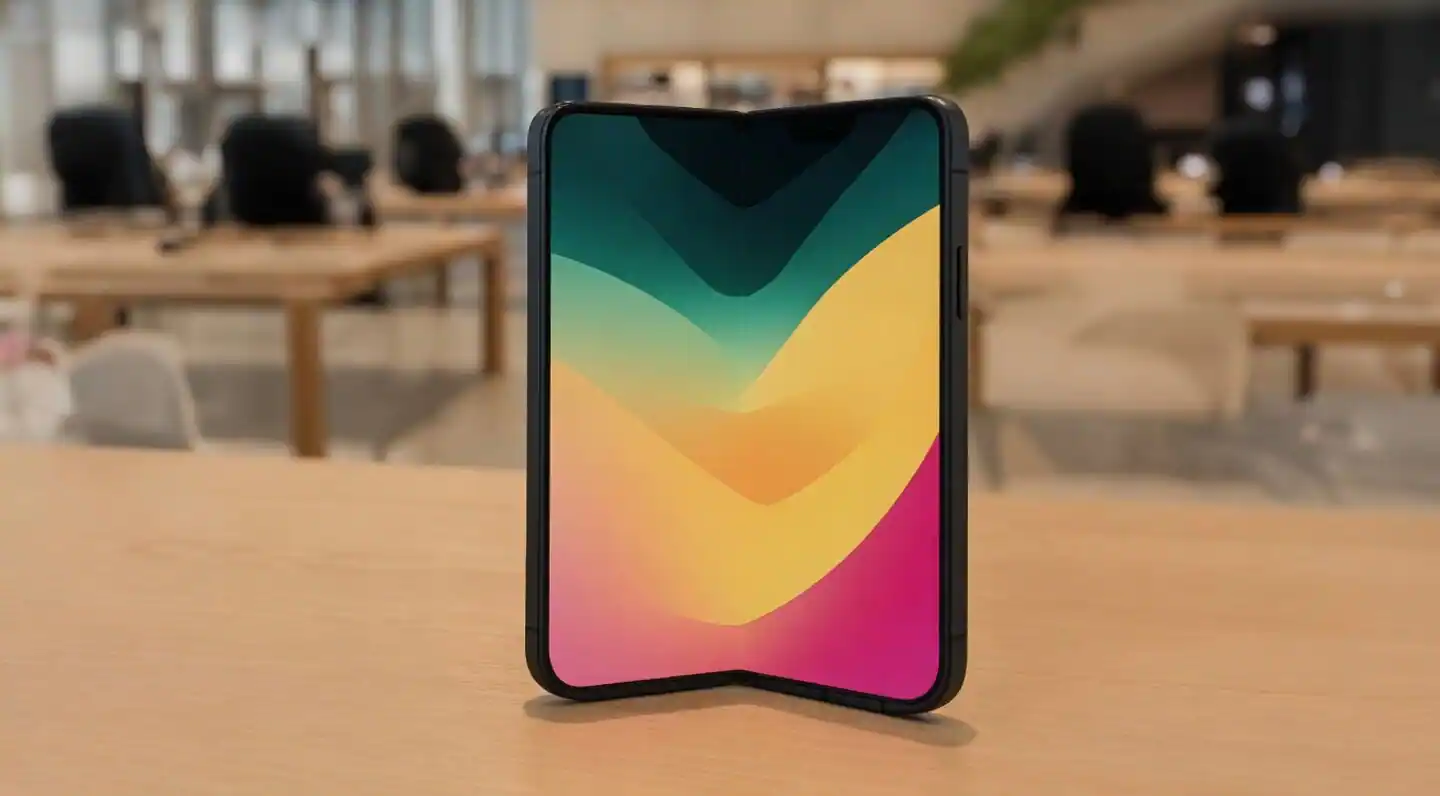
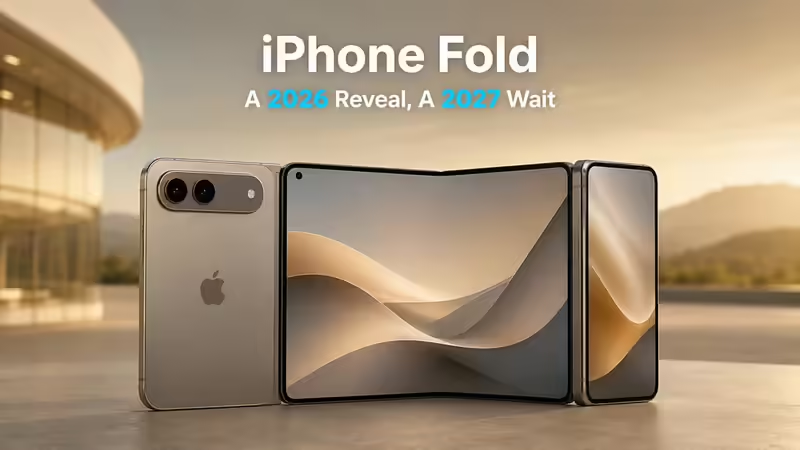
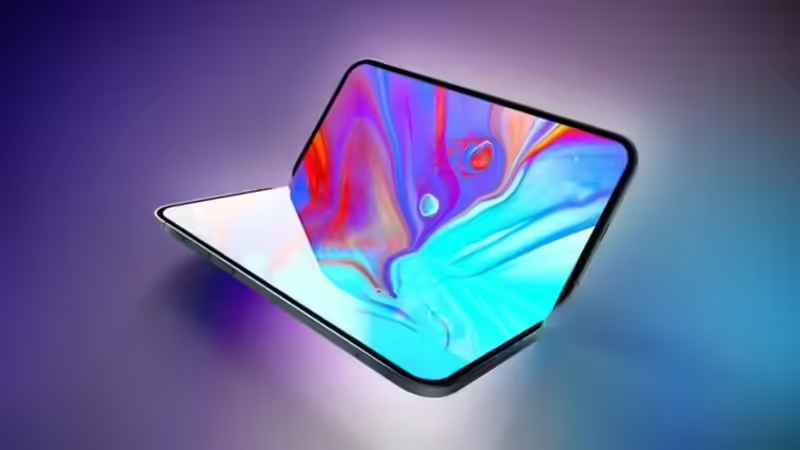
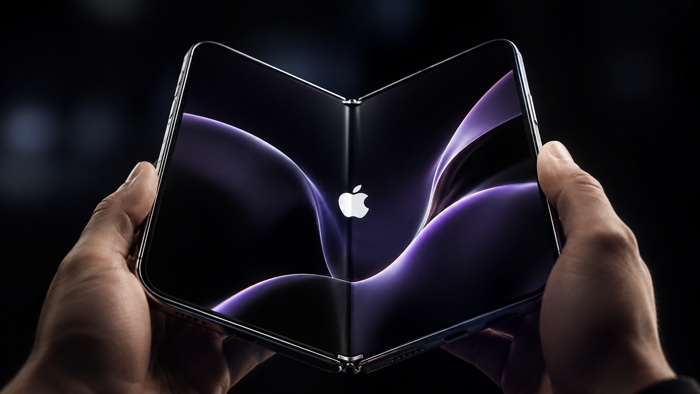
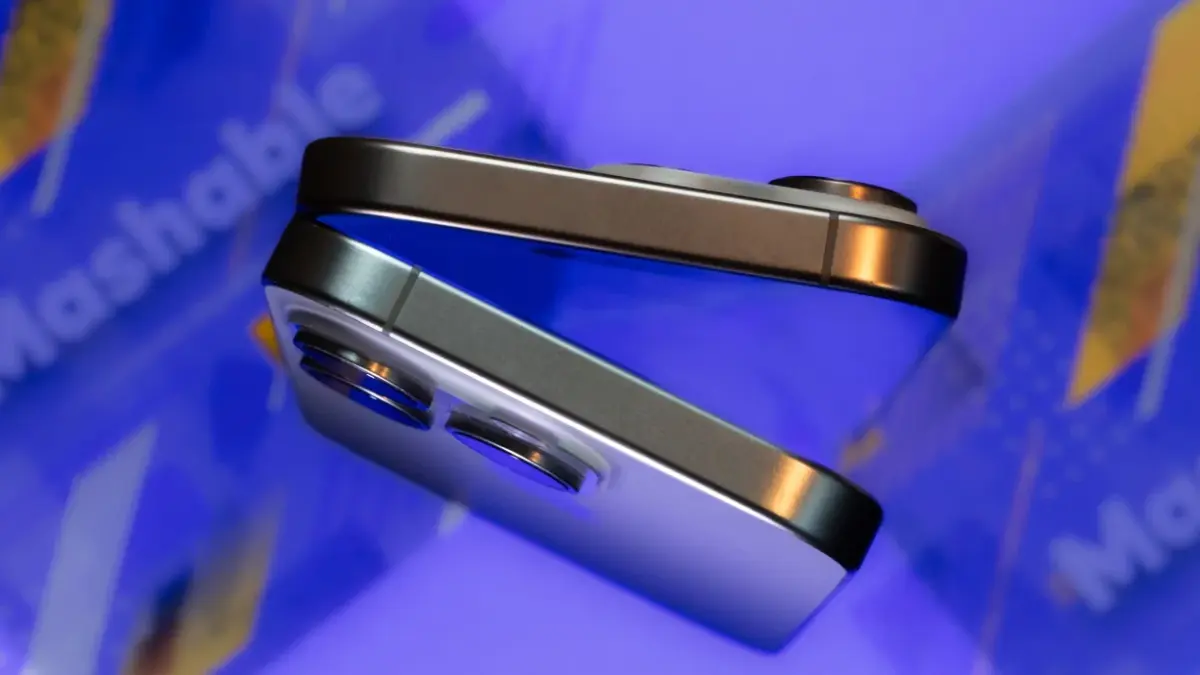
This is about to change. In September, according to numerous rumors and reports, Apple will launch the first-ever iPhone that’s not candy bar-shaped. Instead, the iPhone Ultra (or iPhone Fold, or whatever the name turns out to be) will be a foldable phone; a fairly regular-looking smartphone when folded, but with a large inner display that’s almost tablet-like when the phone is unfolded. We’ve seen foldable phones before; Samsung has several in its lineup, which goes back six years, and so does Google, Motorola, and the major Chinese phone manufacturers. For Apple, however, it’s a pretty big leap forward that begs the question: Is this really something the world needs?