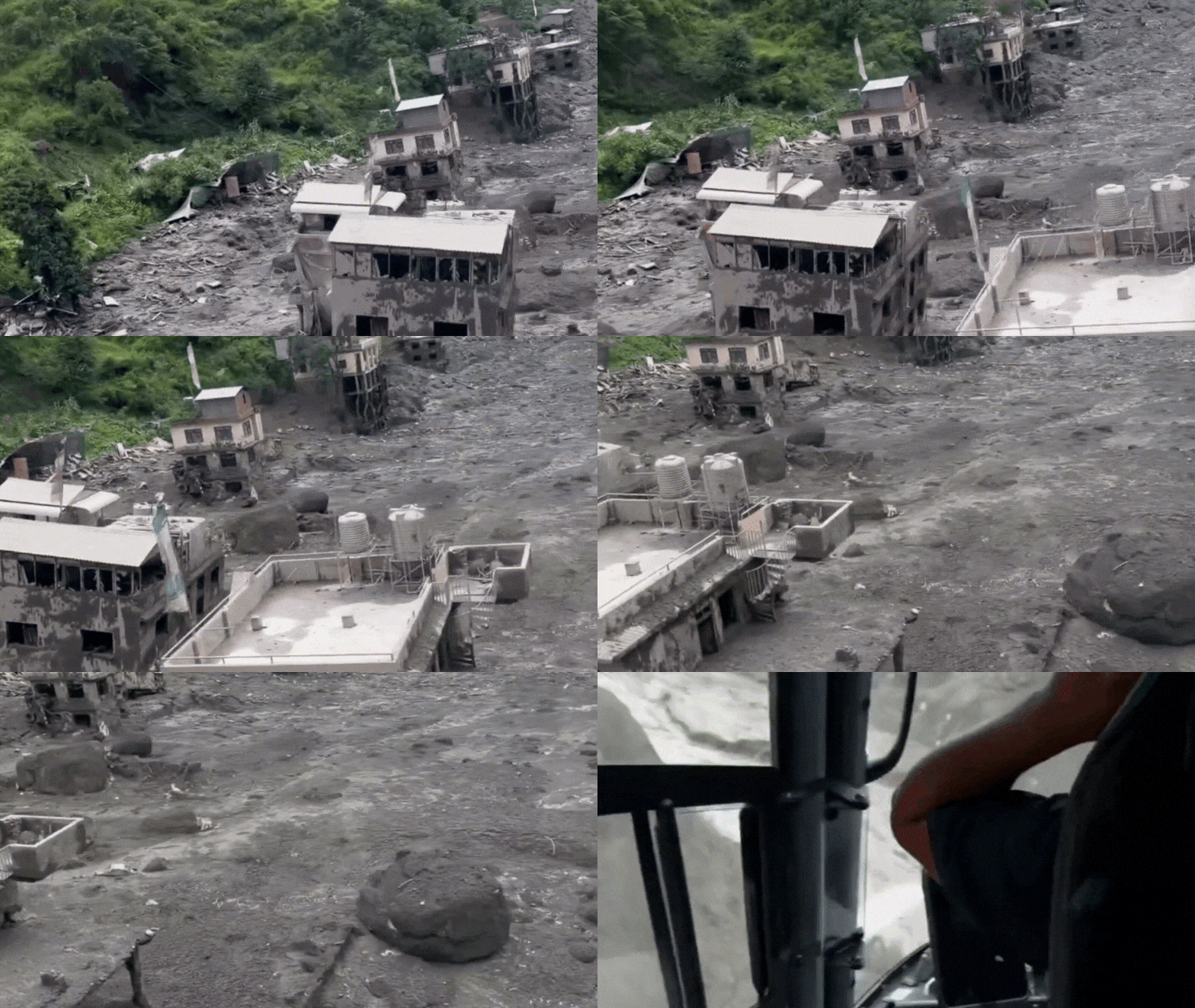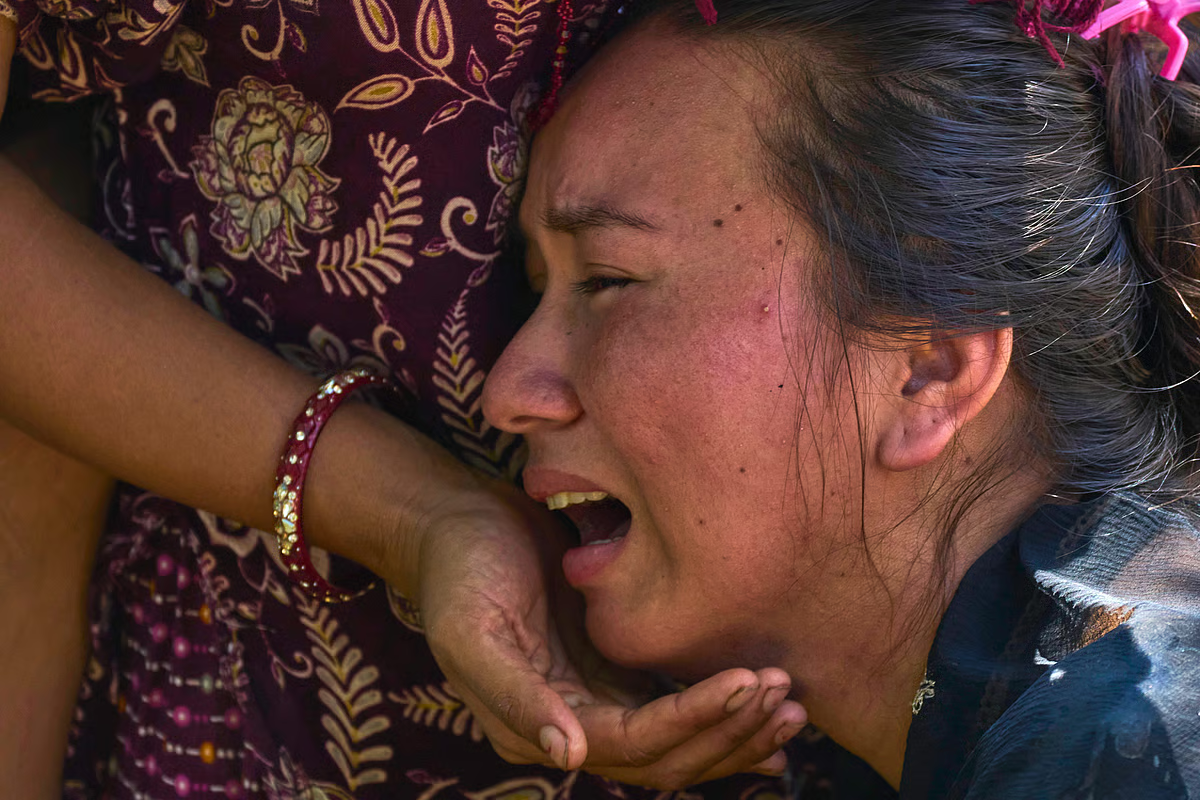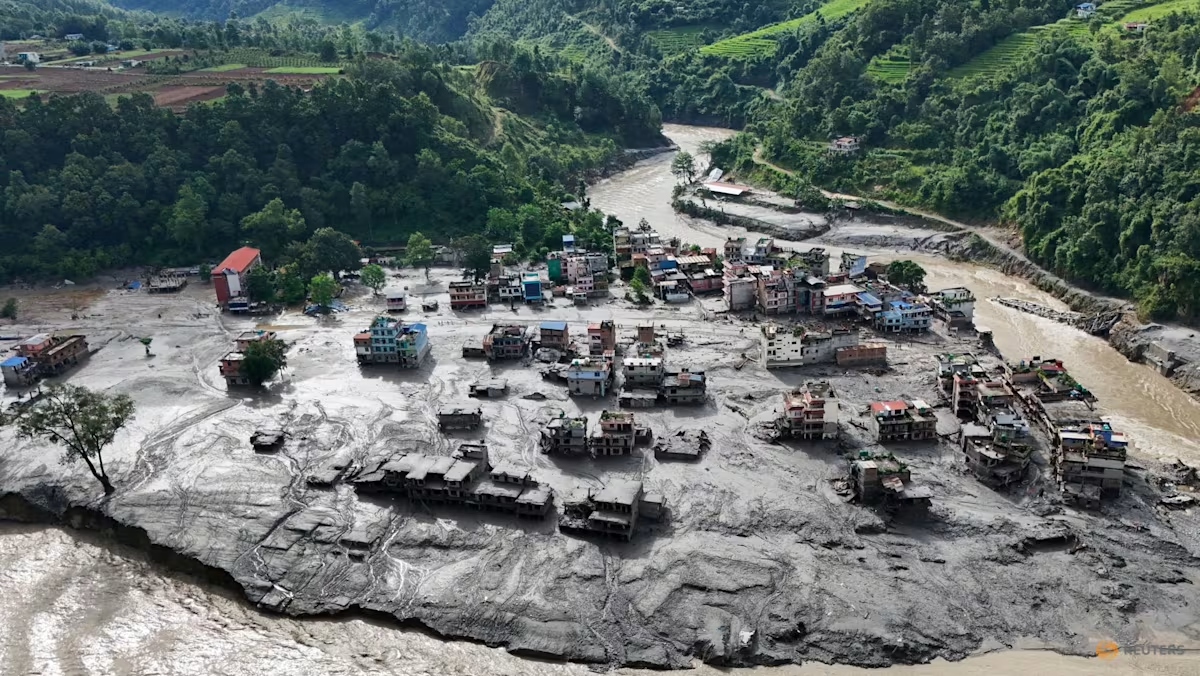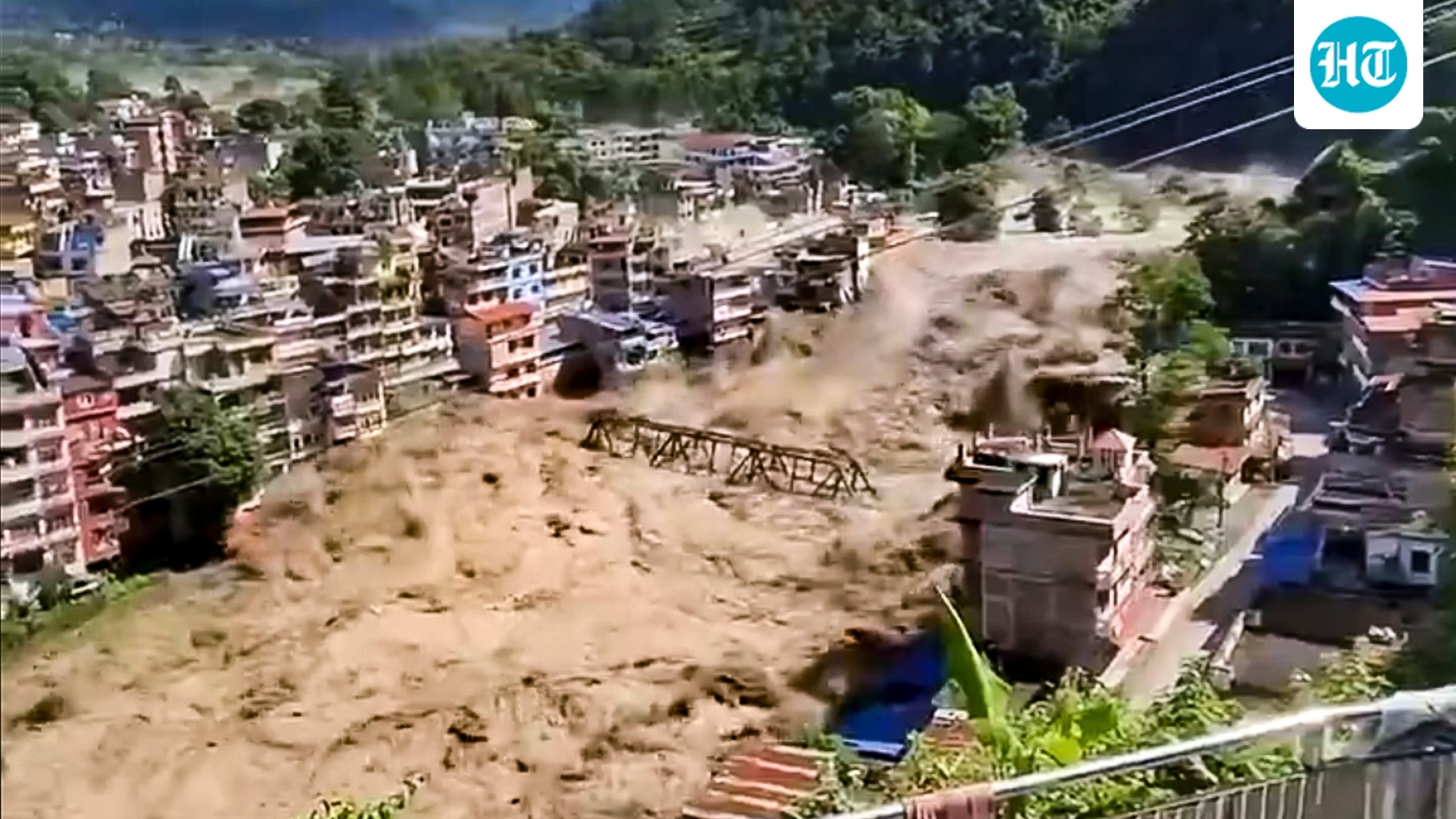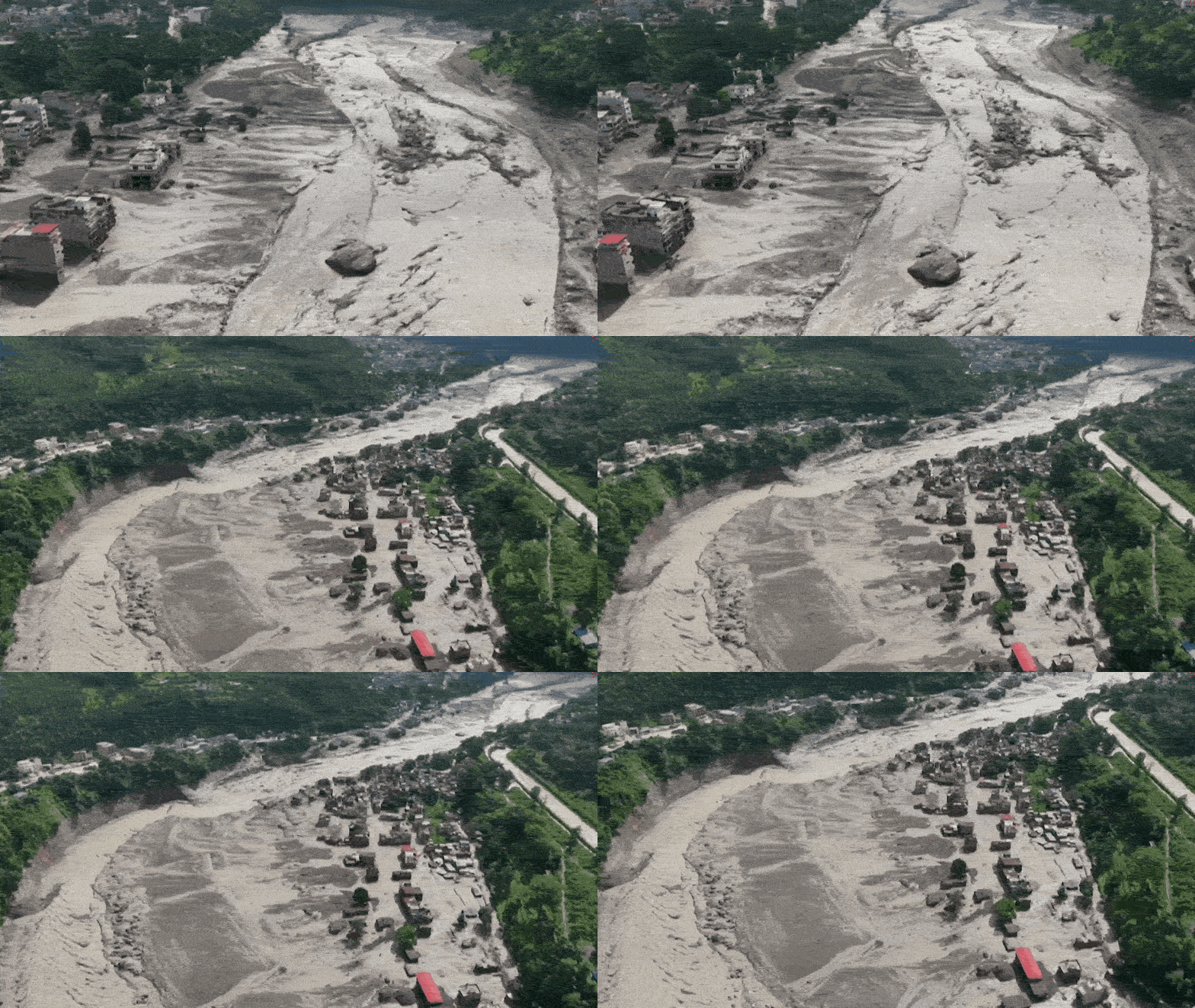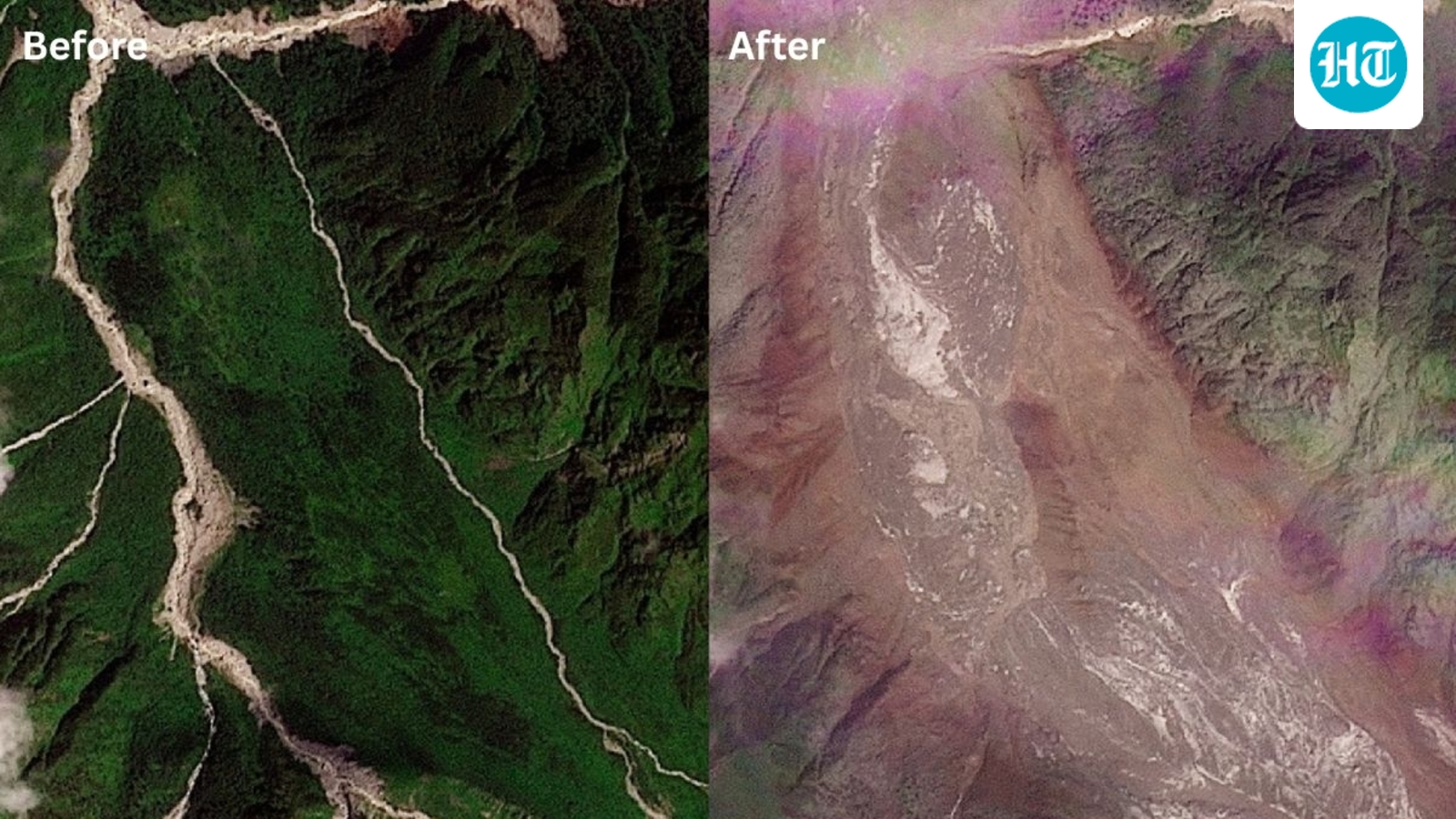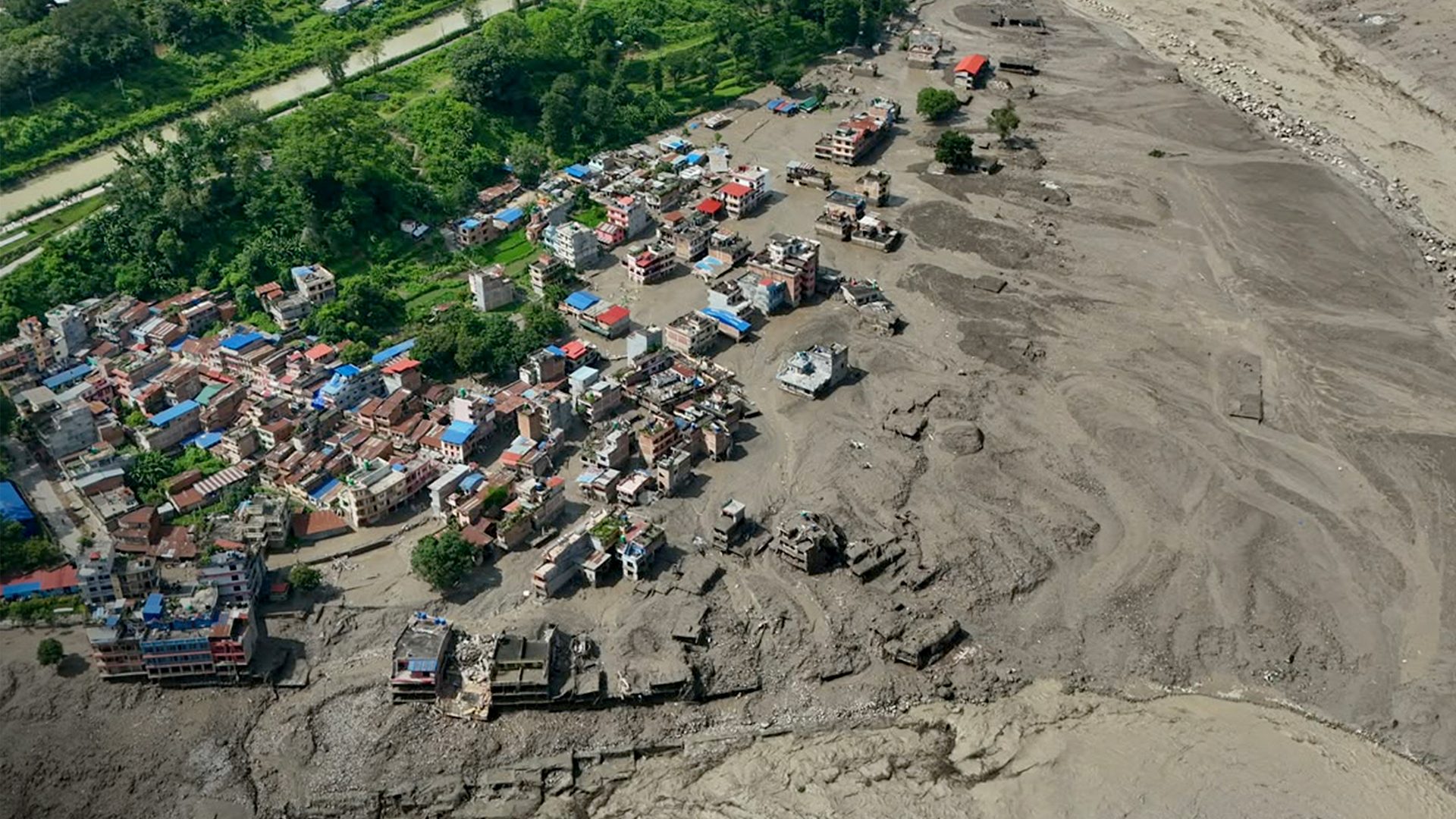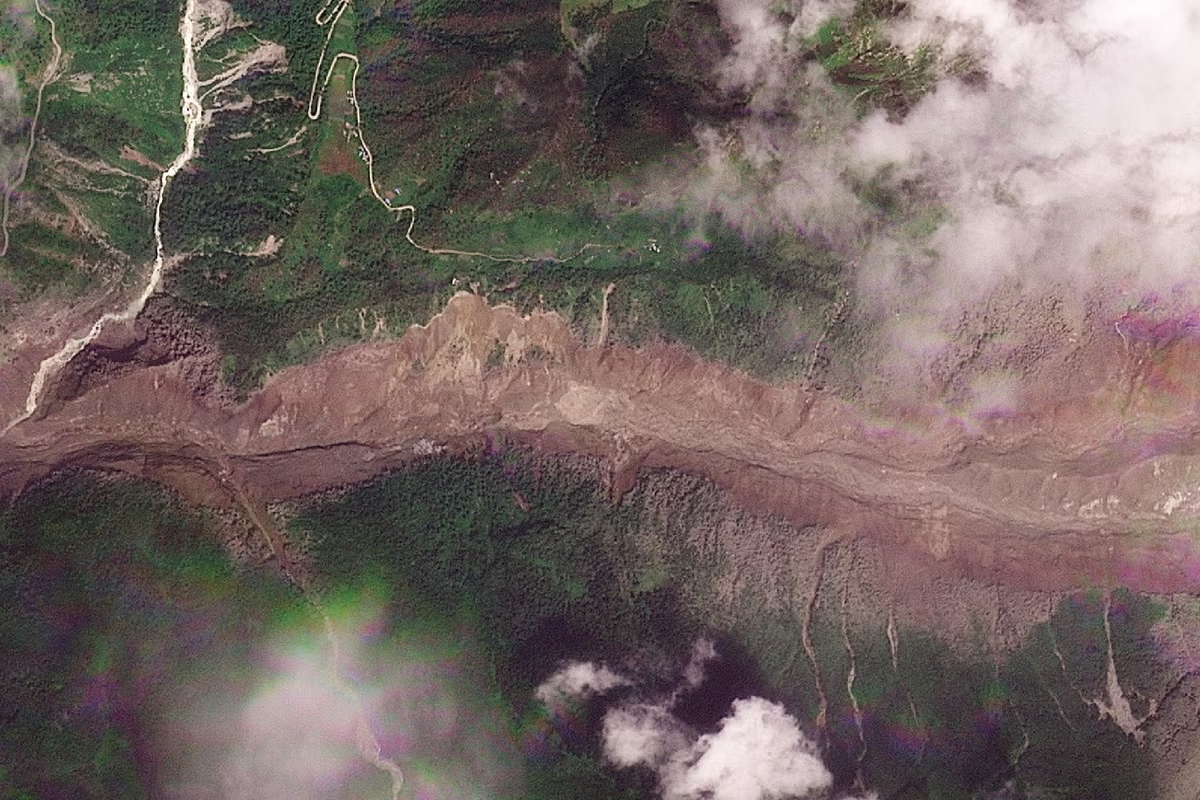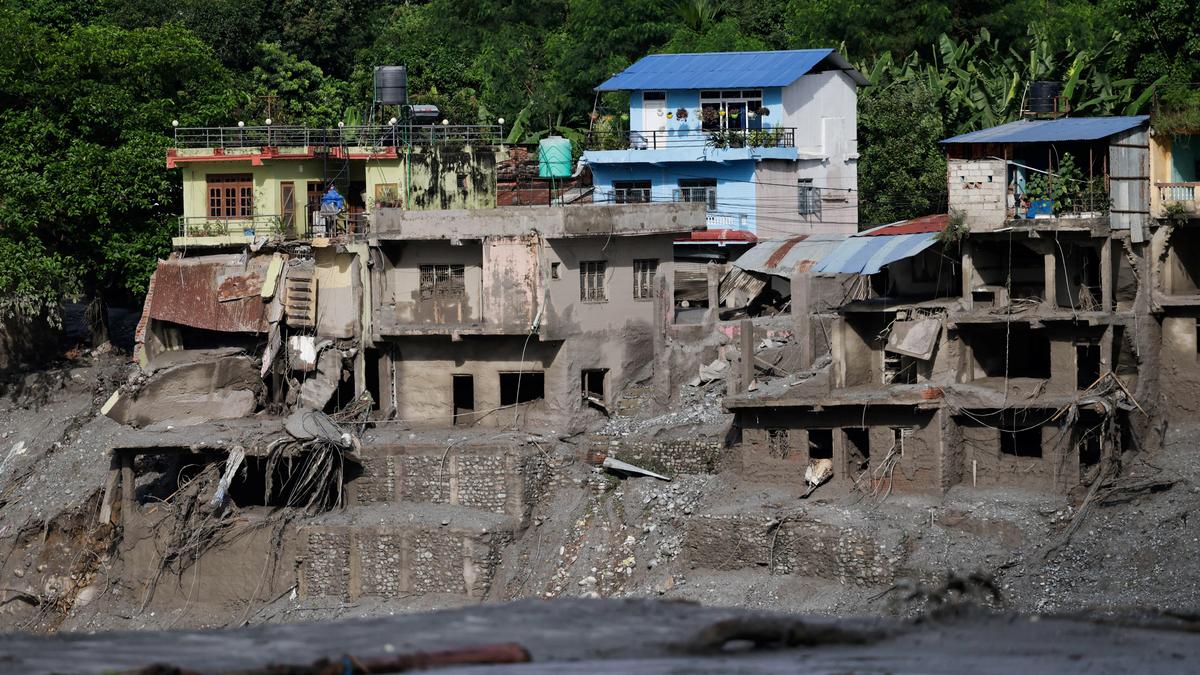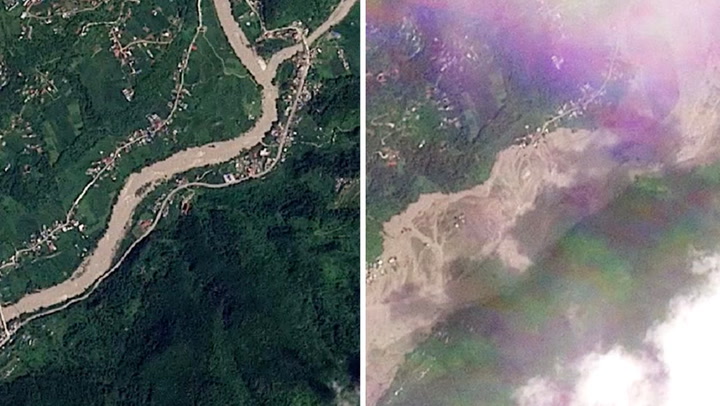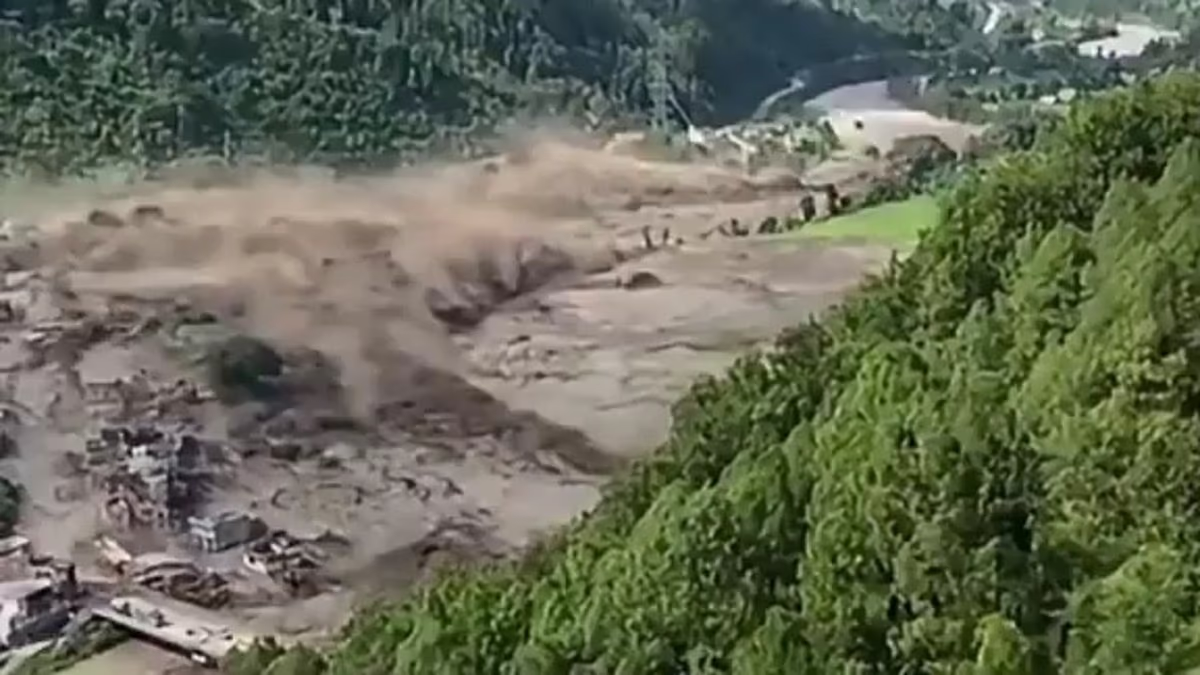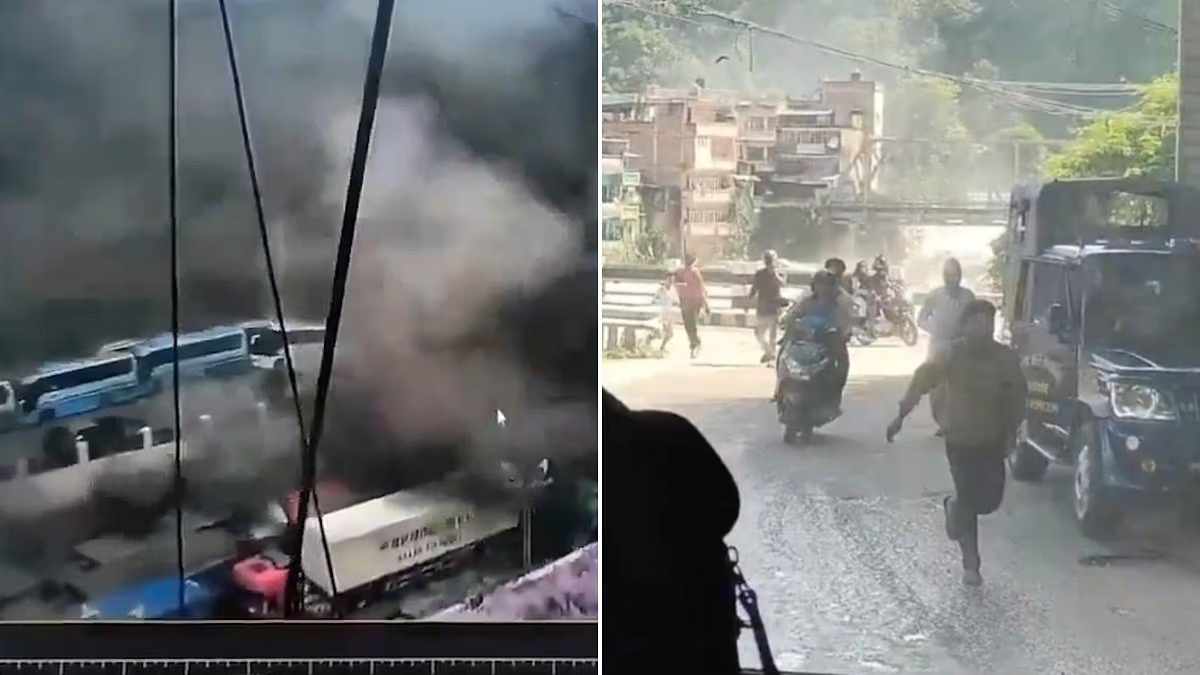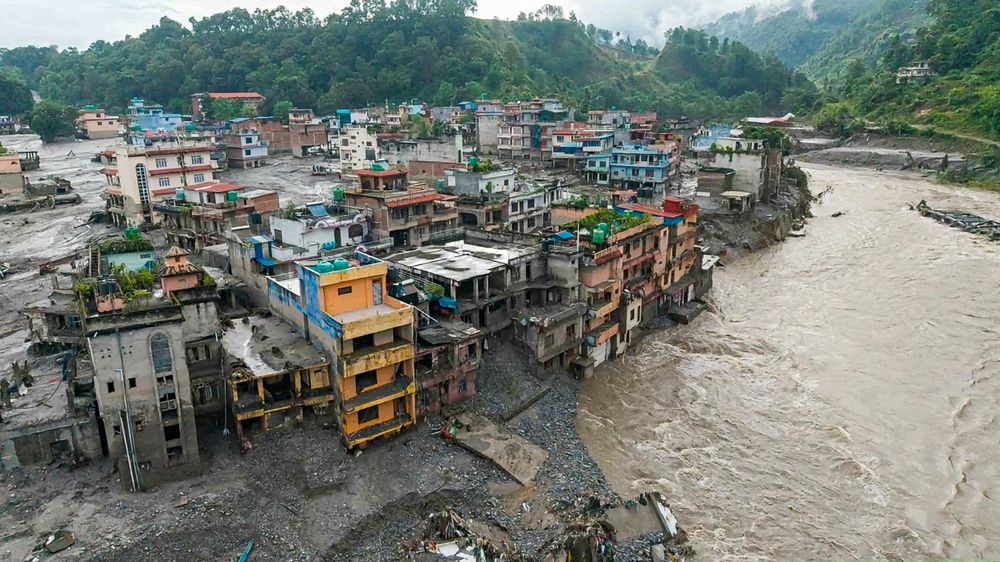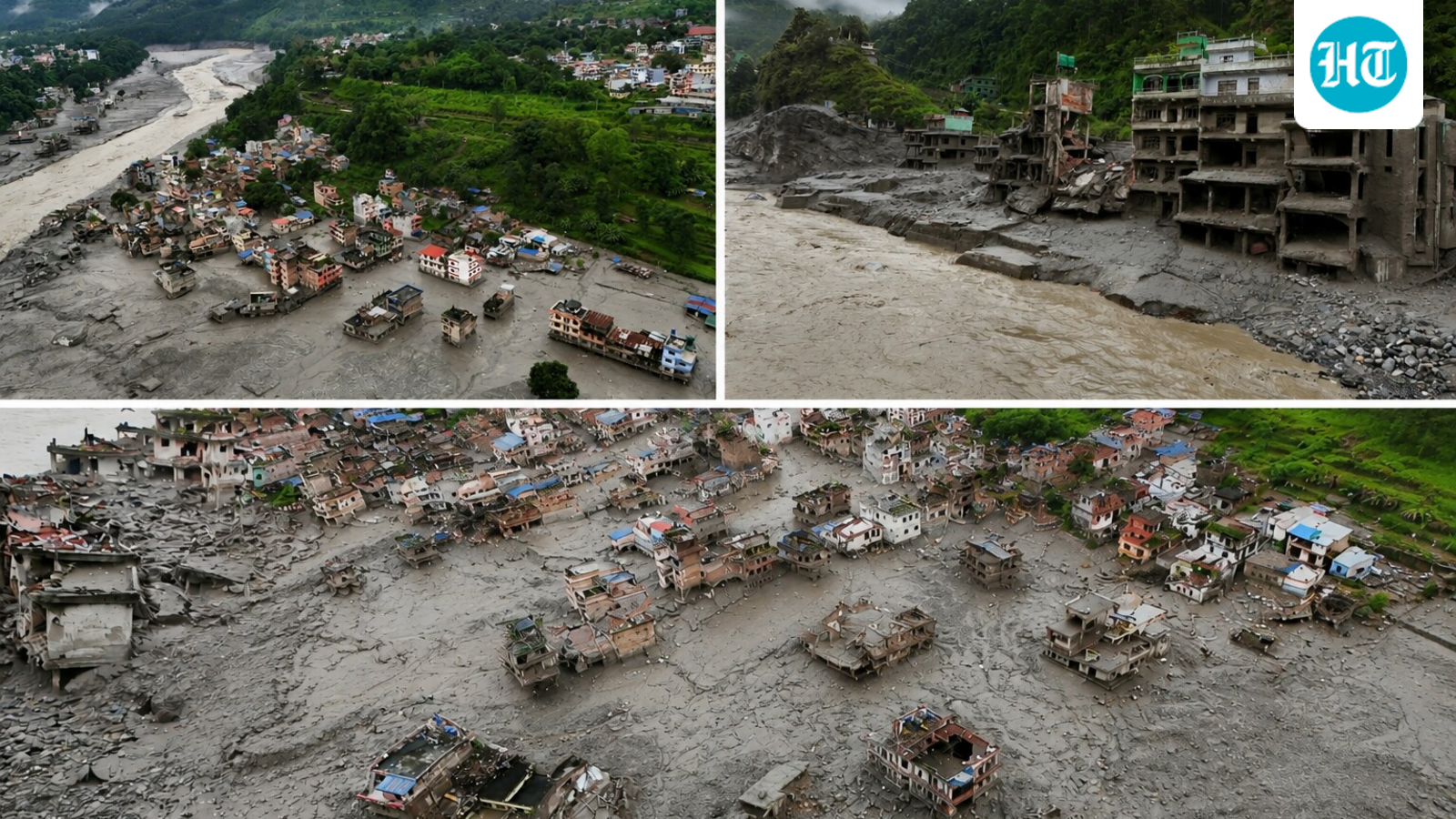
Drone footage from the affected areas showed roads destroyed and buildings buried under torrents of muddy water.Prefer HTon Google As Nepal reels from the devastation caused by massive flash floods, pictures and videos emerging from the disaster-hit areas show a trail of destruction, with homes and vehicles buried under mud and roads washed away.Vehicles were buried, while debris was left hanging from trees and wires. (Agencies)At least 162 people were killed after the floods struck communities along the Bhote Koshi River near the Tibet border, while hundreds of tourists, workers and others remain missing, including 133 Indians.Rescuers use an excavator to transport a flood survivor, following flash floods and a landslide disaster in Devghat, in Nepal's Nuwakot district. (AFP)Drone footage from the affected areas showed roads destroyed and buildings buried under torrents of muddy water.Track LIVE updates hereA man wades through muddy waters following devastating floods, in Trishuli in Nuwakot district, Nepal. (REUTERS)In Nepal’s worst-hit Nuwakot district, images showed buildings covered in mud up to what appeared to be their second floors. Vehicles were buried, while debris was left hanging from trees and wires. Some survivors were seen covered in mud.A man carrying his belongings moves through the debris following devastating floods, in Trishuli in Nuwakot district, Nepal. REUTERSThe steep valleys in the region serve as important economic and travel routes but remain highly vulnerable when disasters strike.Also read | What caused Nepal’s deadly floods? US monitor points to ‘glacier collapse’, not quakeGlacial collapse linked to floodsThe US Geological Survey initially reported a magnitude 4.4 earthquake early Wednesday, about 66 kilometres (41 miles) north of Kathmandu near the border. It later revised its assessment, saying the seismic event was a magnitude 5.2 glacial collapse that sent debris downstream and caused catastrophic flooding.Rescuers look for survivors among the mud and the rubbles of buildings following flash floods and a landslide disaster in in Devghat, in Nepal's Nuwakot district. (AFP)The USGS said its conclusion was based on data from nearby seismic stations, long-period seismic waves and satellite imagery, and that no earthquake had occurred.This handout video grab from a UGC footage of Nepal Army taken and released. (AFP)‘Warming Himalaya’ raises concerns“The Lhende Khola has flooded twice in 14 months, this time triggered by an ice rock avalanche from a glacier on the Nepal side that blocked the river and released a sudden surge downstream,” Saswata Sanyal, a disaster risk reduction specialist at the climate research group, was quoted as saying by news agency The Associated Press (AP).Also read | Satellite images show Nepal before and after devastating flash floodsSanyal stressed the importance of early warning systems in “a warming Himalaya.”Members of a rescue team carry the body of a victim following devastating floods, in Trishuli in Nuwakot district, Nepal. (REUTERS)The region experienced a similar flash flood in August last year after a glacial lake in Tibet overflowed amid high temperatures. Nine people were killed and key infrastructure, including a bridge linking Nepal and China, was damaged.A view of flood affected Benighat area in Dhading district, Nepal. (PTI)India offers assistancePrime Minister Narendra Modi spoke with Nepal’s Prime Minister Balendra Shah and offered assistance following the disaster.“India is prepared to provide Nepal with all possible types of humanitarian assistance. Our teams are closely coordinating on rescue and relief efforts,” Modi said on social media.Personnel unload boxes of emergency relief material from an Indian Air Force aircraft following its arrival in Kathmandu. India dispatched a 10-tonne humanitarian assistance package containing essential supplies to support immediate post-disaster search, rescue, and rehabilitation efforts following severe floods in Nepal. (@MEAIndia/X)Several United Nations bodies were also deploying resources to the affected region.“In an effort to meet what will clearly be massive humanitarian need,” U.N. spokesperson Stephane Dujarric said.Residents look at buildings and street submerged by mud following flash floods and a landslide disaster in Devighat. (AFP)Himalayas face growing climate risksThe Himalayan range stretches across several South Asian countries and is home to many of the world’s highest peaks and remaining glaciers.Its steep slopes and densely settled valleys are particularly vulnerable to floods and landslides. Intense monsoon events and glacier melt have become more frequent as temperatures rise because of human-caused climate change.Researchers in Kathmandu found earlier this year that glaciers across the Hindu Kush Himalaya region are melting at a faster rate, with ice loss rates doubling since 2000.(With inputs from AP)Follow the latest breaking news, major developments and agenda-setting stories from India and around the world with the newsdesk at Hindustan Times. Operating round the clock, the desk brings together experienced editors, reporters and correspondents to deliver fast, accurate and contextual reporting across subjects that influence public policy, governance, business, society and international affairs.
Pictures show trail of destruction in Nepal floods: People trapped in mud, vehicles buried as search on for survivors
Drone footage from the affected areas showed roads destroyed and buildings buried under torrents of muddy water. | World News
973 words~4 min read