Academia
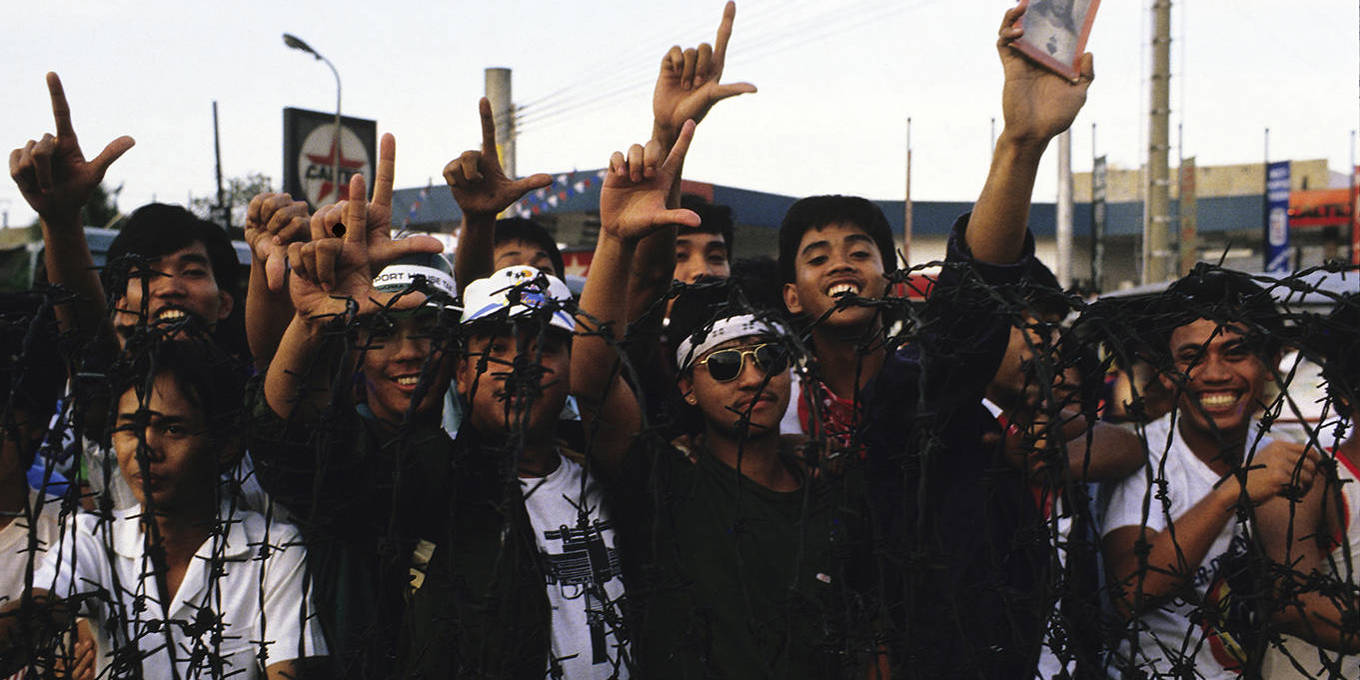
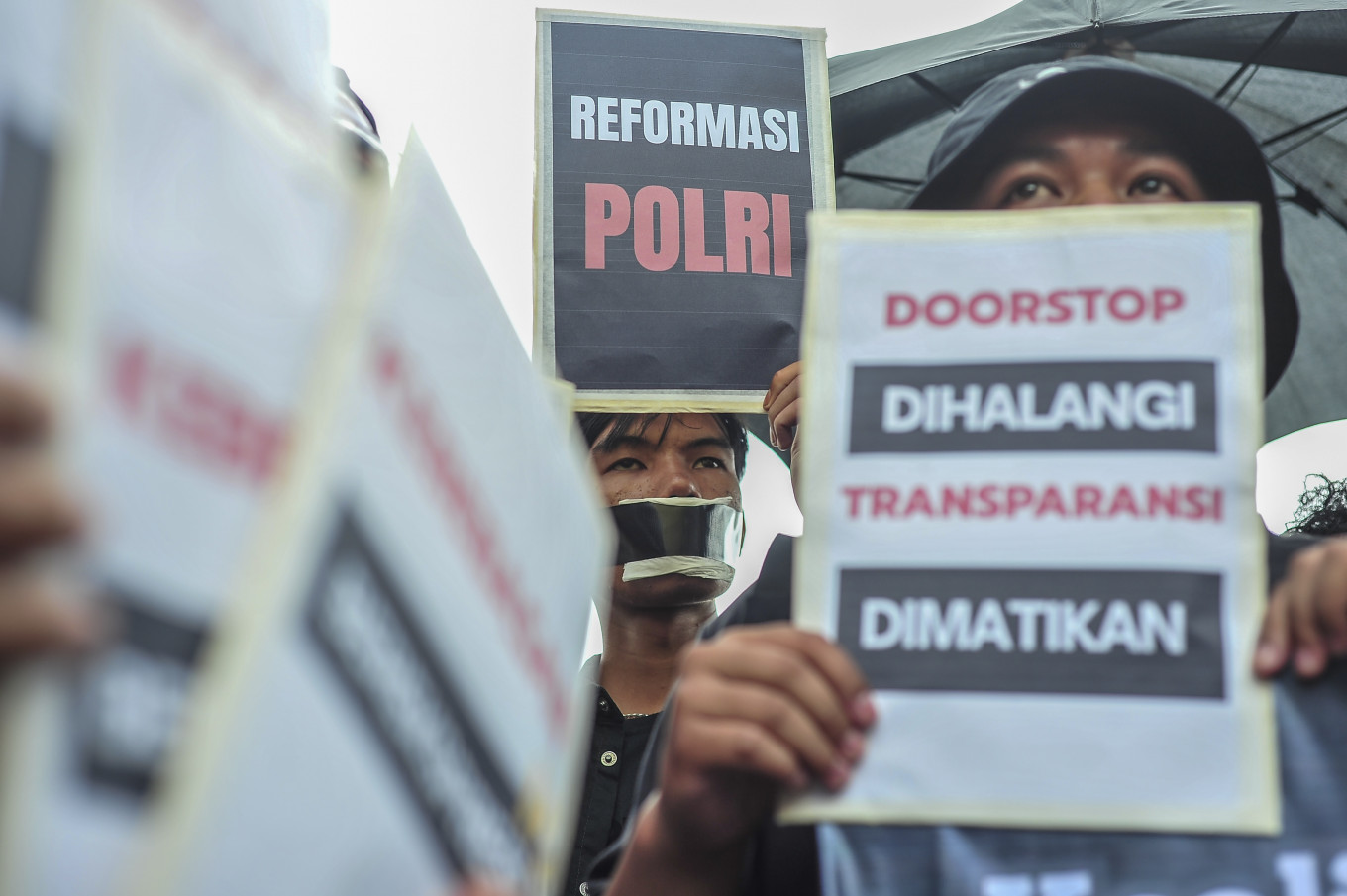
For all the horror of the Tiananmen crackdown, this period also brought extraordinary democratic breakthroughs elsewhere in Asia, as entrenched autocratic systems finally began to yield to democratic rule.
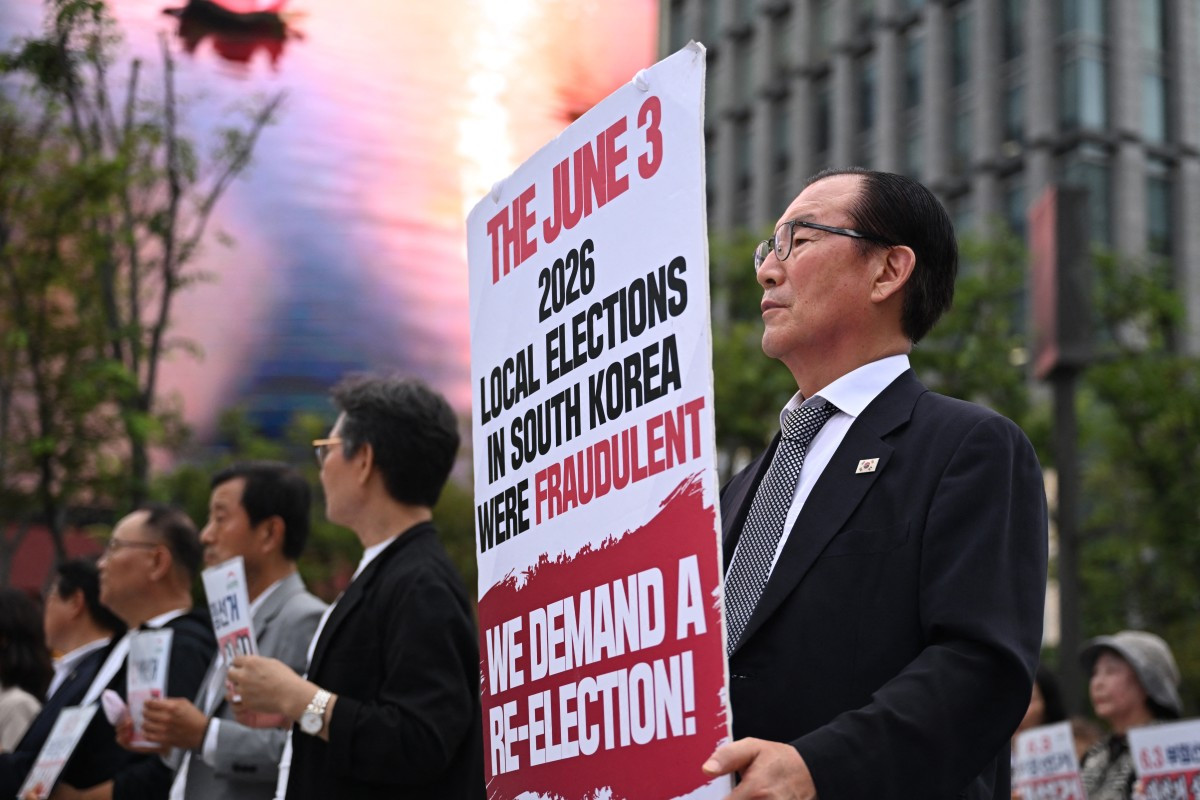
A man holds a banner claiming local elections held in June were fraudulent, during a protest demanding new elections on July 23 in Seoul. (AFP/Greg Baker)
Sixty years ago, harsh autocratic rule dominated a region at the eastern edge of a continent. Quixotic quests for political change seemed to have little chance of succeeding — until they did. By the end of the 20th century, competitive elections had become the norm, and former political prisoners were leading governments. Despite recent setbacks, voters in one of these countries just reversed years of authoritarian drift, joining forces to oust a would-be dictator.I could be describing Central and Eastern Europe’s trajectory from the Cold War to the recent election defeat of former Hungarian Prime Minister Viktor Orbán. But my description applies just as well to East and Southeast Asia.
In 1966, autocratic rule prevailed in the Philippines, Taiwan and South Korea, with determined democratic activists devoting decades to causes that often seemed hopeless. They endured brutal crackdowns, including South Korea’s 1980 Gwangju Massacre, which came 12 years after the Prague Spring was crushed and just before martial law ended Solidarity’s first great surge in Poland.