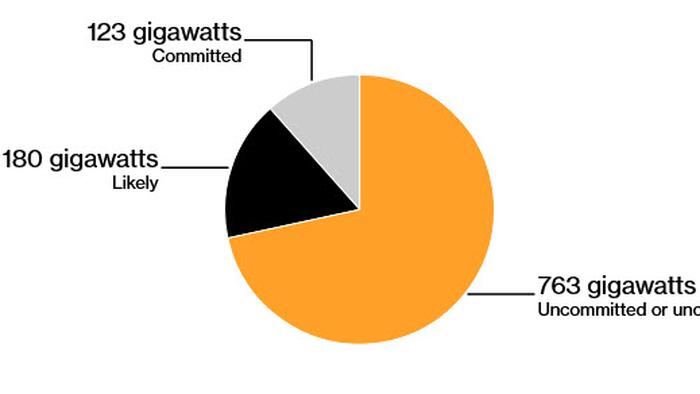
The AI buildout has a physics problem. U.S. data centers are projected to need roughly 68 gigawatts of new power capacity between 2026 and 2028, according to a Morgan Stanley report from mid-August 2026. About 30 gigawatts of that can be covered by existing construction and contracted grid capacity. The remaining 38 gigawatts has no clear answer yet.
Why the grid cannot keep up
Grid interconnection requests in some regions of the United States take five to seven years to process and complete. The hyperscalers building AI infrastructure want capacity now, or at minimum within the next two to three years. Those two timelines do not overlap.
That mismatch is pushing data center operators toward what the industry calls “behind-the-meter” solutions, power generated on-site rather than pulled from the broader grid. Morgan Stanley estimates that natural gas turbines alone could add 15 to 20 gigawatts of capacity through this approach. Other technologies in play include fuel cells and nuclear co-location, where a data center is physically built adjacent to an existing or new nuclear plant.
Local opposition and labor shortages are adding friction even to these faster paths. The report flags both as significant obstacles.