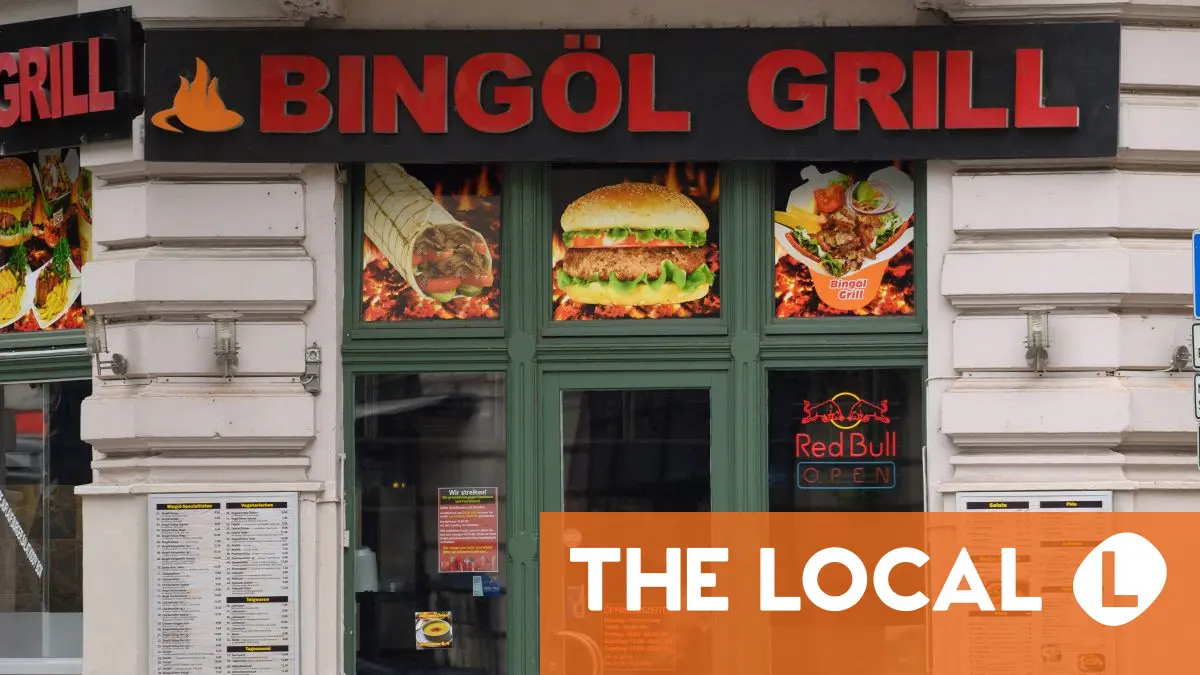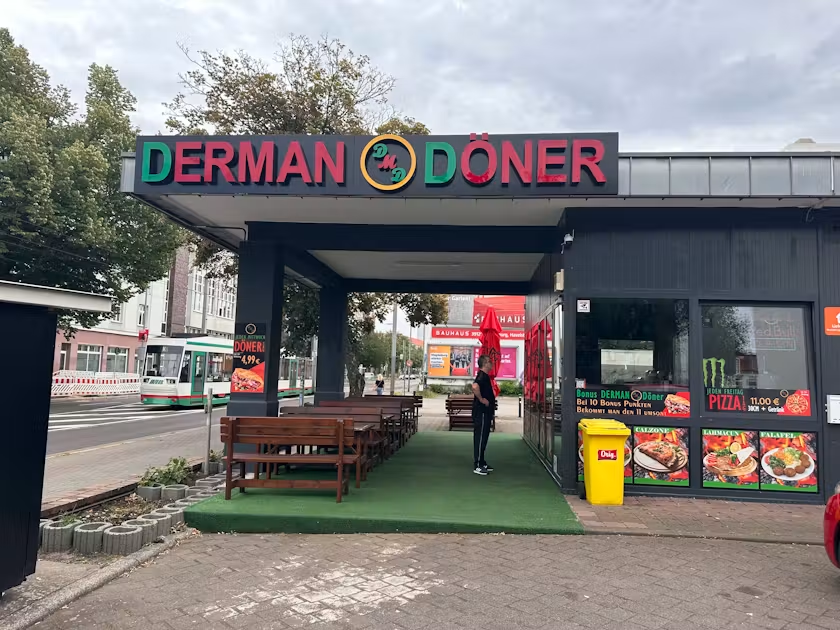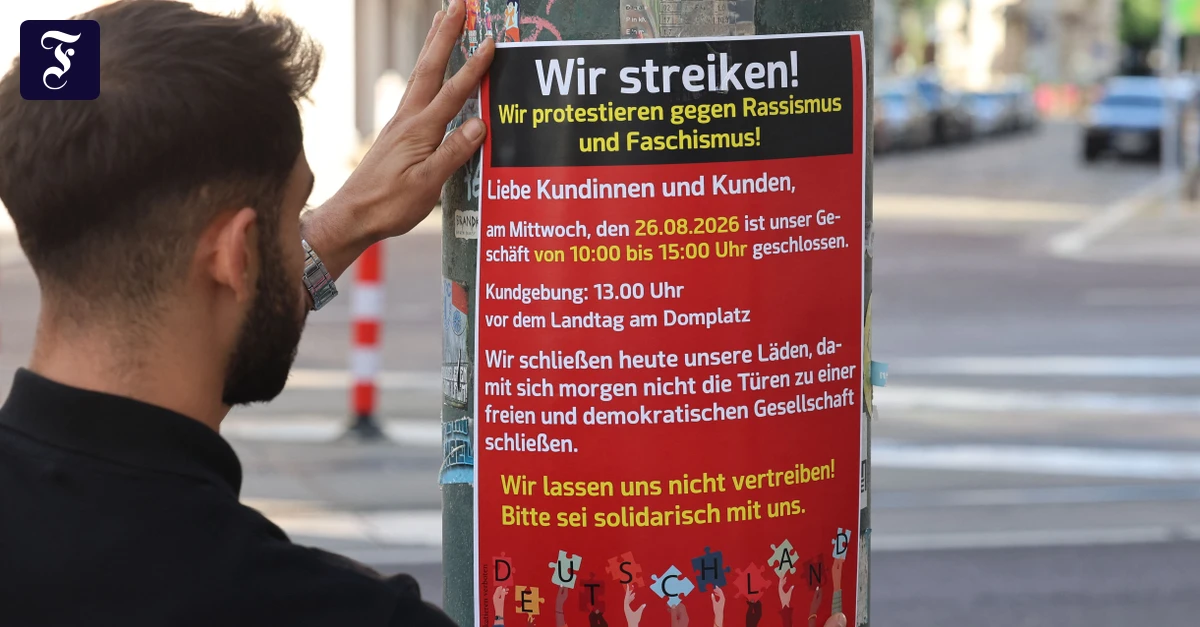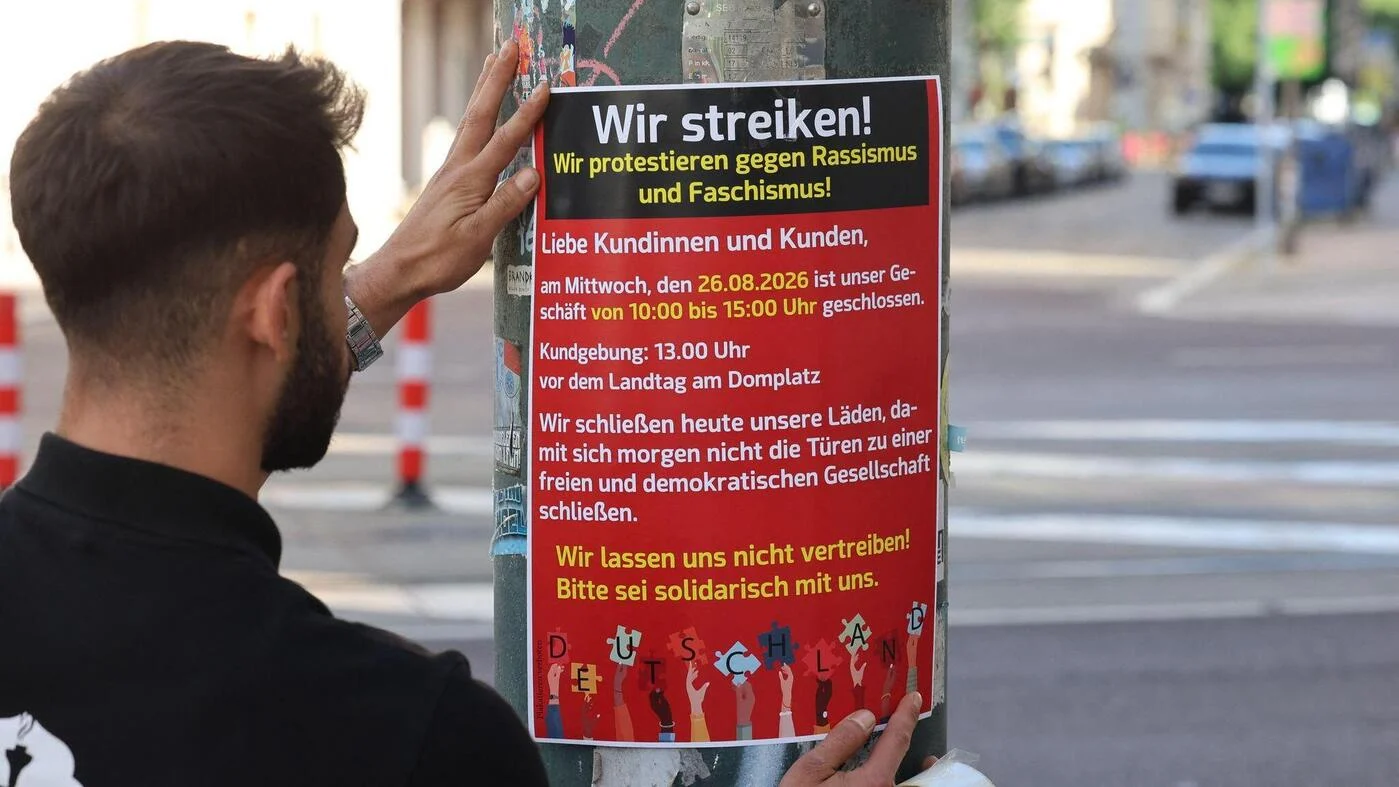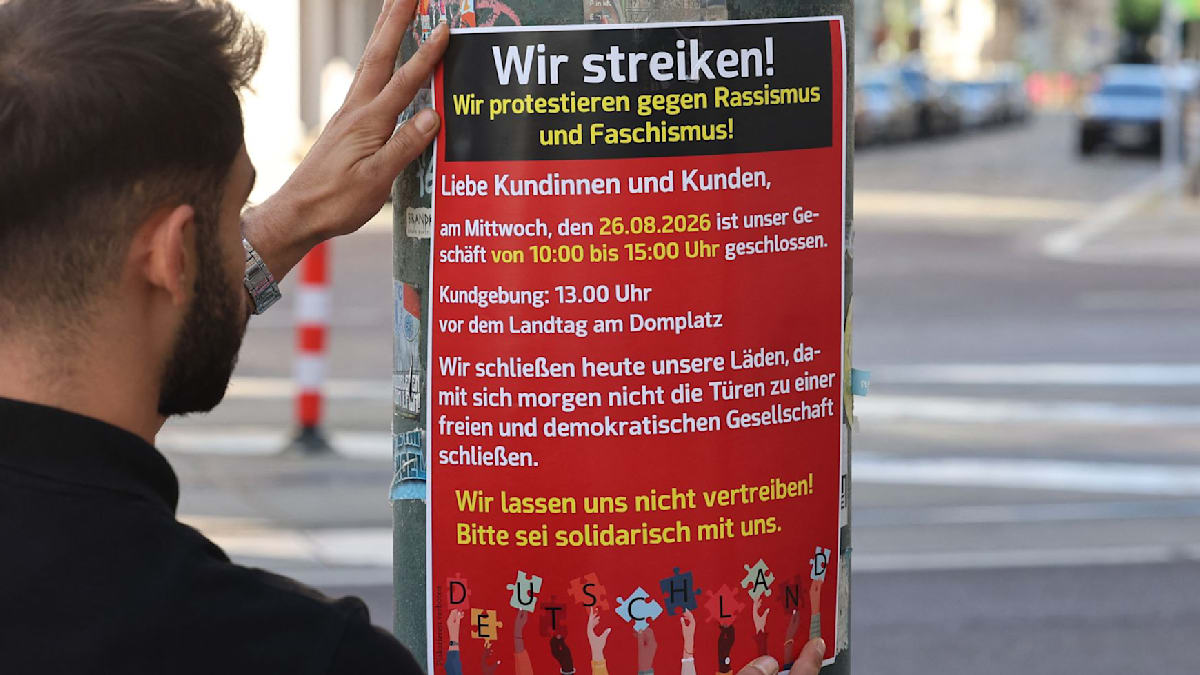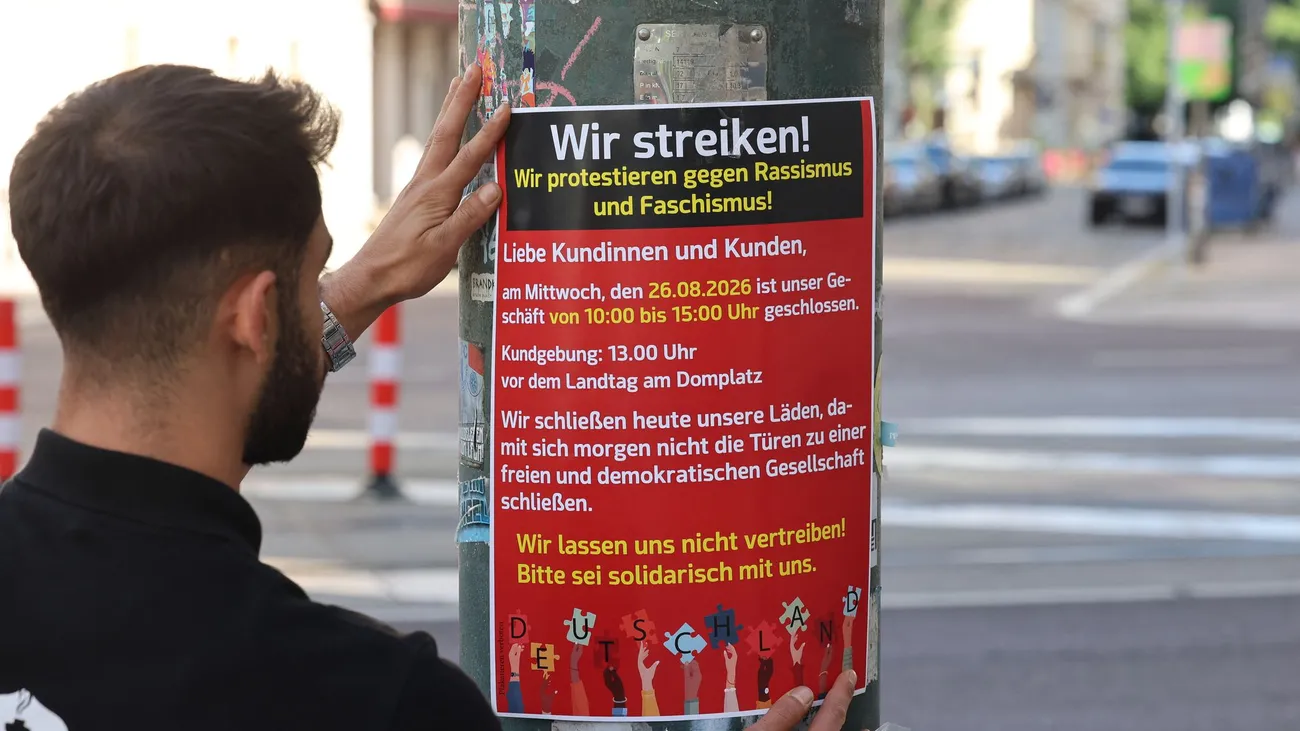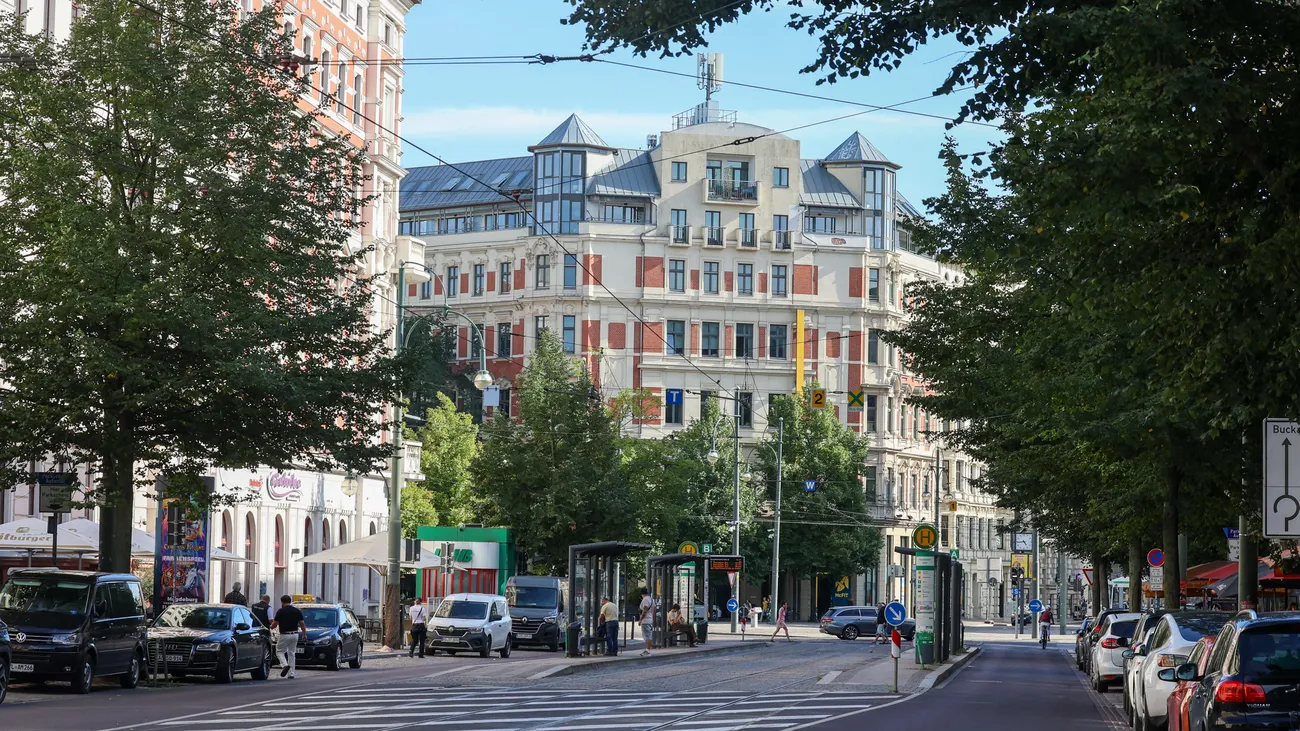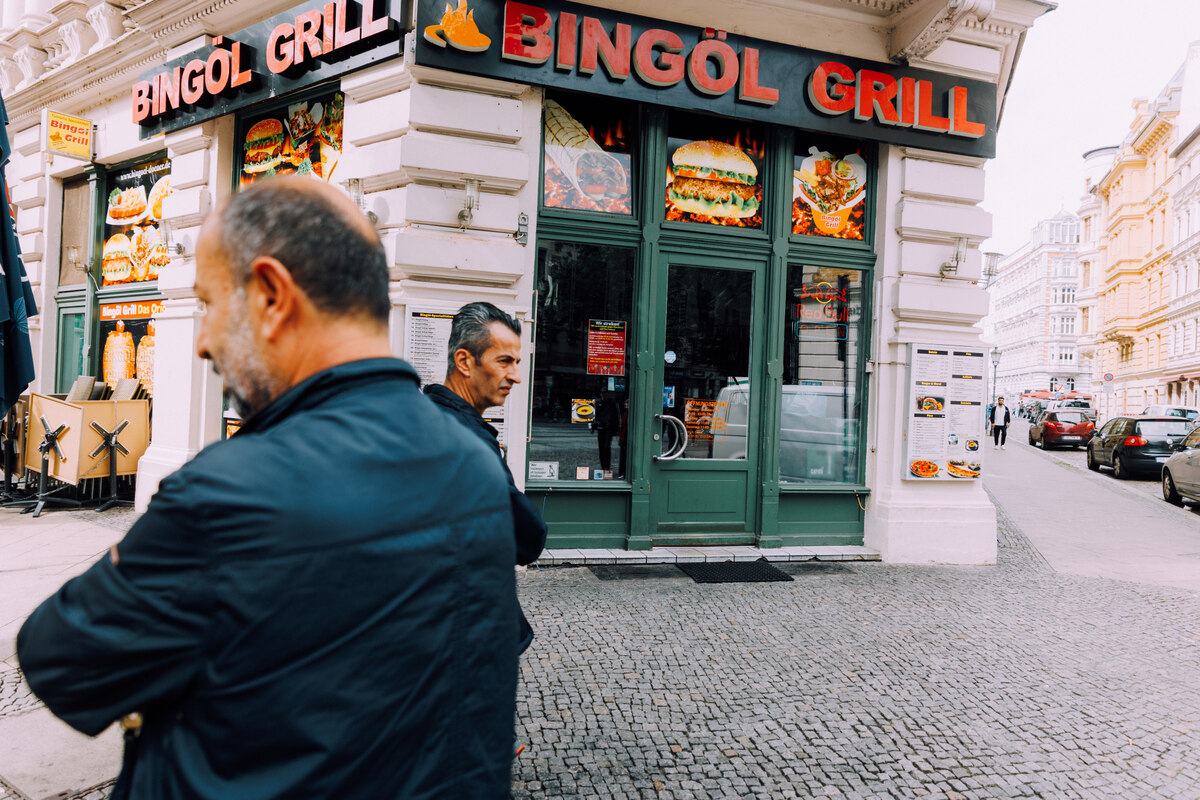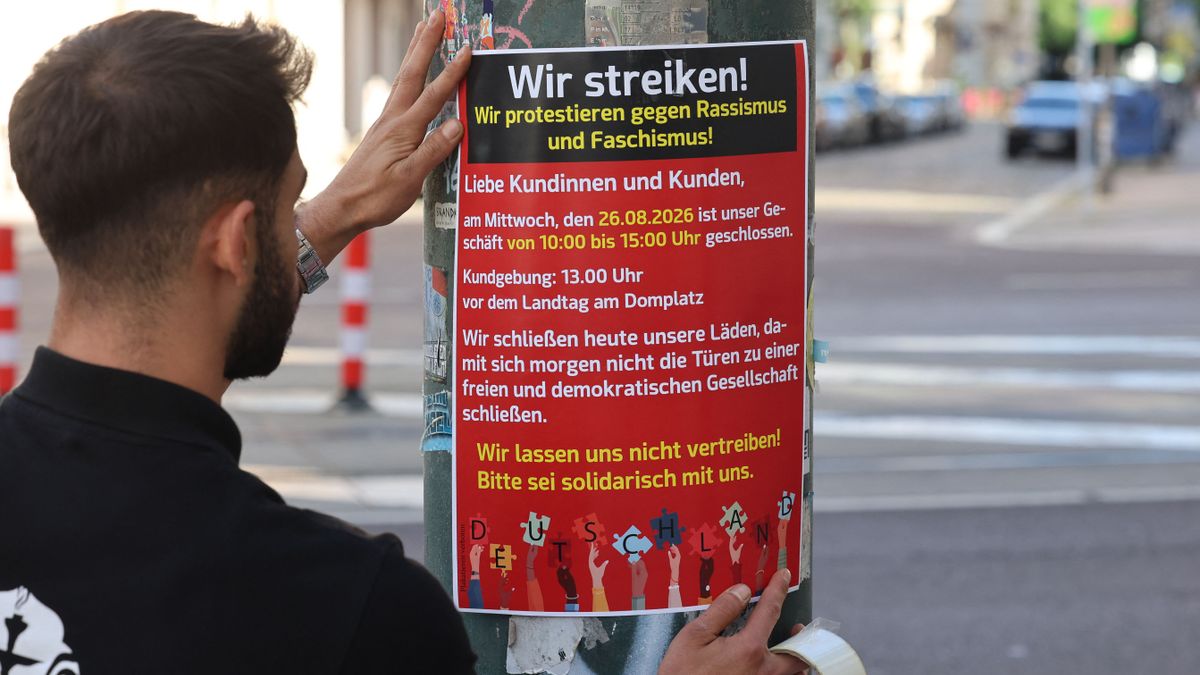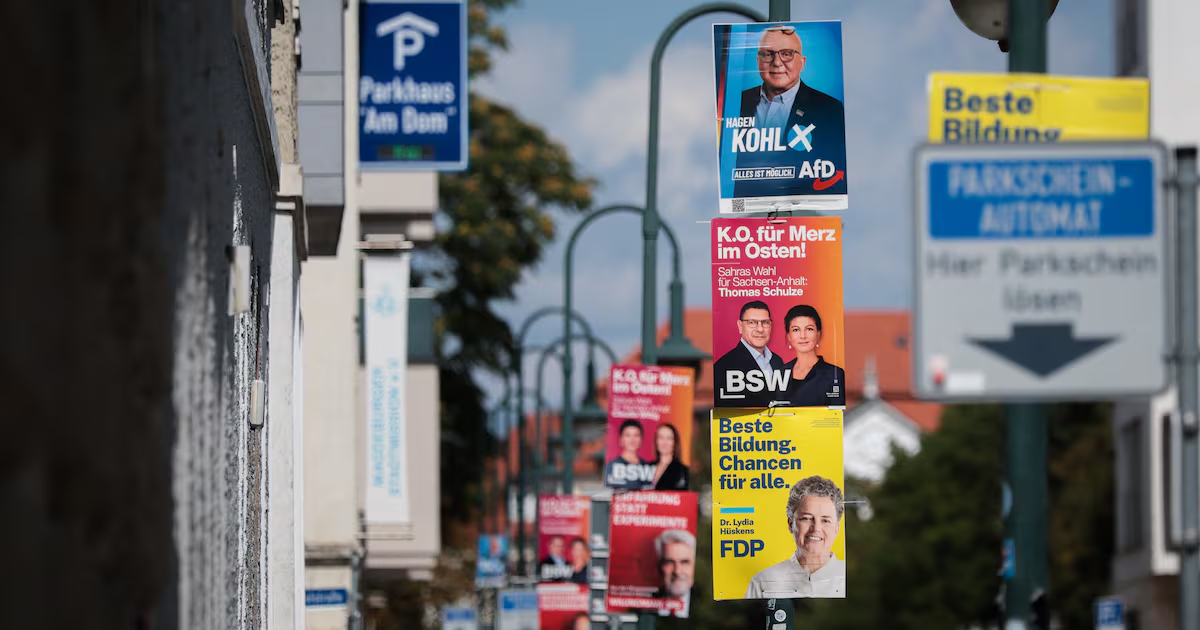
Some 10 days before a crucial German state election in Saxony-Anhalt, owners of kiosks, restaurants, barber shops and more closed their doors on Wednesday in protest.Their campaign, by foreign nationals and naturalised German business owners, was in protest at what they see as rising racism in the eastern German state – and the scapegoating of migrants in the political debate.About 150 businesses joined the day of action in the state capital, Magdeburg, followed by a rally outside the state parliament building.After a September 6th state poll, that parliament could see Germany’s first government lead by the far-right Alternative for Germany (AfD).“Don’t allow yourselves be divided into foreigners and Germans,” organisers said in a rally poster. “Society must stick together.”Saxony-Anhalt, in former East Germany, has one of the weakest economies while its foreign national population, at about eight per cent of the total, is the third-lowest among the 16 federal states.In the decade since the 2015-2016 migration crisis, however, migration has become the most effective vote-getter among the AfD.[ Ulrich Siegmund: AfD’s scent specialist smells victoryOpens in new window ]At national level the party links immigration to crime and flirts openly with a policy of “remigration”, which can mean anything from removal of failed asylum seekers to forced deportation of non-ethnic Germans.In Saxony-Anhalt, meanwhile, the party is polling at 43 per cent and close to winning an absolute majority on September 6th. In power, it has promised a “180-degree about-turn” in migration policy and would outlaw “culturally alien” migration – without spelling out in detail what this would mean in practice.Local AfD candidate Ulrich Siegmund says he does not support mass deportations but his election programme pushes for an end to the fundamental right to asylum and a more proactive “departure culture” in the refugee and asylum sectors. The party promises to end all inward migration of non-EU nationals, an end to welfare contributions for EU nationals who are not German citizens and sweeteners to lure back German skilled workers to the state.A protest against the far-right Alternative for Germany (AfD), including supporters of Antifa, in Saxony-Anhalt. Photograph: Sean Gallup/Getty Images For Saxony-Anhalt’s Refugee Council, an organiser of Wednesday’s strike, calls for mass deportations and the exclusion of people with a migration background trigger fear of whether they have a long-term future here.“We no longer want to remain silent towards a kind of politics that encourages racism, exclusion and questions belonging,” said Saaeid Saaeid, the refugee council spokesman. “People who might not have spoken out before recognise now that we are many and we can raise our voice together.”The strike was about increasing the visibility of migrants, as crucial pillars of the healthcare sector and trades, he said, but also about “showing these are people who belong, who don’t have to justify their existence through their labour”.Many businesses in Saxony-Anhalt have expressed concern that an AfD victory next month will create a new struggle to attract skilled workers to the region, on top of rising cost battles and supply-chain struggles.Supporters of the far-right Alternative for Germany arrive to hear AfD lead candidate Ulrich Siegmund speak at a campaign rally in Saxony-Anhalt. Photograph: Sean Gallup/Getty Images [ Right-wing AfD on a roll ahead of crucial election as it taps into East German nostalgiaOpens in new window ]“This will be a very challenging election, and I see a considerable nervousness among our members,” said Nora Schmidt-Kesseler, head of the Northeastern Chemical Association, a sector that is one of Saxony-Anhalt’s biggest employers. There is little to no dialogue between the AfD and business owners, she said, while her industry fears the party lacks sufficient experience to navigate a “very, very difficult and challenging economic situation”.On EU level issues such as migration/asylum or trade, she said, concern is palpable among business-owners over whether the AfD recognises the needs of industry for “certain things being properly adhered to within Europe”.
Migrant-led businesses strike over rising racism before key East German vote
Shops, restaurants and barbers close in Magdeburg as campaigners warn far-right AfD surge is fuelling fear and division
644 words~3 min read