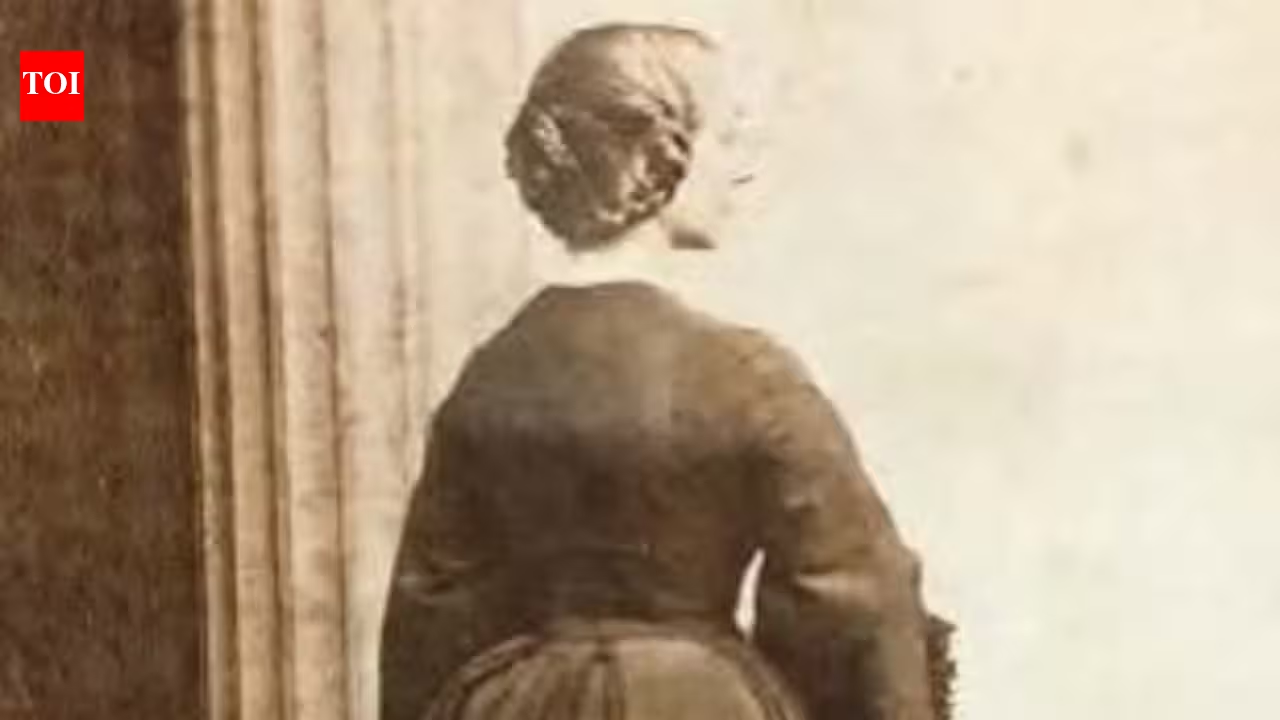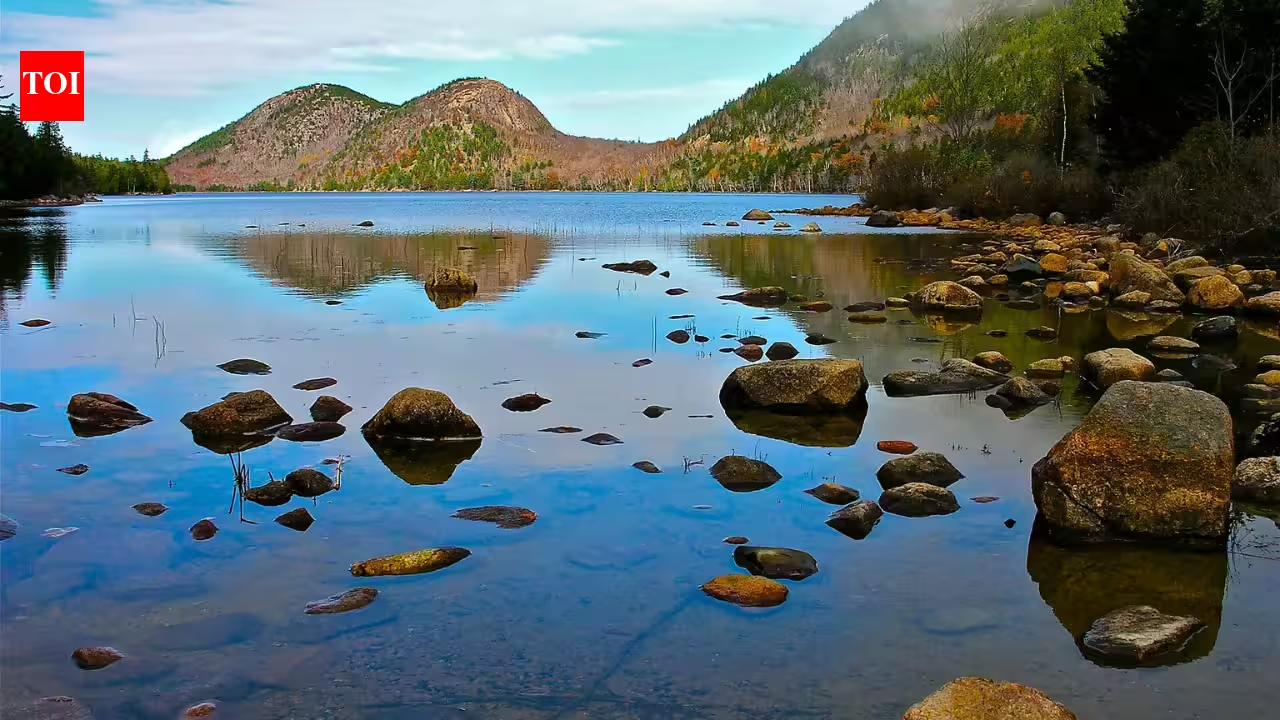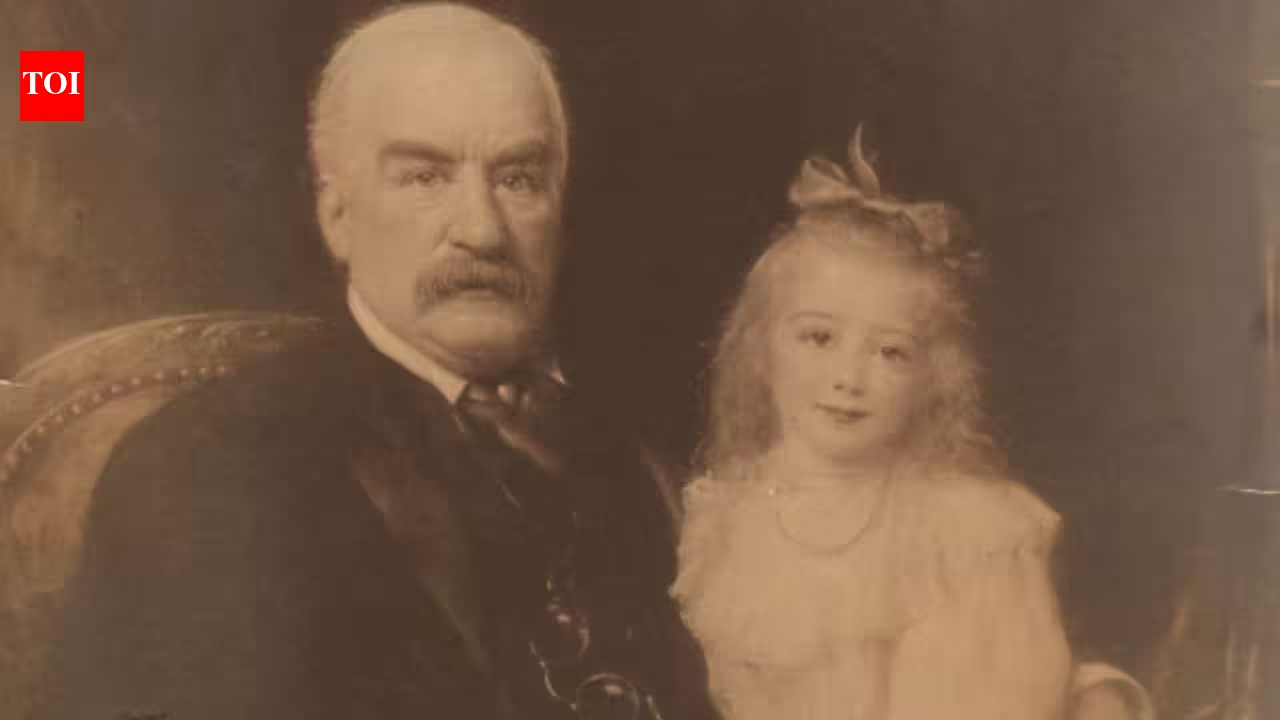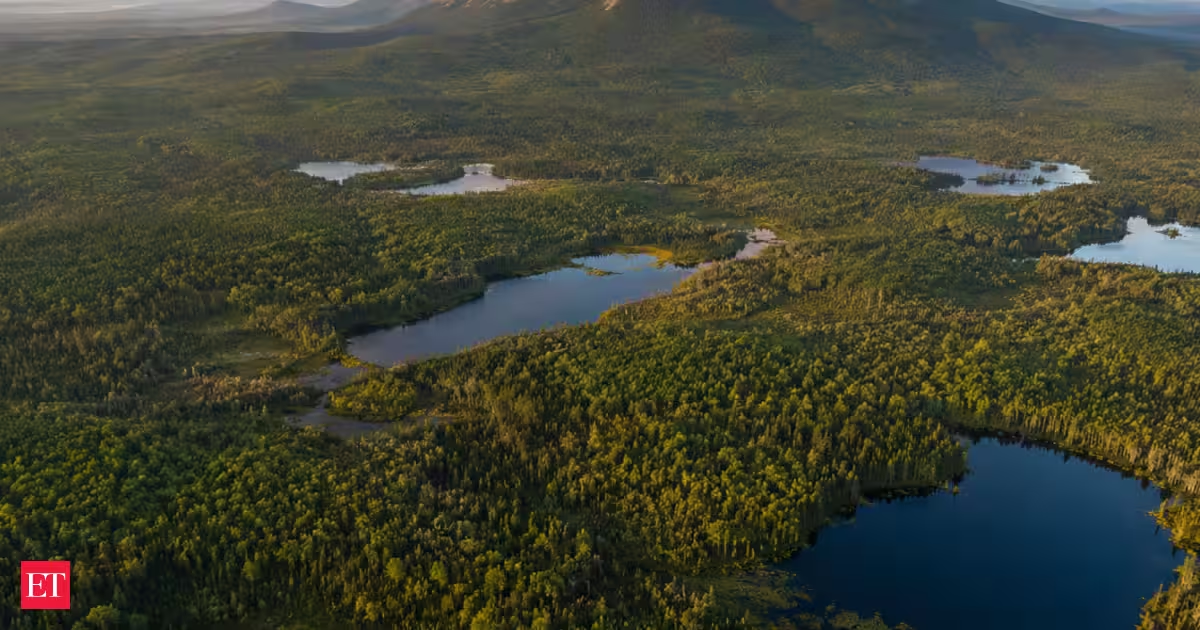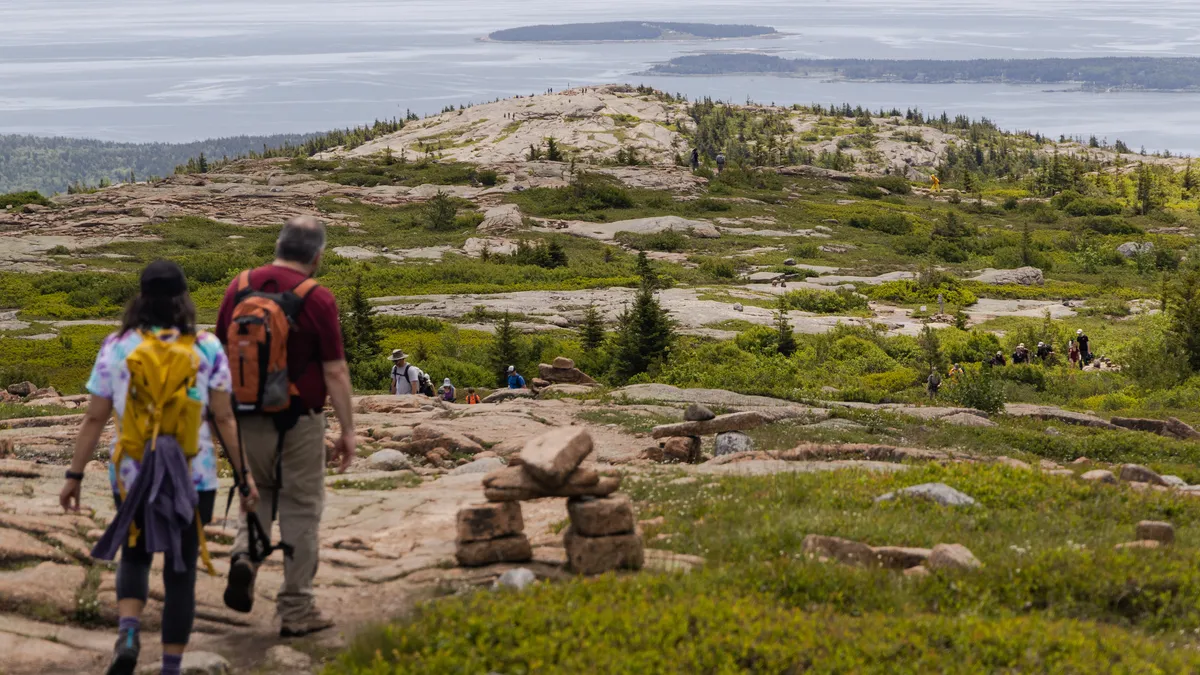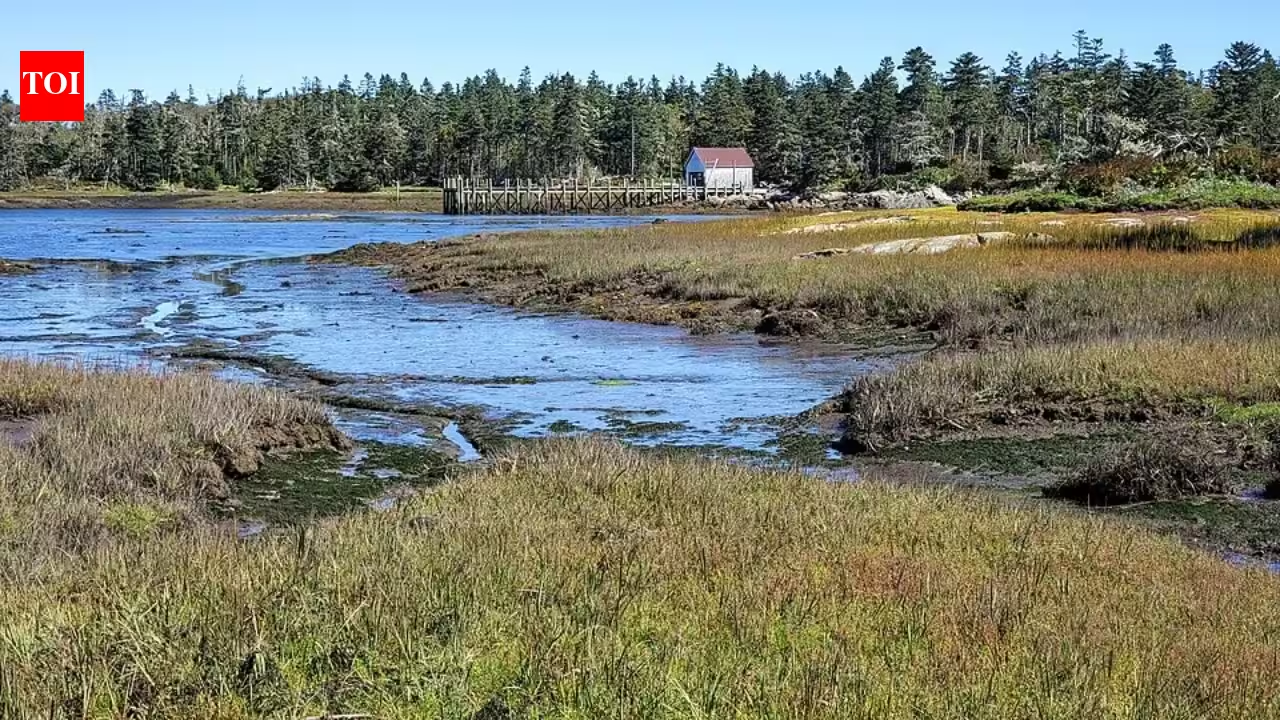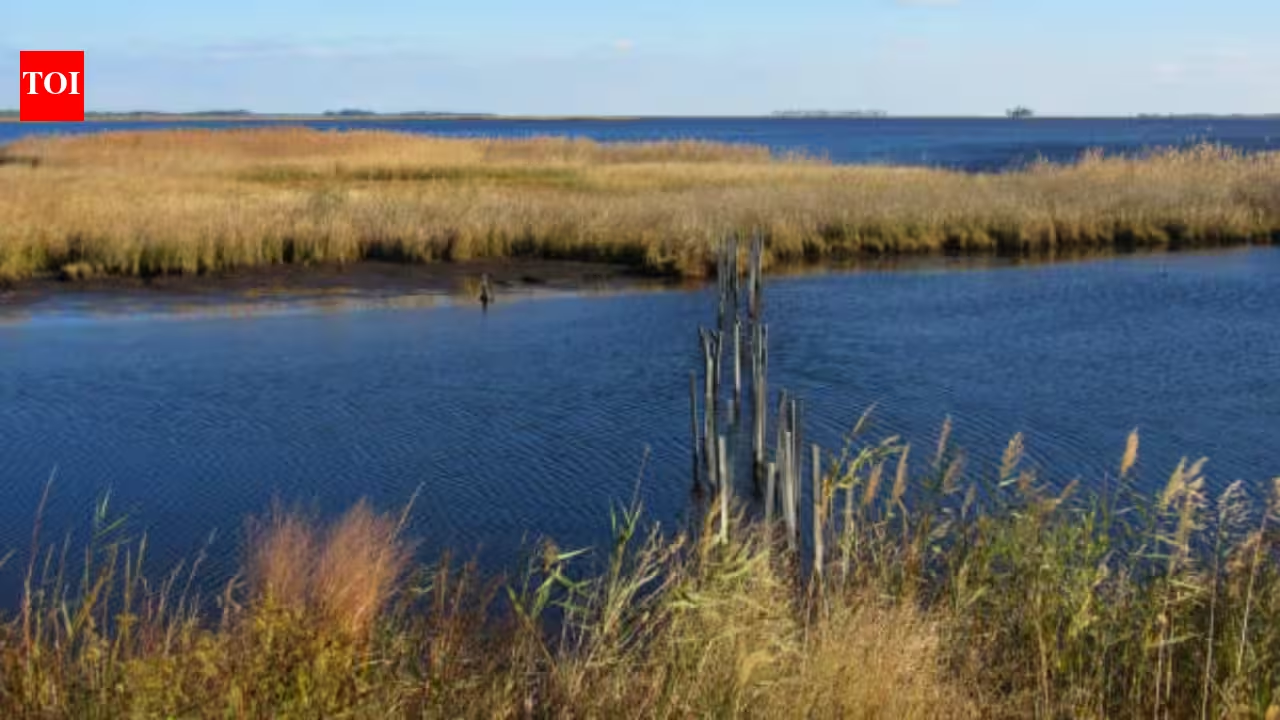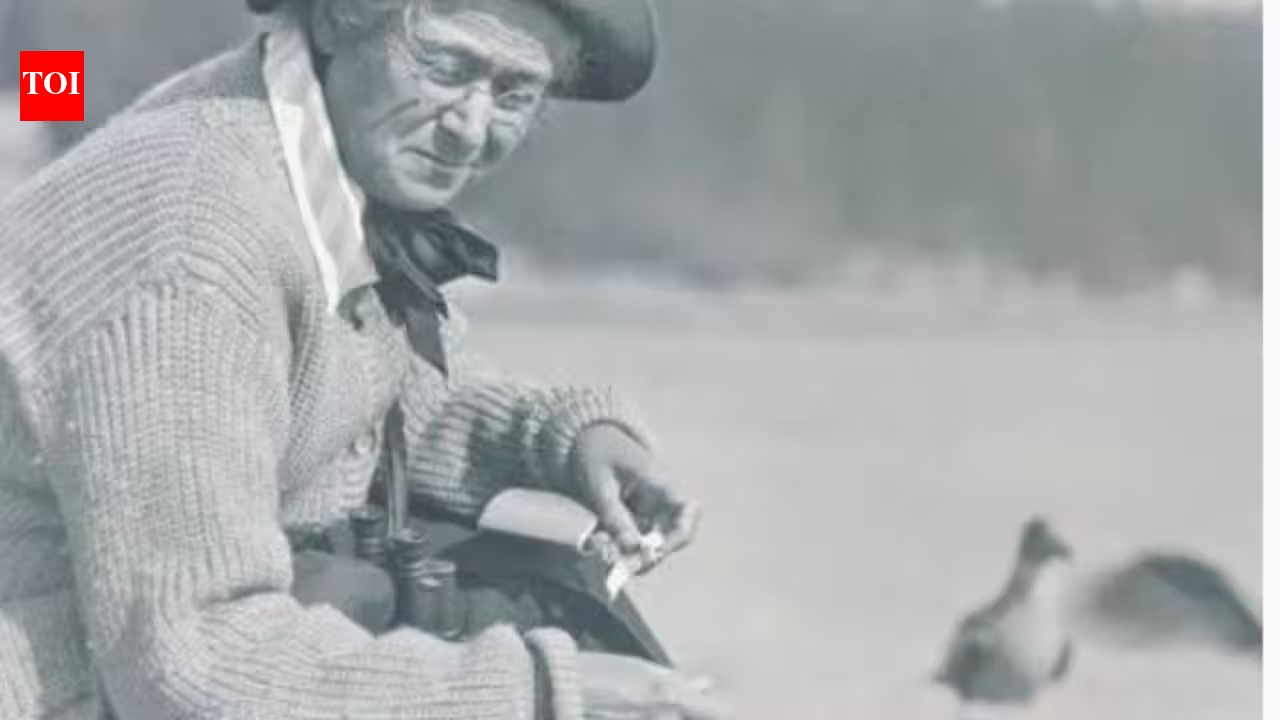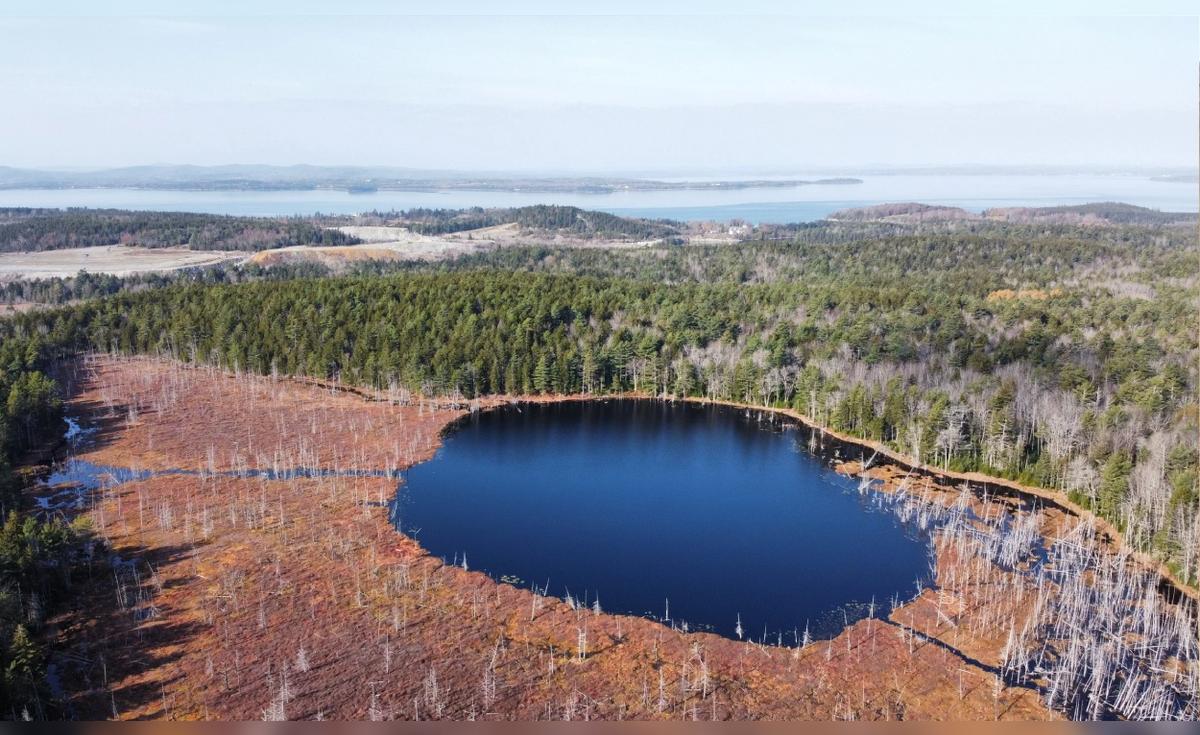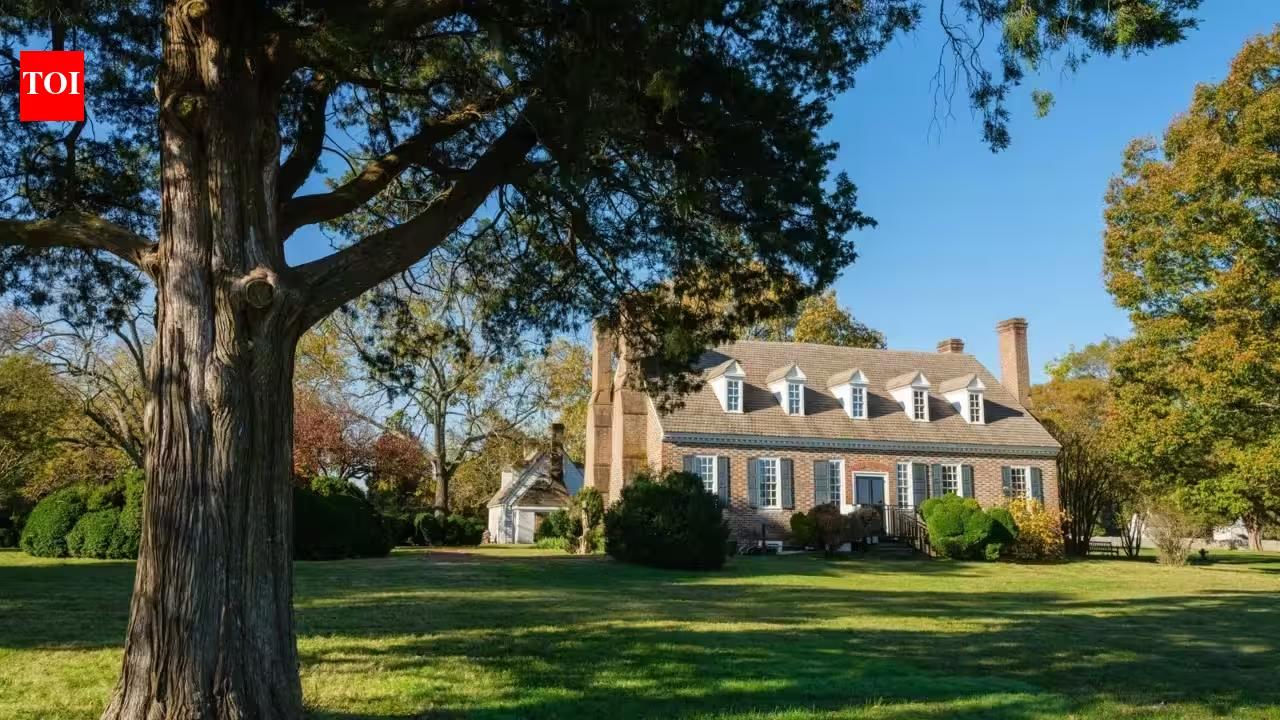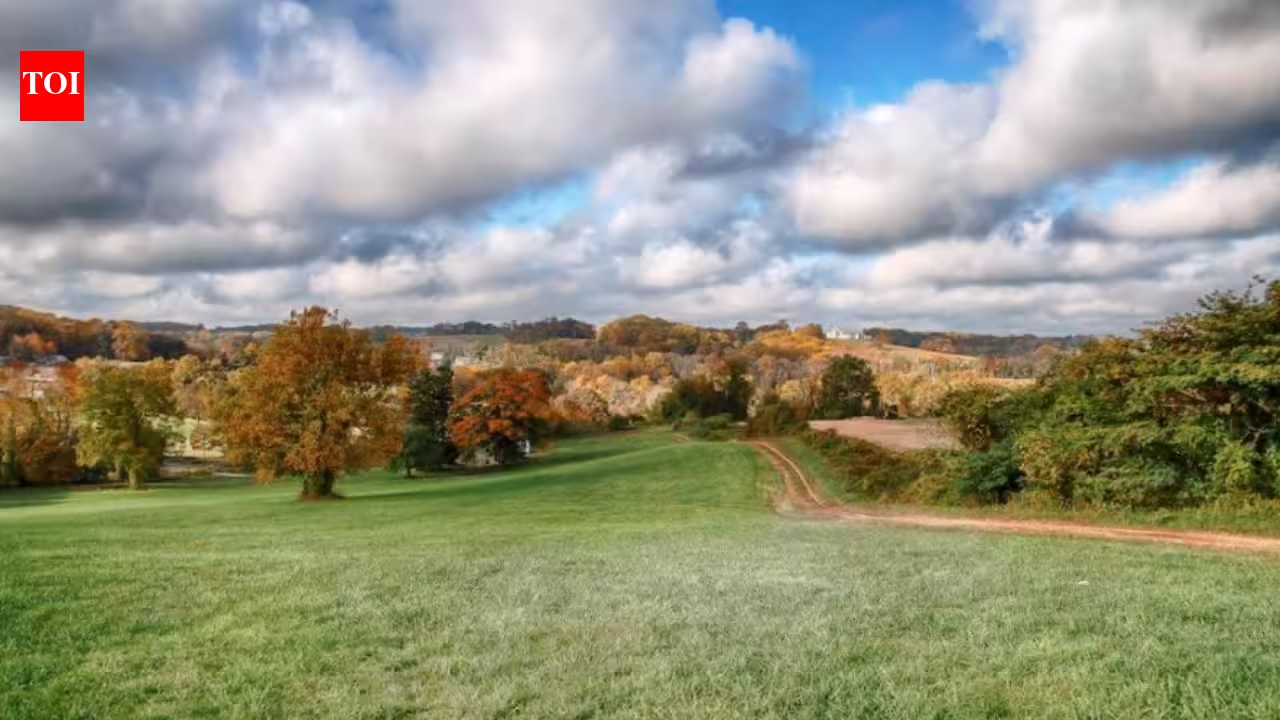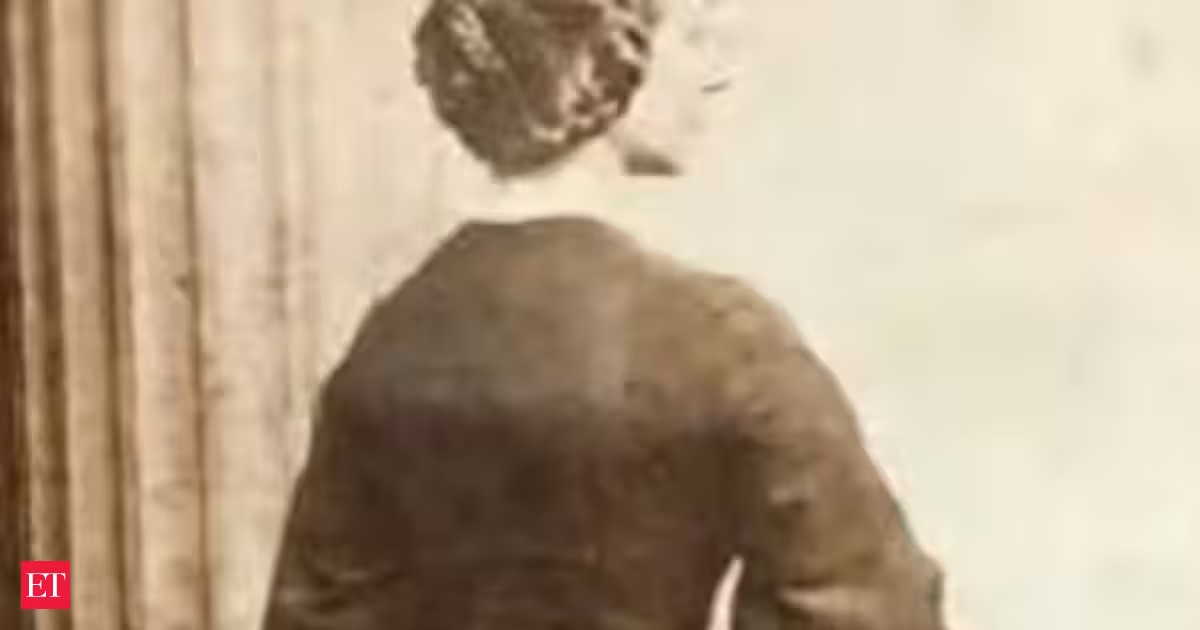
Long before Acadia National Park became one of America’s most beloved coastal parks, a private landowner made a decision that helped change the future of Mount Desert Island.In May 1908, Eliza Homans quietly donated about 140 acres on Mount Desert Island to the Hancock County Trustees of Public Reservation. Her property included some of the island’s most striking natural features, including the Beehive, the Bowl and part of Champlain Mountain.Homans had spent summers on Mount Desert Island since the 1870s and had developed a deep attachment to its landscape. After her husband died in 1886, she continued to spend time in the Bar Harbor area, eventually acquiring a substantial amount of land there.What worried her was what might happen to these natural places if they remained in private hands.Homans believed landscapes such as the Beehive and the Bowl were too special to be lost to commercial development. She reportedly feared that without protection, future generations might find something as out of place as a “Merry-Go-Round” on the land.You Might Also Like:So she chose to give the property away for public benefit.The donation was particularly significant because it was the first land gift received by the Hancock County Trustees of Public Reservation. Homans even asked that her name not be publicized when she made the donation.Her gift helped establish a pattern that would eventually transform Mount Desert Island. Other conservation-minded landowners followed with additional donations and purchases, building the patchwork of protected lands that ultimately became Acadia National Park.Homans did retain some rights under the agreement, including the ability to shoot, fish and boat on the property, as well as maintain a boathouse at the Bowl. The local aqueduct company was also allowed to continue using the pond as a public water supply.You Might Also Like:Homans died in Bar Harbor in 1914. Her contribution, however, continued to shape the island. Between 1915 and 1916, Homans Path was constructed near Sieur de Monts, creating a rugged trail featuring granite steps, narrow passages and rocky overhangs.Today, Acadia National Park covers more than 49,000 acres across Mount Desert Island and surrounding areas. Its history is unusual among America’s national parks because private citizens played such a central role in assembling the land that became protected.And that story began, in part, with one woman who looked at a spectacular piece of Maine’s coastline and decided it was more valuable shared with the public than developed for private gain.You Might Also Like:More than a century later, Eliza Homans’ quiet 140-acre gift remains part of the larger conservation legacy that made Acadia possible.
In 1908, a Boston woman donated 140 acres of Maine Beehive and Bowl to protect the natural places. Her gift helped pave the way for Acadia National Park
In 1908, Eliza Homans made a remarkable contribution by donating 140 acres of land on Mount Desert Island, which included breathtaking features like the Beehive and Bowl. This significant act was the inaugural donation for the Hancock County Trustees of Public Reservation, inspiring other landowners to join in protecting nature. Homans' visionary gift played a crucial role in laying the groundwork for the conservation legacy of Acadia National Park.
426 words~2 min read