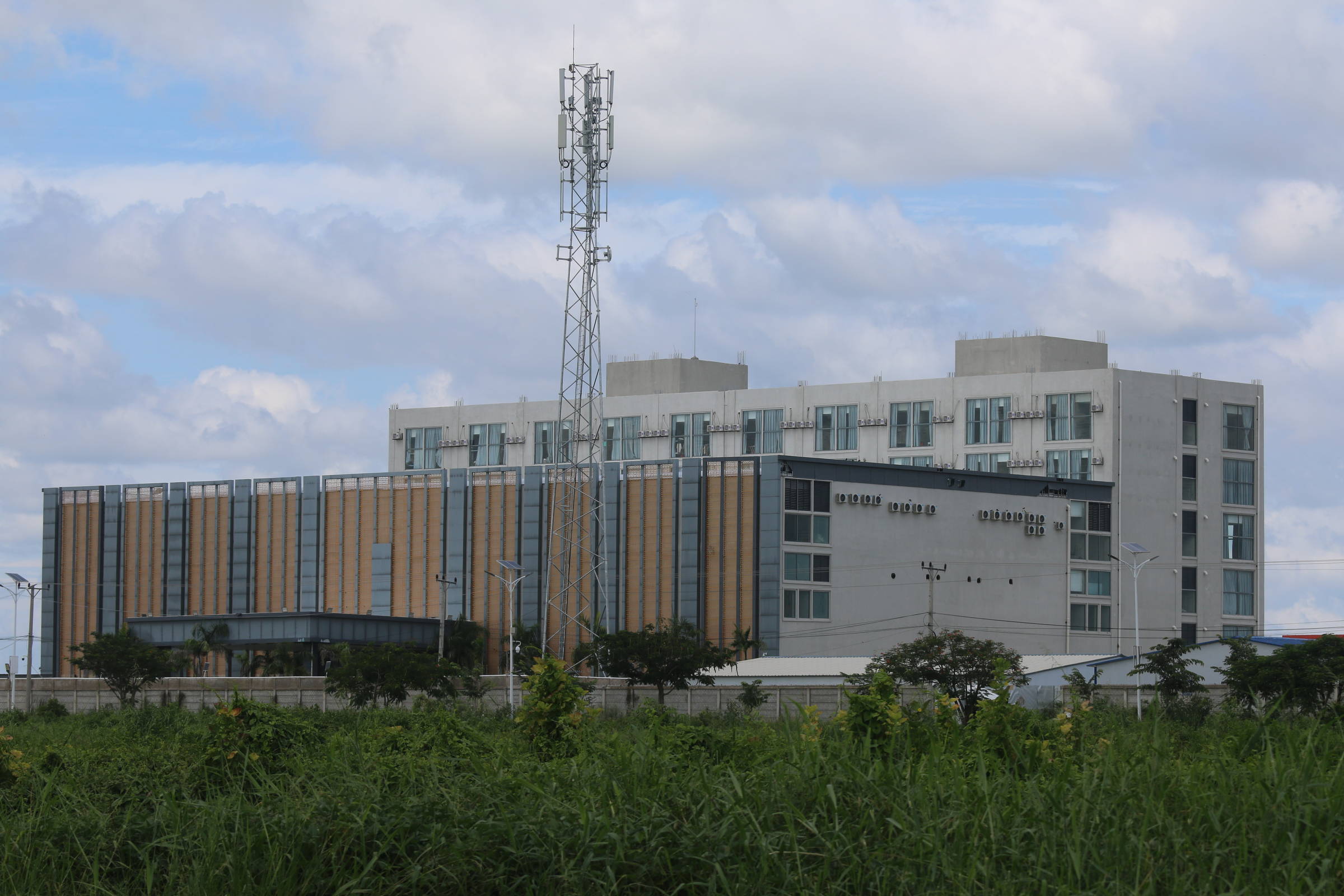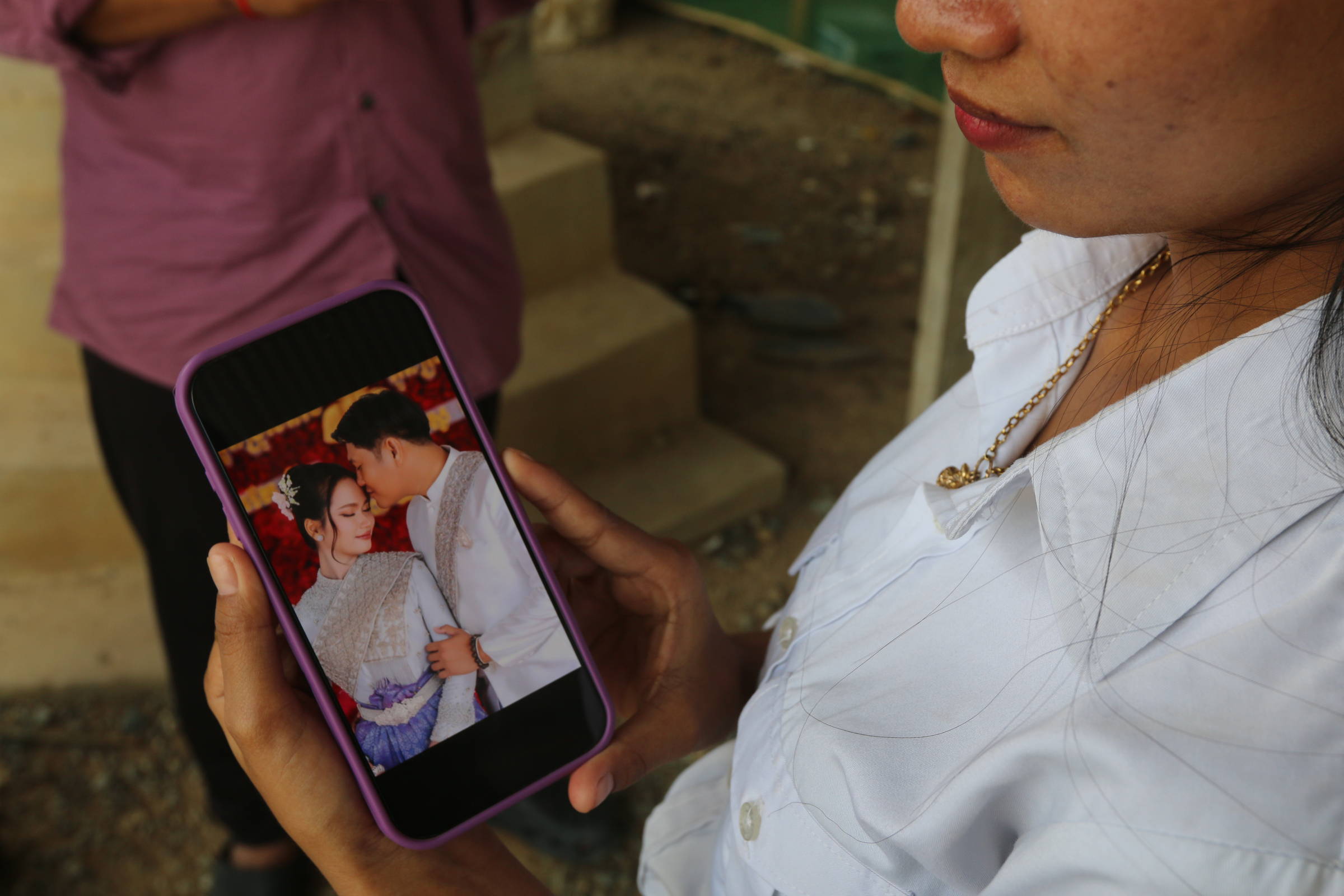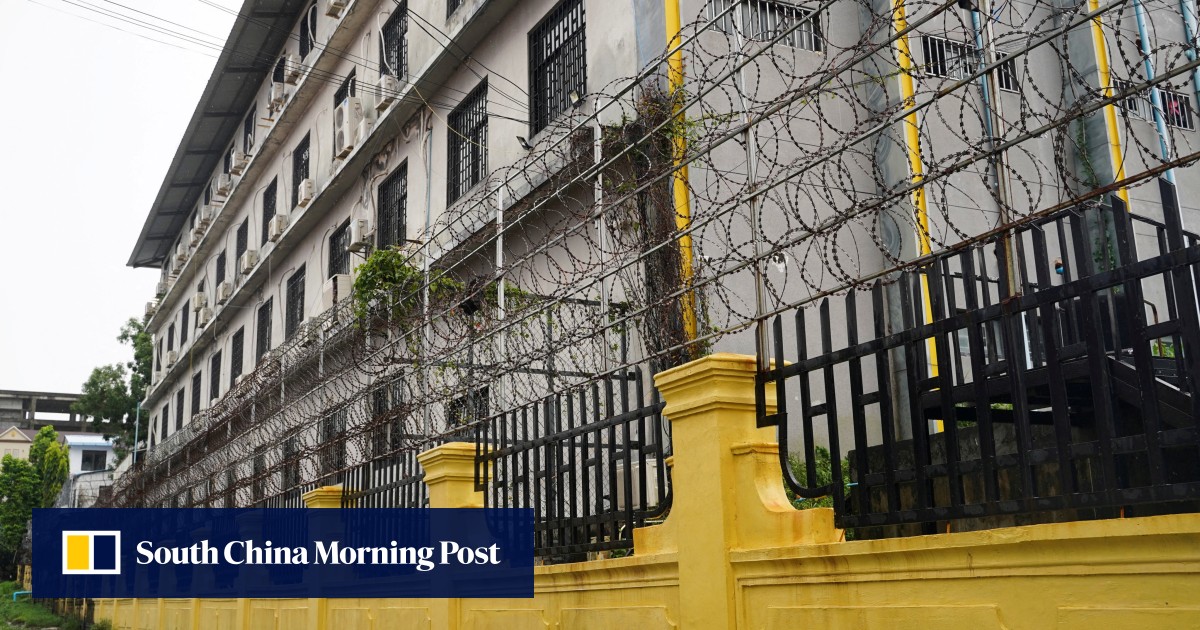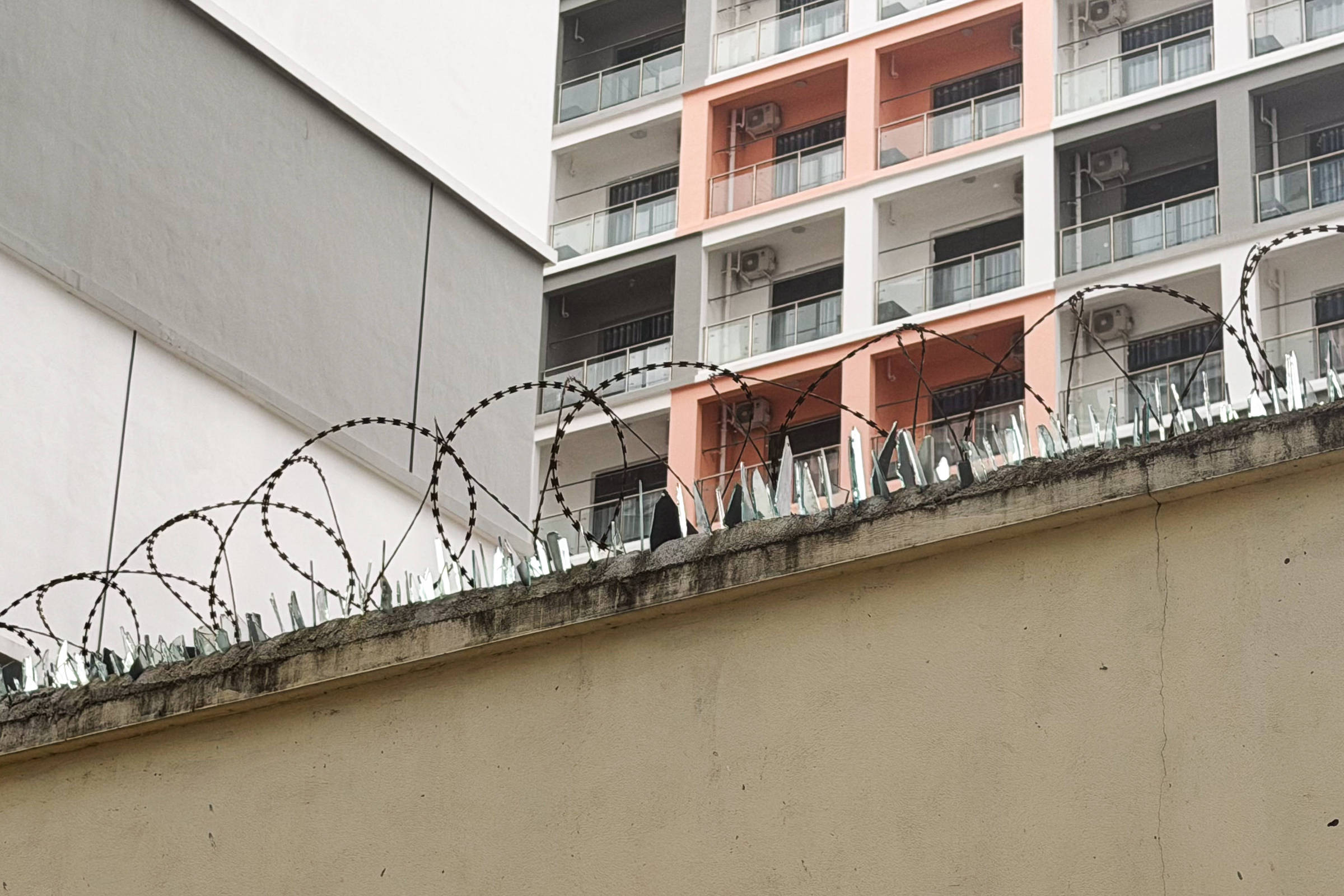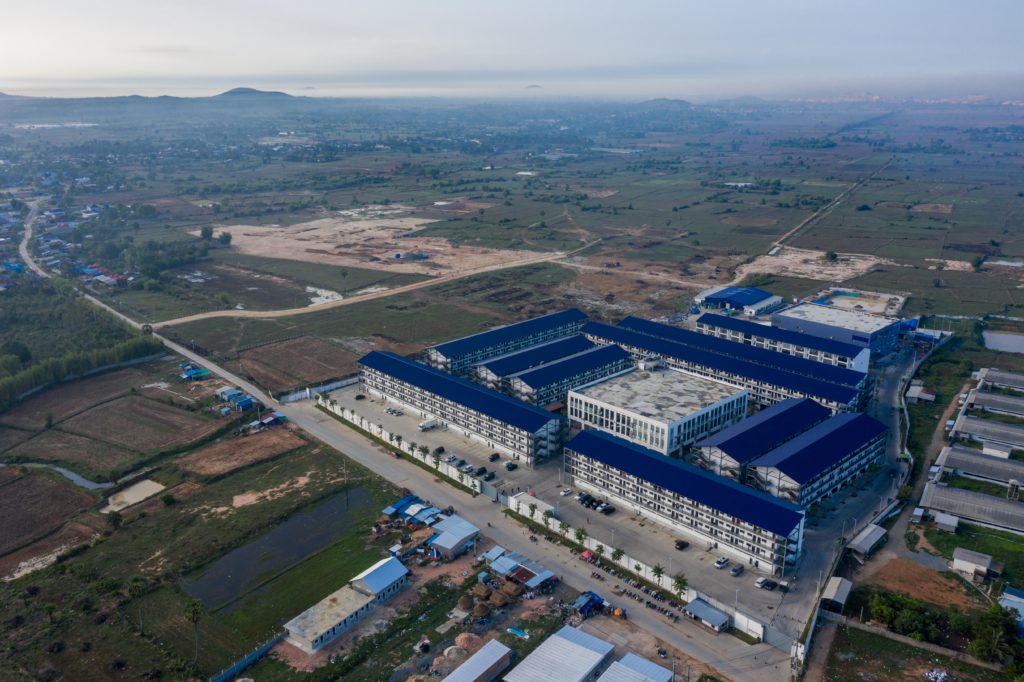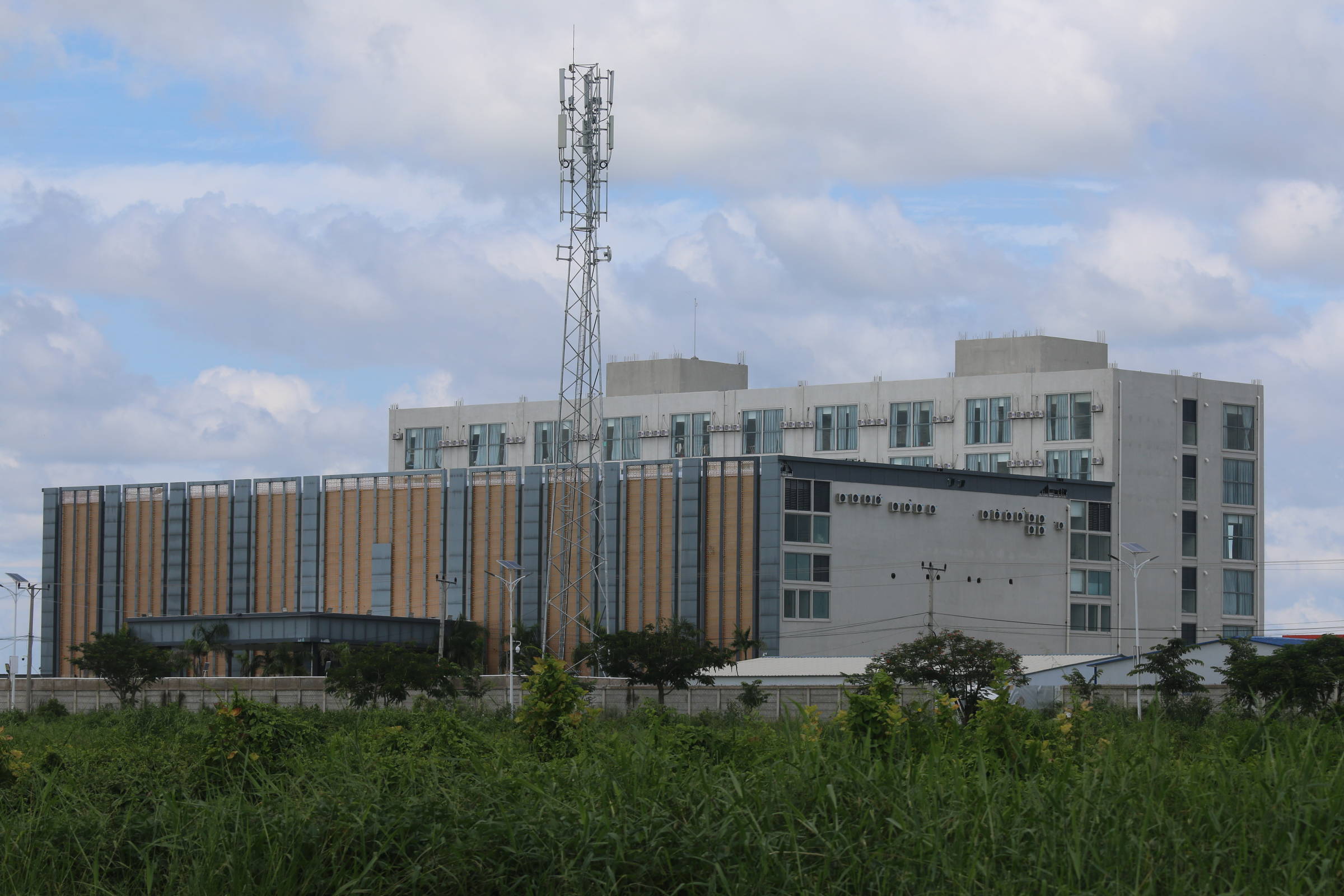
In Cambodia, Brazilian human trafficking victims live behind bars, under surveillance and torture. The country led records of this crime in 2025, with 44 of the 84 cases, according to a report by the Ministry of Justice, a 33% increase from 2024. Forced labor was the main purpose of the crime during the period, with 49 cases recorded, and in all cases in Cambodia, the victims were subjected to these conditions.Brazilians told Folha that they were lured to the country with promises of salaries in dollars, housing and benefits, but upon arrival they were forced to carry out online scams under threat of torture. One of them said: "I was threatened with being put in prison. My family was threatened." The victims had their passports confiscated and were forced to sign contracts that generated unpayable debts, with deductions for food, airfare and accommodation.
The situation, witnessed in the city of Poipet, on the border with Thailand, is repeated in other cities across the country, such as Sihanoukville and the capital, Phnom Penh. Following international pressure from the United States and China, Cambodia launched a crackdown on scam compounds in July 2025.
Amnesty International says the operations were ineffective, marked by systemic failures and collusion between local authorities and managers of the compounds. Cambodia’s Information Minister, Neth Pheaktra, meanwhile, says the country "will investigate credible evidence that any authority protected online scam operations, facilitated such operations, profited from them or participated in them." According to him, 751 locations linked to the compounds have been investigated and 605 shut down, with at least 21,600 foreigners rescued.