When it comes to predicting heart attacks and strokes, what matters the most: a number, a picture, or both?
It depends on the patient, two new trials say, adding to previous research exploring the value of coronary artery calcium (CAC) scans when combined with risk measured by the newly adopted PREVENT calculator. Both tools assess the future chances of serious cardiovascular events, potentially influencing decisions about prescribing cholesterol-lowering statins or other treatments to limit damage to blood vessels leading to the heart and brain.
In borderline cases, calcium could be a tiebreaker. But for most people, there’s no need for the tests, despite their growing popularity as personalized measures of wellness.
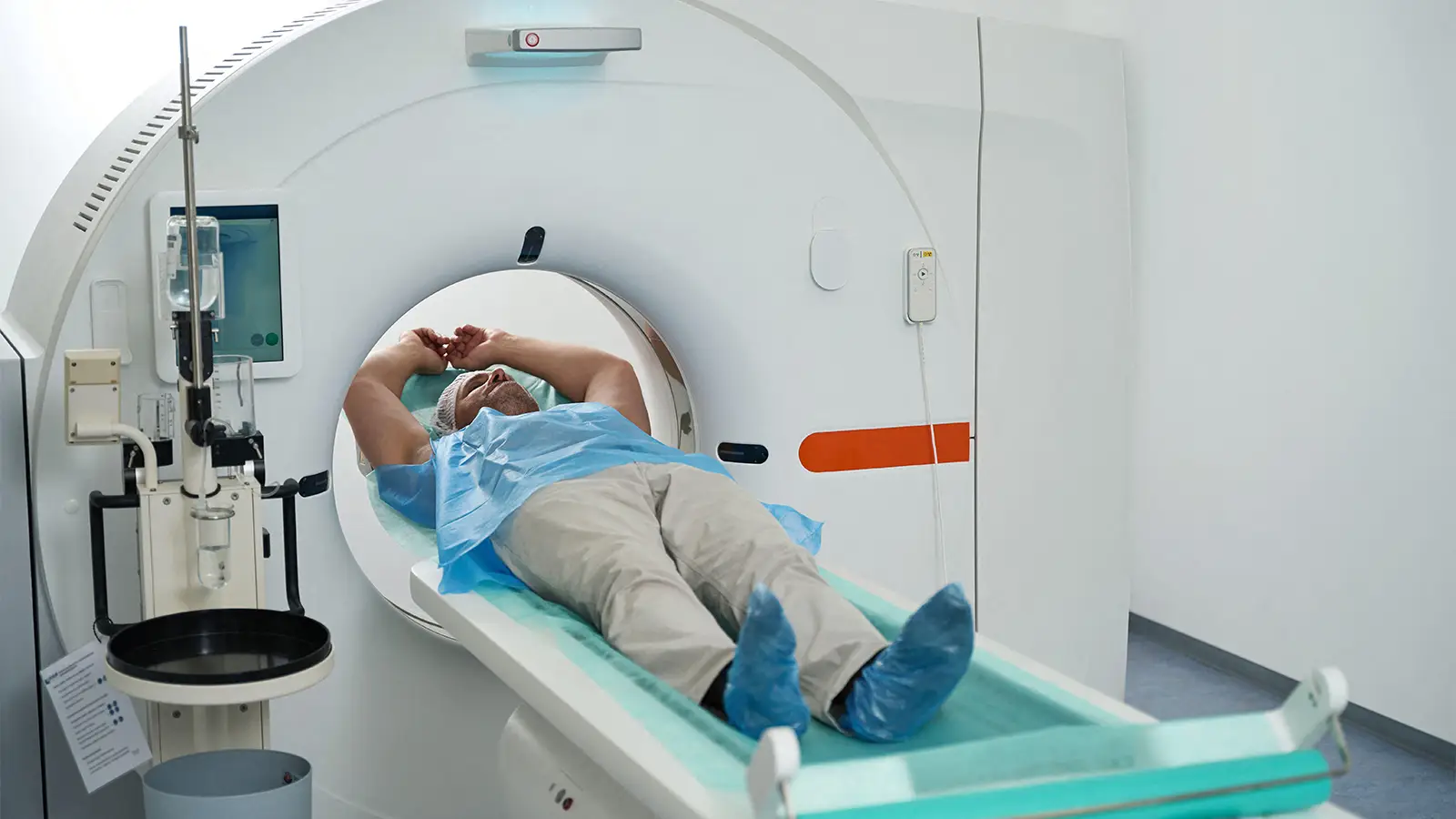
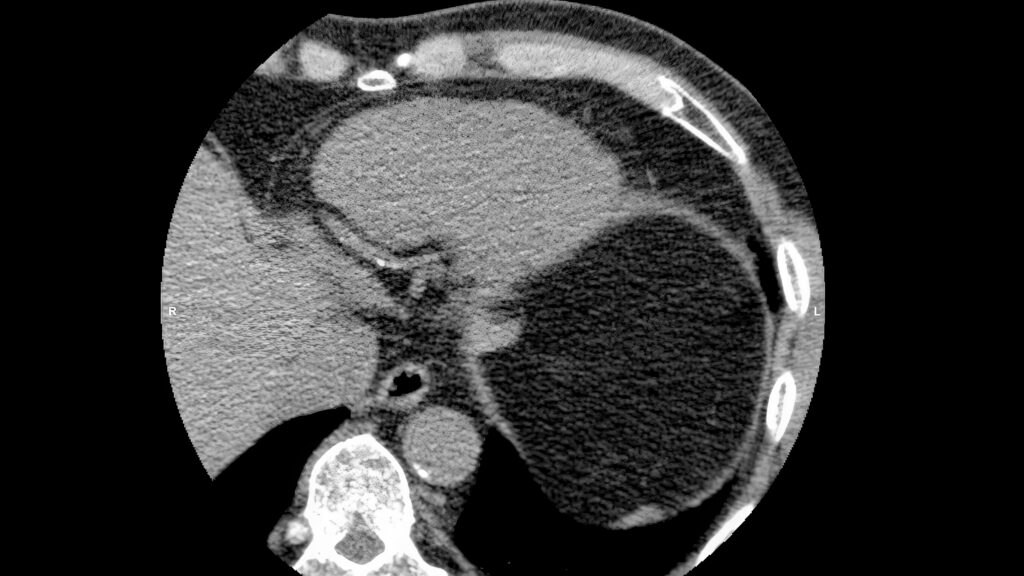
PREVENT risk estimates rely on standard information gathered in a doctor’s visit, while CAC scans, not typically covered by insurance, can cost the patient $100 to $400. But there’s another way to see calcium buildup, hiding in plain sight (almost). CT scans done for other reasons performed just as well as CAC-specific scans when predicting coronary heart disease, cardiovascular disease, and deaths over the next 10 years, research published in Circulation in July concluded.