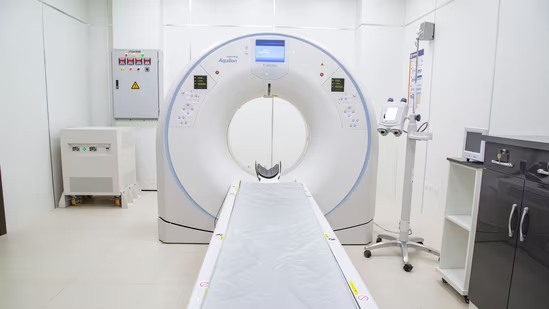
Among the various tests that help doctors determine an individual’s cardiovascular health is the CT calcium score. According to Dr Sudhir Kumar, MD, DM, a neurologist at Apollo Hospitals in Hyderabad, it is useful, but is often misinterpreted by patients.A CT calcium score test is a powerful tool to ascertain cardiovascular health. (Pexel)Also Read | Hyderabad urologist explains recurrent UTI in women: Why they keep coming back and should not be ignoredTaking to X, formerly Twitter, on June 15, Dr Kumar explained what the test actually does, when it should be done, and what its limitations are. According to him, a “normal” calcium score does not mean that a person does not have any heart disease. The reality is much more nuanced.What is a CT calcium score?The CT calcium score test is a quick, non-invasive computed tomography (CT) scan that measures calcium deposits, or calcified plaque, in the coronary arteries.“The higher the score, the greater the burden of atherosclerosis (a disorder in which plaque builds up in the arteries) and the higher the future risk of heart attack and cardiovascular events,” noted Dr Kumar.The most important result in a CT calcium score is a score of zero, the neurologist noted. “Multiple large studies have shown that people with CAC (coronary artery calcium) equal to zero generally have a very low risk of heart attack over the next five to 10 years."When can CT calcium score be genuinely helpful?The CT calcium score is an important variable to consider when evaluating the health of adults over the age of 40 who do not show symptoms but have borderline or intermediate cardiovascular risk. Such individuals include those with:Mildly elevated LDL-CFamily history of premature heart diseaseUncertain need for statin therapy“CT calcium score helps personalise risk assessment,” noted Dr Kumar. In some cases, a CT calcium score can help diagnose individuals with chest discomfort.“In patients with low-to-intermediate likelihood of coronary disease, a calcium score of zero substantially lowers the probability of significant obstructive coronary artery disease. But symptoms still matter,” stated the neurologist.Limitations of CT calcium score testIt is important to know the limitations of a CT calcium score test ahead of performing it. As Dr Kumar explained, the test only detects calcified plaque. However, soft, non-calcified plaque that is often seen in younger patients and can still cause heart attacks can remain undetected on this test.“Therefore, a zero calcium score does not mean zero coronary disease,” stated the neurologist. “Persistent or typical anginal symptoms should never be dismissed solely because the calcium score is zero.”A CT calcium score test is one of the best tools for refining cardiovascular risk. But it is not a substitute for:Clinical assessmentRisk-factor controlHealthy lifestyleAppropriate evaluation of symptomsNote to readers: This article is for informational purposes only and not a substitute for professional medical advice. Always seek the advice of your doctor with any questions about a medical condition.This report is based on user-generated content from social media. HT.com has not independently verified the claims and does not endorse them.
Hyderabad neurologist explains why CT calcium score is a useful heart test, but ‘often misunderstood’
Calcium score helps detect calcified plaque in the artery, but softer plaques can remain undetected, shares Dr Sudhir Kumar. | Health
500 words~2 min read