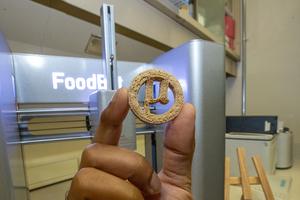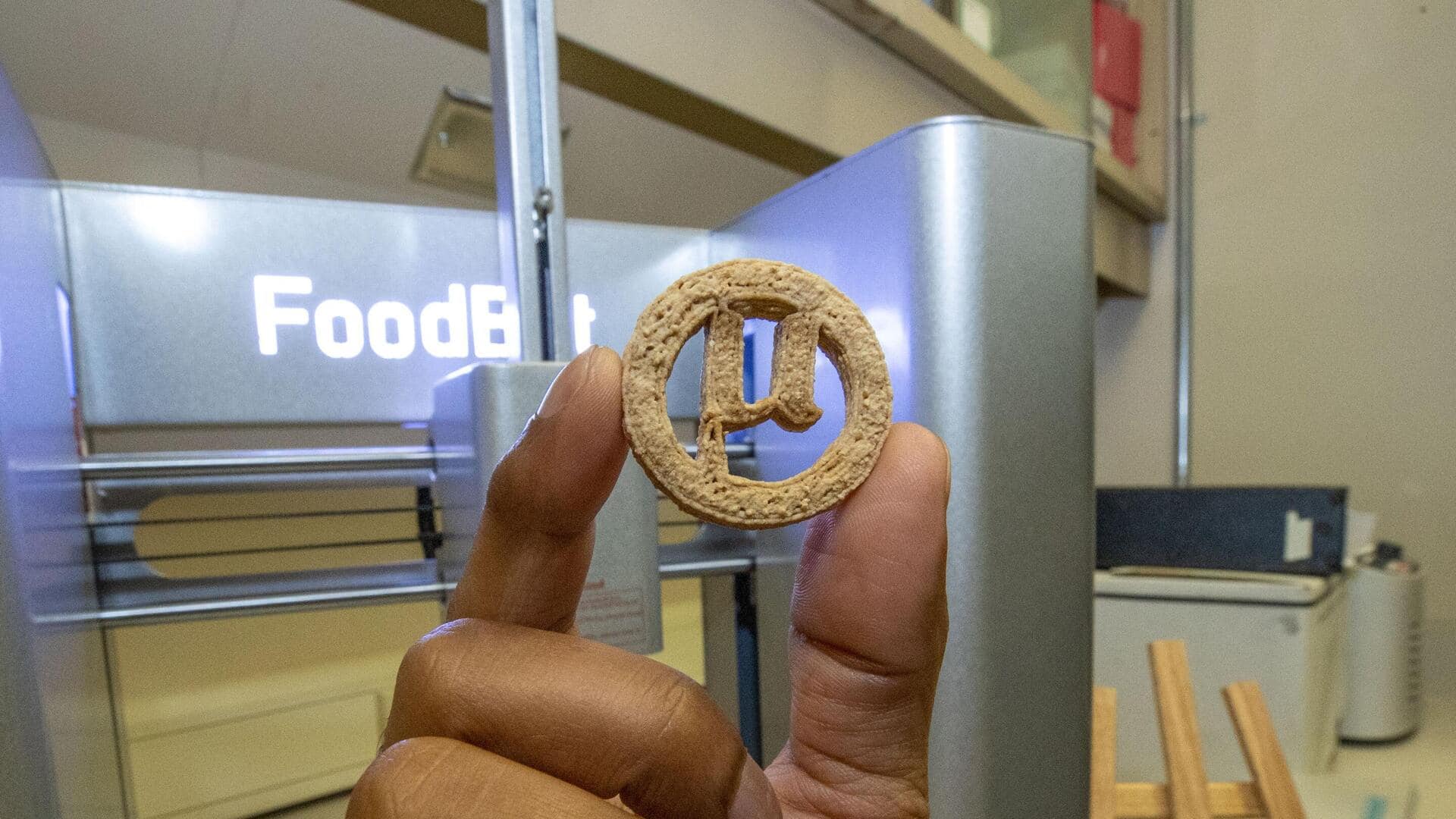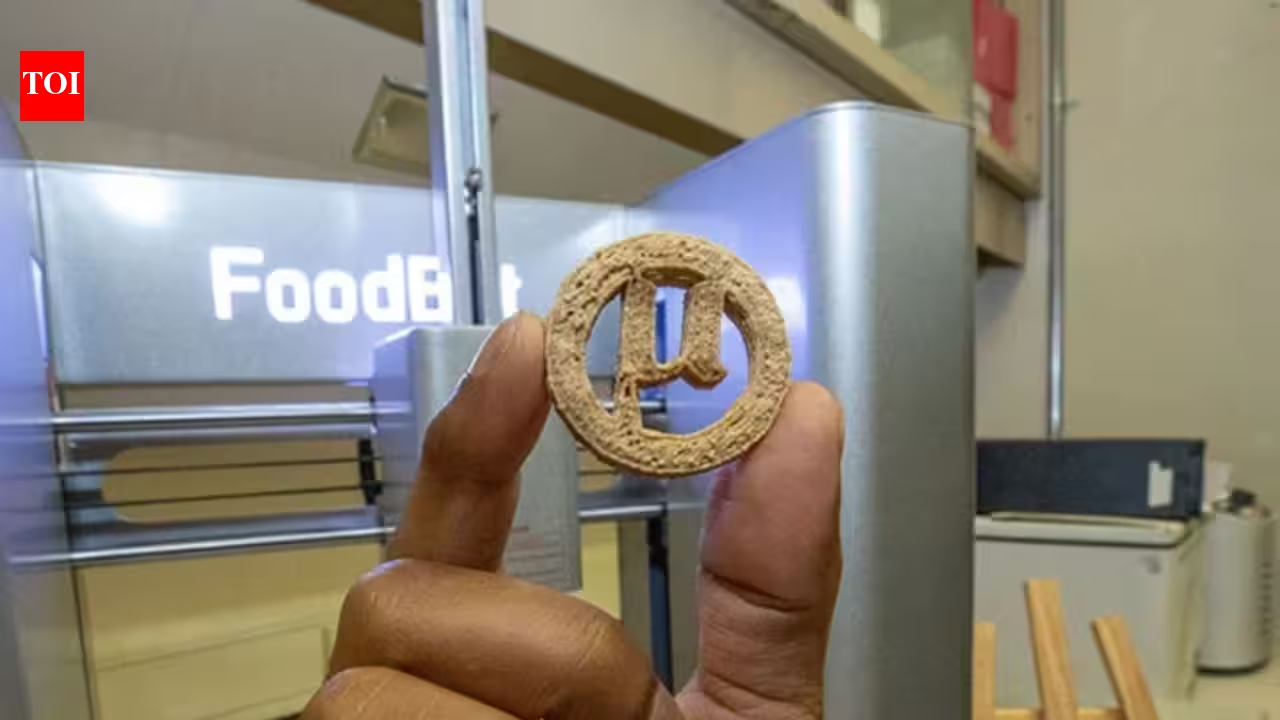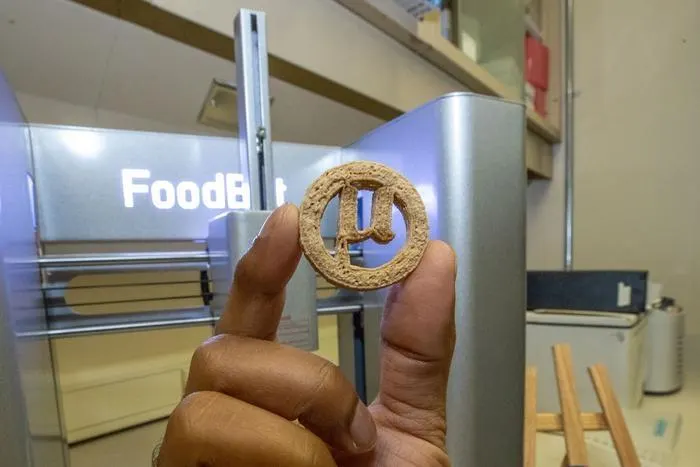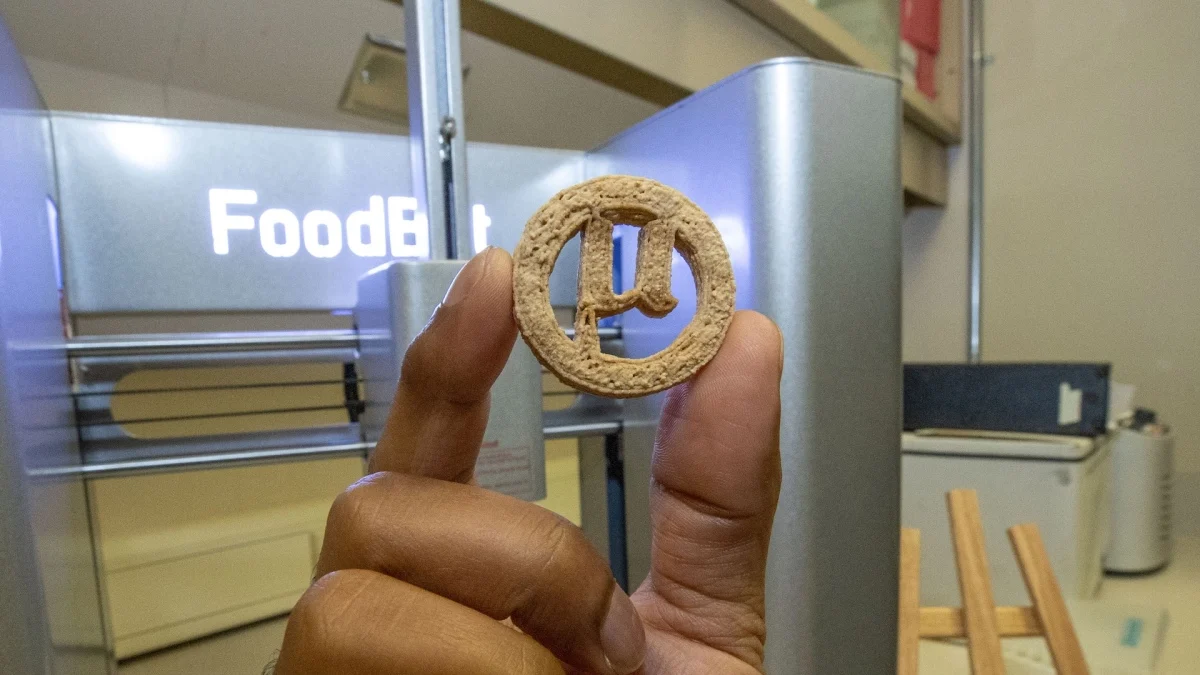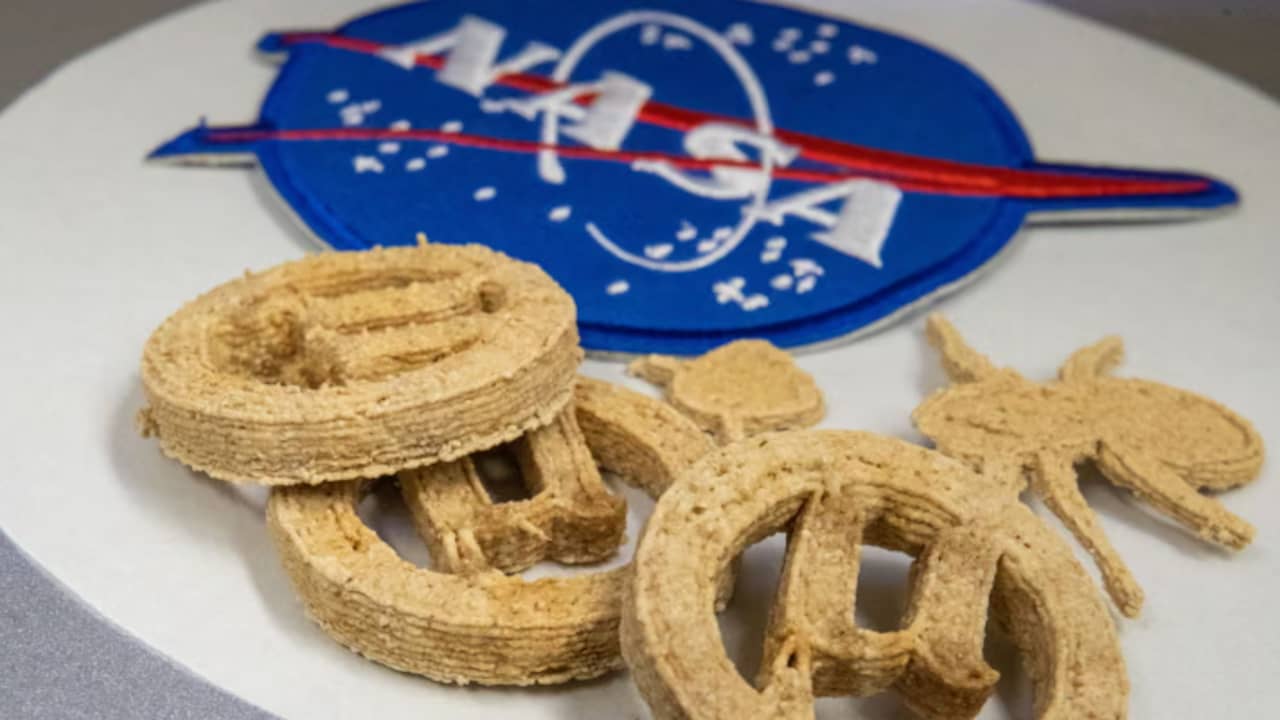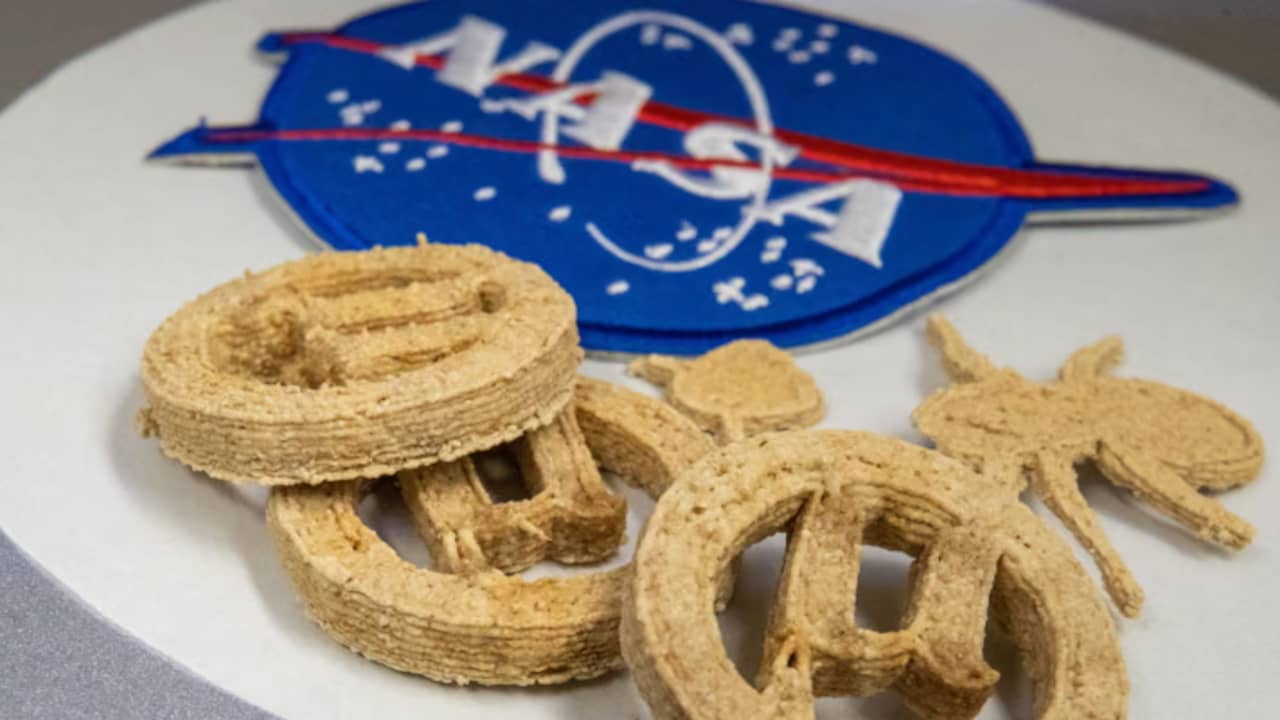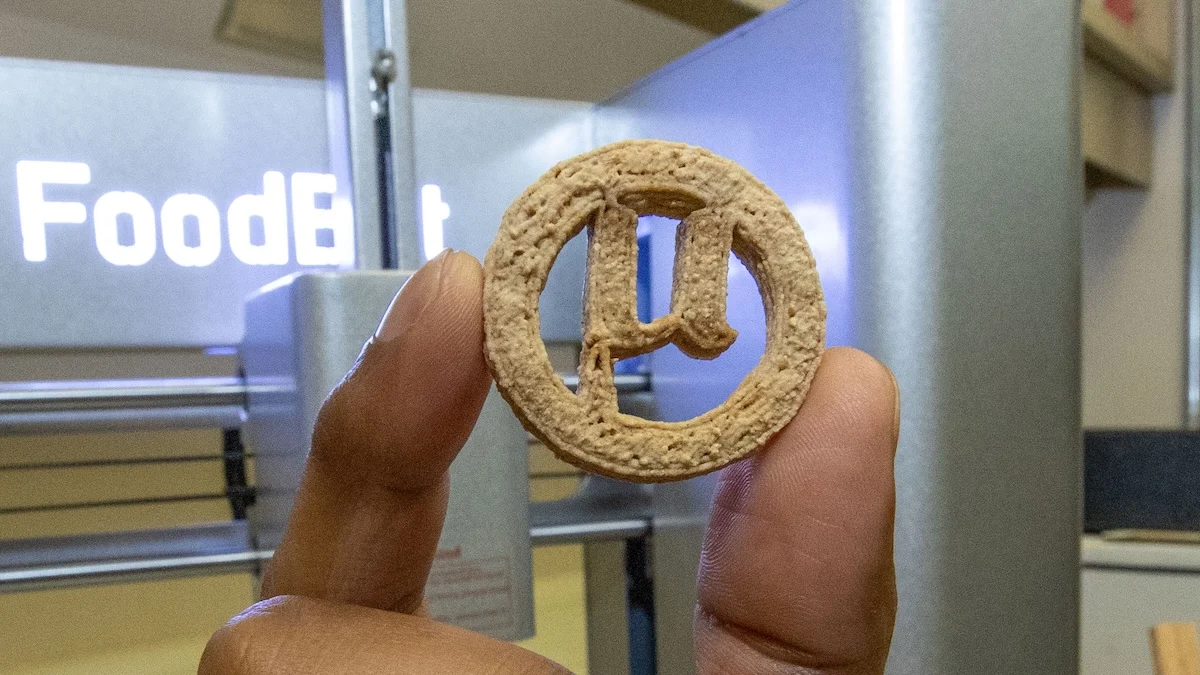
NASA-backed researchers use engineered yeast to convert PET plastic and crop waste into protein, fats and flavorings before 3D-printing the mixture into cookiesynet|A discarded plastic bottle may seem like the last place to look for the ingredients of your next snack.Scientists at Southern Illinois University Carbondale, however, have developed a process that transforms compounds derived from plastic and agricultural waste into protein-rich, 3D-printed cookies, with the ultimate goal of helping feed astronauts on long missions to the Moon and Mars.GalleryThis cookie is made using waste plant materials and plastic (Photo: Rusty Bailey/SIUC Media & Communication Resources)The prototype snacks, called µBites, were developed as part of work associated with NASA’s Deep Space Food Challenge and were presented this week at the American Chemical Society’s fall meeting in Chicago. The researchers say the technology could eventually have applications on Earth as well, including in disaster zones and other places where conventional food supplies are difficult to maintain.The process starts with polyethylene terephthalate, or PET, one of the world’s most common plastics and the material used in many water and soda bottles.Rather than simply grinding the plastic into food, which is not what is happening here, the researchers first break it down using water and oxygen under high temperature and pressure. That produces smaller carbon-rich molecules that can then be used as raw material by specially engineered yeast.“We were trying to develop technologies for plastic upcycling to make more valuable products. We thought, why not focus on making food? Because plastic is carbon and food is carbon,” project leader Lahiru Jayakody said.The genetically modified yeasts consume those plastic-derived compounds and rebuild them into new biological materials, including proteins, fats and acids. Researchers then add ingredients including fiber, starch and sweetener before feeding the mixture through a 3D printer, which shapes it into small cookie-like discs.The team is also working on making the resulting food more appealing.Dr Lahiru Jayakody (Photo: Rusty Bailey/SIUC Media & Communication Resources)One engineered strain of baker’s yeast can turn compounds derived from plant waste into vanillin, the molecule responsible for vanilla flavor and aroma. Another yeast strain can use ethylene glycol derived from PET plastic to produce beta-carotene, which the human body can convert into vitamin A.The important caveat: despite headlines about “edible plastic cookies,” the researchers themselves have not yet sat down and eaten them.The team says its safety data indicate that µBites are safe to consume, but researchers are still awaiting institutional approval to carry out formal human taste testing. Aroma tests have already been conducted, with most participants saying they would be willing to eat the cookies if food resources were limited.The distinction matters. The finished cookie does not contain chunks of bottle plastic. Instead, the plastic is chemically broken apart and its carbon is then metabolized by microbes to create new food components.For NASA, the attraction is straightforward: on a multiyear mission, every kilogram launched from Earth matters.A round trip to Mars could last roughly three years, making it difficult to rely entirely on food packed before departure. Researchers have therefore been exploring closed-loop systems capable of turning waste into new resources rather than treating it as something to simply discard. NASA already notes that food systems for long-duration missions must balance nutrition, shelf life, weight and crew well-being.'We were trying to develop technologies for plastic upcycling to make more valuable products. We thought, why not focus on making food? Because plastic is carbon and food is carbon' (Photo: Rusty Bailey/SIUC Media & Communication Resources)“When an astronaut goes to Mars, they have to survive in extreme conditions,” Jayakody said. “The round-trip is three years. You have to use everything you have.”The broader idea is increasingly important in space-food research. A recent scientific review described yeast as a potential centerpiece of future closed-loop food systems, capable of using waste streams to create nutrient-rich biomass and reducing the amount of food and other material that would need to be carried from Earth.For now, however, µBites are nowhere near supermarket shelves.The current production cost is about $60 per kilogram, although the researchers believe improving the efficiency of the yeast and scaling up the process could reduce that significantly. Jayakody has said he hopes the technology could be ready for broader human consumption within a few years.Researchers also see possible uses beyond space. A compact system capable of turning local waste into protein could theoretically provide food aboard submarines, in remote settlements or after natural disasters, while simultaneously reducing plastic waste.Whether consumers would voluntarily eat a cookie whose ingredients began life as a plastic bottle may prove to be another challenge entirely.But from the researchers’ perspective, the chemistry is less strange than it initially sounds: plastic contains carbon, food contains carbon, and microbes can be taught to transform one carbon source into another.The next hurdle may therefore be less about whether scientists can make the cookie and more about persuading someone to take the first bite.
This cookie started as a plastic bottle, and scientists say it could feed astronauts
NASA-backed researchers use engineered yeast to convert PET plastic and crop waste into protein, fats and flavorings before 3D-printing the mixture into cookies
816 words~4 min read