view more
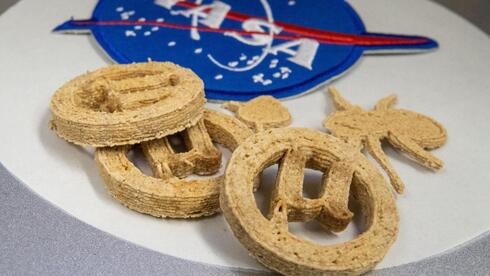
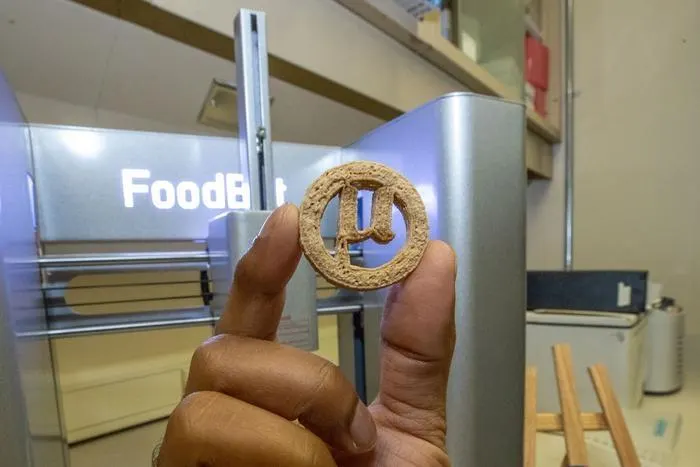
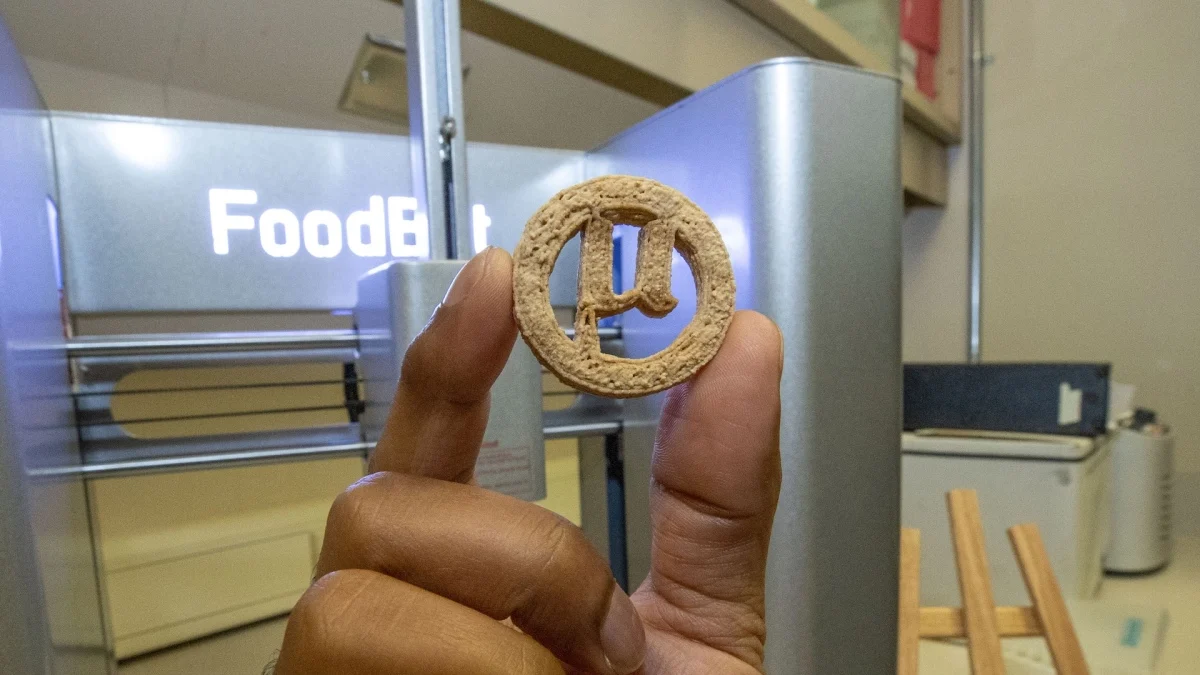
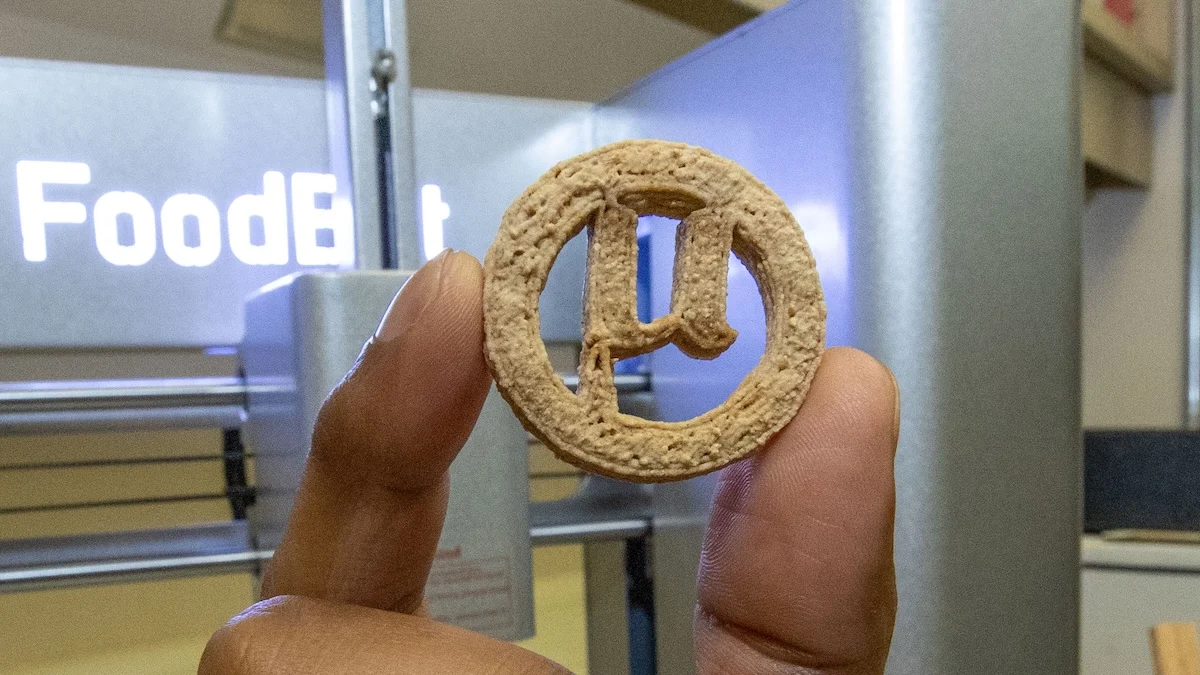
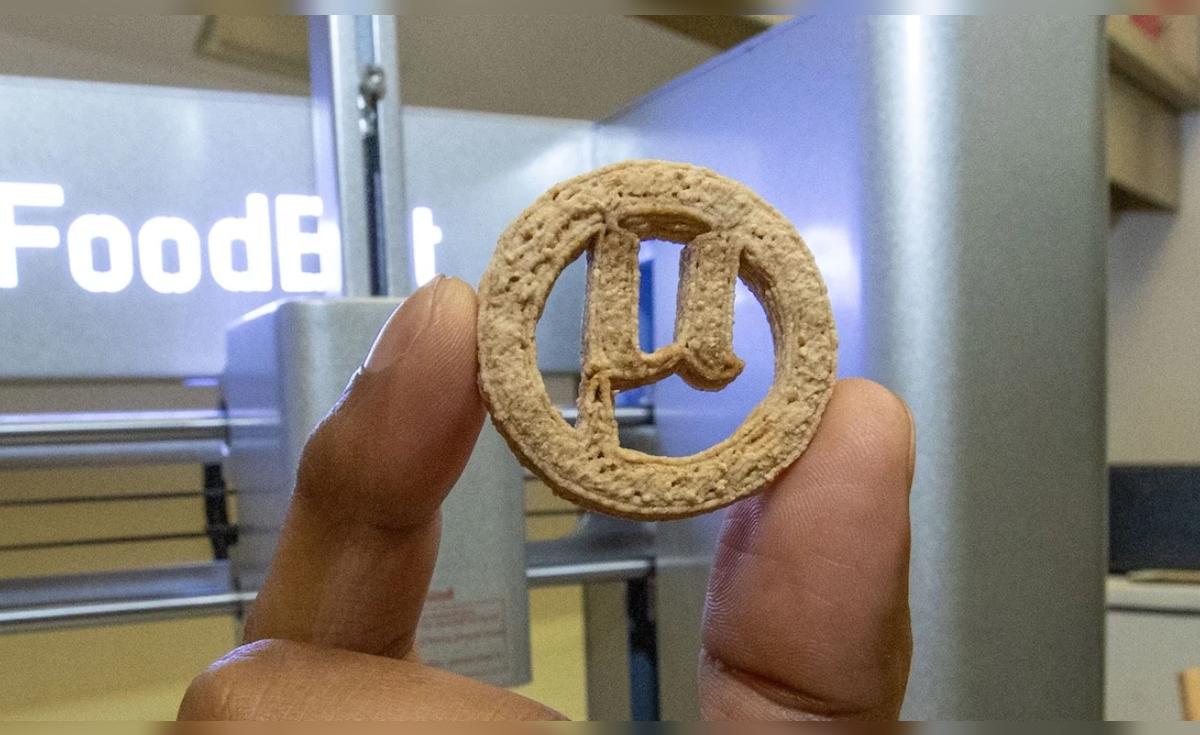
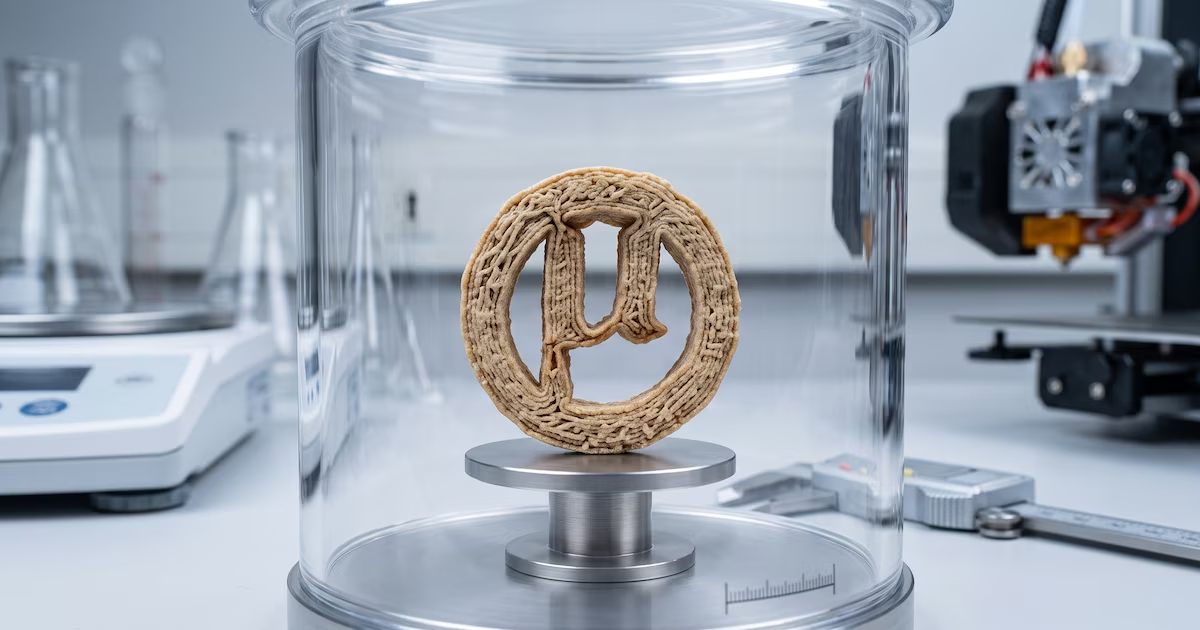
CHICAGO, Aug. 24, 2026 — Plastic might be the last ingredient you would ever add to a cookie recipe. But a team of researchers is looking to change that. They’ve programmed yeasts to turn plastic and agricultural waste into edible proteins and flavoring molecules, creating a treat from trash. The technology not only offers a new upcycling method but could also sustain life in disaster zones or even deep-space missions with humans aboard.
The researchers will present their results at the fall meeting of the American Chemical Society (ACS) during the “Undergraduate and Graduate Research in Biochemistry and Chemical Biology” symposium in McCormick Place. ACS Fall 2026 is being held August 23-27.
“Microbes are very clever. So, we are using their traits to solve the problems we created.” — Lahiru Jayakody
As the world struggles with growing plastic pollution and increasing concerns about food security, researchers are looking for ways to turn one problem into a means of solving the other. So, a team from Southern Illinois University (SIU) Carbondale has put microbes to the test to transform plastic waste into edible food for humans. The work was conducted as part of a project led by NASA aimed at creating food for the resource-limited environment of deep-space exploration.