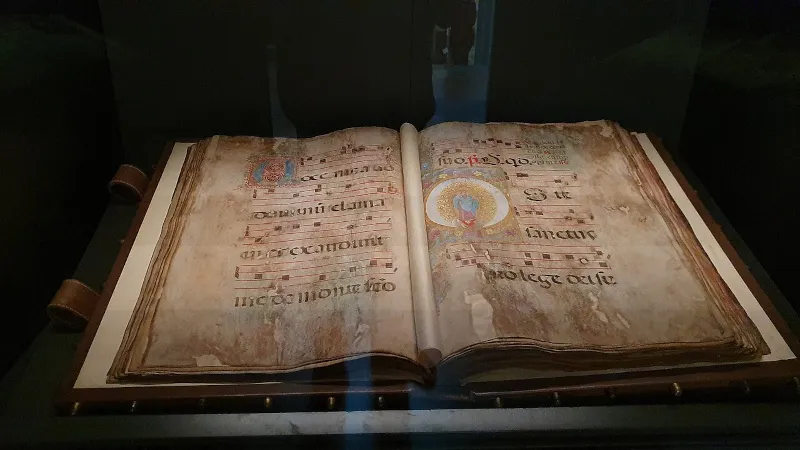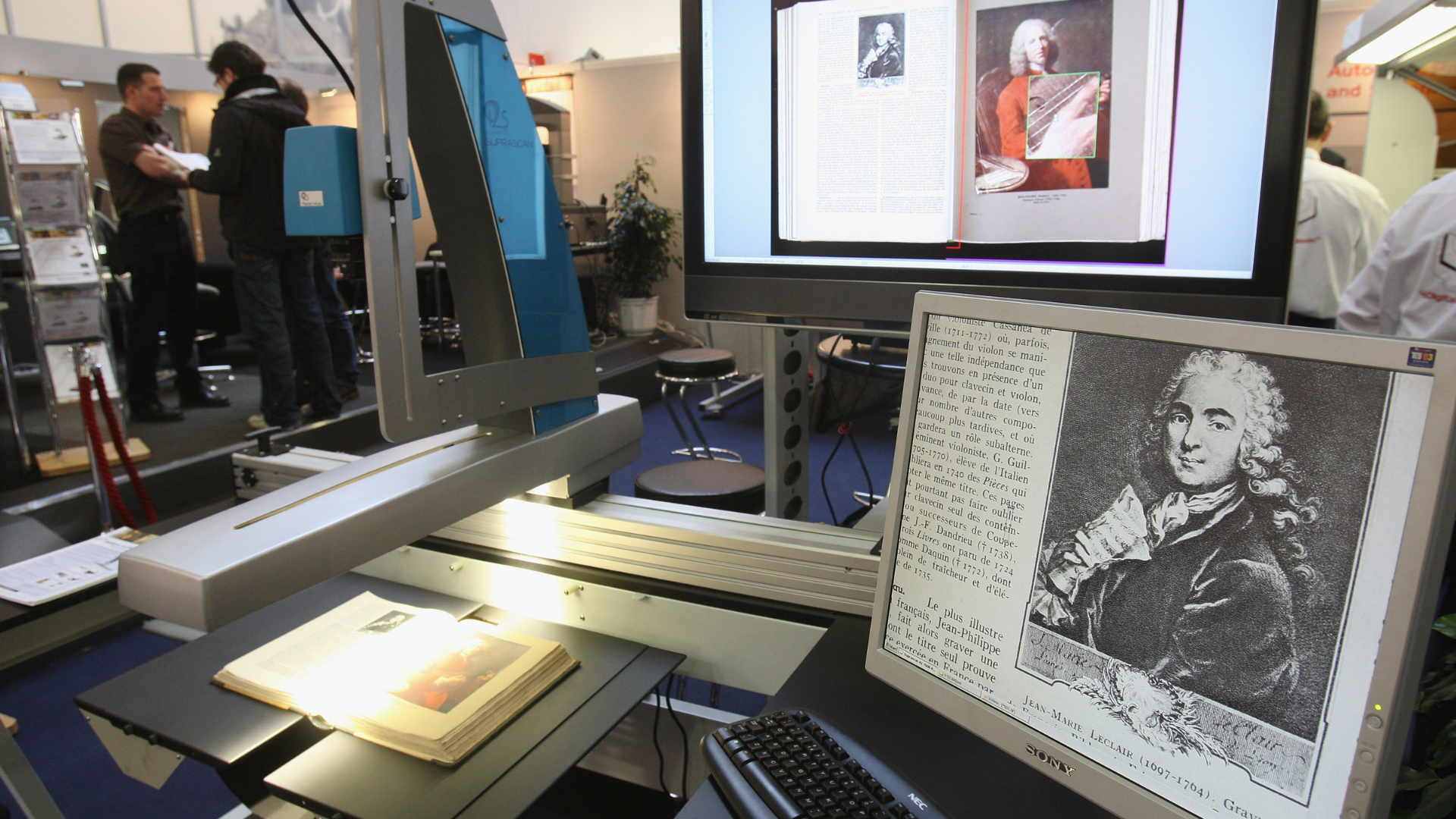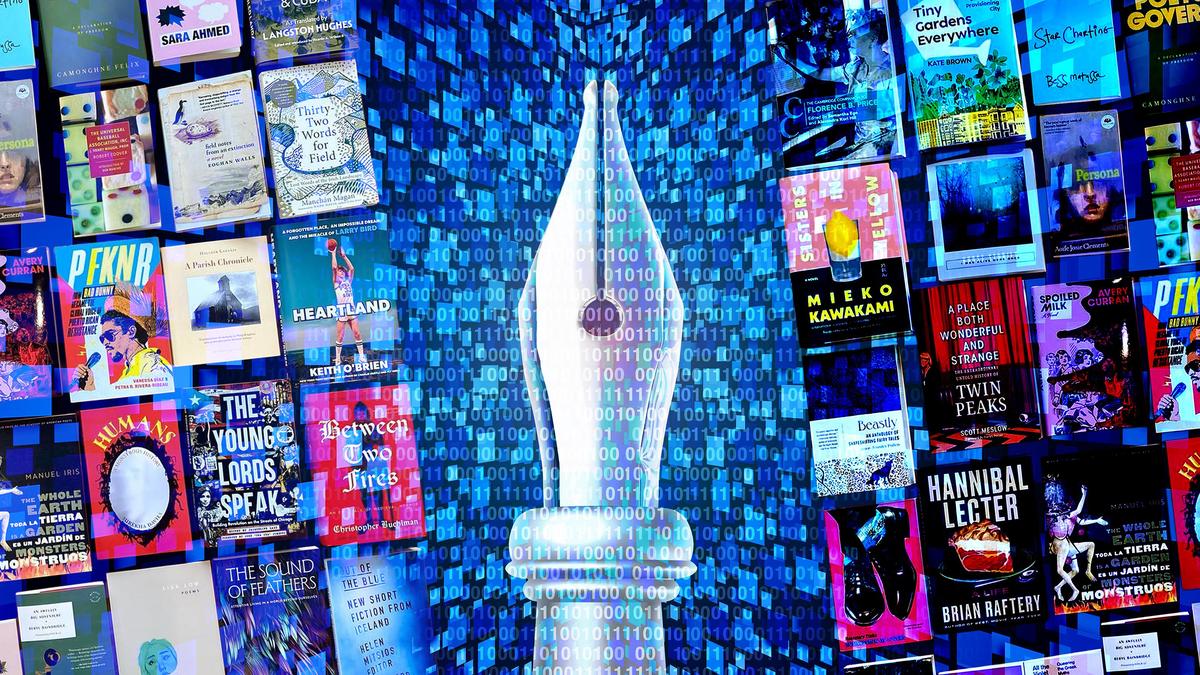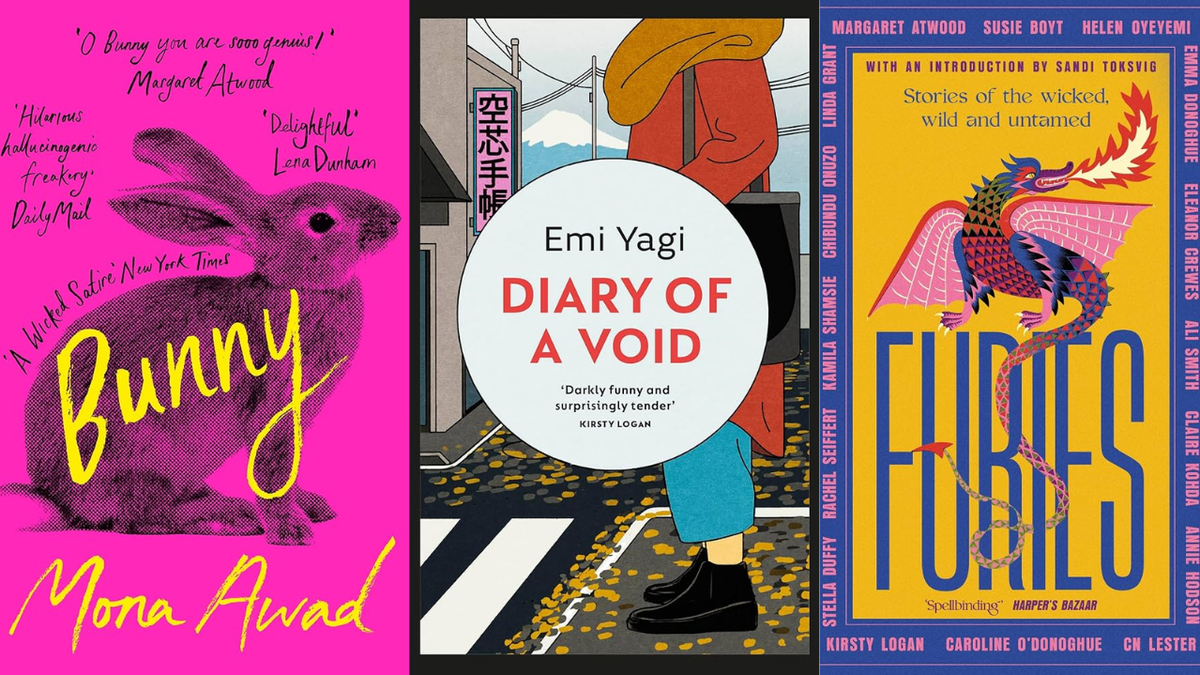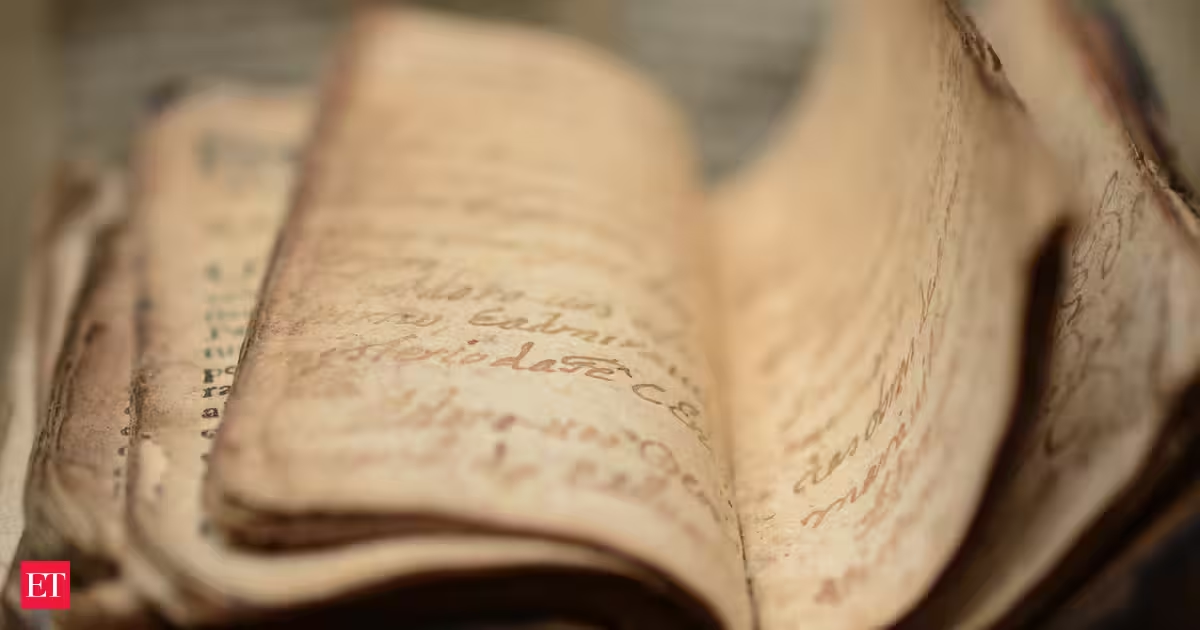
(This story is part of The Hindu on Books newsletter that comes to you with book reviews, reading recommendations, interviews with authors and more. Subscribe here.)Have you ever visited a rare-book store? It is a place where books often sit untouched for years, sometimes gathering dust and fraying at the edges, as the world spins around them. They could be books from the library of Virginia Woolf, the poems of Tukaram, spicy letters from a mistress to a king, maps of places that have changed so dramatically that they are now unrecognisable, or precious first editions of J.R.R. Tolkien or Rabindranath Tagore. These are irreplaceable historical documents, carefully preserved against the ravages of wars, dust, fire, and time.Given their very nature, rare books do not exactly fly off the shelves. Their admirers are few and, as they are often expensive, buyers are even rarer. But a few days ago, the Wall Street Journal published a piece saying sellers were astonished to find that sales of rare books were suddenly rising. Who was buying them? How did they have that kind of money? How did these books suddenly become as popular as the latest Sally Rooney?The buyers went by unusual names, including Red Sparrow Project, Blue Finch Project, and Green Parrot Project. The piece said, “They ordered dozens, even hundreds of books at a time, on completely unrelated subjects, and routed them through logistics warehouses. And they didn’t haggle over prices.”Only a naive reader or bookseller would get excited by this sudden boom, mistaking it for a newfound interest in valuable objects that carry both knowledge and the scent of history. It turned out that the books were being bought to train large language models (LLMs) — think Claude, ChatGPT, and Gemini. When these books land at warehouses, their spines are sliced. They are then scanned quickly and pulped. To read more about why companies destroy them, read this explainer by Sahana Venugopal. A recent court case involving Anthropic, the creator and owner of Claude, shows how far AI companies are willing to go for data collection and LLM training. As part of Project Panama, Anthropic reportedly tried to “destructively scan all the books in the world”. The company could have chosen to deal with the copyright and logistical complications of obtaining digital copies, but it apparently found it easier to buy physical books, digitise them, and destroy them.A U.S. court subsequently ruled that Anthropic’s use of copyrighted books to train its AI was not, in itself, copyright infringement. “One replaced the other,” one of the judges wrote. “There is no evidence that the new, digital copy was shown, shared, or sold outside the company.” This incident has raised a larger question about whether books should be treated merely as containers of text for AI to consume, or as cultural objects worth preserving in their own right.In a world that is increasingly relying more on LLMs, more such complex legal battles and confounding questions could come up. Books have long been favourite fodder for improving LLMs, but the destruction of rare books has unsurprisingly sparked anger at ravenous companies willing and ever-ready to sacrifice these artefacts at the altar of profit.The question is not what AI can learn from these books and how we could benefit from it; it is what we all stand to lose when we devalue creativity and originality, what we stand to lose when these books themselves are no longer there.Books of the weekUma Mahadevan-Dasgupta reviews Ramani Atkuri’s Staying Alive (Pan Macmillan India). Atkuri trained as a doctor, specialising in community medicine, and has spent 35 years working with rural and tribal communities, mainly in central India. In this book, she highlights the struggles of those on the margins: of a woman who is in labour for two days before losing her life, a middle-aged diabetic tailor who comes to terms with his failing eyesight, a 10-year-old child with untreated epilepsy who falls into a fire. Beyond individual stories, she also examines the structural conditions that produce these outcomes. Sumana Mukherjee reviews Meher Mirza’s book, Sea, Salt & Spice (HarperCollins India), which she calls a “love letter to Mumbai”. In her book, Mirza traces the history of the city through food from the time when Egyptian merchants sourced spices from Bombay to the colonial era to modern-day Mumbai, home to restaurants such as Indigo and Bombay Canteen. The book, writes Mukherjee, is destined to be a classic.Nanavu (Studio Niyat) is a silent comic illustrated by Athulya Pillai. Anasuya Menon writes that it conveys the daily realities of people living in the coastal areas of Kochi.Psychotherapist and professional cook Andrea Oskis’s The Kitchen Shrink: how the food we eat reveals who we are and how we love (Bloomsbury) shows how food plays an important role in how we negotiate relationships. It contains oral histories through which she examines food through the tropes of childhood, ethnicity, and generational trauma. Read Deepa Alexander’s interview with her. Tishani Doshi has published her fifth poetry collection, Egrets, While War (HarperCollins), which is populated by birds — parakeets, dodos, peacocks, and of course, egrets. The anthology tackles themes such as environmental loss and the human cost of war. “...the poems are just really trying to navigate, without being able to answer or give any clear answers, what it means to be alive now,” Doshi tells Preeti Zachariah in this interview. SpotlightIn case you have missed it, one of last week’s biggest news stories was that Sonia Gandhi has a memoir coming out this fall in which she will reflect on the promise and the tragedy of marrying into the Nehru-Gandhi political dynasty and on her own career in government. Publishing house Alfred A. Knopf announced that Ms. Gandhi’s Belonging: A Journey of Love will be published on November 10. Read her statement and more about the book here.NightstandI am reading Bullet Nani: And Other Badass Indian Grandmas (Pan Macmillan India) by Jasleen Mayal Khanna, about 12 Indian grandmothers who broke rules in their careers as doctors, policewomen, nuclear scientists, YouTubers, wine-makers, and more. It’s based on four years of research and interviews and is a breezy, fun read.Reading mattersOru Thooku Kaithiyin Vaakumoolam (Testimony of a Death Row Convict), penned by life convict C. Selvam, has been selected for the Iyal Award for non-fiction by the Canada-based Tamil Literary Garden. Read Kolappan’s piece here.And here’s a little activity: since August is observed as women’s translation month, try this quiz on women novelists and translators, by Joan Cherian. And that’s all from me. Do write to me with suggestions, comments, and feedback to radhika.s@thehindu.co.in. Have a happy reading week!
The Hindu on Books Newsletter When AI eats books
The Hindu on Books Newsletter When AI eats books
1,104 words~5 min read