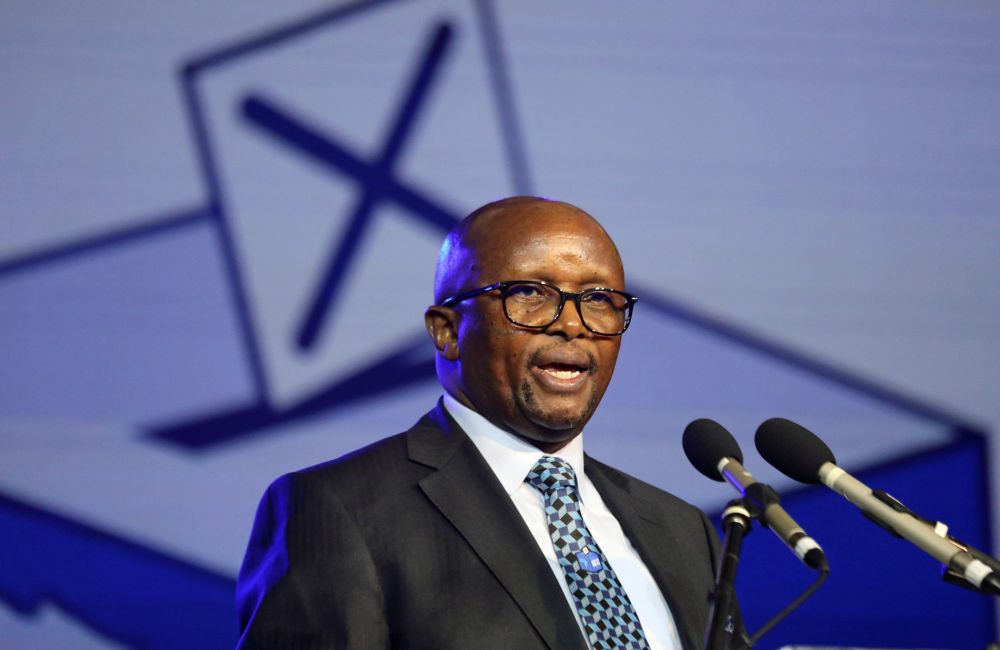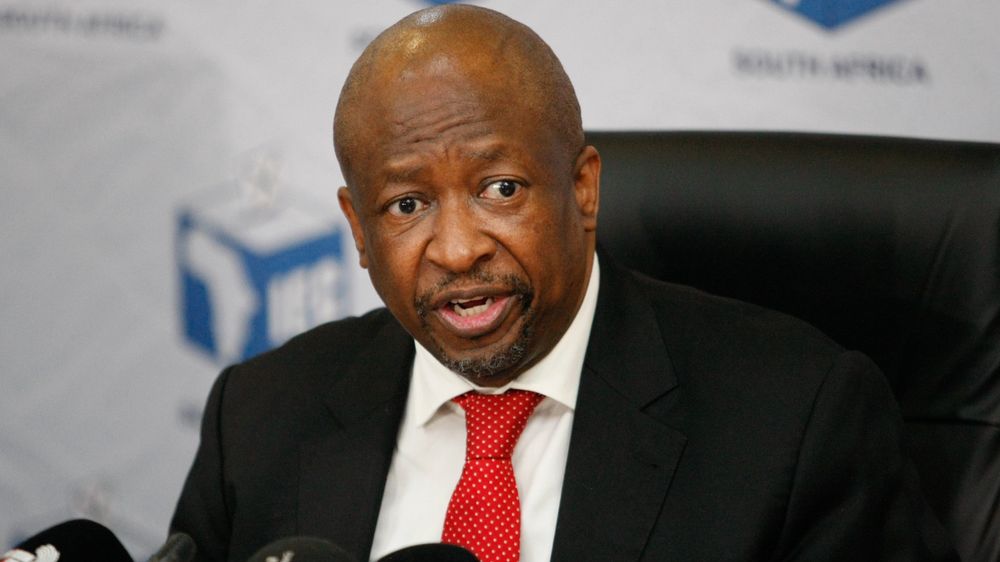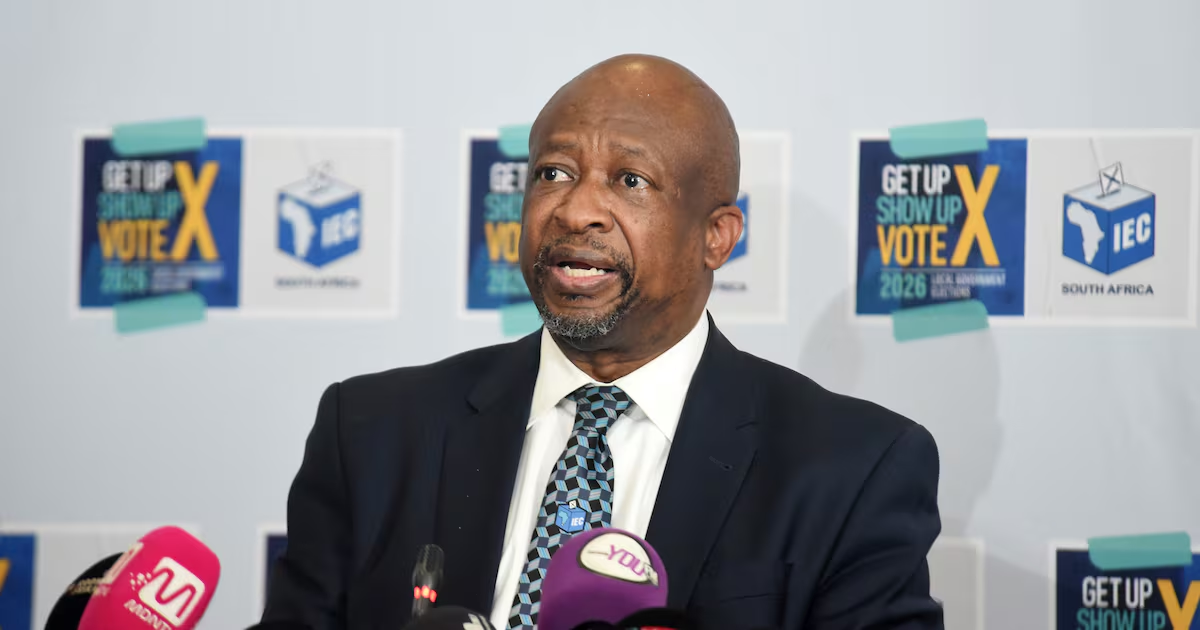
The Electoral Commission has drawn a hard line under Friday’s 5pm deadline for political parties and independent candidates to submit their lists for the 2026 local government elections, with chief electoral officer Sy Mamabolo saying no corrections or amendments will be permitted after the cut-off.Mamabolo confirmed to Business Day that 5pm on Friday, August 28, is the deadline for candidate nominations.Parties still working on their submissions through the IEC’s online candidate system can make changes and corrections, provided they have not finally submitted their lists.“However, no changes or corrections will be possible beyond the Friday deadline,” Mamabolo said. The only exception would be cases involving the disqualification of a candidate, he added.Mamabolo also ruled out any extension to the timetable under the current circumstances, saying the IEC could only amend it if free and fair elections were no longer possible.“At this stage there is no indication that free and fair elections would not be possible,” he said.He said no changes to the timetable were anticipated unless there was judicial intervention or circumstances arose that threatened the ability to hold free and fair elections.The firm deadline is significant given the history of candidate lists becoming a source of political controversy and litigation.In 2021, the IEC reopened candidate nominations for the local government elections after the Constitutional Court ordered a voter-registration weekend and permitted amendments to the election timetable. Then, the ANC had failed to submit lists and ward nominations in 20 municipalities and 598 wards by the original deadline. The IEC extended the deadline to September 21, a decision challenged by the DA but ultimately upheld by the Constitutional Court.Candidate lists have also repeatedly exposed internal party battles. In 2024, former ANC MP Boy Mamabolo challenged his removal from the party’s Limpopo candidate list. Mamabolo said he had initially been ranked fifth but was moved to 22nd, effectively placing him outside the 20 seats allocated to Limpopo. He alleged the change was linked to factional politics, while the ANC disputed his claims and cited his failure to provide required documentation.The 2024 election also demonstrated how a single name on a candidate list can trigger a constitutional battle.Read: ANC gives councillor candidates without matric a final deadlineThe MK party included former president Jacob Zuma on its National Assembly list. The IEC received 22 objections to his eligibility and initially upheld two of them. The Electoral Court later overturned the decision before the Constitutional Court ruled that Zuma was constitutionally disqualified from standing for the National Assembly because he had been convicted and sentenced to more than 12 months’ imprisonment.In 2019, the ANC’s national candidate list became a test of the party’s commitment to renewal and integrity. It included senior figures such as Nomvula Mokonyane, Bathabile Dlamini, Mosebenzi Zwane and Malusi Gigaba despite allegations of corruption and other misconduct. The IEC received objections concerning dozens of ANC candidates, while the party’s integrity committee subsequently flagged 23 candidates, including deputy president David Mabuza and national chair Gwede Mantashe.In 2009, ANC veteran Winnie Madikizela-Mandela’s position at number five on the party’s national list prompted objections from the DA and FF+ because of her fraud conviction. The IEC rejected the objections and allowed her to stand.PrioritiesElection analyst Wayne Sussman said the present lists were particularly worth examining in the country’s eight metropolitan municipalities, with the first five positions likely to provide clues about a party’s priorities.He said analysts should compare candidates with those who previously occupied prominent positions to establish whether parties were pursuing continuity or bringing in “new, younger, possibly fresher faces”.Sussman said another important indicator would be senior politicians who previously appeared high on proportional representation lists but are now contesting wards.“That might be a sign that if you were on the proportional [list] now running for the ward councillor position, you do not expect the party to win as many proportional seats as last time,” he said.He also recommends keeping an eye out for candidates who appear on more than one party’s list, describing it as the “Dennis Bloem” of the election — a reference to Bloem appearing on draft lists for the ANC and the newly formed COPE in 2009 before ultimately joining COPE.Political analyst Paul Berkowitz was more cautious about the electoral importance of the lists, saying most voters are unlikely to know candidates beyond prominent mayoral candidates.“The mayoral candidate themselves can have an effect on the outcome,” he said.However, he said the ordering of candidates could reveal a party’s internal priorities and selection policies, including whether newer members had been placed ahead of longer-serving politicians.Berkowitz said the lists could also provide clues about the type of caucus a party intended to build, which could become important in municipalities where coalition governments are likely.The ANC’s selection of Thoko Didiza as its Tshwane mayoral candidate in 2016 is an example of how candidate selection can expose internal tensions, he said. Didiza was chosen after the ANC’s provincial and regional structures failed to agree on a candidate, prompting the national executive to intervene. Her selection prompted protests from ANC supporters who backed incumbent mayor Kgosientsho Ramokgopa and viewed Didiza as an imposed outsider.Business Day
NEWS ANALYSIS | IEC enforces strict deadline for candidate lists
Past disputes highlight ongoing risks of internal conflict and legal challenges
851 words~4 min read