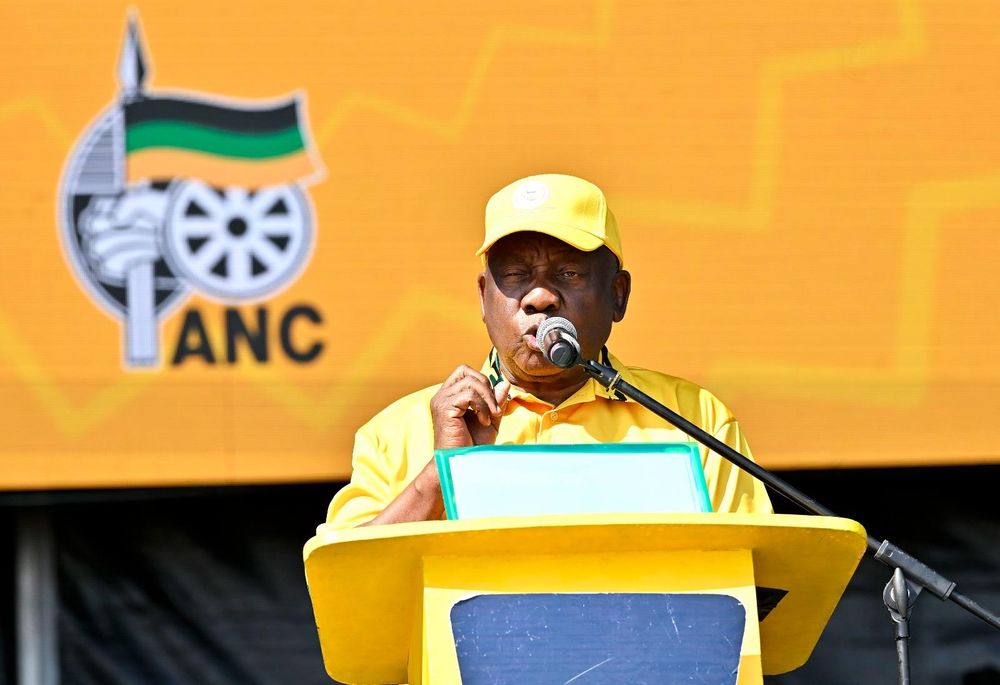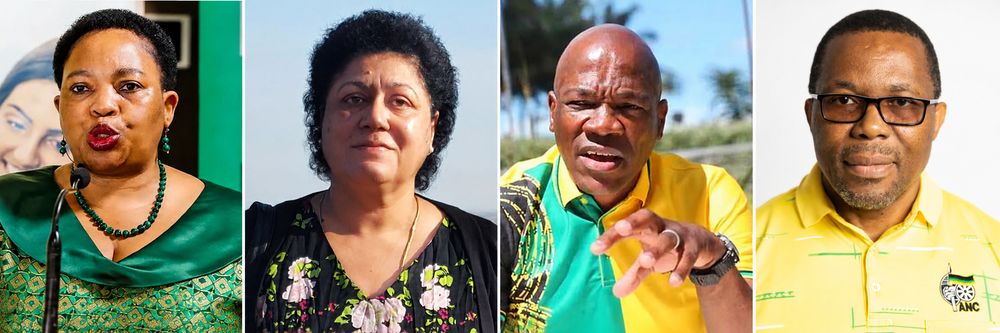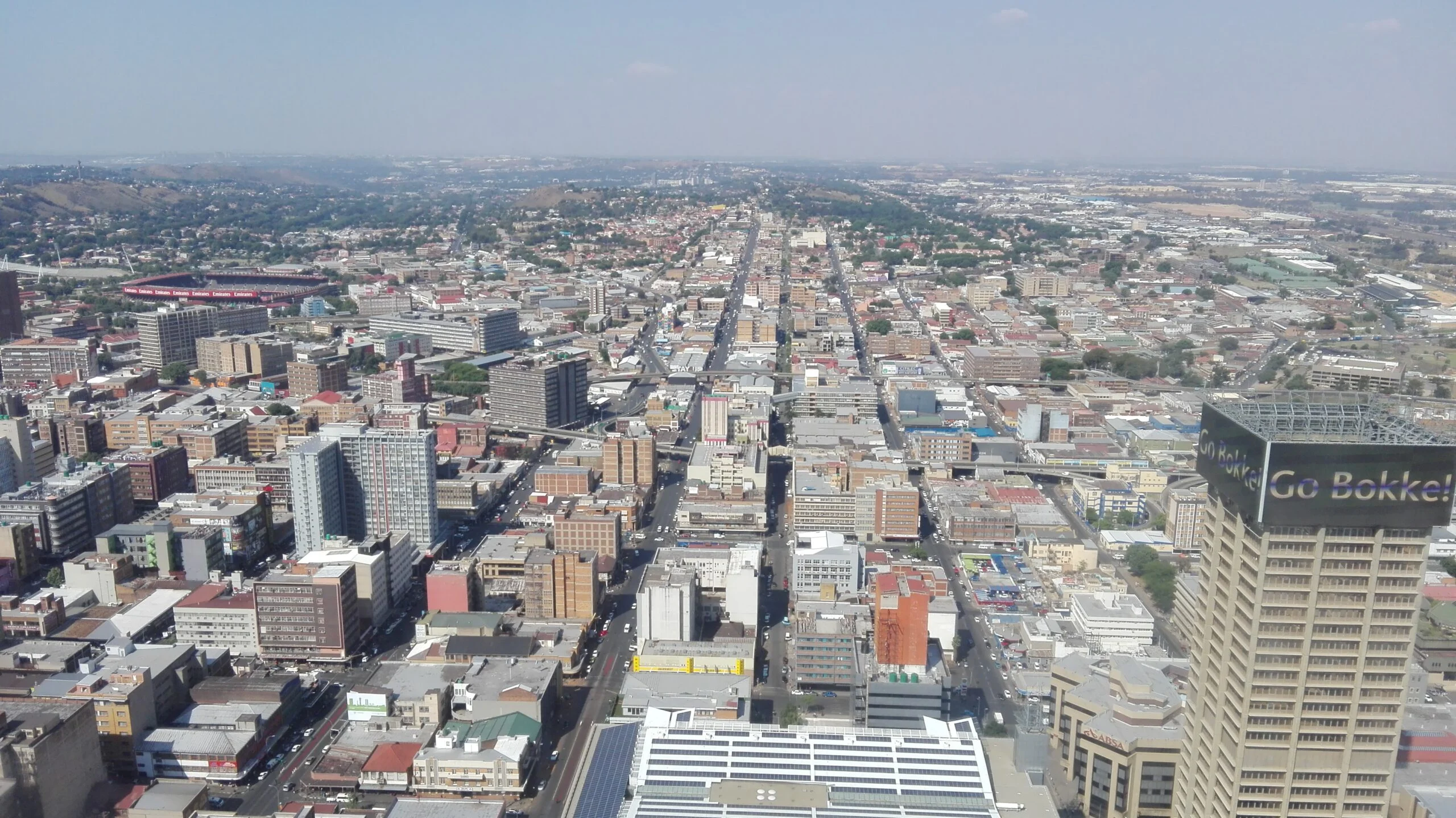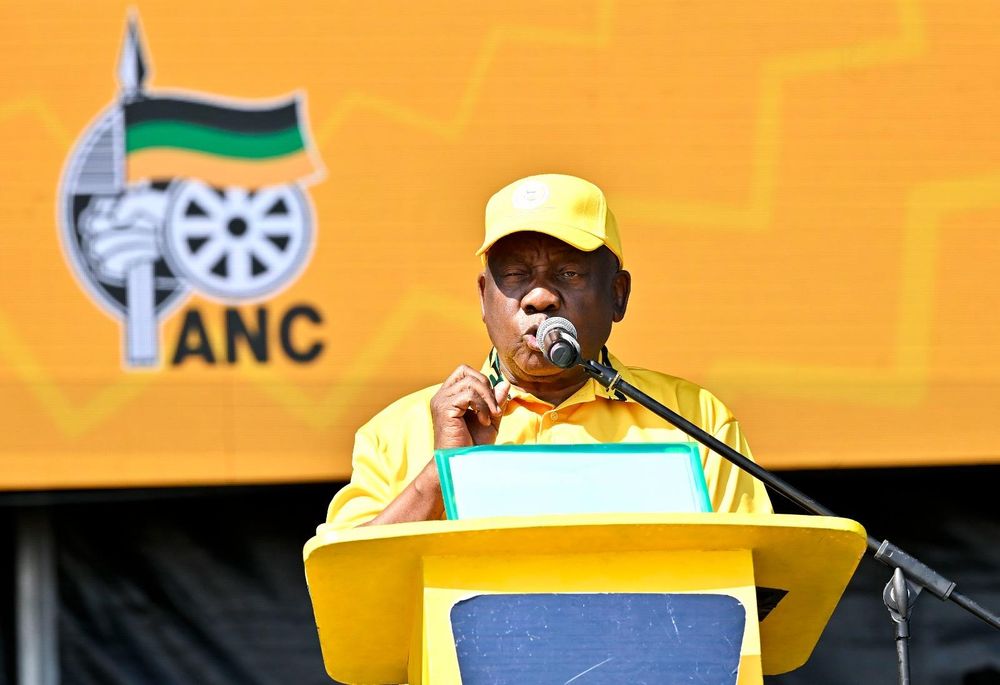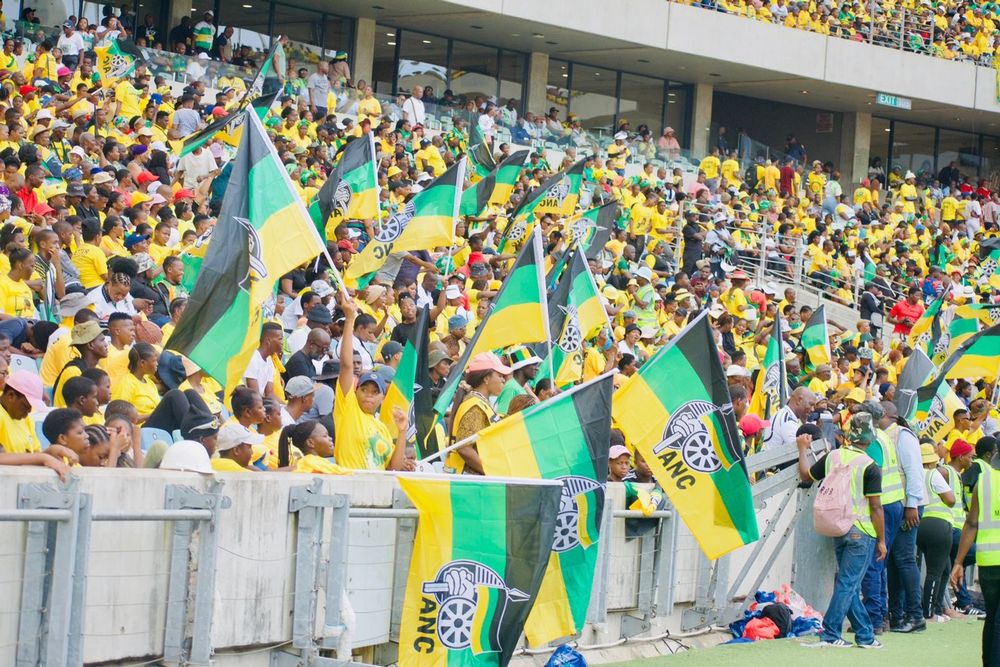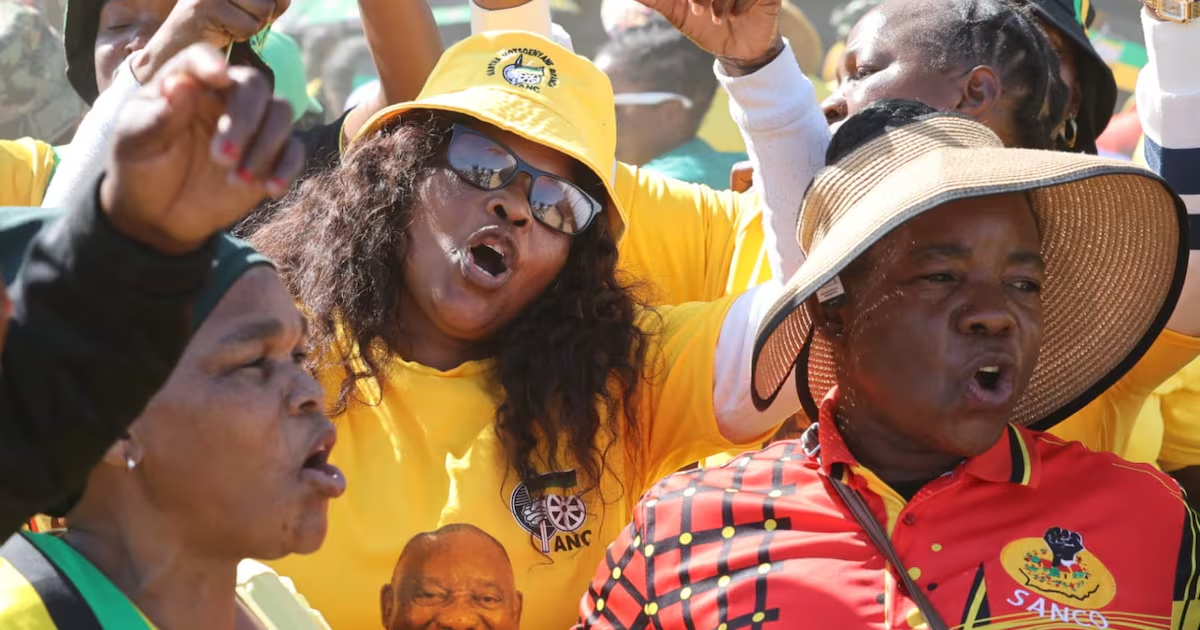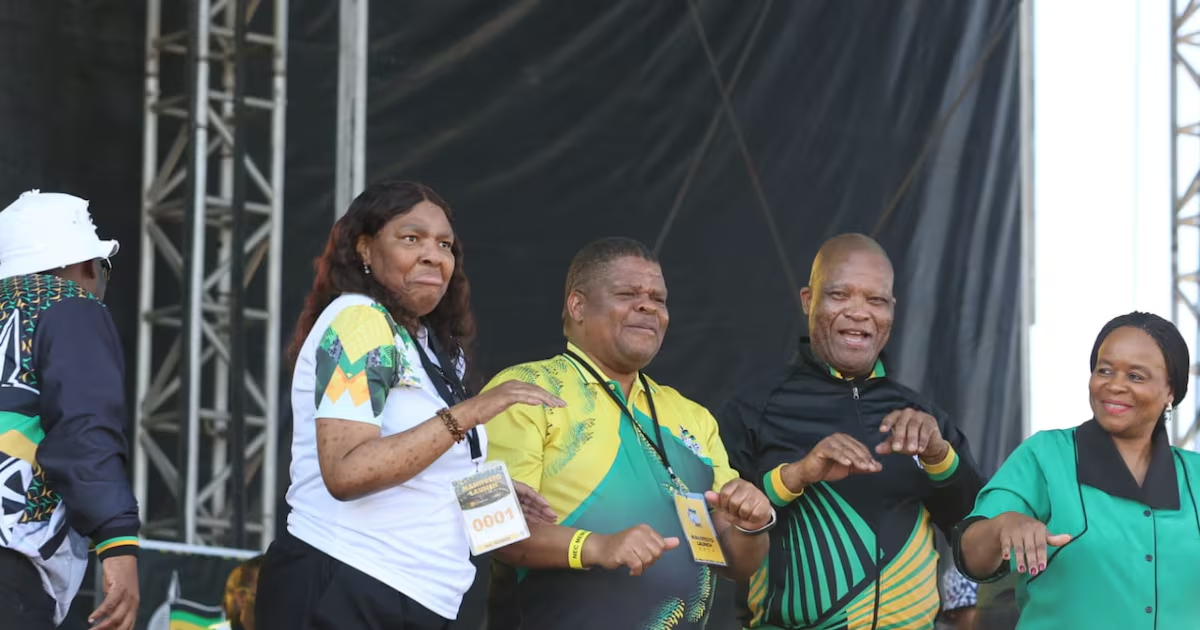
While the ANC intended to use its manifesto launch in Diepsloot to argue that it can still run South Africa’s municipalities, the highly disorganised event instead painted a clear picture of the party’s ongoing struggles. At the venue in Riverside Park, event logistics faltered, leaving organisers struggling with crowd control and basic schedule timing amid visible frustration from residents who used the gathering to protest against local service delivery failures. More so, the ANC key promises focused on resolving major problems that the party itself by and large created over three decades in power, including failing water systems, unreliable electricity, the accumulation of municipal debt and widespread corruption.The ANC promised to restore essential infrastructure, prioritising immediate repairs to failing water networks, sewerage systems, power grids and local roads. It pledged to tackle municipal financial stability by setting targets to reduce debts owed to major utilities such as Eskom and water boards by 2031, alongside reviewing local funding models. The manifesto emphasises improved financial management, aiming for clean audit outcomes in municipalities, stricter enforcement against financial misconduct, and timely payments to compliant suppliers and workers.Credit though where it is due. Under President Cyril Ramaphosa, the ANC has attempted to confront the scourge of corruption through both internal party rules and state institutional reforms. Internally, the party introduced the step-aside policy to force members facing formal criminal charges to temporarily step down, while also empowering its internal integrity commission to investigate leaders and recommend disciplinary action. Beyond the party structure, Ramaphosa backed judicial inquiries such as the Zondo and Malanga commissions to expose public sector corruption and focused on rebuilding key law enforcement institutions, including the National Prosecuting Authority, the Special Investigating Unit and the National Anti-Corruption Advisory Council.Choosing Diepsloot for the manifesto launch was a good idea as the venue was a strategic attempt to highlight recent government-built housing but broader operational troubles quickly overshadowed the event. The party is facing heavy internal candidate disputes across the country and cancelled its planned rollout of mayoral candidates at the last minute.Delaying those candidate announcements leaves the ANC fighting a tough election without telling voters who will lead their local governments where the ANC wins. This gives rival parties a distinct advantage. Both the DA and the EFF launched their manifestos early with their mayoral slates already set, allowing them to project stability and readiness while the ANC remains tied up in internal candidate selection disputes.What should worry the party far more is what it did not do at the weekend and with less than 70 days to the municipal polls. The ANC had spent weeks interviewing candidates through its NEC and was expected to announce its mayoral candidates for the country’s eight metros and 257 municipalities on the same weekend. At the eleventh hour it abandoned that plan, reportedly out of fear that publicly naming candidates would trigger the kind of internal factional warfare that has already cost the party dearly in previous election cycles. Candidates will now be announced only in September, roughly two months before voters go to the polls on November 4.The delay leaves the ANC fighting the most competitive local government election since 1994 without the one thing every voter wants to know before casting a ballot: who would run their city if the ANC won. It hands opposition parties a gift they did not have to earn. Every week the ANC spends managing internal disputes over candidate lists is a week the DA, MK and EFF spend campaigning with certainty about their own slates.The DA launched its manifesto in Newtown on August 8 with its mayoral candidates on the stage: Helen Zille for Johannesburg, Cilliers Brink for Tshwane, Khathutshelo Rasilingwane for Ekurhuleni. The party thus presented itself as the disciplined, implementable alternative. The EFF did the same in Thohoyandou in July using its 13th anniversary rally to unveil both manifesto and mayoral picks in one motion, projecting organisational coherence even as its own governance record faces scrutiny. Both parties turned candidate certainty into a campaign asset whereas the ANC is asking voters to trust it without naming its mayoral candidates.Business Day
EDITORIAL | ANC expects voters to support its unnamed candidates
While the DA and EFF turned candidate certainty into a campaign asset, the ANC is asking voters to trust it with cities for which it cannot yet say who will run
684 words~3 min read