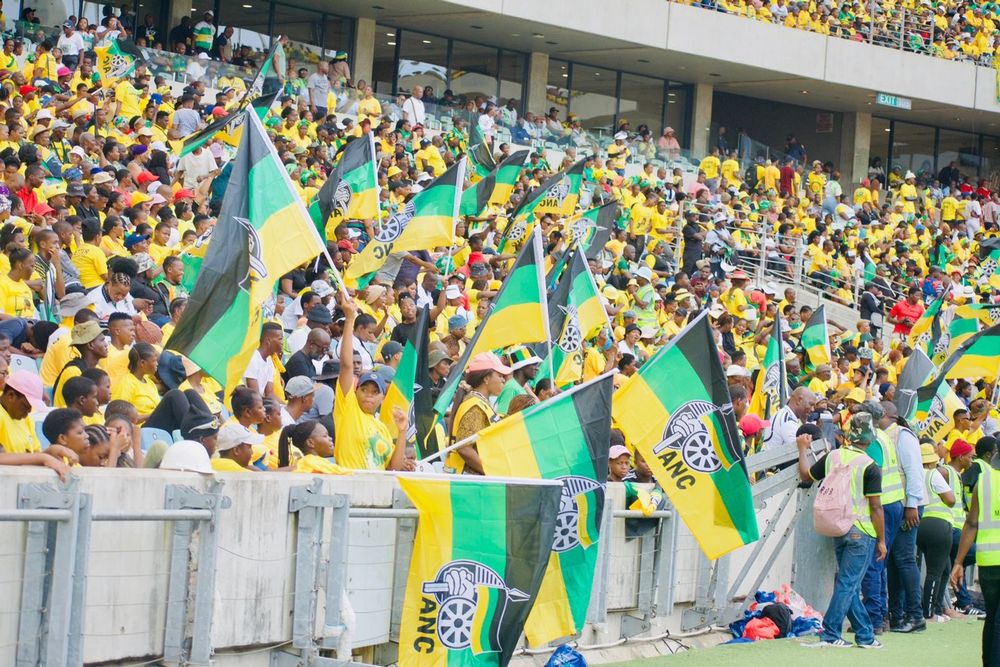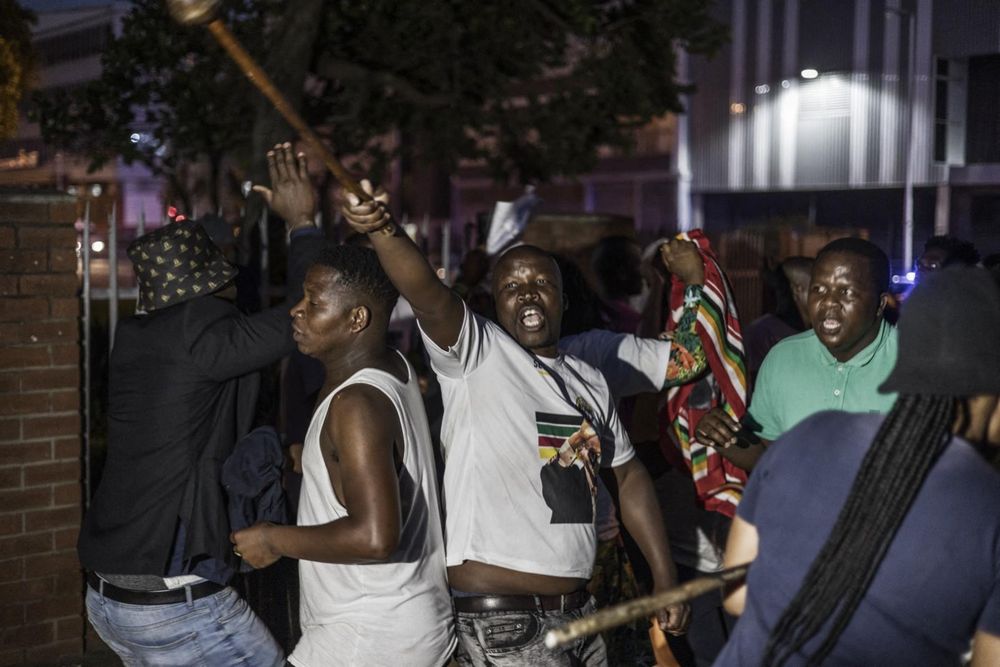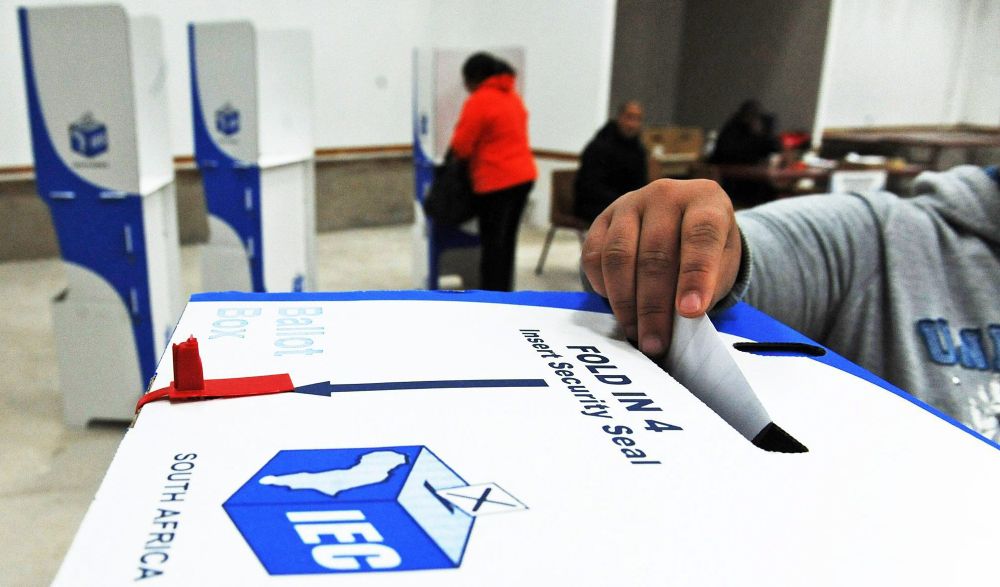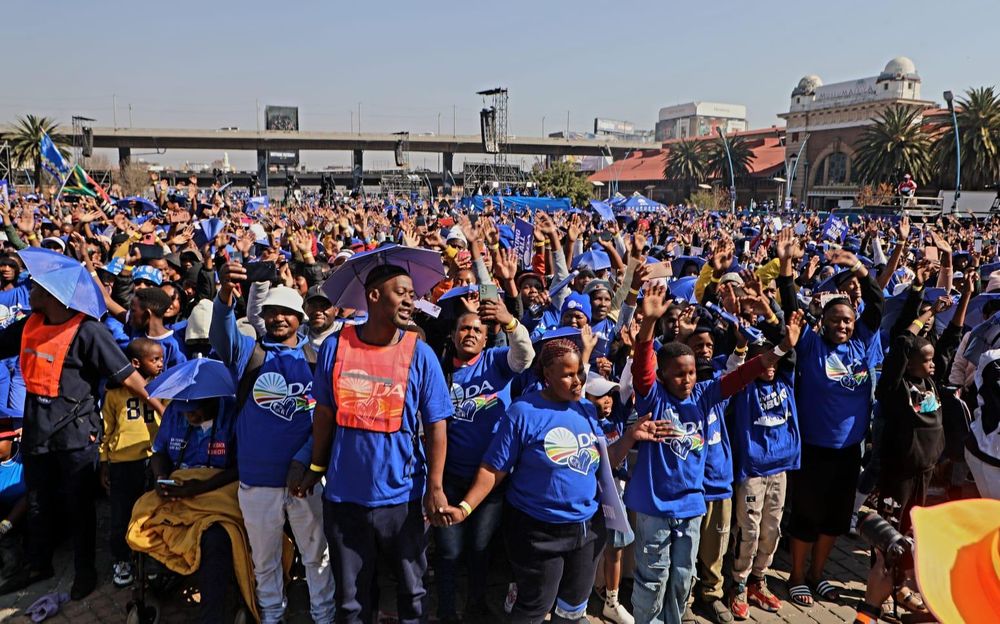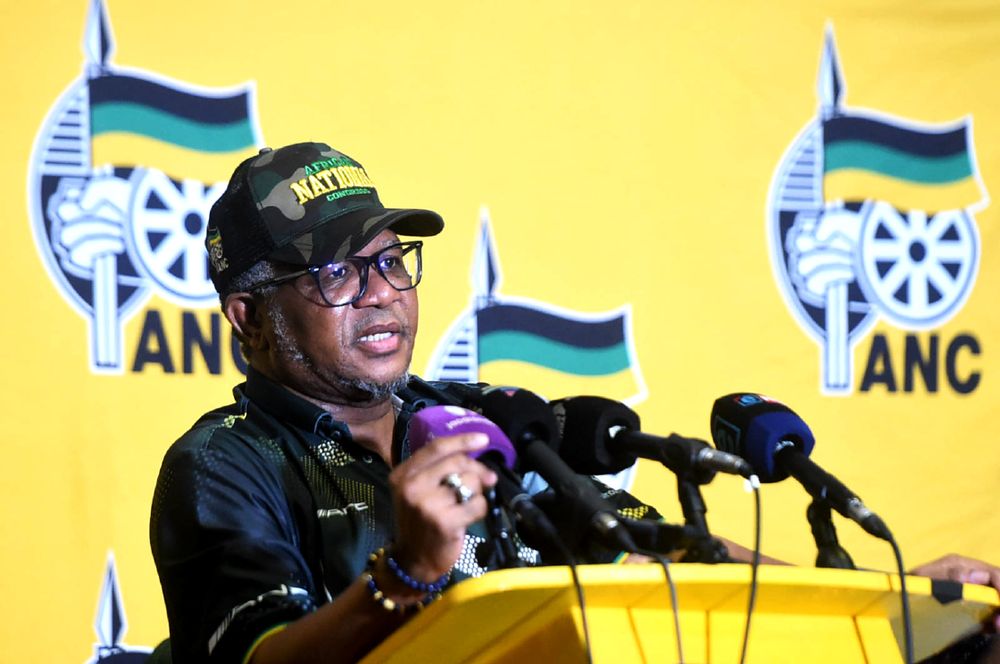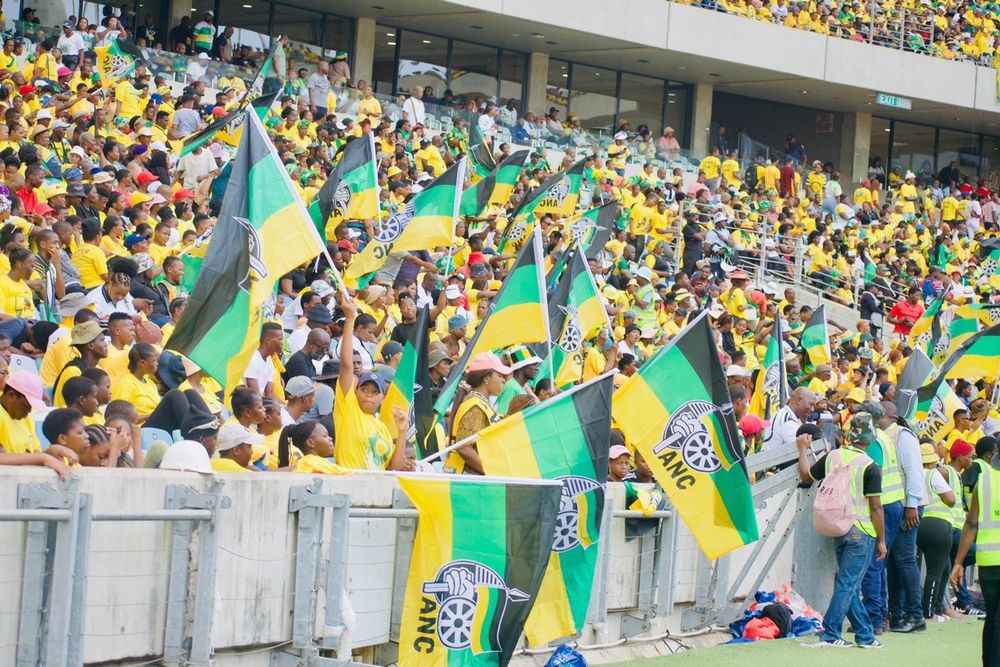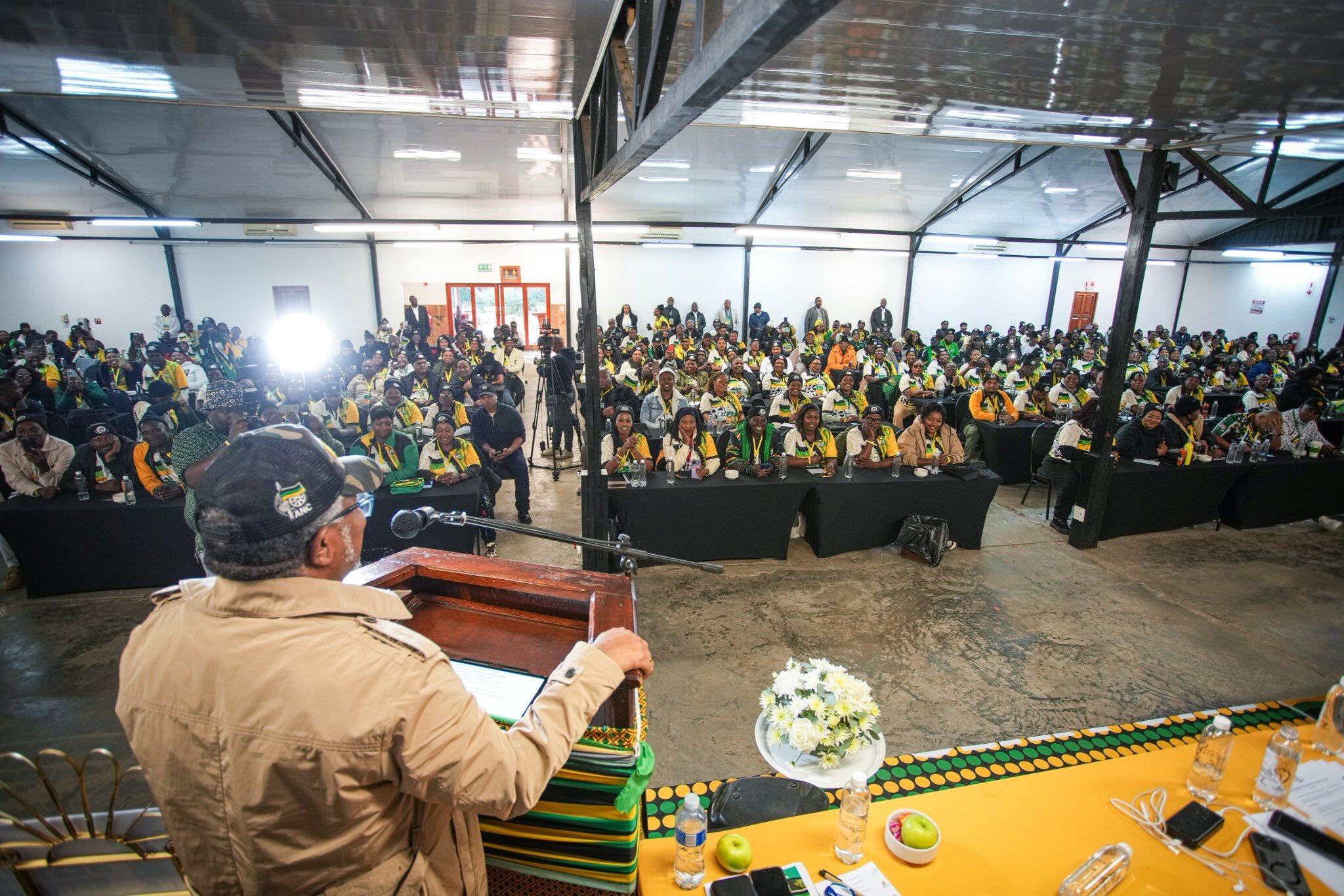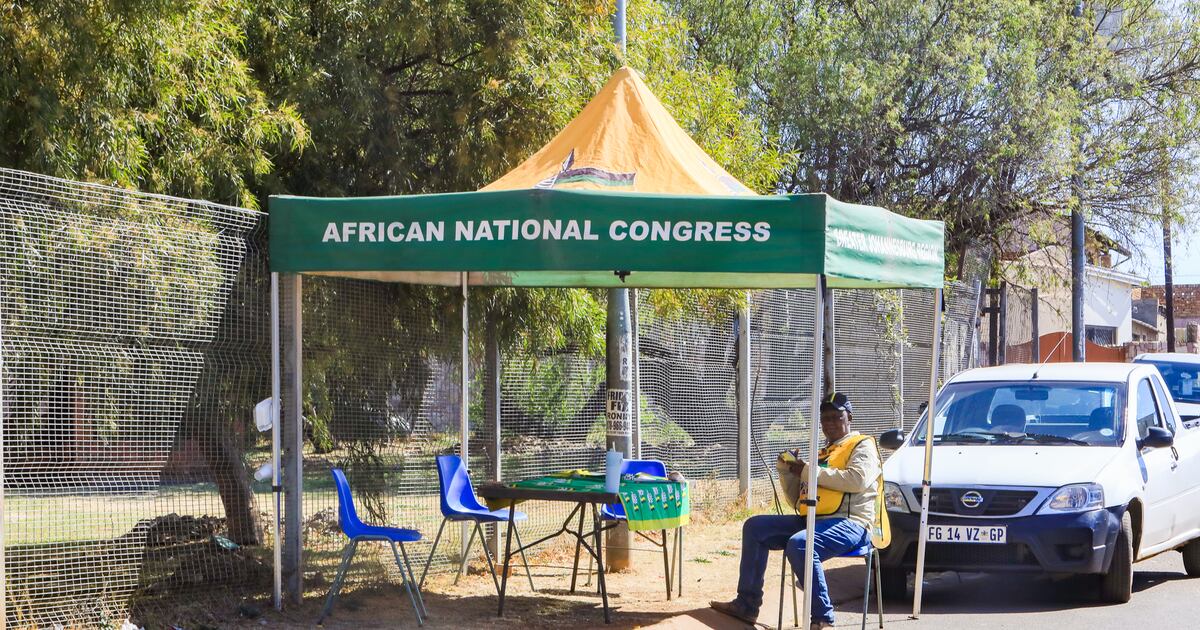
The ANC is running an unusually low-key campaign for the November local government elections. The absence of posters in some urban centres and the delay in naming candidates create an impression of drift in the party’s election strategy. But another perspective is that the party is working through a more rigorous selection process and a ground-up campaign aimed squarely at the turnout problem that hurt it last time.Whether the strategy works will depend on execution, which the public may not be able to see yet. Candidate announcements are still pending, and the manifesto has not been launched. Other parties have used the head start to build momentum with voters who are already paying attention. The ANC is betting that a slower, more disciplined build will matter more on election day than an early show of visibility.On Wednesday the ANC held the first of its 2021 Local Government Elections Manifesto Review media briefings, run by its Local Government Intervention subcommittee, assessing the party’s progress against 102 commitments made five years ago. The party acknowledged it has not always acted decisively and that indecision has compromised improvements that could otherwise have been made, while asking voters for another chance. Mayoral candidates are expected to be announced the next week.The ANC’s low visibility isn’t happening in a vacuum. Social Research Foundation polling conducted with The Common Sense between July 8 and 31 puts national ANC support at 34%, against 27% for the DA and a rising MK party at 15%. In Johannesburg the ANC polls at 18%, less than half the DA’s 42%, and in eThekwini the ANC has slipped to third place, behind the DA and MK. Tshwane is the ANC’s strongest metro, with support just above 30%, but still well short of a DA above 40%.With less than three months to go, Gauteng streets carry noticeably fewer ANC posters than in past cycles, while the DA has already rolled out an extensive digital push. The ANC has yet to name its mayoral candidates for the metros and major commercial hubs, even as the DA, the EFF and ActionSA have moved ahead with their announcements. The ANC’s manifesto launch, set for a smaller setting in the Joburg township of Diepsloot on the outskirts of the metro rather than a major stadium, breaks with the tradition of staging these events as large-scale political theatre. The ANC has also changed how it selects mayoral candidates this cycle. Regional leaders no longer receive an automatic ticket, and the party has run an extensive interview process, considering more than 10,000 candidates across 4,300 wards nationally who have been making their case directly to communities in a low-key, underground campaign. ANC insiders say they have gone back to the drawing board, opting out of an aerial campaign (the “air war”) until the last few months before the November municipal ballot, insisting instead that it is focusing on a ground campaign (the “ground game”). ANC volunteers who in the past appear to have done little more than knock and drop pamphlets in past elections have apparently been trained through structured programmes, political education workshops and direct campaign mobilisation. These initiatives focus on building local election capacity and community outreach, which will be complemented by party leaders on the ground. A heavy emphasis on sustained, personal voter contact has apparently already been rolled out.The ANC lost its national majority — an event unthinkable until recent years — because it refused to change tack or address its structural shortcomings. It appears to have finally realised that relentless pamphleteering will only further inflame the deadly levels of political apathy that have pervaded South Africa. A more mature approach from all major political parties can only be a good thing.Any course correction may well be driven by last-ditch instincts of survival, but it is also evidence of a democracy working as intended.Whether it is too little, too late — for both the ANC and beleaguered voter turnout — is another question entirely.Business Day
EDITORIAL | ANC shifts to ground game for local elections
Party bets on low-key outreach and candidate vetting to combat voter apathy
661 words~3 min read