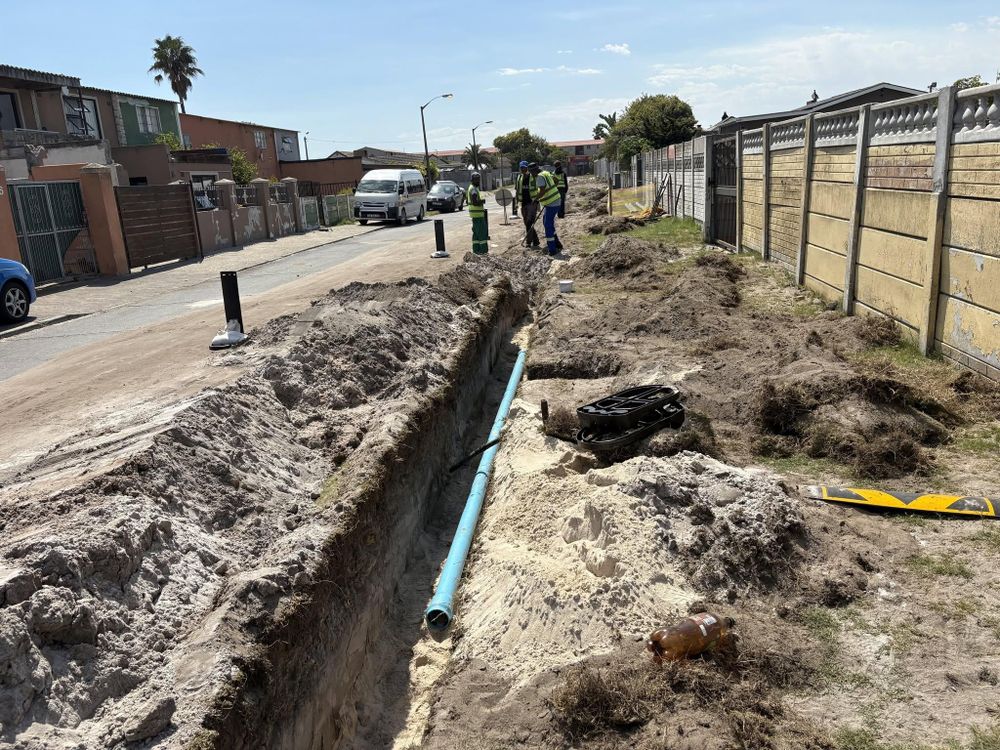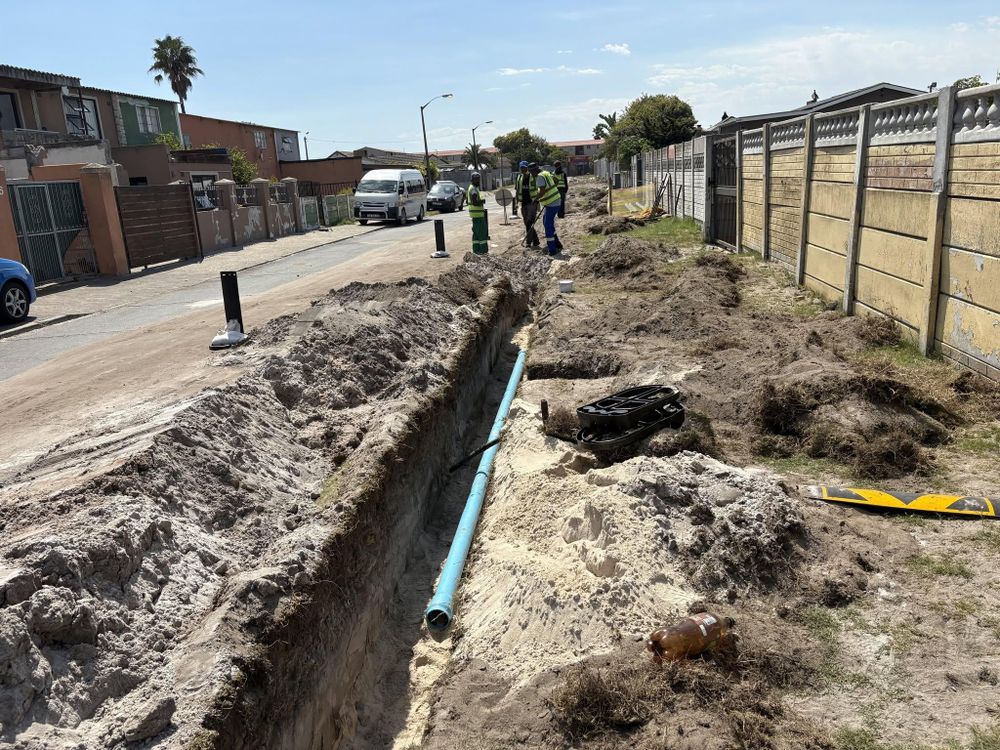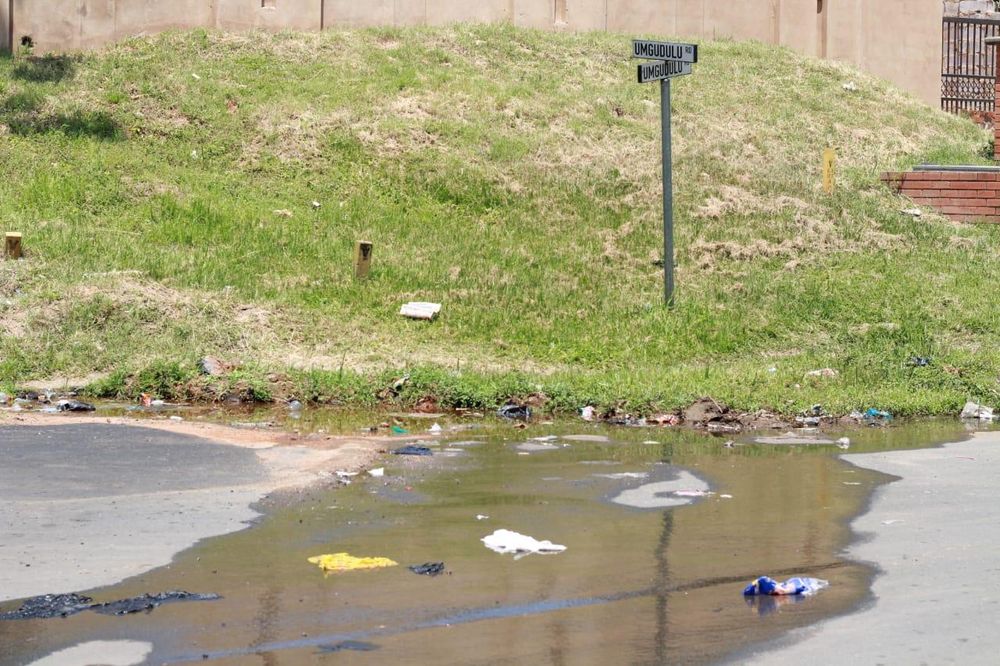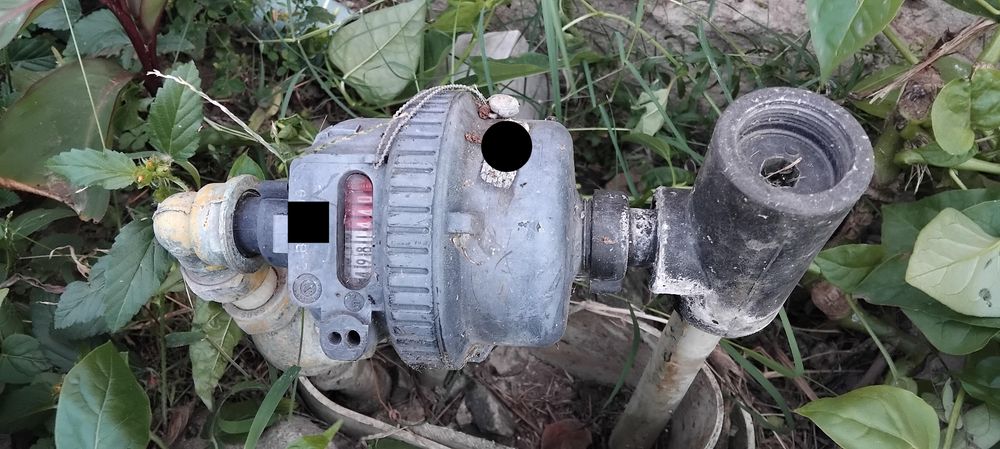
Deputy water & sanitation minister David Mahlobo laid out the numbers plainly: 74% of water services authorities are performing poorly or are in a critical state, 81% of municipal wastewater infrastructure is in a similarly poor condition and on average 47% of the water pumped into municipal systems (nearly half) is lost before it reaches a paying customer. He also made a fair point: public scepticism about yet another government plan is understandable after years of neglect (“Turning the president’s plan for water into action”, August 10). “Water services” is really just a name for the last, unglamorous leg of a long journey from a dam through bulk infrastructure into a network of pipes and finally out of a household tap. It is the leg on which the plan will succeed or fail, because it is where that 47% of water is actually being lost: through leaking pipes, illegal connections, faulty meters and poor billing controls. Johannesburg’s recurring outages are simply the most visible version of a problem repeated in many municipalities across the country. This is exactly where the department of water & sanitation’s Water Partnerships Office (WPO) has begun to matter. Established with the Development Bank of Southern Africa and South African Local Government Association, it helps municipalities structure bankable, performance-based contracts with the private sector as one of its solutions (it has six). The Association for Savings & Investment South Africa has supported preparatory work on performance-based contracts and water reuse projects directly by sponsoring recently retired public sector professionals to help draw up appropriate contractual models and engage with municipalities. We have also offered rapid intervention support for a municipality wanting to prioritise its requirements. So, what more can be done to avoid scepticism? The first is pace. Implementation needs to move at a speed commensurate with the problem. Most leak reduction does not require a financing structure at all. It requires ordinary municipal contract management to find and replace leaking pipes. Municipalities should formally request assistance from the WPO rather than the other way around, where the WPO needs to knock on doors. Performance-based contracting is not a quick fix. It requires feasibility studies and may only solve for part of water demand. Finance will follow where payment is billable, ringfenced and secure.A social contract with ratepayers should be part of the contracting process. We too often think about funding without realising that if a retirement fund finances new investment in water infrastructure the money needs to be repaid to fund pensions. Therefore, there cannot be any risk of payment contestation, as we have had with toll roads. Finance will follow where payment is billable, ringfenced and secure.Mahlobo’s own examples show the model working when it is done properly. The concession arrangements in Ballito (iLembe) and Mbombela have improved operational efficiency and reduced service disruptions. The national water action plan gives the country a co-ordinated framework, backstopped by a new National Water Resource Infrastructure Agency, a strengthened legal framework and, on the plan’s own timeline, an independent regulator. Long-term capital is ready to cofinance the parts of the system that can repay it. We are in a national crisis because up to half of our scarce water resources are wasted or not being paid for. Municipalities with a leaking network should be asking the WPO for assistance with a sense of immediacy. More importantly, putting pipe-replacement contracts out to tender in full view of ratepayers can start limiting leaks immediately. That is a substantive, public half of the bargain that will translate a national plan into water at the tap. • Smith advises the Association for Savings & Investment South Africa on national initiatives.
STEPHEN SMITH | Water crisis needs municipalities ready to contract
Performance-based contracts and transparency seen as essential to tackling losses
609 words~3 min read