Terms such as “water-stressed” and “water crisis” are no longer sufficient to describe the global reality. The world has entered what the UN has termed “water bankruptcy” – a condition in which water is being withdrawn faster than climatic and hydrological systems can replenish it.
Although not every country or river basin is water-bankrupt, enough critical systems have crossed these thresholds to fundamentally alter the global risk landscape.
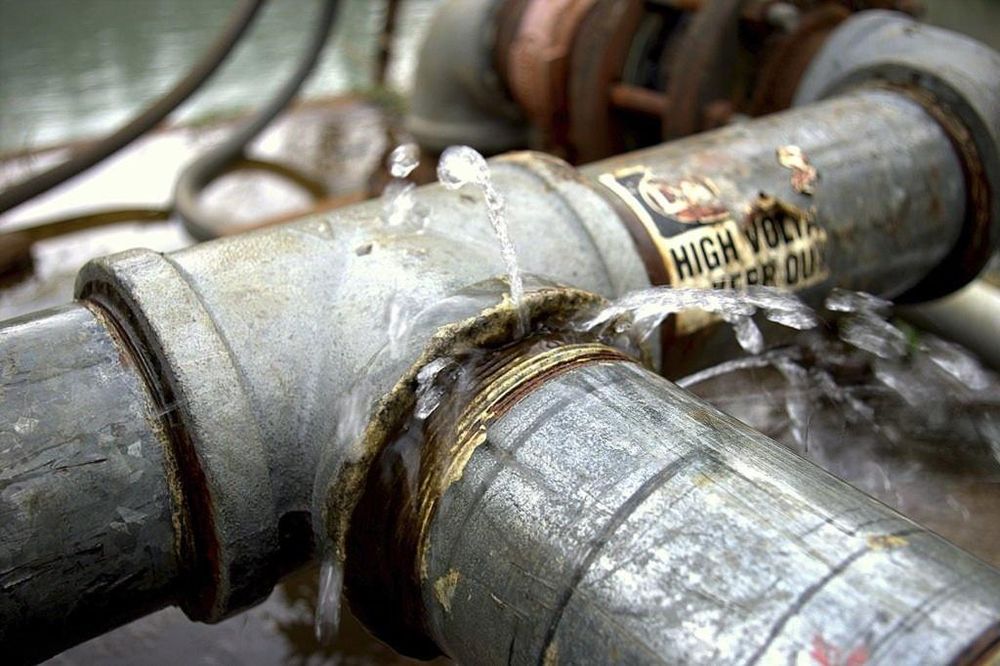
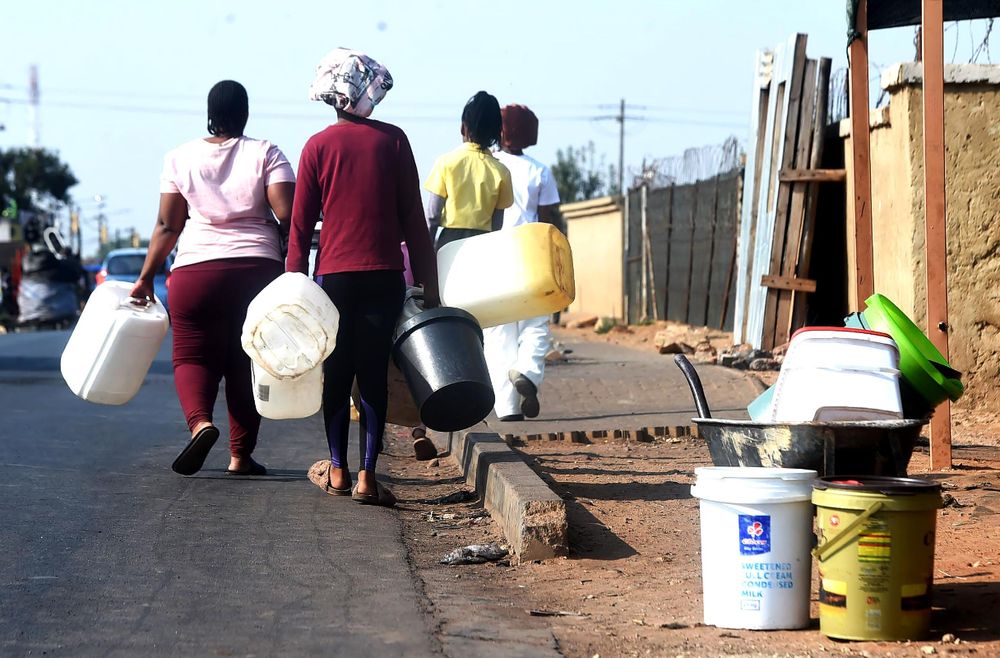
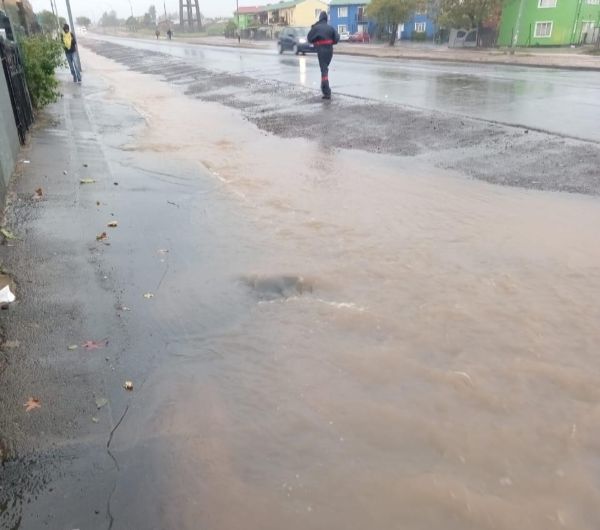
South Africa’s water stress remains high, at 67%, driven by environmental pressures and failing infrastructure. The country’s escalating water outages are primarily the result of deteriorating infrastructure rather than an absolute lack of water. Nearly half of treated water is lost before reaching consumers owing largely to leaks, ageing pipelines, illegal connections and inadequate maintenance.
At the same time, climate change is compounding pressure on water supply and demand, heightening the risk of “Day Zero” scenarios in several South African cities.
Creamer Media’s ‘Water 2026: New approach needed’ report examines these challenges, with a focus on nonrevenue water, declining water quality and widespread municipal failure. It considers the evolving regulatory and policy environment, and assesses investment in water infrastructure and major projects intended to strengthen water security. Attention is also given to the protection of critical infrastructure and the investment required to reverse deterioration, expand supply and improve the long-term outlook for South Africa’s water sector.