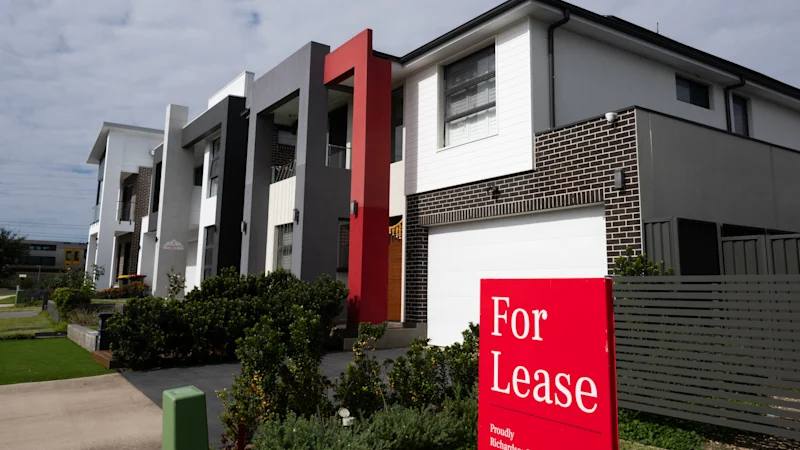
August 26, 2026 — 12:15pmThe Reserve Bank’s next meeting may have to consider another interest rate rise after new figures showed inflation failing to slow as quickly as the bank had hoped.The Australian Bureau of Statistics this morning said the monthly inflation rate eased to 3.5 per cent in July after coming in at 3.8 per cent in June. It’s the lowest headline inflation rate since November last year.Prices rose a full percentage point in July, largely due to the increase in petrol prices caused by a lift in fuel excise. Petrol prices jumped by 7.5 per cent in the month after falling for the previous three months.But there was also an unexpectedly large lift in prices for clothing and footwear which lifted by 2.6 per cent through the month. Over the year, prices have climbed by 4.9 per cent.House construction costs, a key concern of the bank, lifted by 5.7 per cent over the past year as builders passed on higher costs to consumers.The pressure in building costs varies across the country. The smallest growth has been in Melbourne where prices have lifted by 3.9 per cent over the past year, while the biggest jump has been in Hobart where prices have soared by 10.8 per cent.It’s a similar story for rents. Rents are climbing fastest in Darwin, up by 6 per cent over the year, followed by Perth (5.3 per cent) and Brisbane (4.6 per cent).The smallest increase has been in Canberra, by just 1.3 per cent, followed by Melbourne (2.5 per cent) and Hobart (3 per cent). Rents have lifted by 3.5 per cent in Sydney.Food prices also climbed through the month, driven by a sharp lift in the cost of takeaway and restaurant meals. Restaurant meals in Sydney alone jumped by 1.7 per cent through July.But prices for staples such as fruit and vegetables, breakfast cereals, coffee and tea dropped through the month.Of more concern to the Reserve Bank was a 0.5 per cent lift in underlying inflation. This measure of prices had been expected to ease but instead remained steady at 3.6 per cent.The result had an immediate impact on the currency market, with the value of the Australian dollar lifting on the greater chance of an interest rate rise at the RBA’s next meeting in late September.Before that meeting, however, the bank will get the August inflation result plus another insight into the state of the jobs market.At the state level, prices rose in every capital city with the biggest jump of 1.3 per cent in Adelaide and Hobart. Annual inflation in the two cities is now 4.4 per cent and 4.5 per cent respectively.Prices rose by 0.9 per cent in Sydney and 1 per cent in Melbourne, with the annual rate in both at 3.2 per cent.Cut through the noise of federal politics with news, views and expert analysis. Subscribers can sign up to our weekly Inside Politics newsletter.From our partners
Rate rise back on cards despite a step down in inflation
The Reserve Bank may have to deliver another interest rate rise with new figures showing inflation easing in July - just not enough.
488 words~2 min read