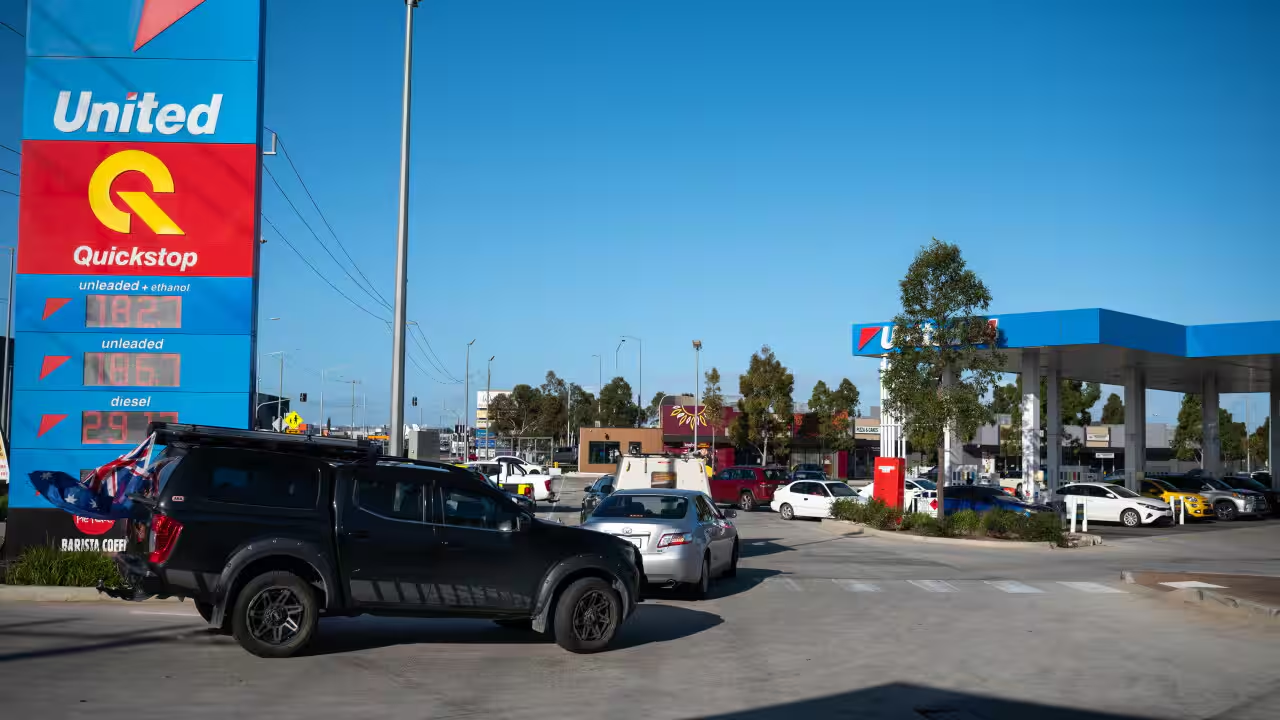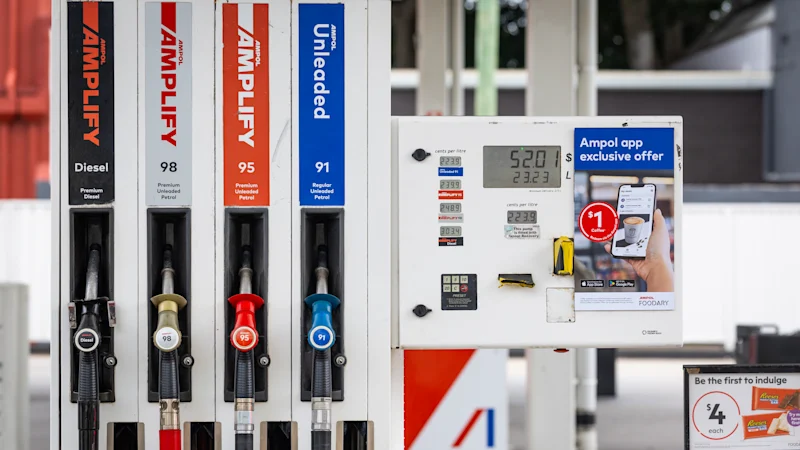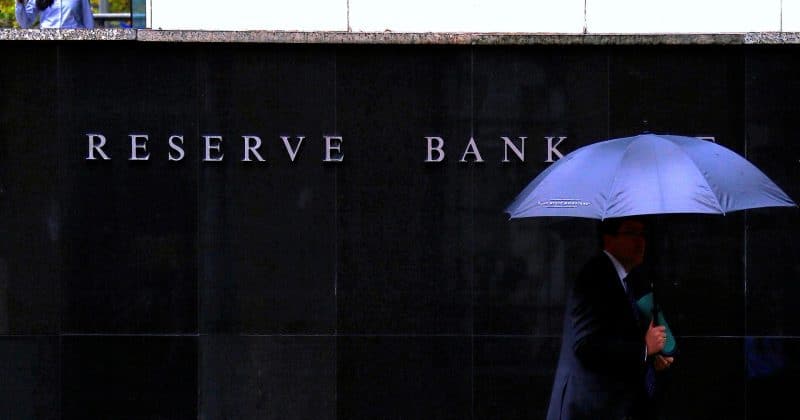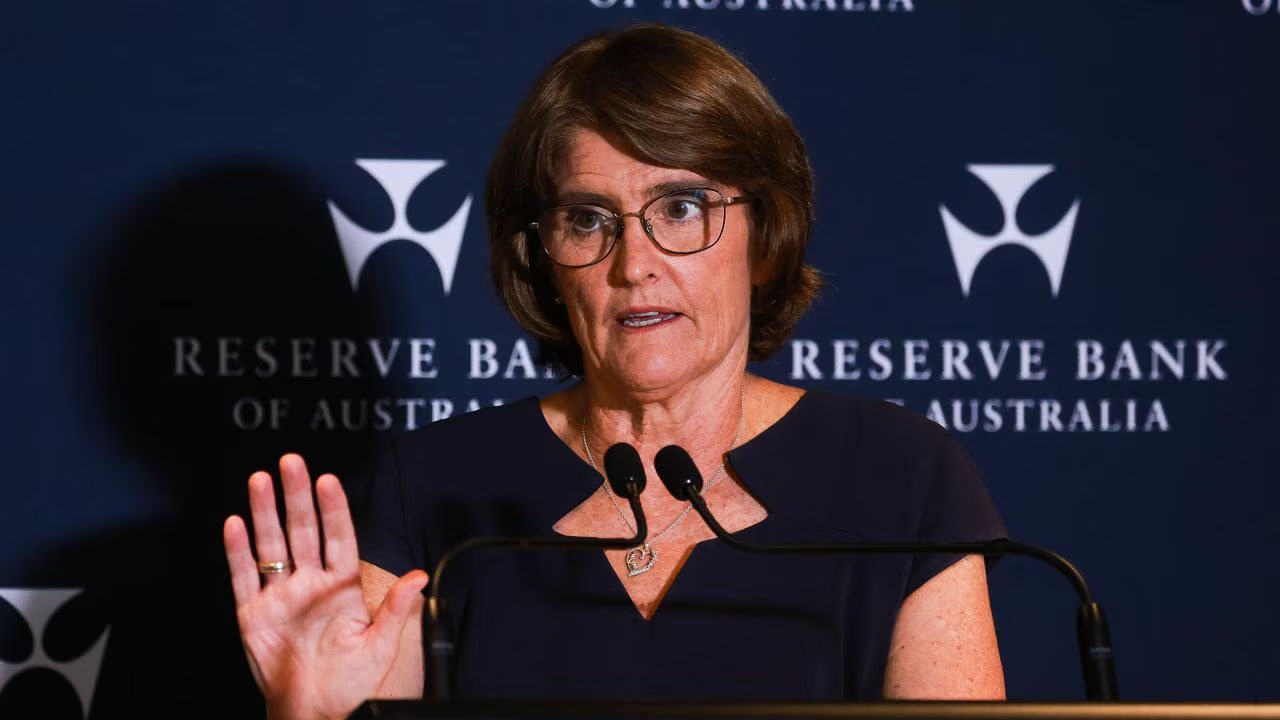
Australia’s inflation rate will fall in April, thanks to the government temporarily pausing a tax excise, but it is unlikely to stop the Reserve Bank raising interest rates again this year.Ahead of Wednesday’s official inflation rate, three of the big four banks – Commonwealth, National Australia Bank and ANZ – have all tipped the consumer price index to slide from 4.6 per cent recorded in March.Experts forecast the headline inflation rate to come in at between 4.3 to 4.4 per cent. But the all important trimmed mean inflation rate – which removes volatile and seasonally adjusted items – will continue to rise to 3.4 per cent.AMP chief economist Shane Oliver told NewsWire households won’t be hit with a rise in the cash rate – currently at 4.35 per cent – after the RBA’s next board meeting on June 15-16. “I think the Reserve Bank will hold for the simple reason they’ve already hiked for three meetings in a row and they now judge – as per the minutes last week – that monetary policy is restrictive,” he said.“But we are still allowing for another rate hike in August because even if the US-Iran war has ended we still will have capacity pressures in the economy and underlying inflation is still too high, which will tip the RBA into one more hike.” Money markets are currently predicting just a 9 per cent chance for interest rates to rise in June, but are expecting a greater than 50 per cent chance of rate pain by September. Why will inflation slow in AprilThe cost of living pain is tipped to temporarily slow in April, largely thanks to the government cutting taxes on fuel. Australia’s inflation story has largely been driven by rising fuel prices in recent months due to the US-Iran war.Before the Middle East conflict, oil prices were about $US56 ($A78) per barrel in January, before temporarily touching $US120 (A$167) per barrel.The price of fuel continued to fluctuate throughout April before cooling closer to $US110 ($A153) a barrel. For every $10 increase in the price of oil, Australians pay an extra 10 cents at the fuel pump.Helping to ease some of the inflationary impacts of the war was the federal government’s decision to halve the fuel excise and temporarily pause the GST windfall on rising fuel.This saved motorists 26 cents a litre, directly through the fuel excise and around 5.7 cents a litre through returning the GST. But that excise cut is scheduled to come off on July 1, with the Albanese government refusing to say if it will be extended.Mr Oliver predicts inflation to moderate slightly in April, with fuel taking around 1 per cent off the inflation rate.But this will be offset from rises across the economy. “There are some things that will have solid increases in the month of April – things like a seasonal rise in domestic and international travel prices, private health insurance premiums and clothing and footwear prices will be up solidly,” he said.“So even though transport prices will probably be down due to the fuel excise and GST reductions, it will be offset by these things.” yAttention turns to underlying inflationEQ Economists managing director Warren Hogan says the central bank will largely ignore any rise in headline inflation.Instead, he says the central bank will be closely watching the trimmed mean inflation rate. “This is where our vulnerability is because we didn’t get inflation under control prior to the conflict and because we learnt inflation was picking up last year,” he told Sky News. “We are really not sure how much the initial energy shock will filter through the economy.“That is the key for the RBA, they will look through one-off hits to inflation, but it is what filters through.”Mr Hogan warned Australia would likely be hit harder by the energy shock crisis in the Middle East compared with the rest of the world, largely due to having a higher inflation rate heading into the conflict.“The reality is we are nowhere near getting inflation under control, it could be quite a problem if Wednesday’s number reveals what we suspect and there is an inflation pulse running through the economy,” he said.“In the absence of a downturn in the economy, I think they are going to have to raise rates again – and probably a few times – so why not just get on with it.”“We know the current cash rate of 4.35 per cent which is where we got to in 2024 didn’t get inflation under control then, so what’s to say it is going to get it down now.”Read related topics:Reserve Bank
Rate hikes loom despite slowing inflation
Australia’s inflation rate will fall in April, thanks to the government temporarily pausing a tax excise, but it is unlikely to stop the Reserve Bank raising interest rates again this year.
767 words~3 min read