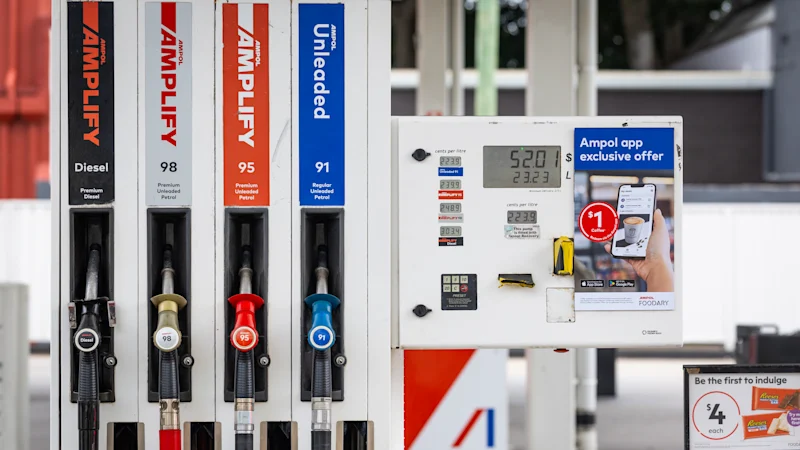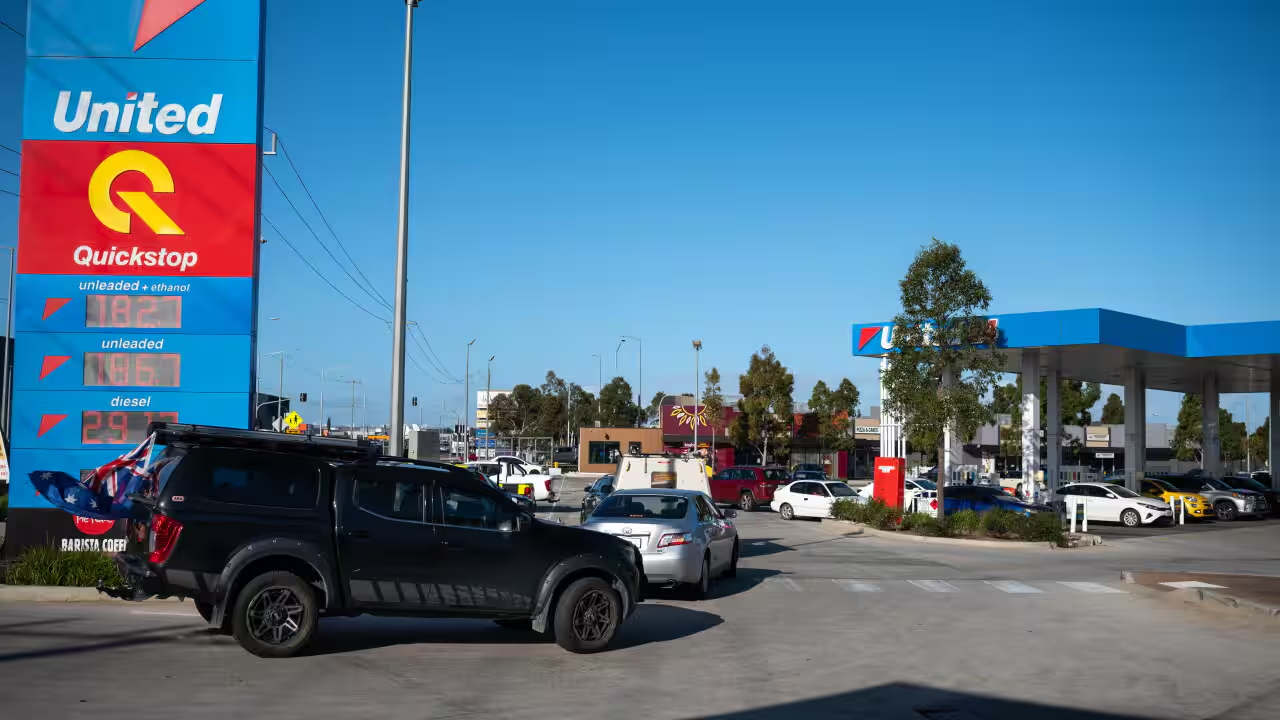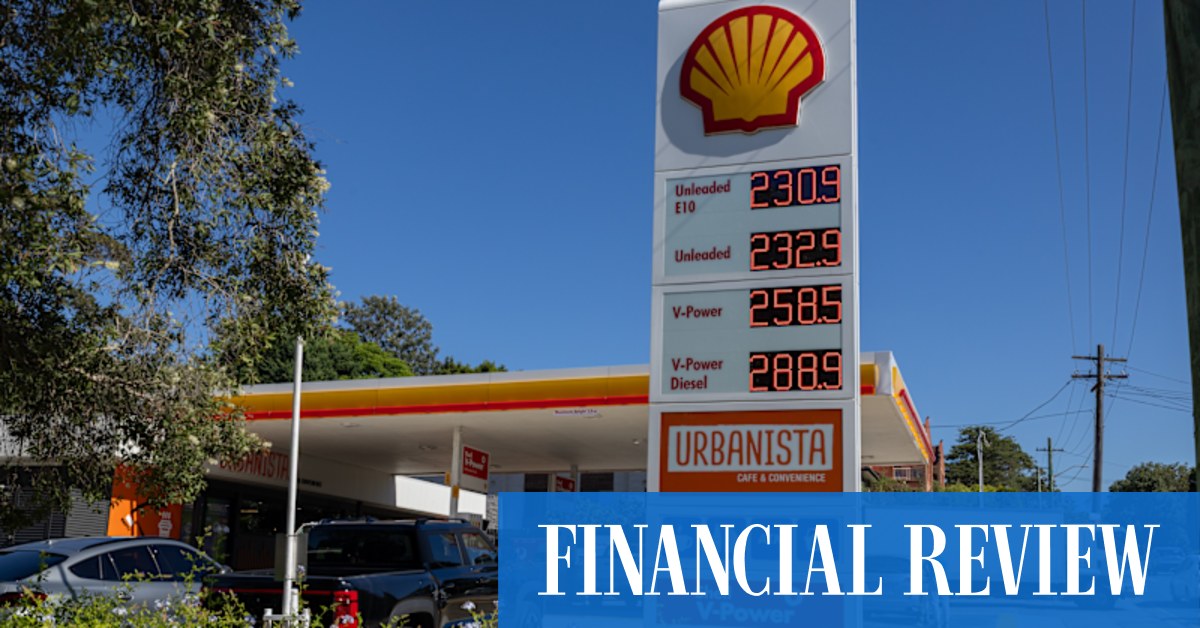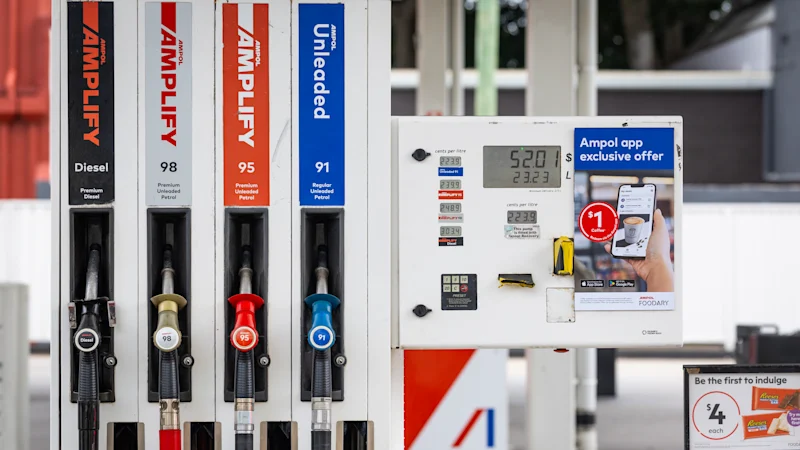
May 27, 2026 — 11:59amInflation has eased from a three-year high as the federal government’s cut to petrol excise artificially reduces the cost of living.The Australian Bureau of Statistics reported on Wednesday that inflation fell to 4.2 per cent in April, after spiking to 4.6 per cent in March.Spiking fuel prices had pushed inflation higher in March.Louie DouvisLast month alone, prices fell by 0.1 per cent after jumping by 1.1 per cent in March.The result was driven by the movement in petrol prices. Transport costs, which soared by 9.2 per cent in March, fell by 2.7 per cent last month.But in a sign that price pressures remain embedded in the economy, the closely watched measure of underlying inflation rose slightly to 3.4 per cent after reaching 3.3 per cent in March.ABS head of prices statistics, Sue-Ellen Luke, said fuel prices fell 7 per cent from March to April, after rising 32.8 per cent the month before.“The fall this month includes the halving of the fuel excise on 1 April. Automotive fuel prices are still 23.5 per cent higher compared to February and before the impact of the Middle East conflict,” she said.“The impact of higher oil prices has also been seen in products and services with high freight and logistics costs, such as parcel delivery and building materials. This is reflected in price increases of... 4.7 per cent for new dwelling construction compared to 12 months ago.”Housing prices rose 6.3 per cent in April, making it the largest contributor to annual inflation as the highest weighted group in the consumer price index. The 6.6 per cent rise in transport was the next biggest contributor.Average prices for regular unleaded petrol fell 10 per cent, from 228 cents per litre in March to 206 cents per litre in April. Diesel had a 14 per cent rise in average price, from 256 cents per litre in March to 292 cents per litre in April, excluding the excise cut.Ahead of the figures, expectations of an interest rate rise by the Reserve Bank had been falling. A week ago, financial markets had fully priced in a rate rise by August with a 50-50 chance of a follow-up increase by year’s ahead.But concerns over the global economy due to the unresolved war against Iran had dramatically wound back expectations with markets now expecting one rate cut towards the end of this year with a high chance of rate cuts in late 2027.Cut through the noise of federal politics with news, views and expert analysis. Subscribers can sign up to our weekly Inside Politics newsletter.Shane Wright is a senior economics correspondent for The Sydney Morning Herald and The Age.Connect via X or email.Brittany Busch is a federal politics reporter for The Age and Sydney Morning Herald.Connect via email.From our partners
Inflation retreats from three-year high
But in a sign that price pressures remain embedded in the economy, the closely watched measure of underlying inflation rose slightly to 3.4 per cent.
463 words~2 min read