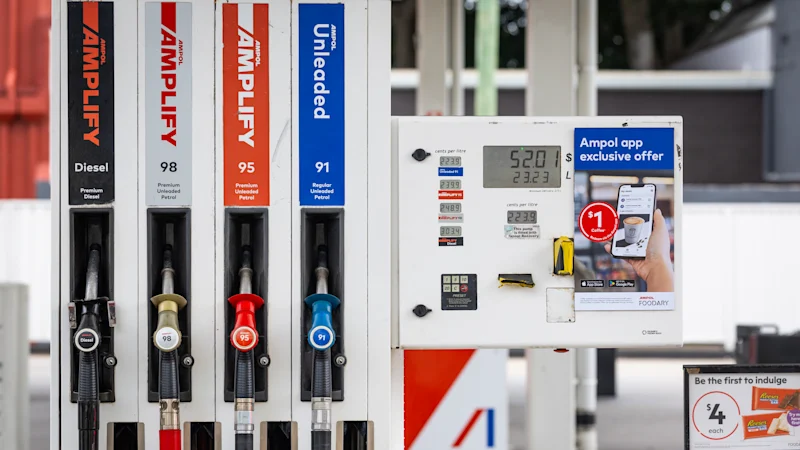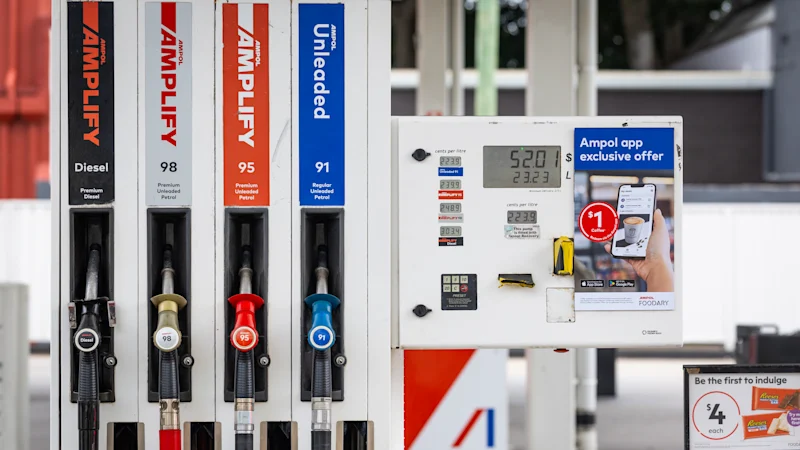
Wed 27 May 2026 at 11:50amWed 27 May 2026 at 11:50amFuel prices fell 7 per cent in April, after the federal government halved the fuel excise to shield motorists from the global energy shock. (ABC News: Sharon Gordon)Headline inflation decelerated in April, with consumer prices increasing at an annual pace of 4.2 per cent, down from 4.6 per cent in March.Automotive fuel prices fell 7 per cent in April after rising 32.8 per cent in the previous month.The fall in fuel prices included the halving of the fuel excise on April 1, a measure introduced by the federal government to shield motorists from the global energy shock.Trimmed mean annual inflation, which is the Reserve Bank's preferred measure of underlying inflation, was 3.4 per cent in the 12 months to April, slightly up from 3.3 per cent in March.Economists say the Reserve Bank will keep interest rates on hold at next month's meeting.Sue-Ellen Luke, ABS head of prices statistics, says despite the halving of the fuel excise, automotive fuel prices are still 23.5 per cent higher than they were before the war in the Middle East began in February.The higher fuel costs are bleeding into other areas of Australia's economy, which is why trimmed mean inflation has risen slightly."The impact of higher oil prices has also been seen in products and services with high freight and logistics costs, such as parcel delivery and building materials," she said."This is reflected in price increases of 12.4 per cent for postal services and 4.7 per cent for new dwelling construction compared to 12 months ago."
Breaking: Headline inflation eases to 4.2 per cent in April as fuel prices fall
Headline inflation decelerated in April, with consumer prices increasing at an annual pace of 4.2 per cent, down from 4.6 per cent in March.
261 words~1 min read