Israeli scientists have published research upending the long-held assumption that DNA mutations occur at random, a potentially major genetic breakthrough that could eventually lead to customized treatments for cancer and other diseases caused by genetic issues.
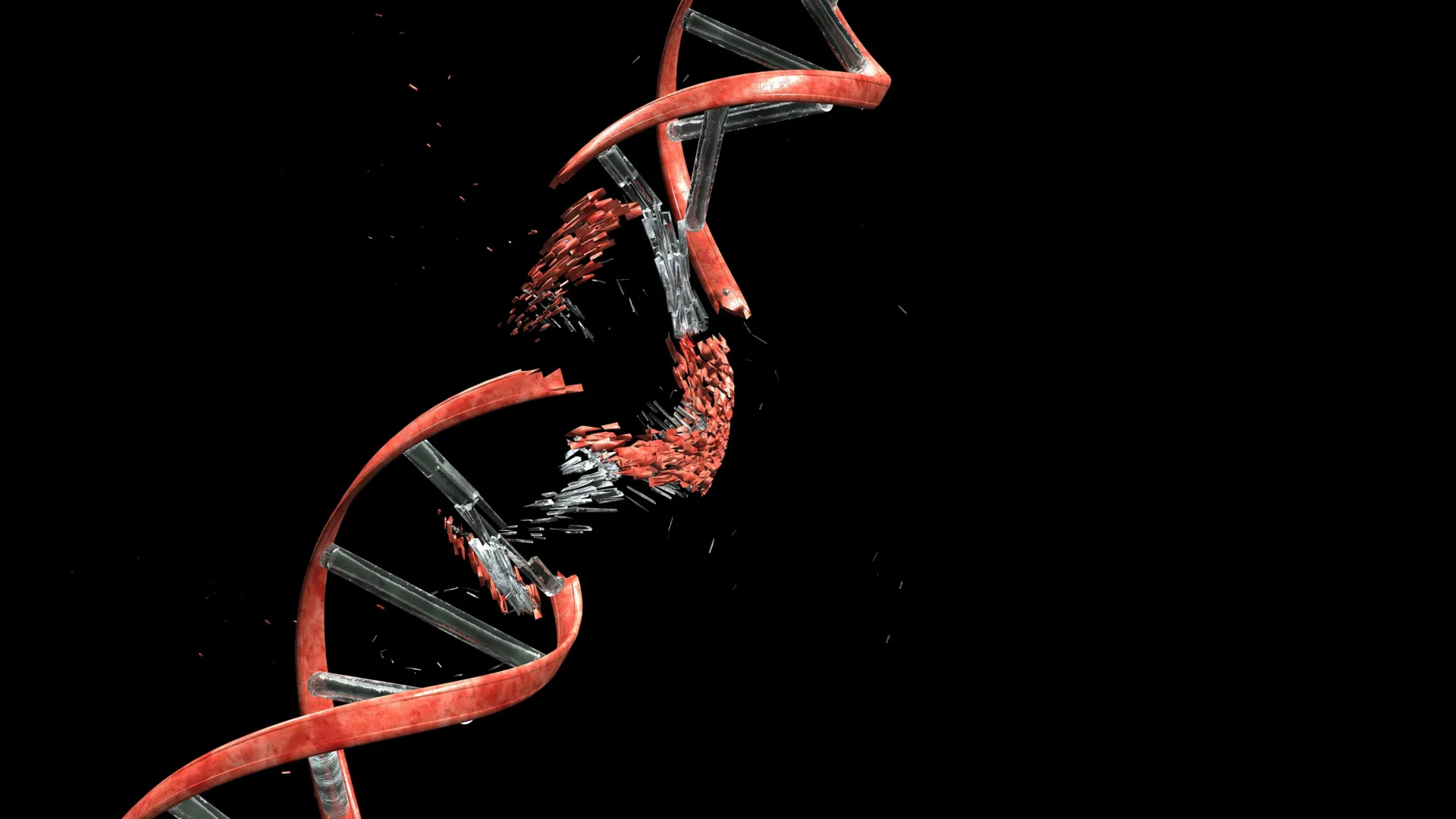
The peer-reviewed study by a Weizmann Institute of Science research team showed that when DNA strands are damaged, a repair enzyme’s ability to fix the site depends heavily on the DNA’s physical shape and structure, which can either attract repair enzymes or physically block them from working.
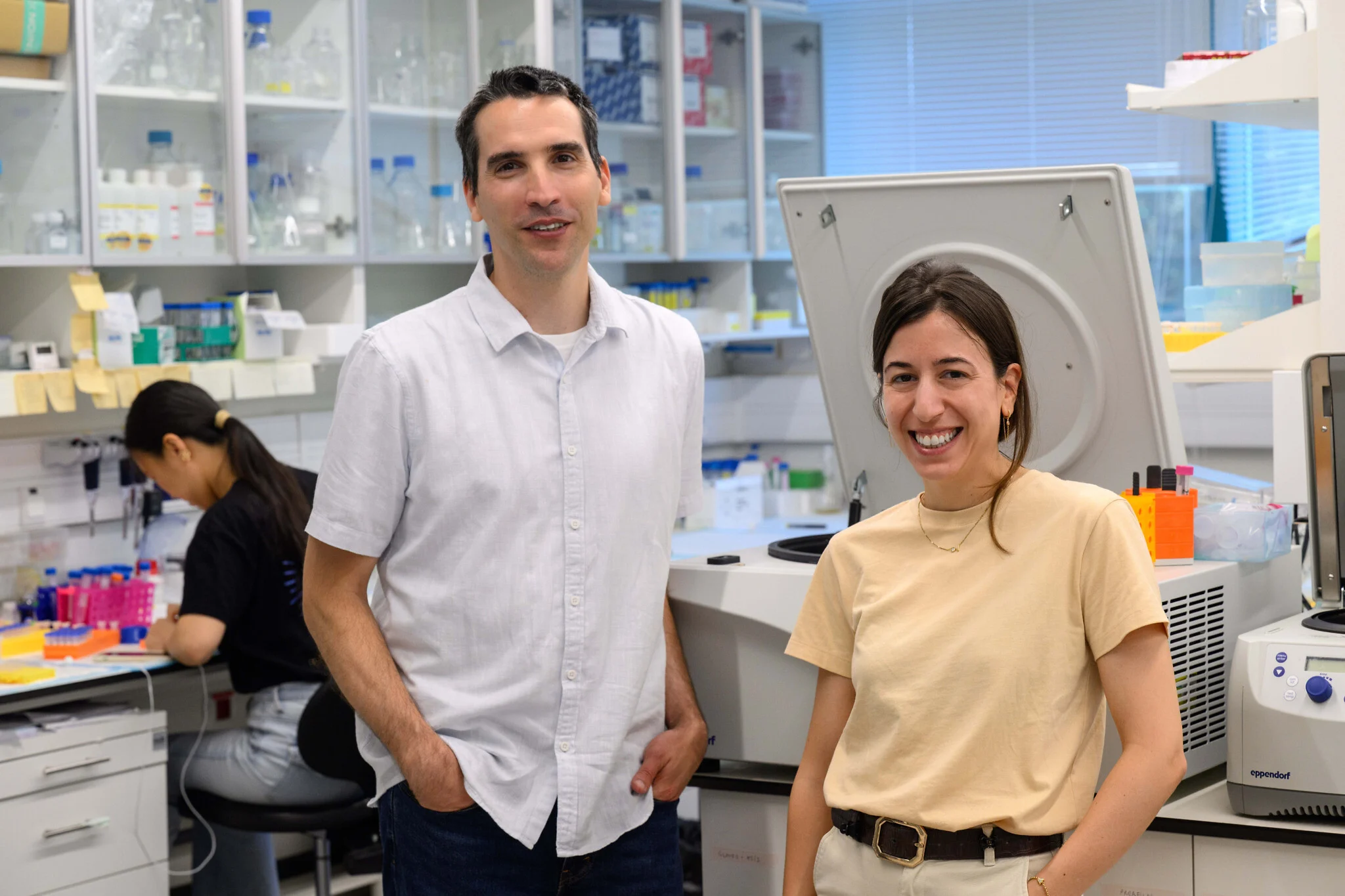
“The local physical environment around DNA damage can strongly affect how it is repaired,” Weizmann’s Dr. Ariel Afek, who supervised the research, told The Times of Israel. “If it bends in one direction or twists in another, it could make the efficiency of the repair a hundred times easier or harder.”
Noga Levy led the research at Afek’s lab at Weizmann along with other Weizmann researchers and Prof. Brian P. Weiser and other scientists at Rowan University in New Jersey.
The scientists’ findings, which appeared in July in Nature Communications, relied on specialized DNA microchips developed by the team to test thousands of genetic strands simultaneously.