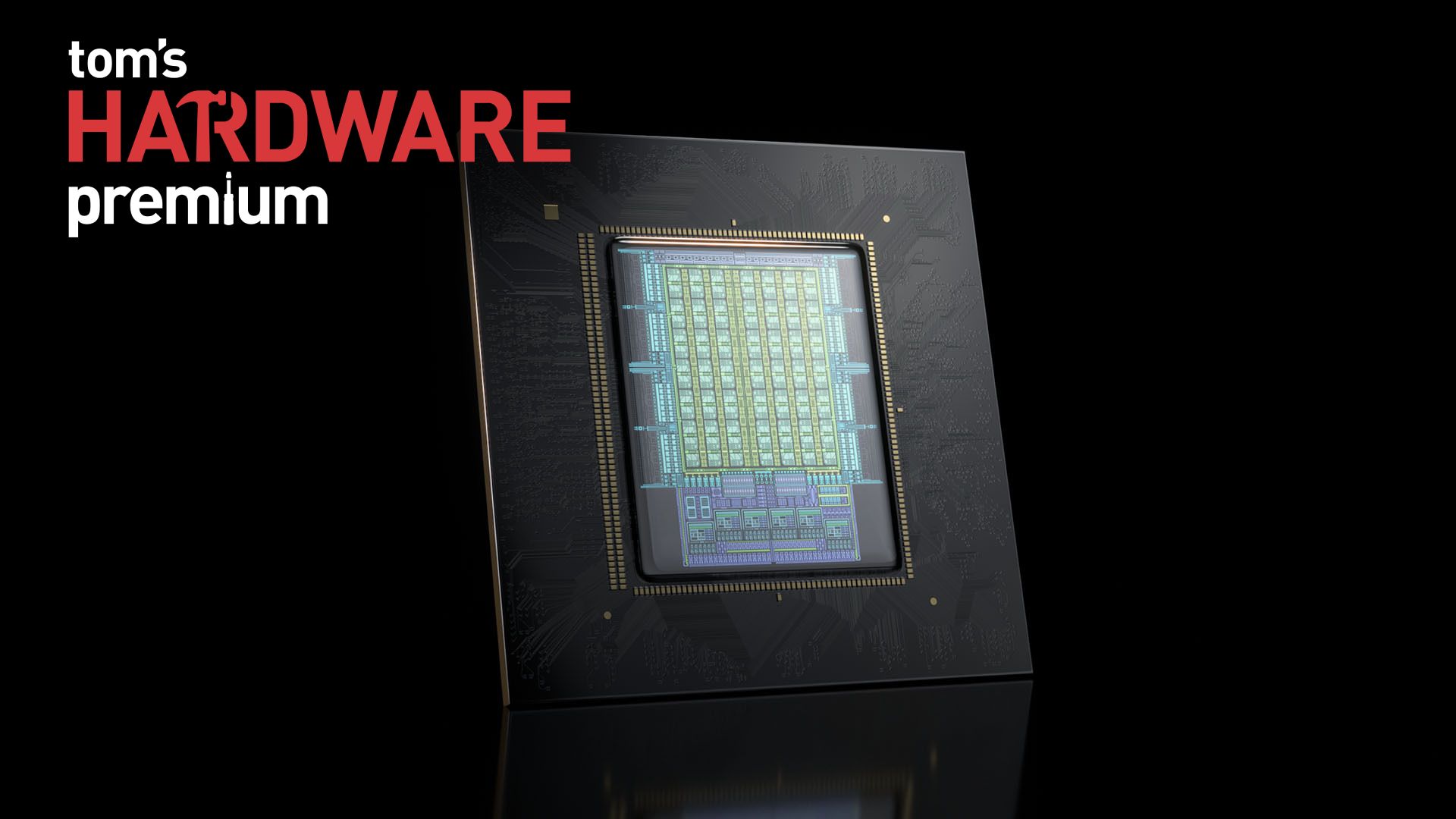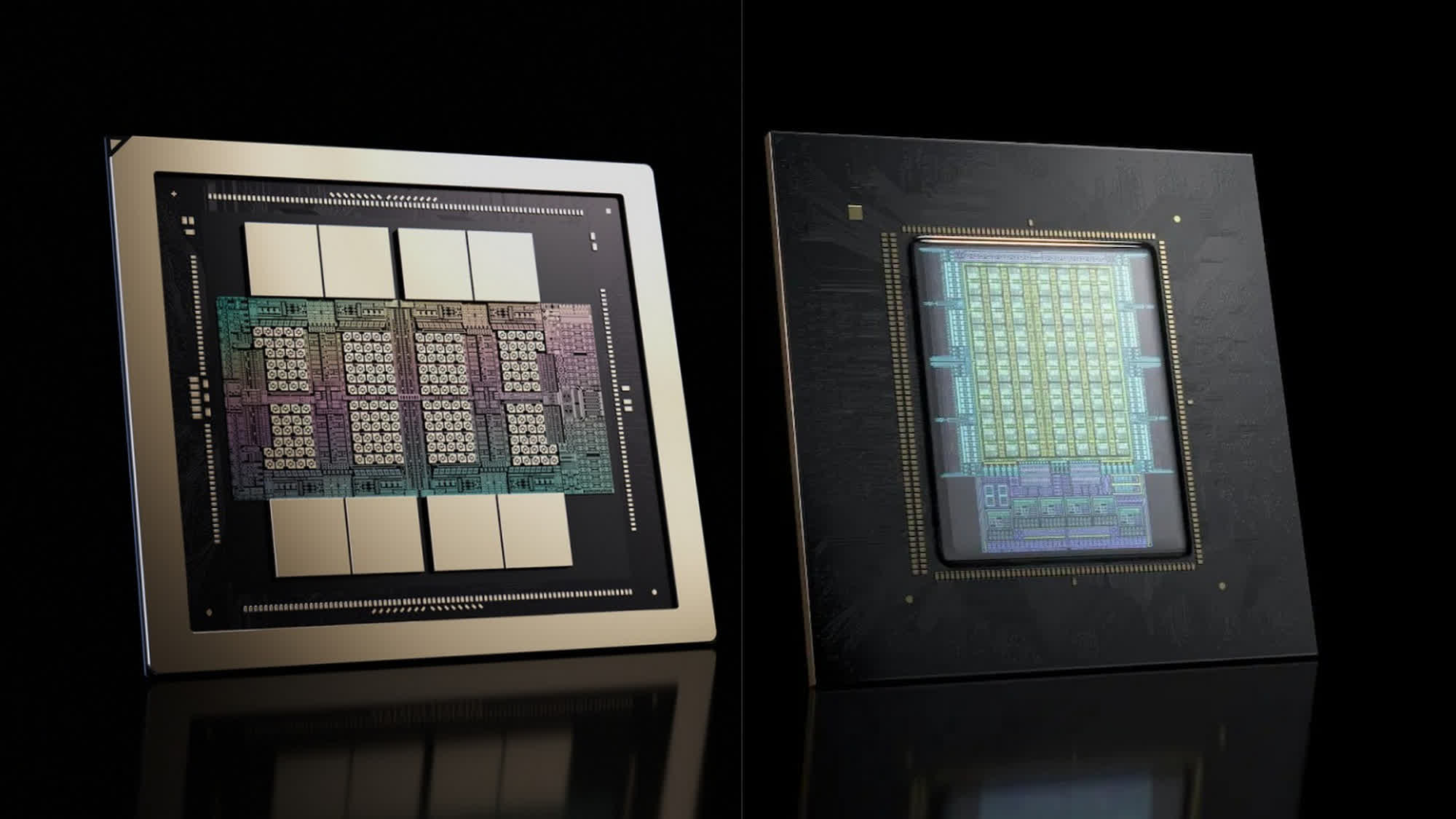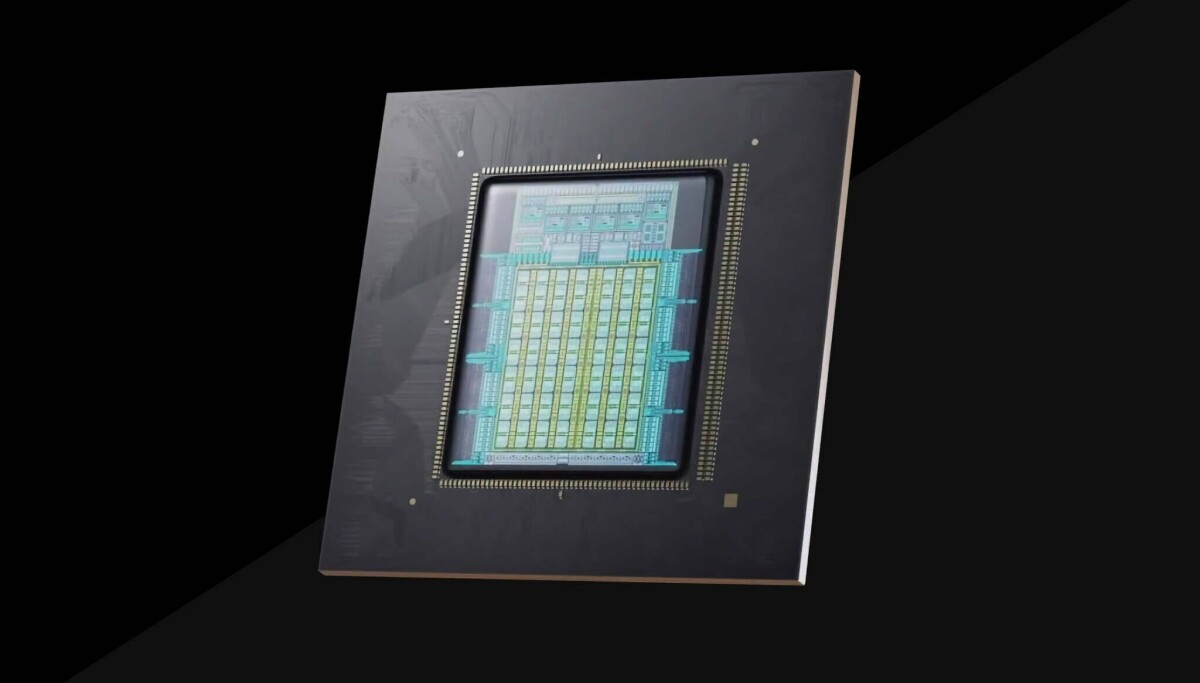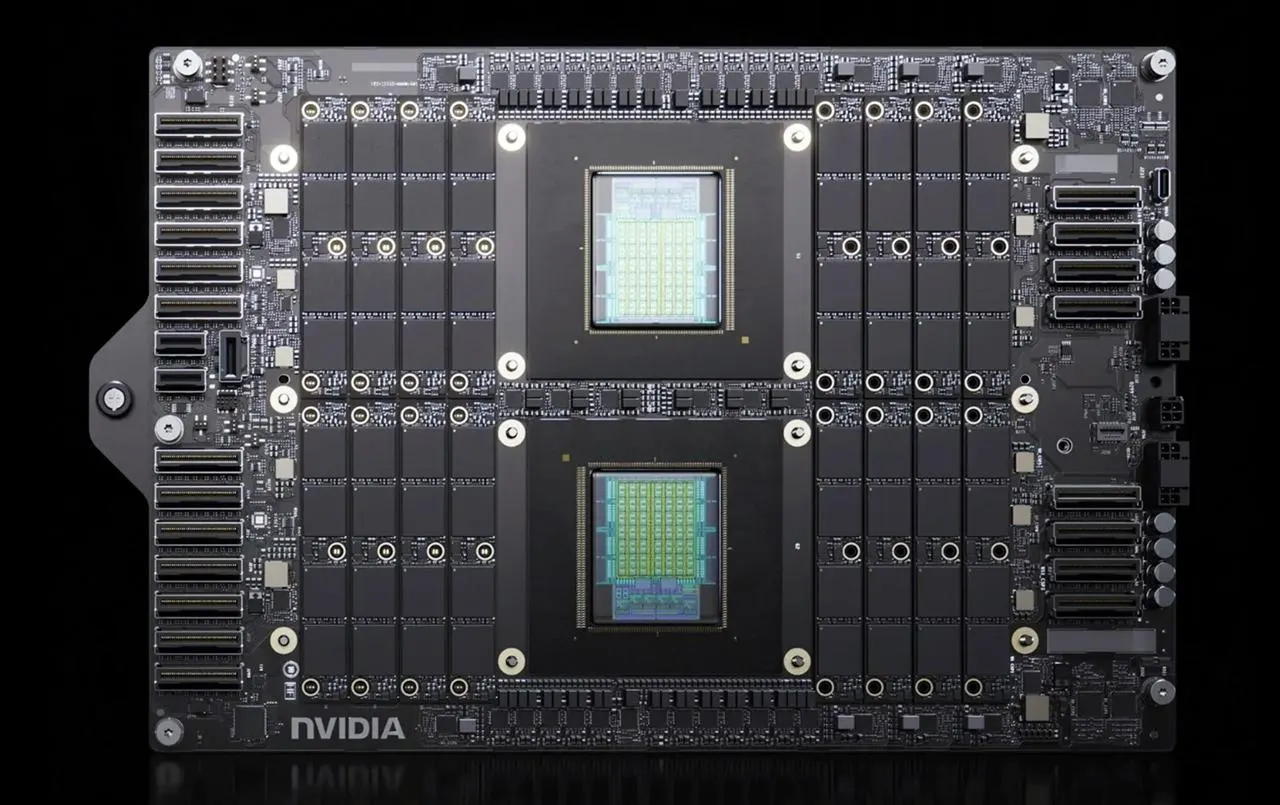
Nvidia used the Hot Chips 2026 conference at Stanford University to roll out its most ambitious hardware lineup yet, anchored by a new CPU architecture built specifically for the kind of multi-step reasoning and tool-calling that defines agentic AI. The Vera CPU, Rubin GPU, BlueField-4 DPU, and Spectrum-X networking solutions were presented not as standalone products but as a co-designed stack, each layer optimized to work with the others.
The message from Nvidia’s August 24 presentation was clear: agentic workloads are different enough from traditional AI inference that they deserve their own silicon.
Vera CPU: 88 cores built for agents
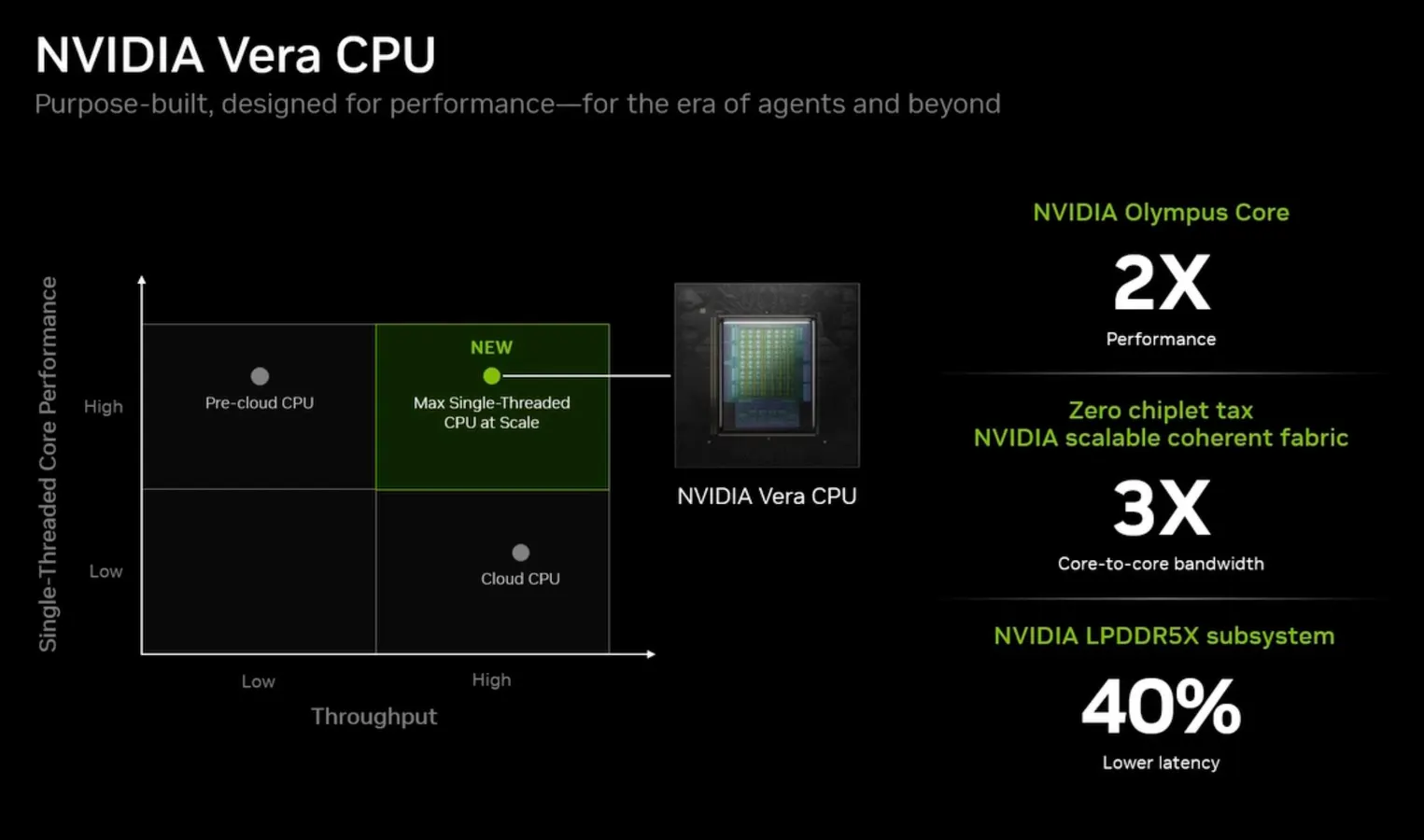
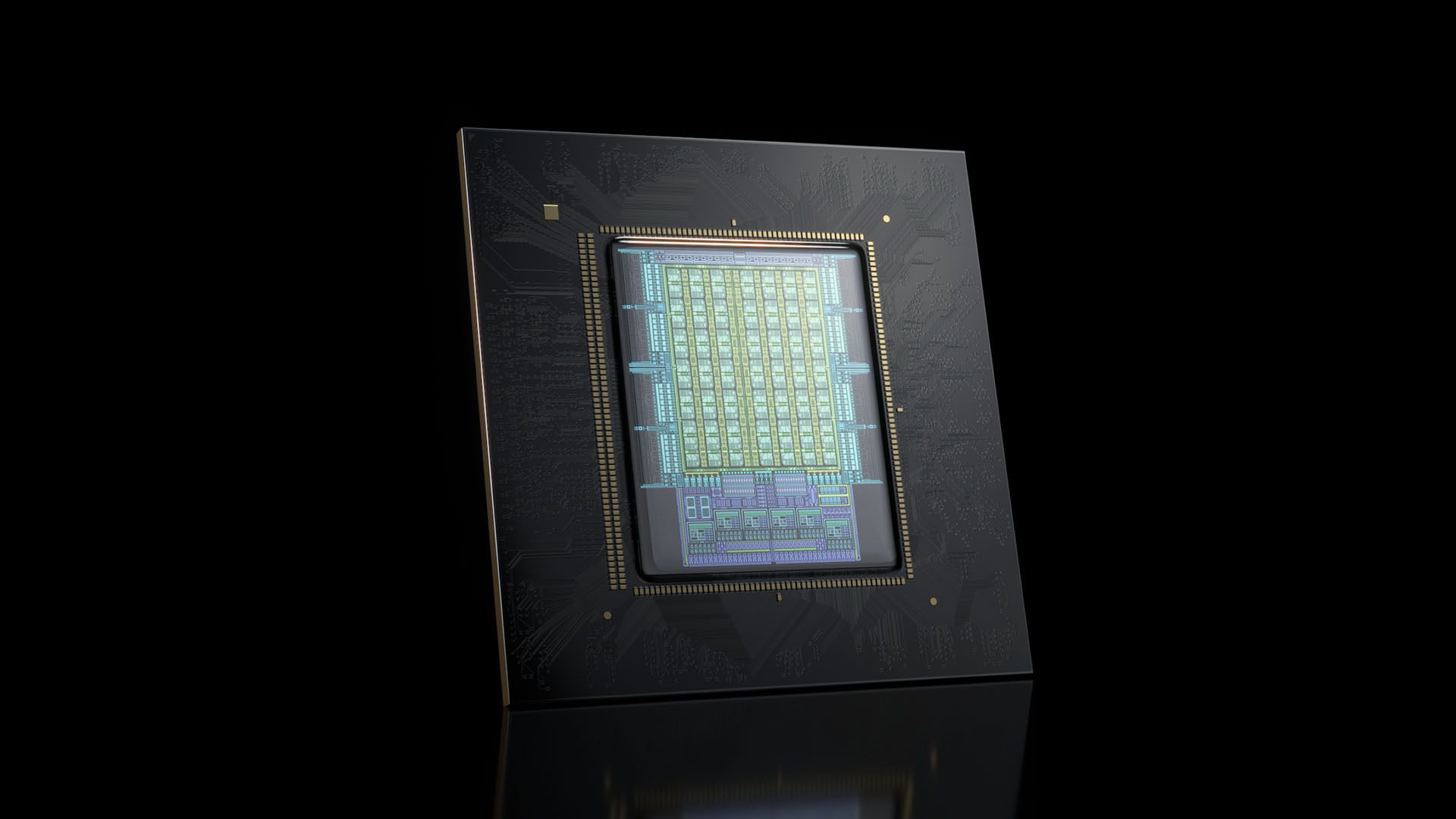
The star of Nvidia’s Hot Chips showing was the Vera CPU, built around 88 custom Olympus cores. It pairs those cores with LPDDR5X memory capable of delivering up to 1.2 TB/s of bandwidth, a figure that matters because agentic workloads tend to be memory-hungry beasts. When an AI agent orchestrates multi-step reasoning, calls external tools, and processes data streams simultaneously, memory bandwidth often becomes the bottleneck before raw compute does.
Nvidia claims a 1.8x improvement in task completion time on agentic workloads compared to competing x86 CPUs. That’s a bold number, and it comes from internal benchmarks, so the usual caveats apply. But even the more modest comparison points are notable: Nvidia says the Vera architecture compiles the Linux kernel 14-22% faster than AMD’s 96-core EPYC 9655P.