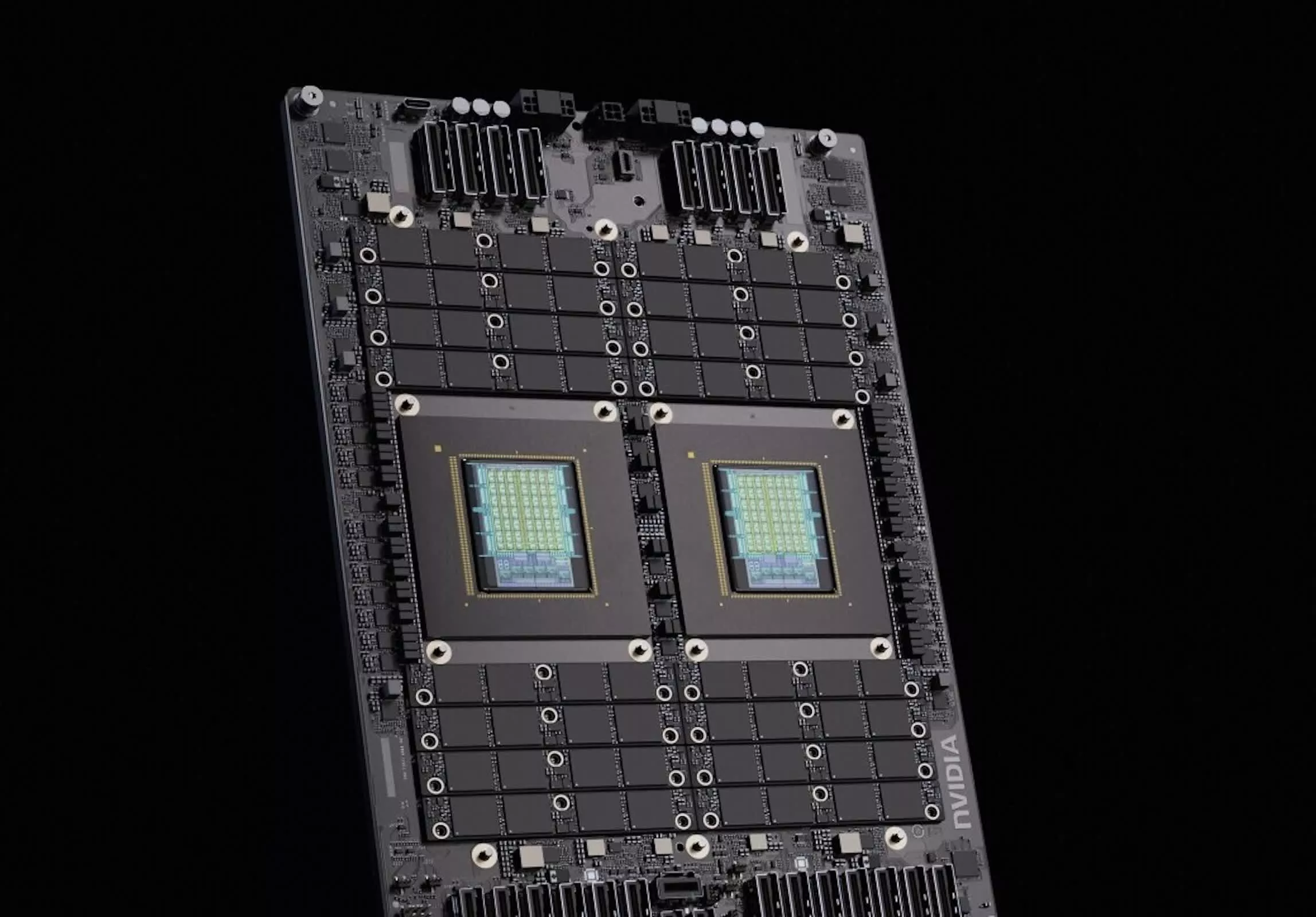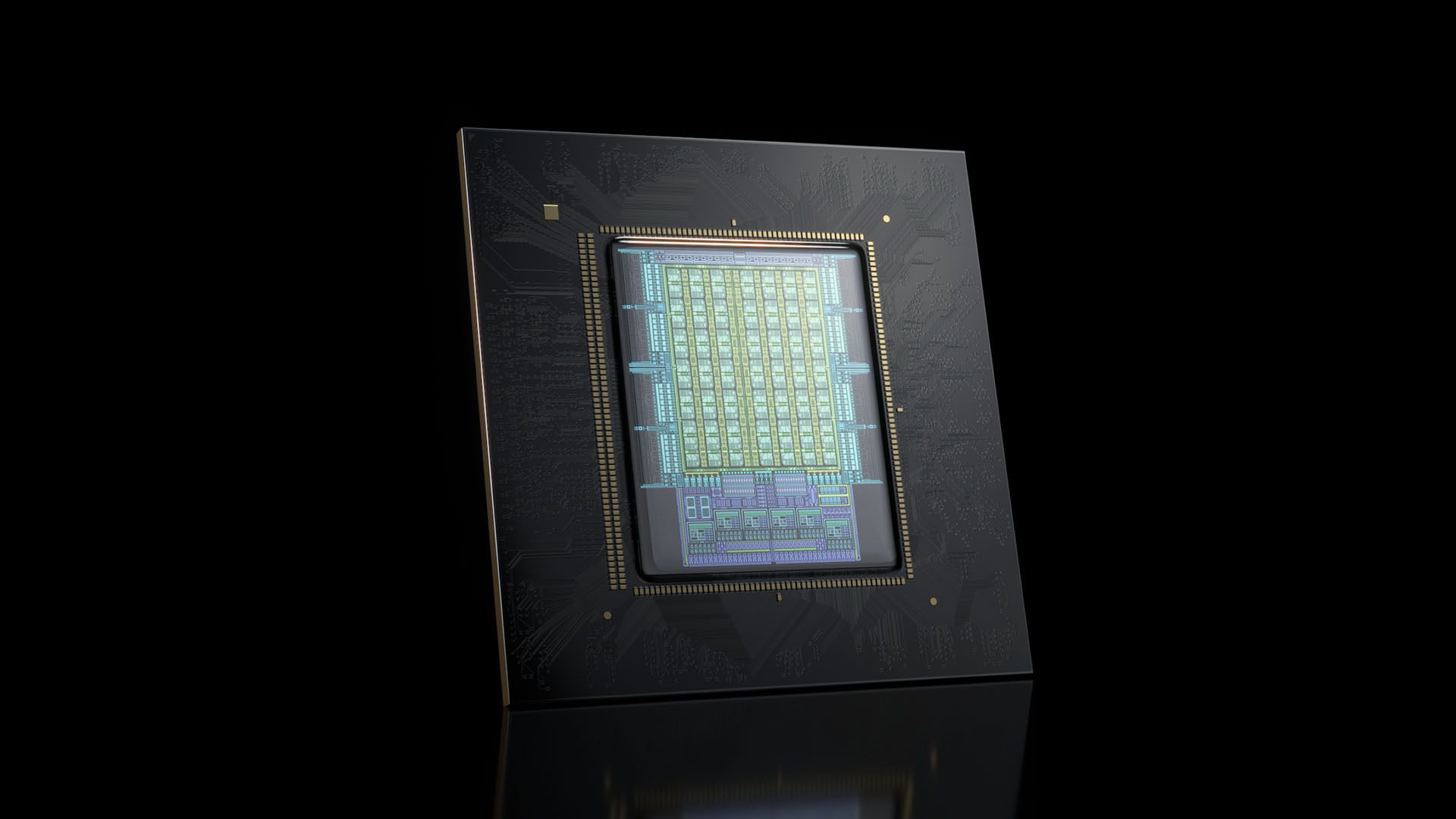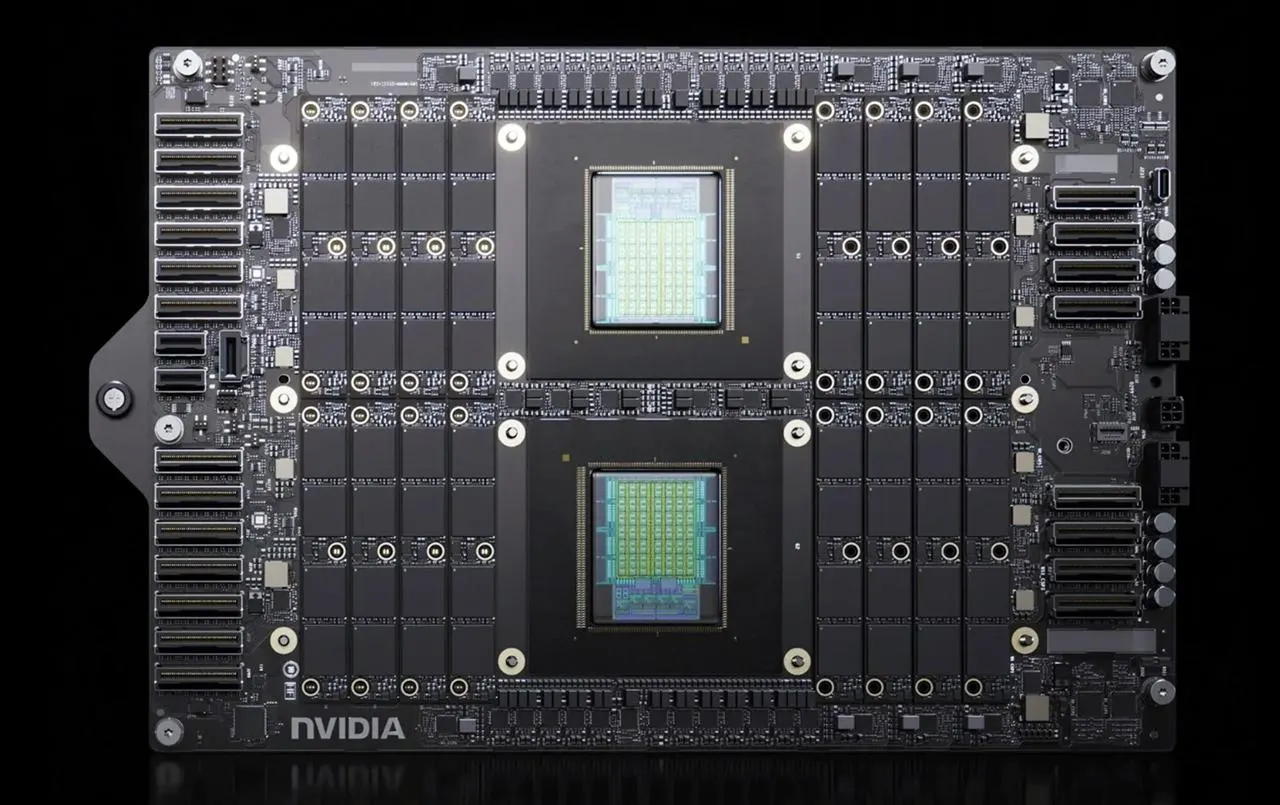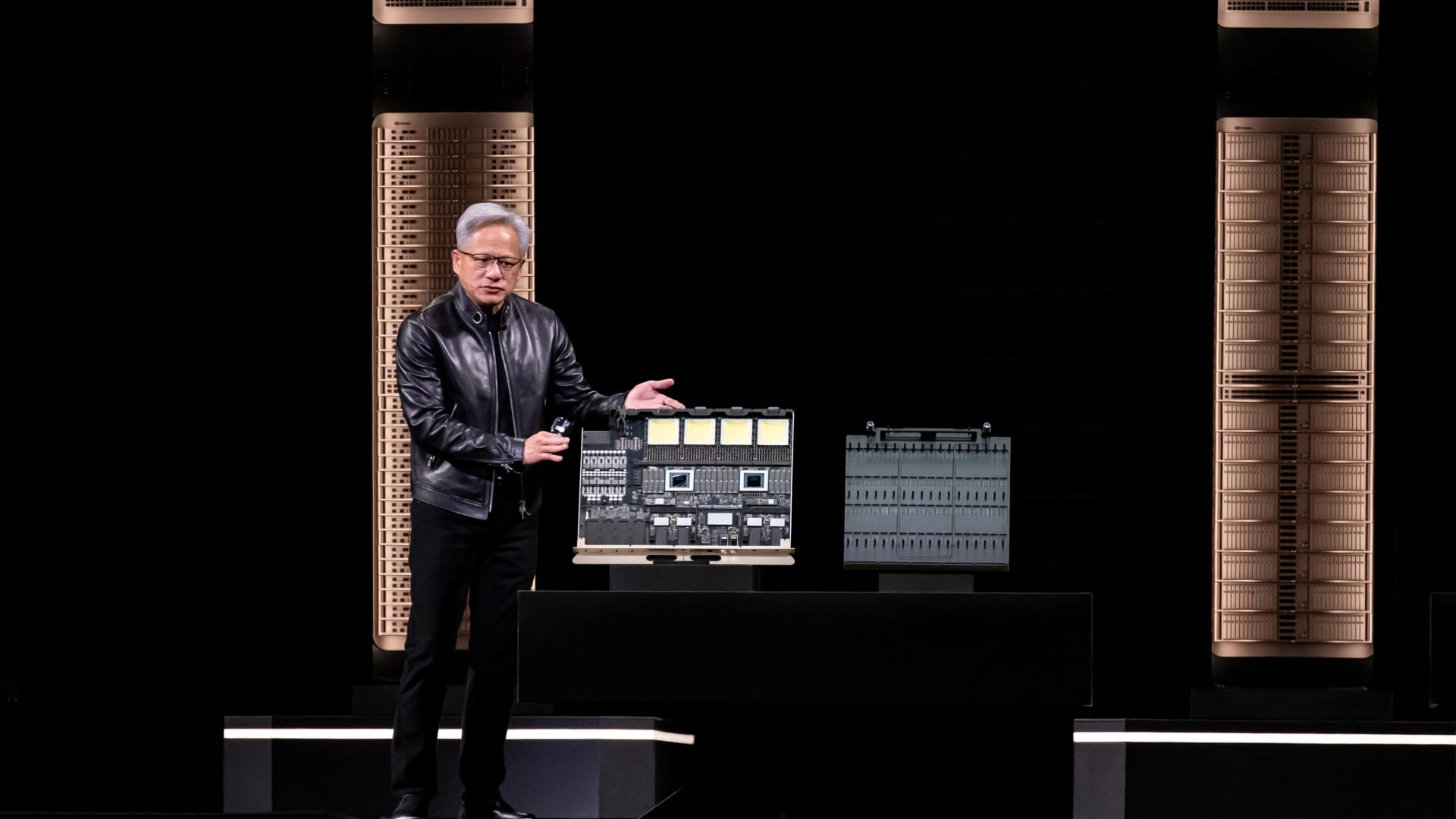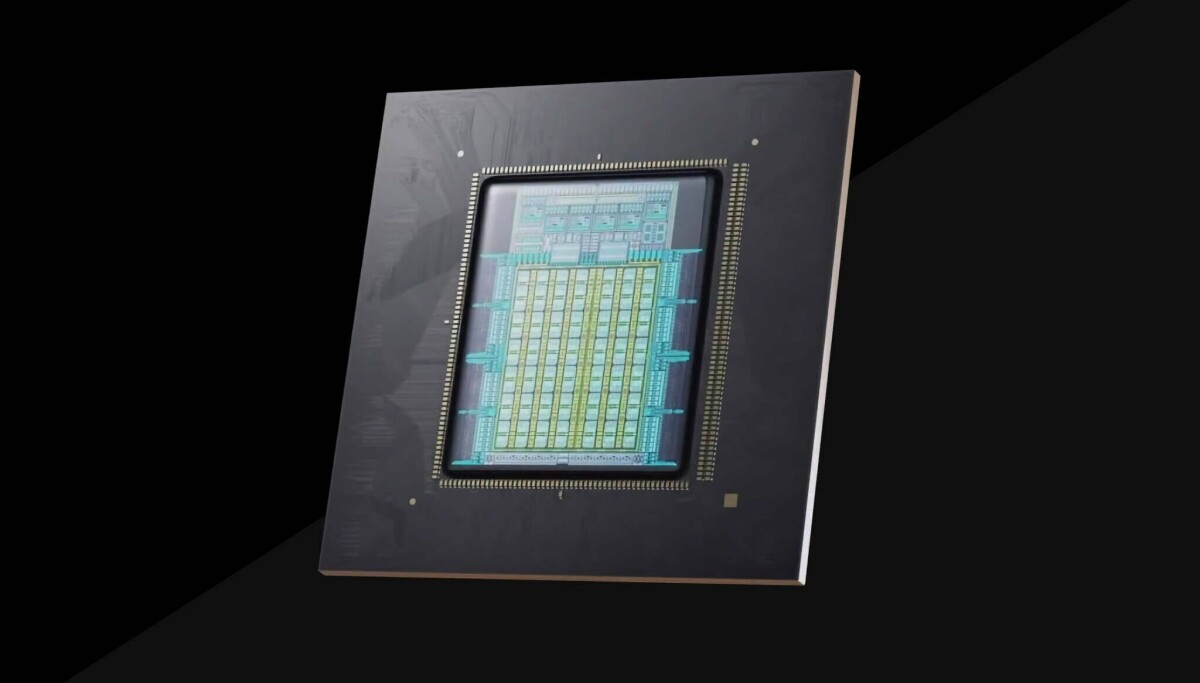
DEEP DIVE For the first time, Nvidia has directly challenged Intel and AMD's CPU dominance. With the launch of Vera, the AI arms dealer aims to flog its standalone CPUs to as many hyperscalers and other cloud providers as it can.Alibaba, ByteDance, Meta, Oracle, CoreWeave, Lambda, Nebius, and NScale have already signed up to deploy the chips in their respective clouds.The follow-on to Nvidia's Grace CPU promises 88 custom Armv9.2 cores, 176 threads, support for up to 1.5 TB of LPDDR5X memory, and, critically, availability as a standalone platform independent of Nvidia's GPUs.
But beyond that, and a mountain of marketing about how it'll be the best CPU for everything AI, Vera's inner workings have largely remained a mystery until recently.
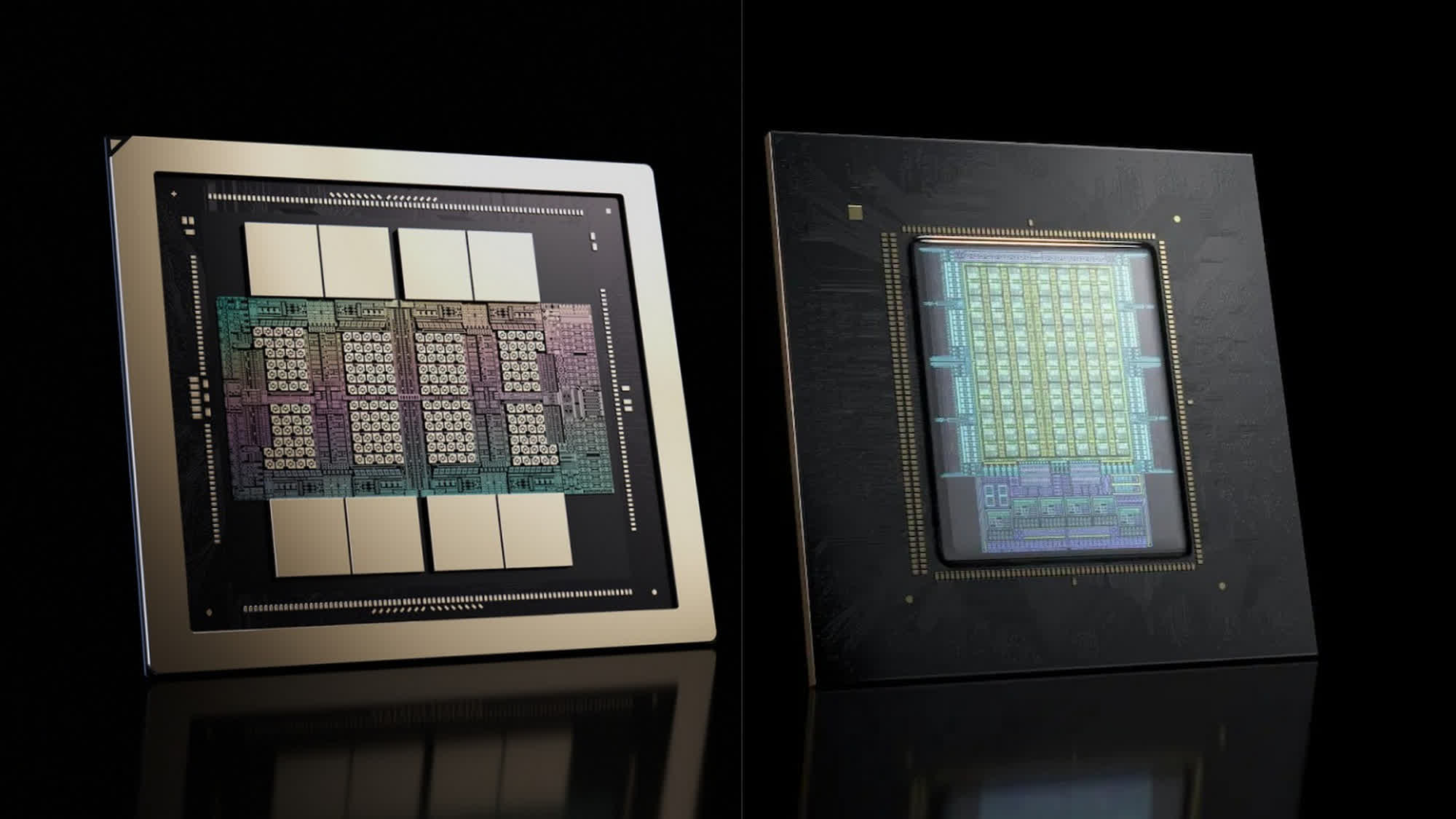
That changed late last month, when Nvidia released a whitepaper spilling the beans on its first fully-custom CPU, which is far weirder than anyone could have anticipated.Ostensibly, Nvidia is aiming Vera at two key workloads: the first and least surprising is as the AI head node responsible for managing the GPUs in its upcoming Vera Rubin systems. The second, and more contentious, is as a host for AI agents, which, unlike the large language models (LLMs) that power them, don't actually run on GPUs.From what we gather, much of Vera's core architecture is predicated on quashing pipeline and execution bottlenecks in order to make it more effective in these roles. But before we dive into Nvidia's Olympus core, let's revisit the chip itself.Monolithic compute, multi-die memory and I/O