(Image credit: Nvidia)
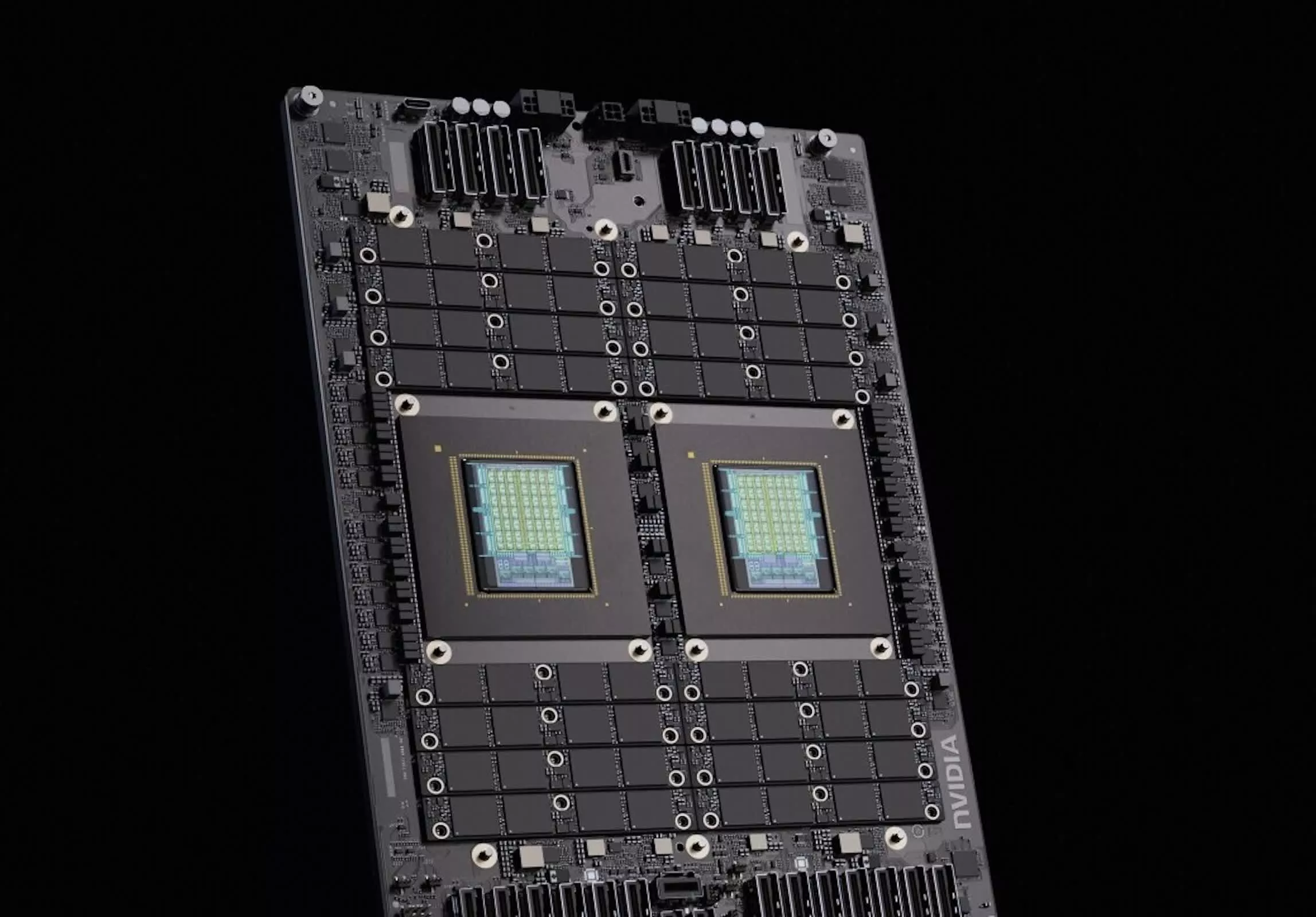
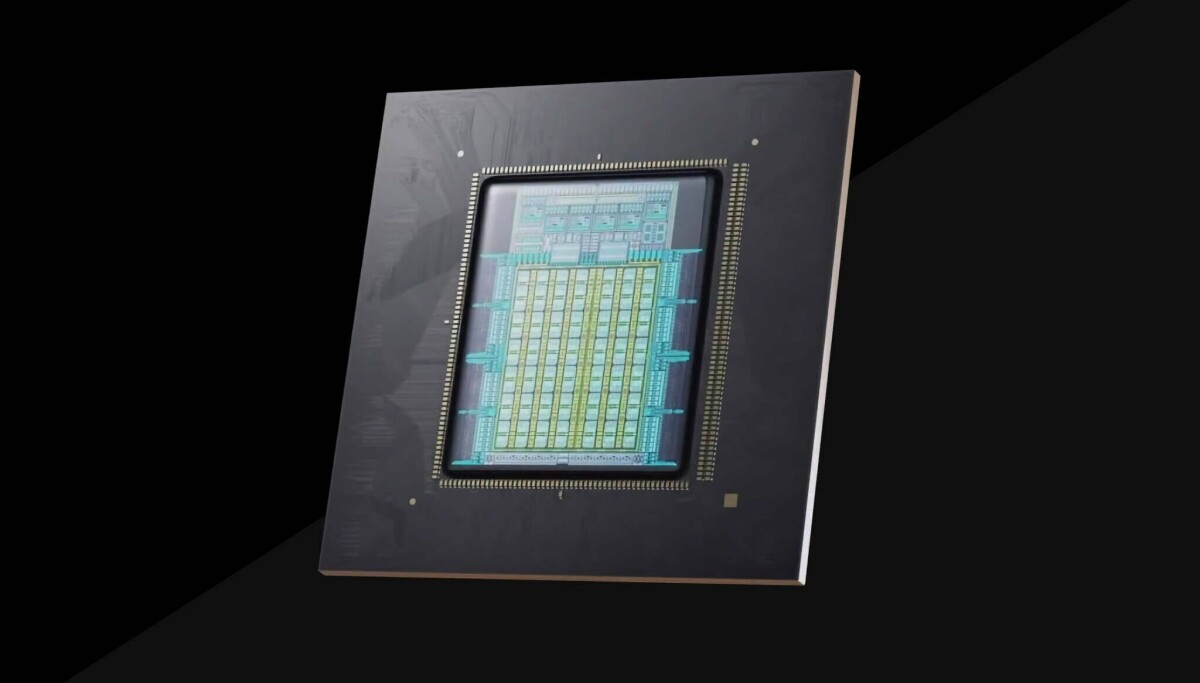
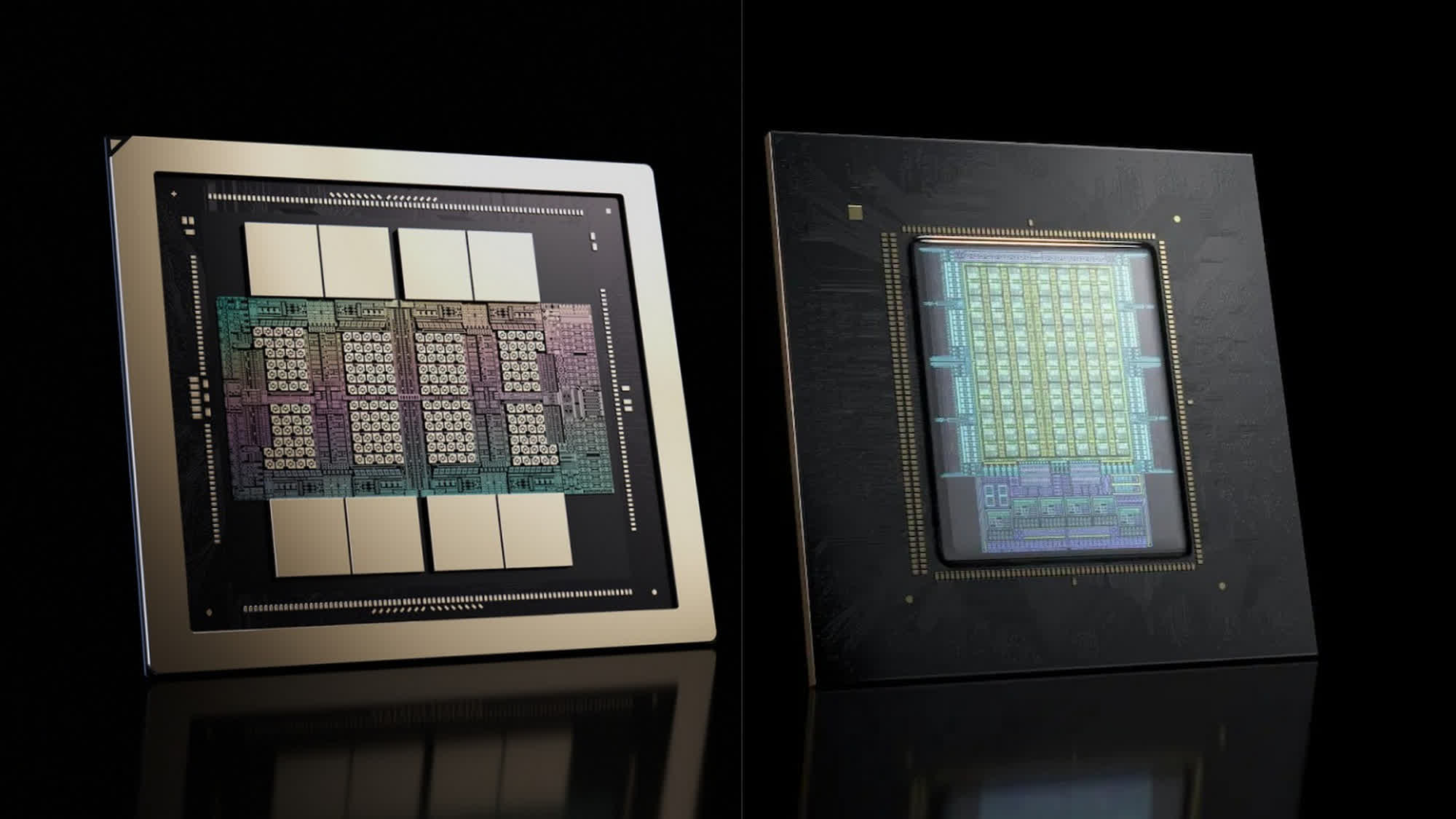
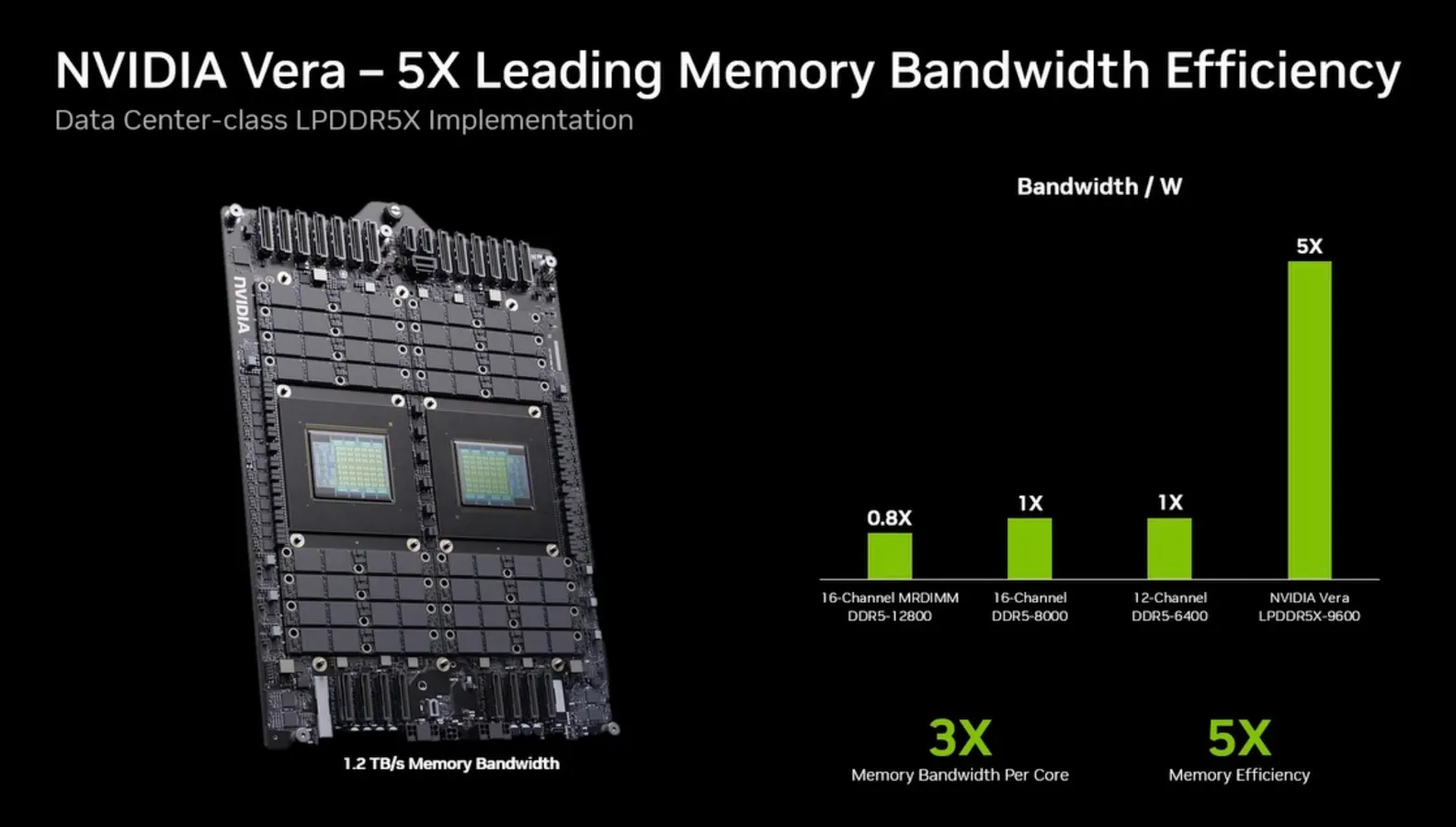
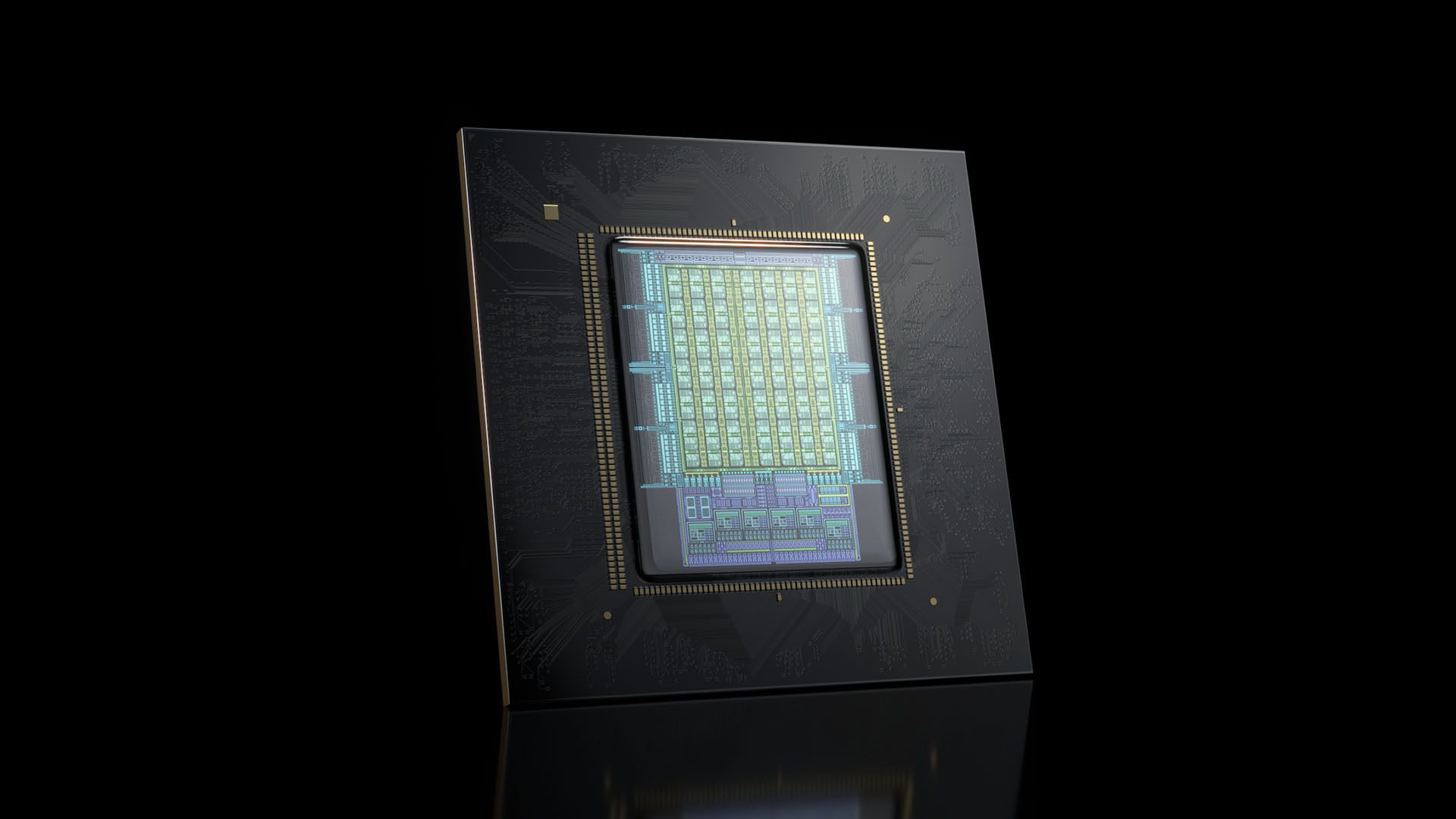
This Tom's Hardware Premium article is free to read with a Tom's Hardware account; no payment necessary. We're offering free access from August 23 to 26 so you can read all of our reporting from Hot Chips.Nvidia has spent the last several months providing key disclosures about its next-gen Vera CPU for agentic data centers, which it continued at Hot Chips 2026. Although we've already learned a lot about Vera, how it compares to AMD's next-gen Venice CPUs, and the inner workings of the Olympus core, Nvidia provided a bit more color at Hot Chips on spatial multithreading, the memory subsystem, and what types of workloads it's targeting with Vera.As a quick refresher, Vera is the first CPU with a custom Nvidia core, following up on Grace, which used a stock Arm design. It's shipping as a single, 88-core SKU, and it has some key design differences compared to Nvidia's x86 competition, most notably a multi-threading implementation that Nvidia calls spatial multi-threading, an LPDDR5X memory subsystem, and a monolithic compute die rather than using compute chiplets.Nvidia says it's designed Vera specifically for agentic AI workloads, a category that's still being defined in terms of performance benchmarking. Many CPU-intensive tasks serve as proxies for agentic workloads (i.e., code compilation), though measuring performance across a full agentic chain is complex and inconsistent. Nvidia, in its own slides (see the end of this article), calls agentic AI the "most complex computing workload in history," after all.Nvidia provided an example of a headless browser to show the benefits of Vera, using optimized code to mimic how an agent would use a browser. Compared to the 96-core EPYC 9655P, Nvidia says Vera runs 24% faster as browser instances scale.