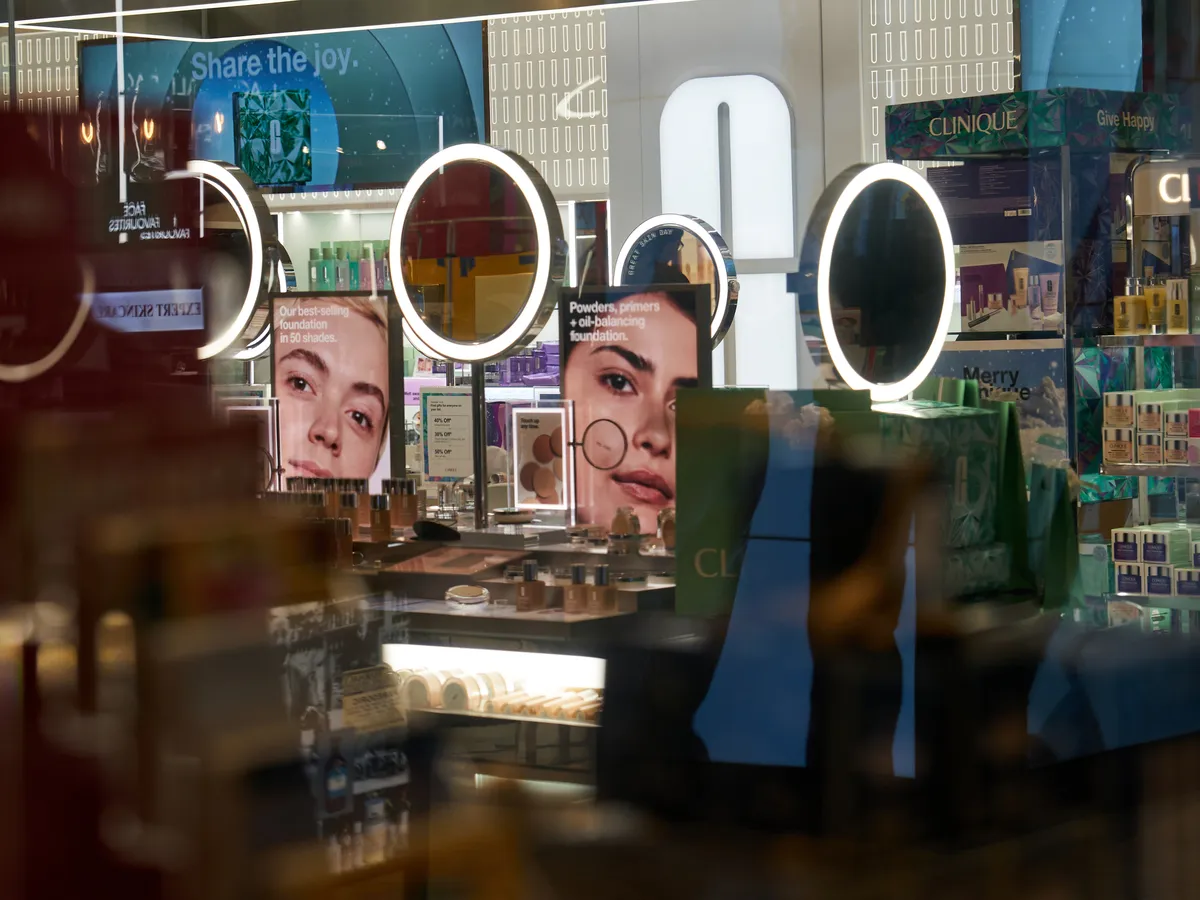
The United States imposed a 50% tariff on Canadian cosmetics and a wide range of other goods on August 22, 2026, one day after bilateral trade negotiations between the two countries fell apart. The move affects roughly $20 billion worth of Canadian exports annually, or about 5% of total US imports from Canada.
The administration signed three presidential proclamations on July 20, 2026, using Section 338 of the Tariff Act of 1930 as the legal basis. That provision has not been meaningfully invoked in decades. It was originally designed to address discriminatory trade practices by foreign governments, and its use here effectively overrides USMCA protections that the two countries negotiated and agreed to relatively recently.
The tariffs cover hundreds of product categories beyond cosmetics, including textiles and machinery. L’Oréal operates manufacturing facilities in Quebec. Estée Lauder markets several Canadian-origin brands, including MAC Cosmetics and Deciem, the company behind The Ordinary skincare line.
Canada fires back
Ottawa did not absorb the tariffs quietly. Canada announced its own retaliatory measures of up to 50% on approximately $20 billion worth of US imports, with select tariffs taking effect September 8, 2026.