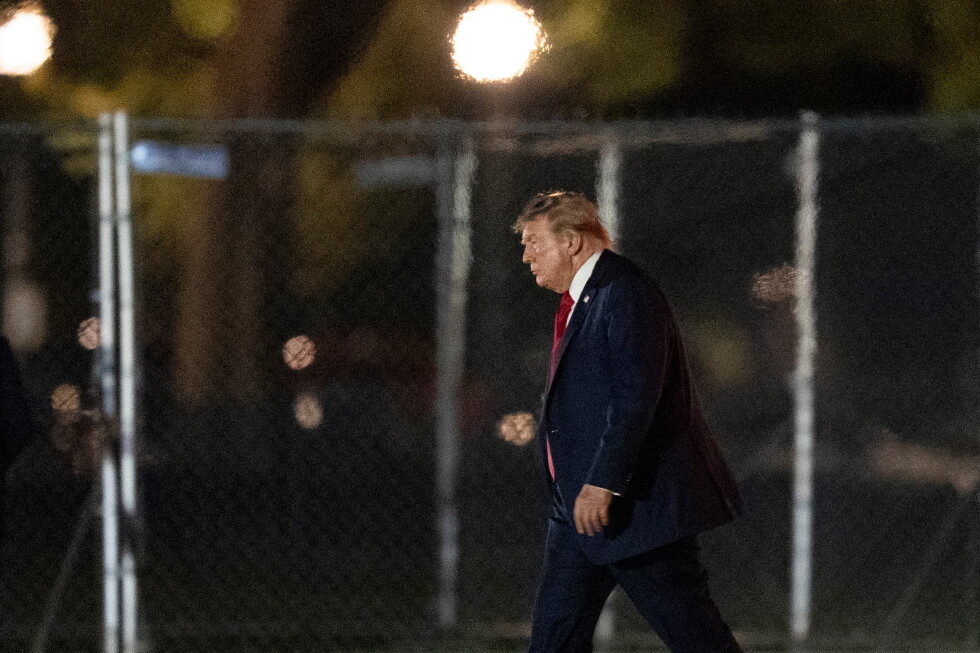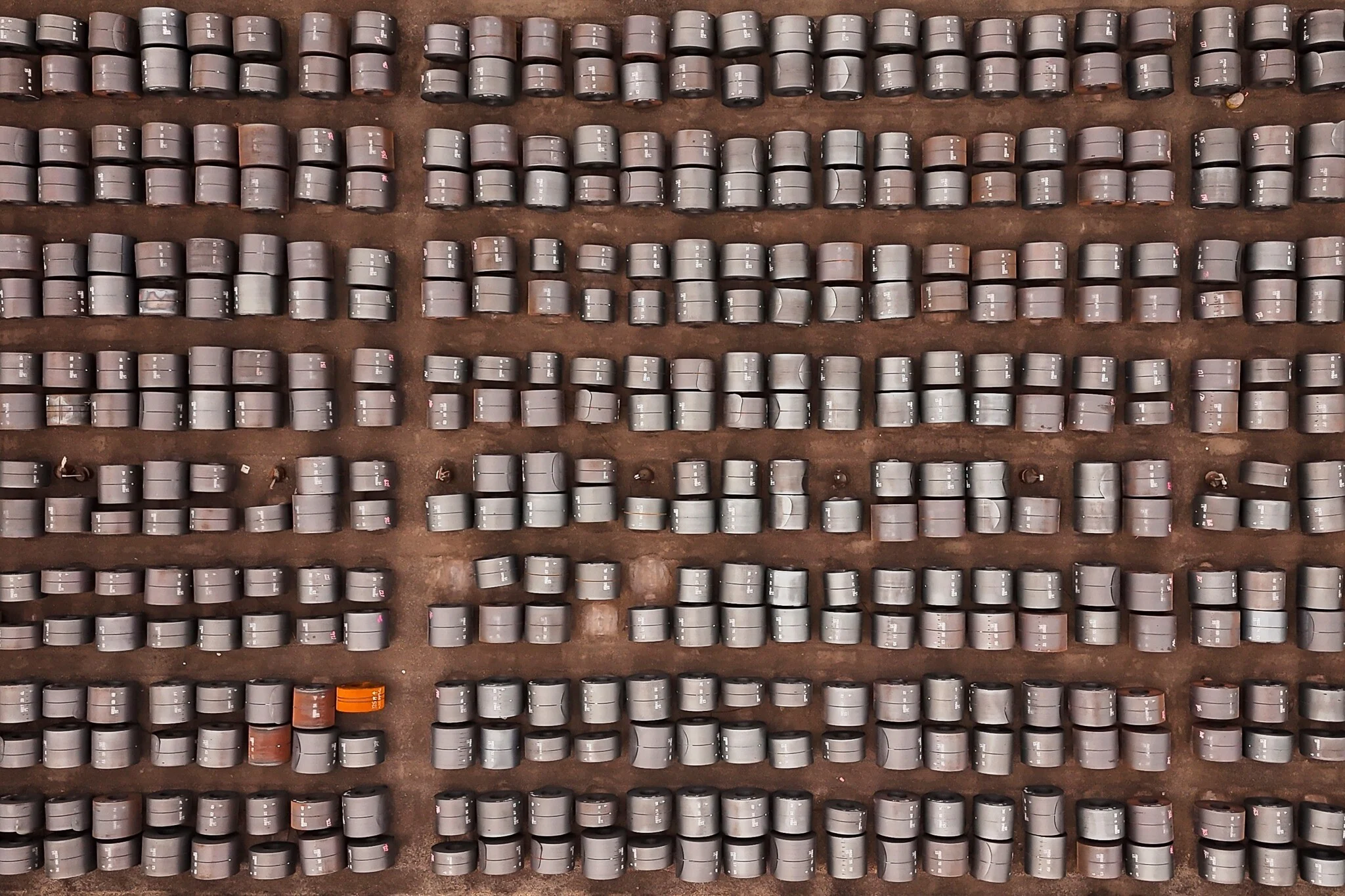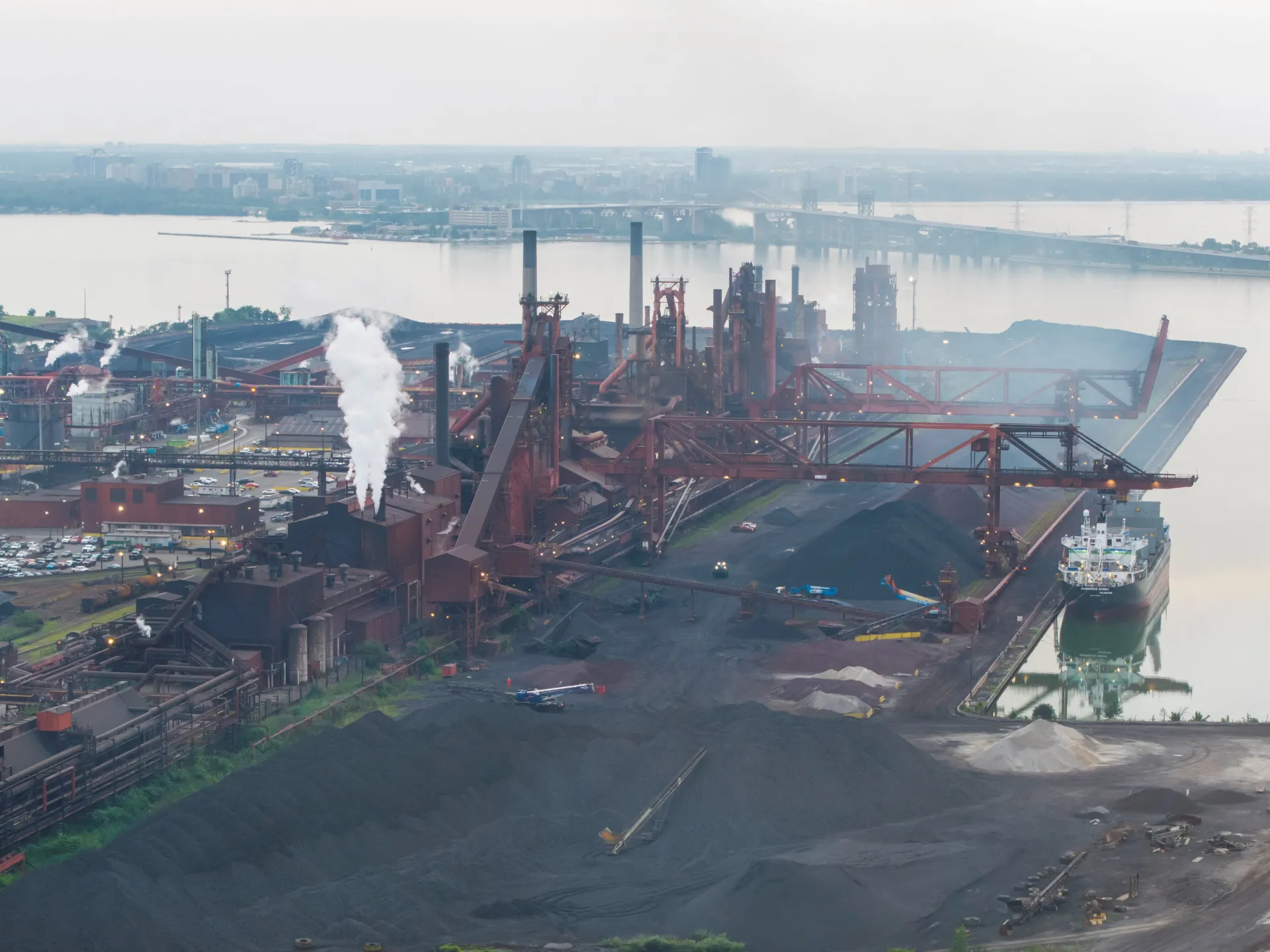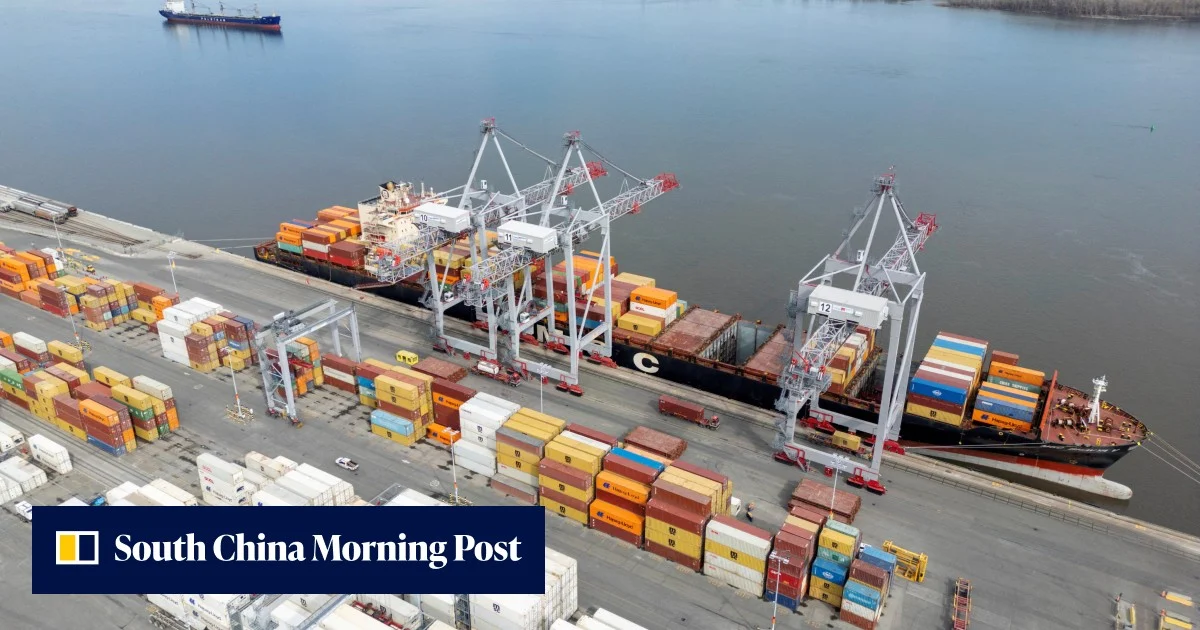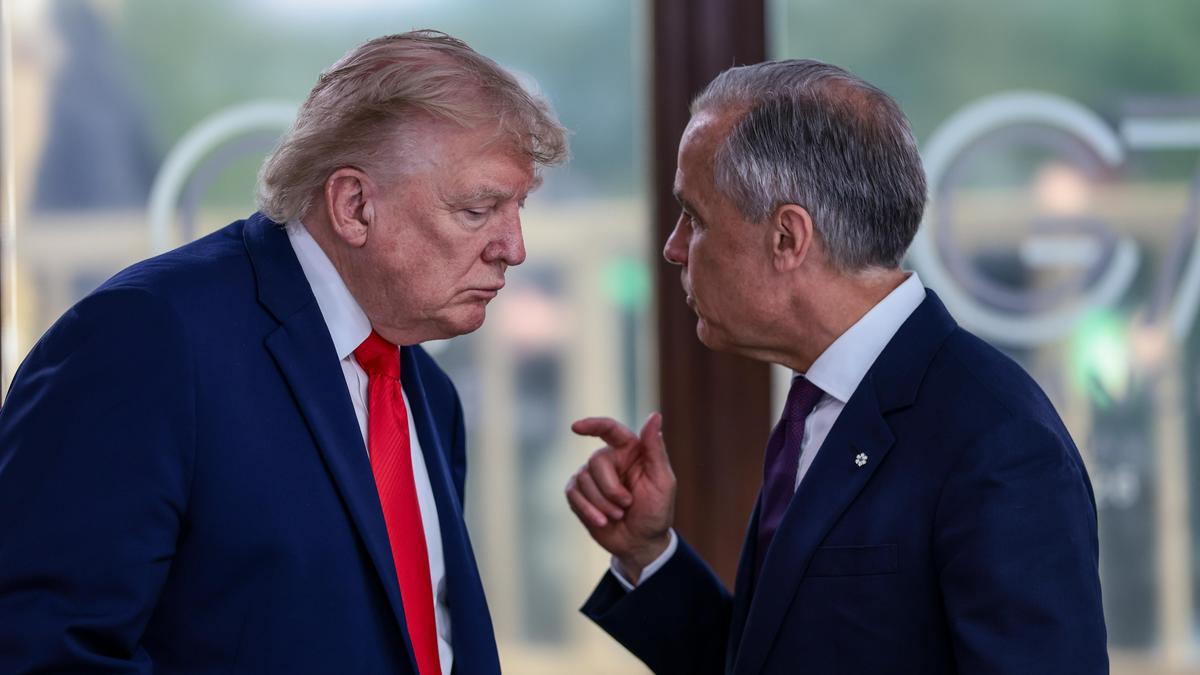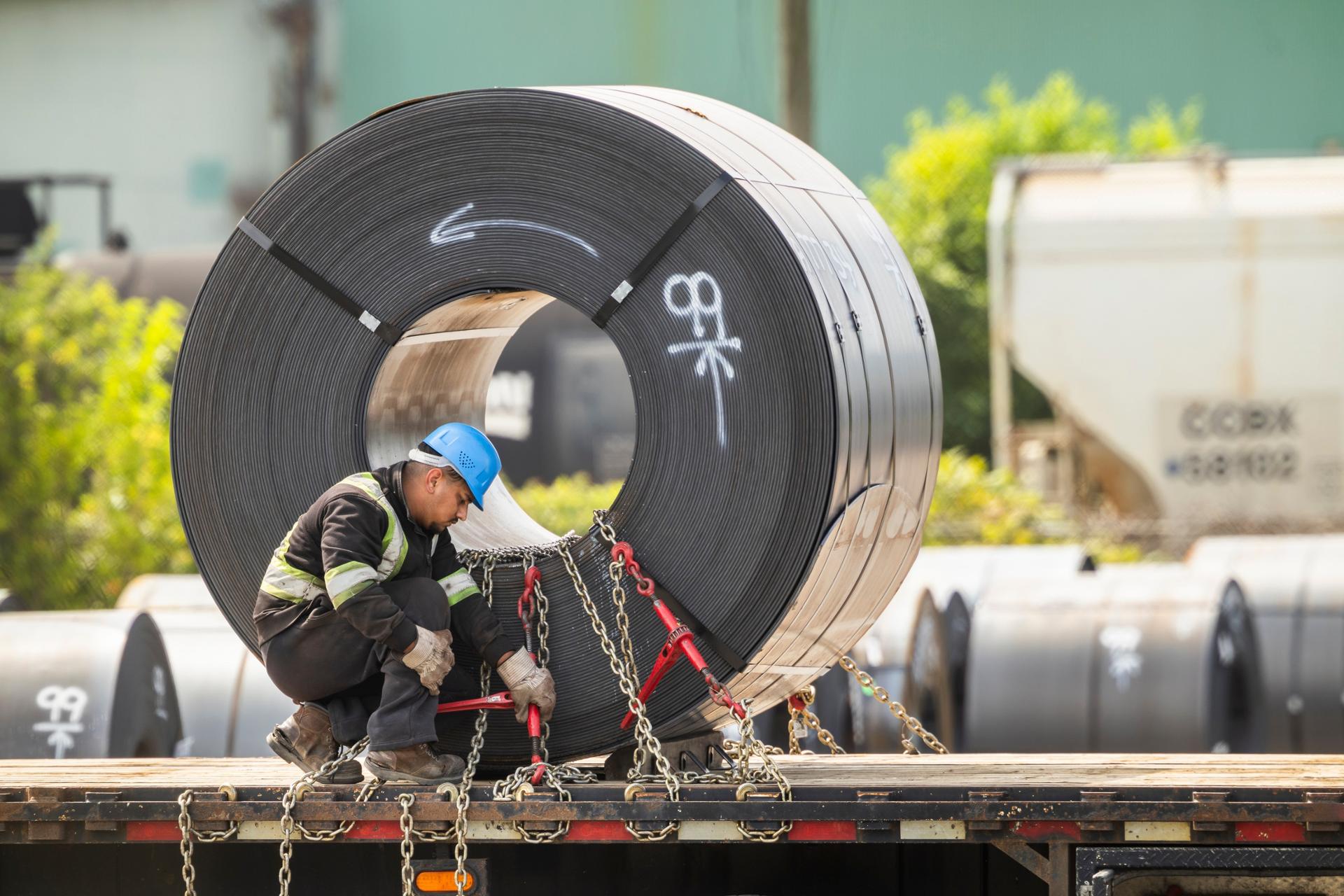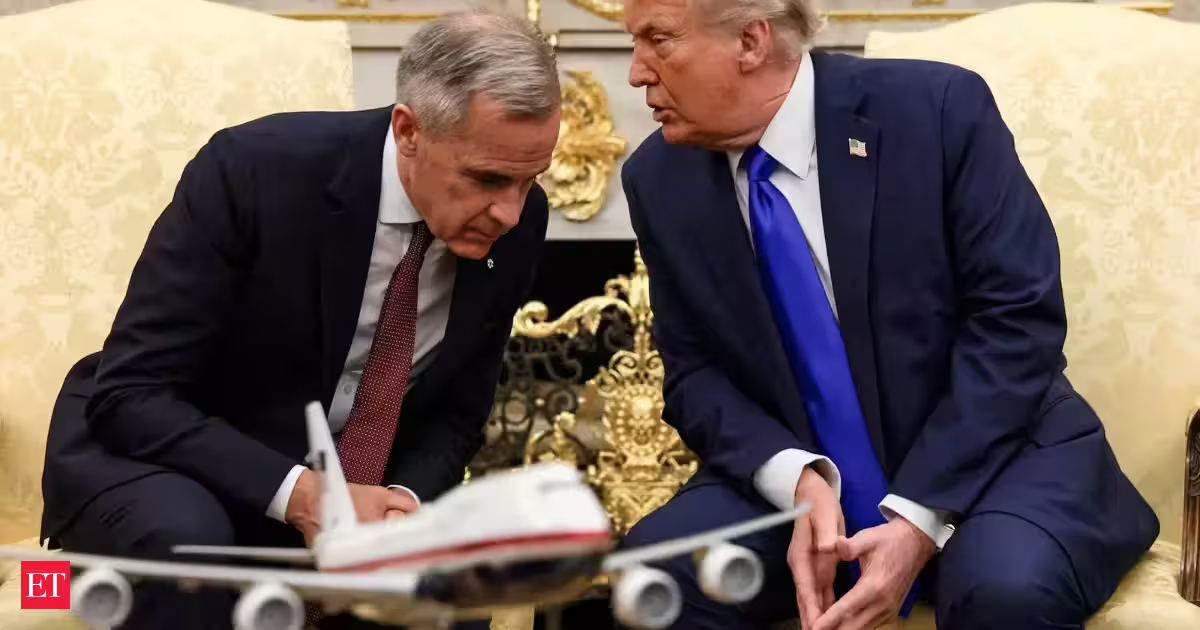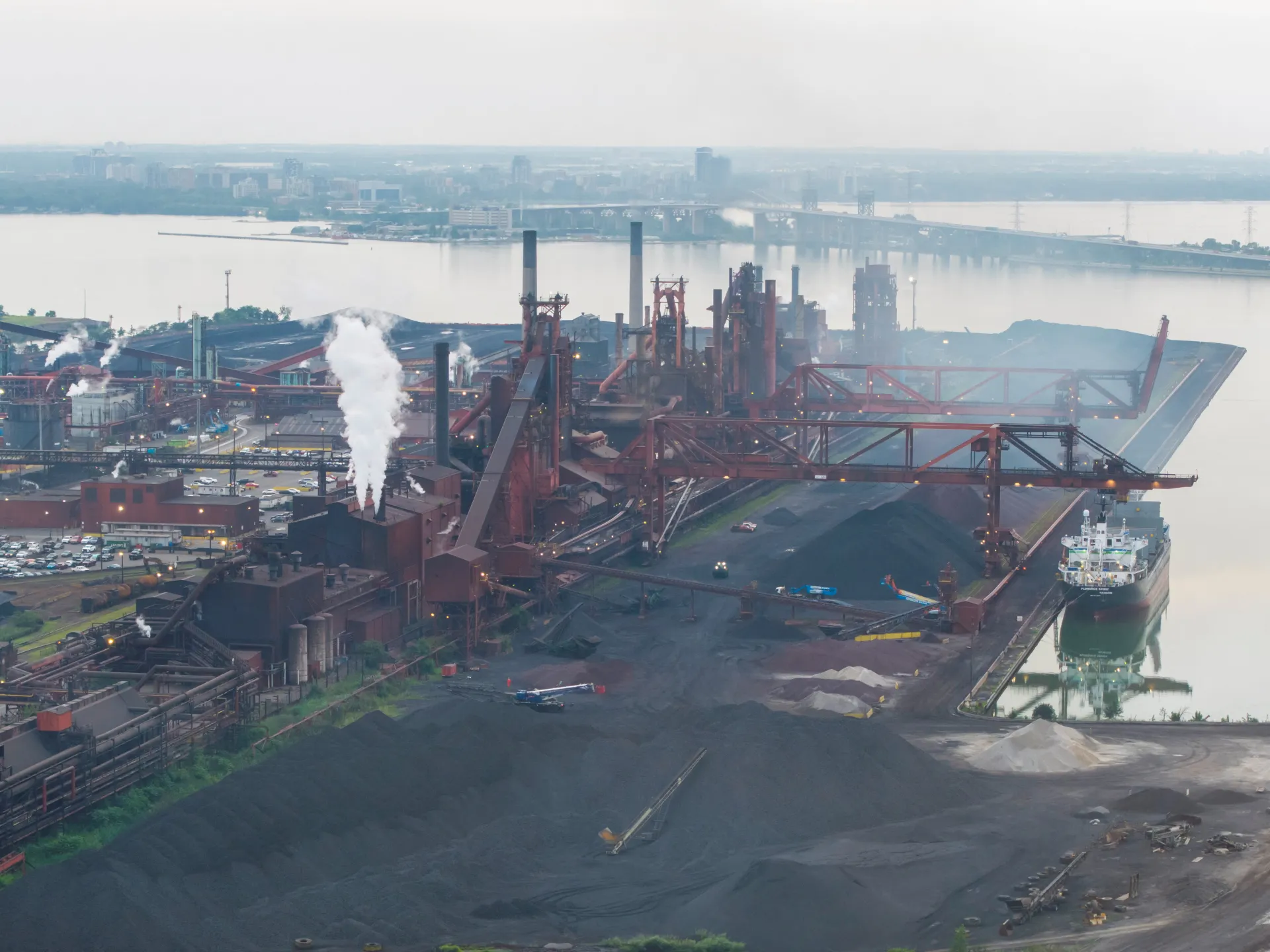
WASHINGTON — The United States imposed 50% tariffs on about $20 billion worth of Canadian products early Saturday, prompting Canada to announce immediate retaliatory measures after last-minute negotiations failed to resolve a deepening trade dispute between the longtime allies.President Donald Trump’s tariffs affect roughly 5% of Canada’s annual exports to the United States and cover products ranging from hockey sticks to tongue depressors.“Canada will match those tariffs dollar for dollar to protect our workers and businesses,” Canadian Prime Minister Mark Carney said in a statement.The retaliatory move escalates the trade conflict between two of the world’s closest trading partners and raises further questions about the future of the United States-Mexico-Canada Agreement, or USMCA, which governs trade among the three North American economies.Canada had sought concessions from Washington on US tariffs affecting steel, aluminum, automobiles and lumber.US Trade Representative Jamieson Greer blamed Ottawa for the collapse of the negotiations, saying Canada declined to finalize a deal under terms that had been agreed upon earlier in the week.“Despite the U.S. offer to Canada to receive the best treatment of any major exporter to our market, new demands and walk-backs of other commitments by Canada have upended the careful balance reached in the past days,” Greer said.Carney offered a different account, saying last-minute changes proposed by Washington were “unfair, uneconomic, and called into question the reliability of any deal.”He suspended negotiations and ordered Canada’s negotiating team to return to Ottawa. No further talks are currently planned.Carney said Canada had entered negotiations seeking the best possible agreement but would accept “never a deal at any price or on any deadline.”Ontario Premier Doug Ford backed the federal government’s response, calling for retaliation “tariff for tariff, dollar for dollar.”The tariffs were initially scheduled to take effect Wednesday, but Trump extended the deadline by three days to allow negotiations to continue.Trade relationship faces growing strainThe dispute represents a sharp deterioration in a historically close economic and political relationship. The United States and Canada traded about $880 billion in goods and services last year, while nearly 72% of Canadian goods exports went to the US market.The two countries share a 5,525-mile border and highly integrated manufacturing and supply chains, particularly in the automotive, energy and industrial sectors.Carney said Canada had recognized that “America has changed” and warned that the two countries would “not return to our old relationship.”Candace Laing, president and CEO of the Canadian Chamber of Commerce, described the tariffs as “a body blow to North American competitiveness,” warning that they could increase costs for US consumers while hurting Canadian businesses, investment and customers.Trump invokes Depression-era tariff authorityTrump imposed the tariffs under Section 338 of the Tariff Act of 1930, a rarely invoked provision allowing a US president to impose tariffs of up to 50% on imports from countries deemed to discriminate against American businesses.The provision dates to the Smoot-Hawley tariff legislation enacted during the Great Depression and has not previously been used to impose tariffs.Trump turned to alternative legal authorities after the US Supreme Court in February struck down tariffs he had imposed under emergency powers, ruling that he had exceeded his authority.The escalating dispute also comes as Washington, Ottawa and Mexico prepare for negotiations over the future of the USMCA.The United States has begun formal discussions with Mexico on revising the agreement, while negotiations with Canada have yet to begin. The latest escalation could further complicate efforts to renew the three-country trade framework.
US imposes 50% tariffs on $20 billion in Canadian goods as Ottawa vows retaliation
The United States imposed 50% tariffs on about $20 billion in Canadian products after trade negotiations collapsed, prompting Canada to vow dollar-for-dollar retaliation.
568 words~3 min read