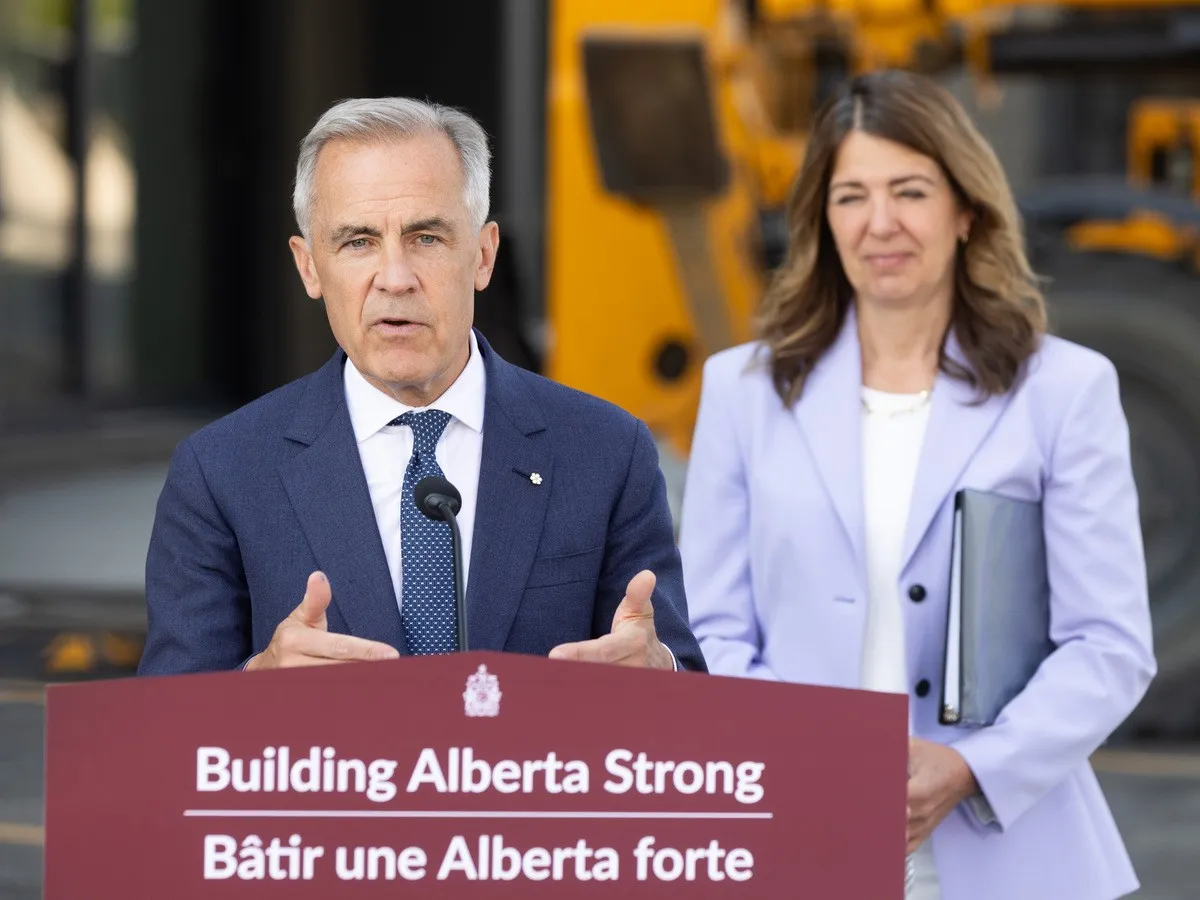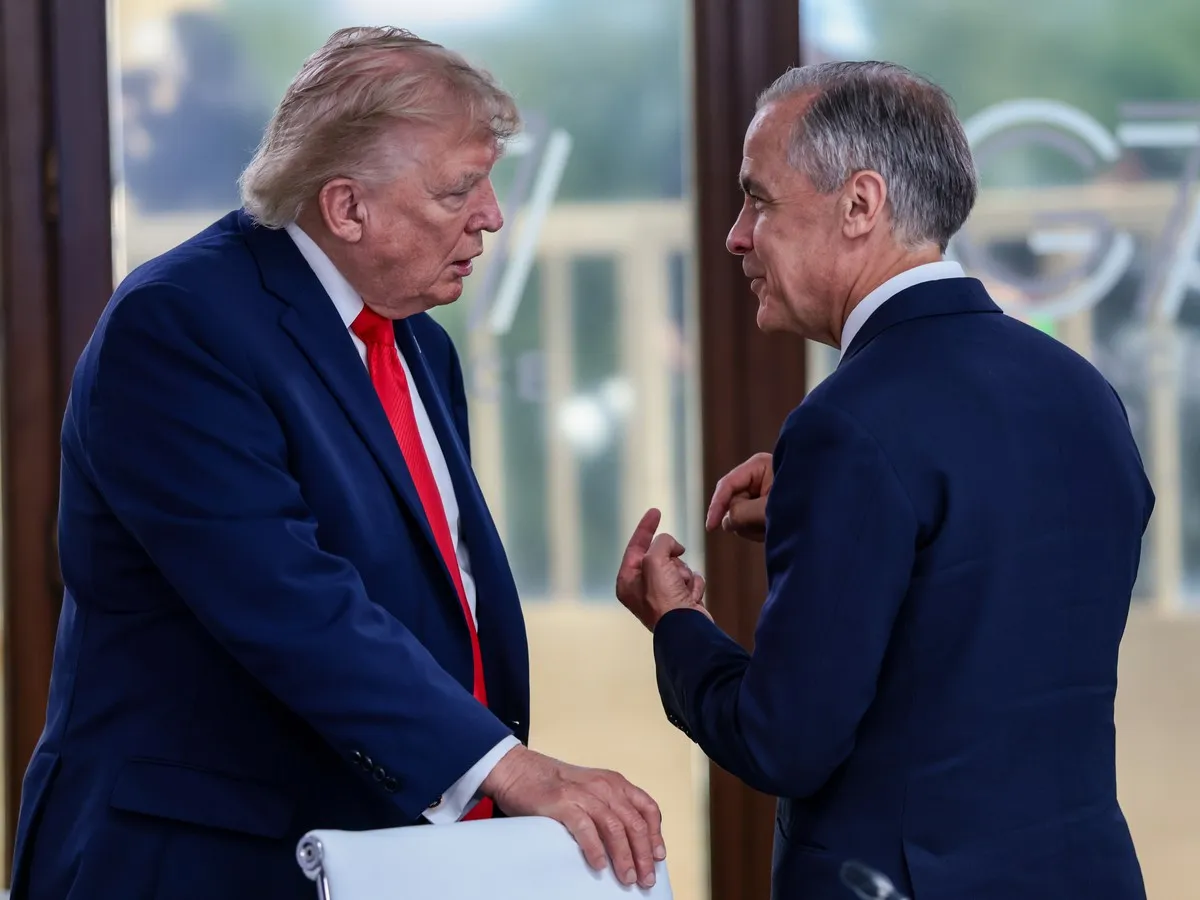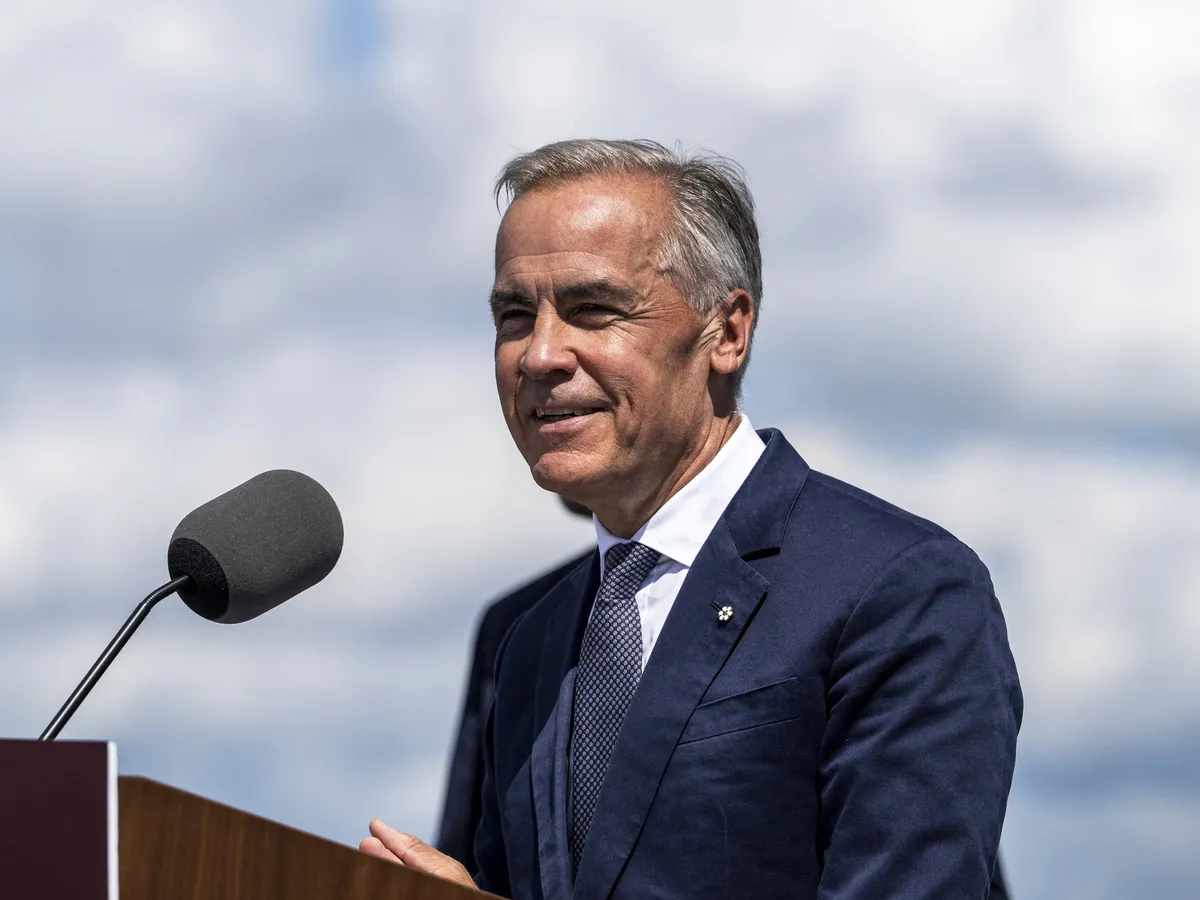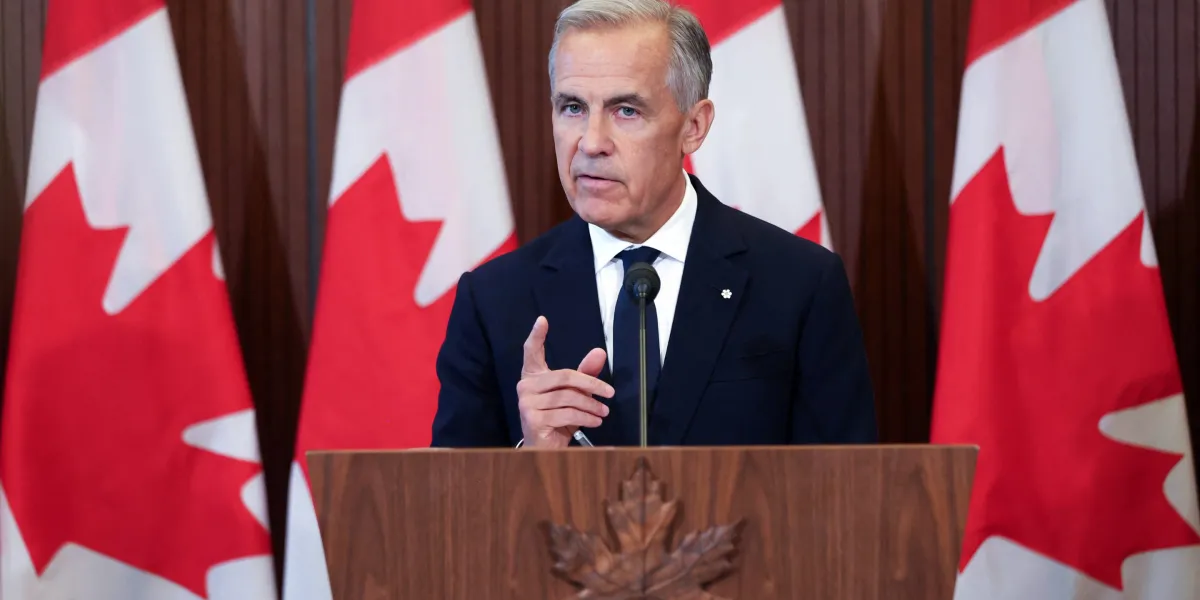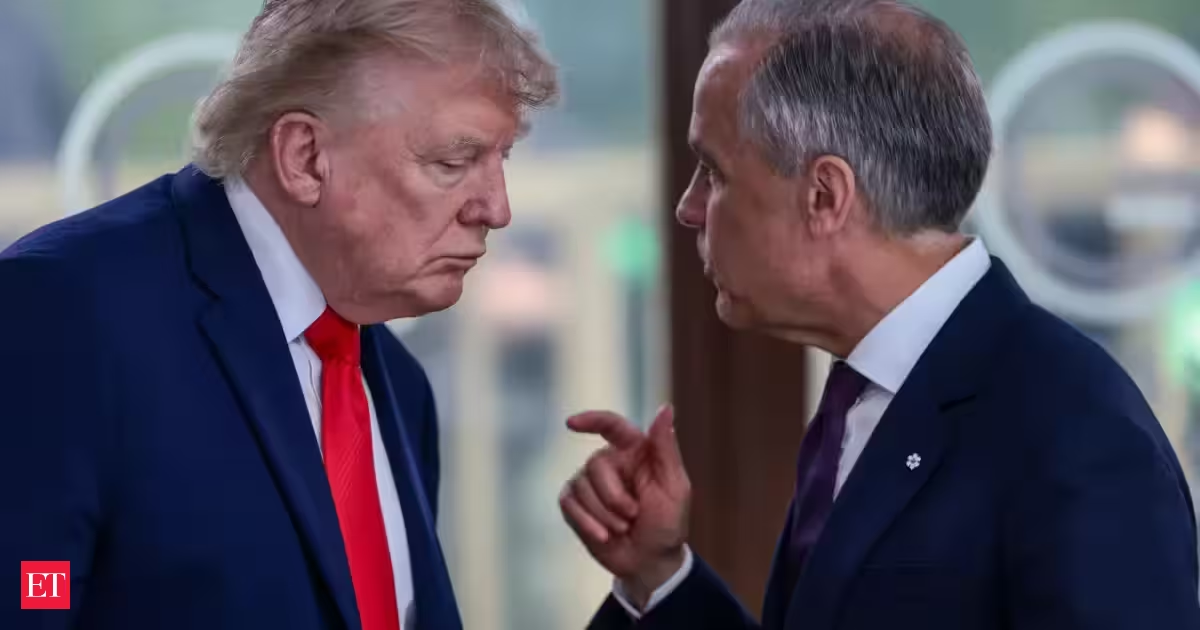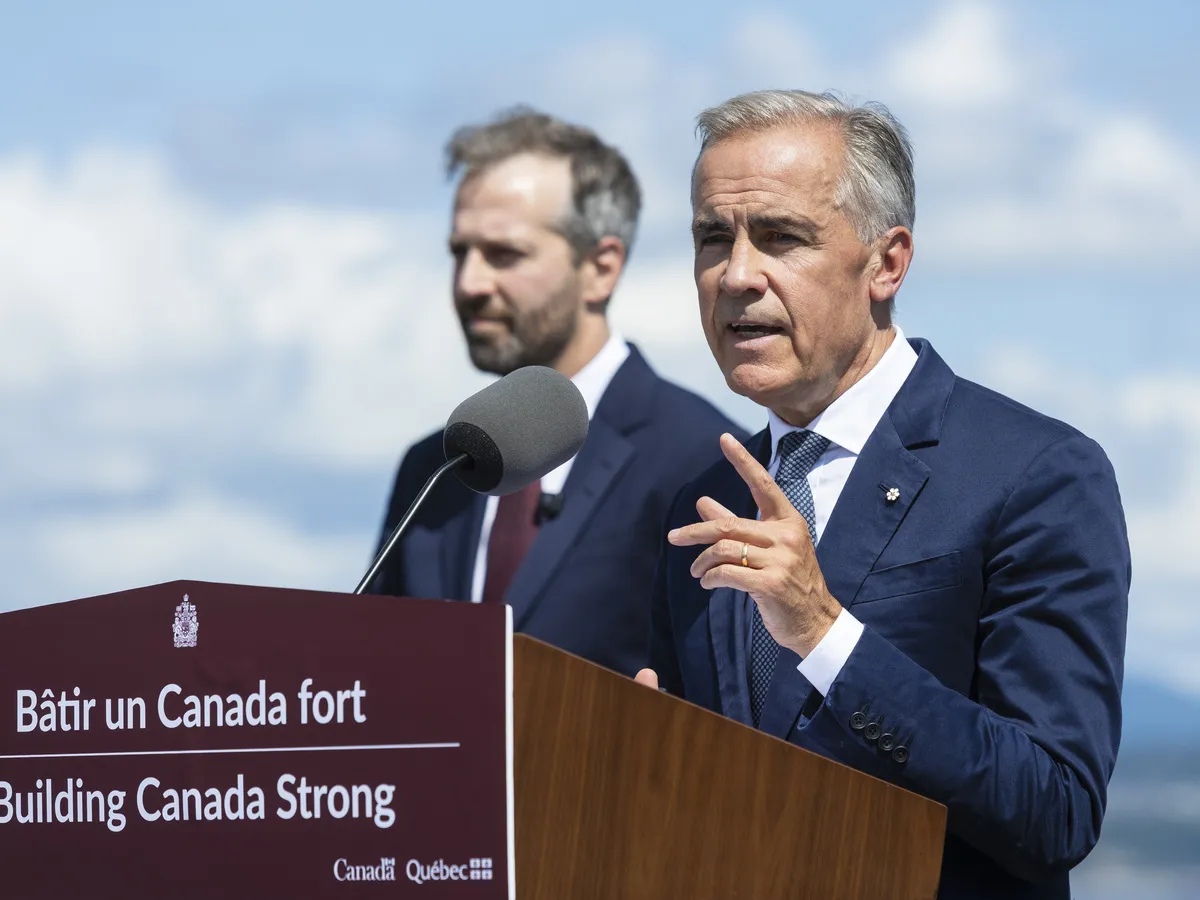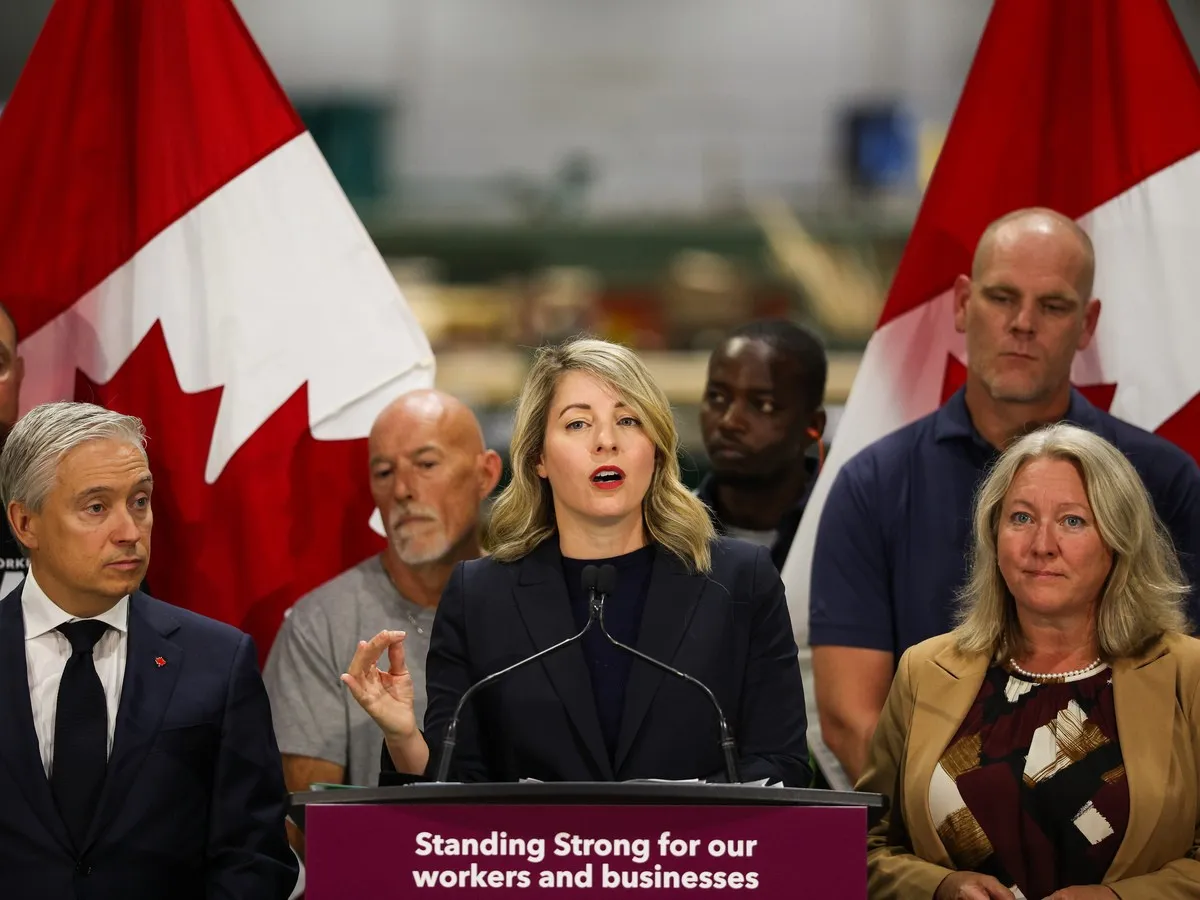
Skip to Content Subscribe My Account Manage My Subscriptions FAQ Newsletters Canada Canadian True Crime Canadian Politics Health World Israel & Middle East Financial Post NP Comment Longreads Puzzmo Diversions Comics NP News Quiz New York Times Crossword Horoscopes Life Eating & Drinking Style Sponsored Play for Ontario Travel Travel Canada Travel USA Travel International Cruises Travel Essentials Culture Books Celebrity Movies Music Theatre Television Business Essentials Advice Lives Told Tails Told Shopping Buy Canadian Home Living Outdoor Living Kitchen & Dining Tech Style & Beauty Personal Care Entertainment & Hobbies Gift Guide Travel Guide Amazon Prime Day Deals Savings National Post Store More Sports Hockey Baseball Basketball Football Soccer Golf Tennis Driving Vehicle Research Reviews News Gear Guide Obituaries Place an Obituary Place an In Memoriam Classifieds Place an Ad Celebrations Working Business Ads Archives Healthing Epaper Manage Print Subscription Profile Settings My Subscriptions My Offers Newsletters Customer Service FAQ Newsletters Canada World Financial Post NP Comment Longreads Puzzmo Diversions Life Shopping Epaper Manage Print Subscription HomeNewsCanada has retaliated against Trump's tariffs. Should Carney go even further?Canada’s retaliatory list — intentionally or not — is still likely to have a disproportionate political effect in battleground statesLast updated 5 minutes ago Industry Minister Mélanie Joly speaks during a press conference at Ideal Roofing Company Limited Manufacturers in Ottawa on Tuesday, Aug. 25, 2026. Photo by HYUNGCHEOL PARK /PostmediaWASHINGTON, D.C. — Ottawa and Washington have been engaged in a rhetorical tit-for-tat over tariffs since talks broke down and the U.S. imposed Section 338 duties on hundreds of Canadian imports over the weekend.Enjoy the latest local, national and international news.Exclusive articles by Conrad Black, Barbara Kay and others. Plus, special edition NP Platformed and First Reading newsletters and virtual events.Unlimited online access to National Post.National Post ePaper, an electronic replica of the print edition to view on any device, share and comment on.Daily puzzles including the New York Times Crossword.Support local journalism.Enjoy the latest local, national and international news.Exclusive articles by Conrad Black, Barbara Kay and others. Plus, special edition NP Platformed and First Reading newsletters and virtual events.Unlimited online access to National Post.National Post ePaper, an electronic replica of the print edition to view on any device, share and comment on.Daily puzzles including the New York Times Crossword.Support local journalism.Create an account or sign in to continue with your reading experience.Access articles from across Canada with one account.Share your thoughts and join the conversation in the comments.Enjoy additional articles per month.Get email updates from your favourite authors.Create an account or sign in to continue with your reading experience.Access articles from across Canada with one accountShare your thoughts and join the conversation in the commentsEnjoy additional articles per monthGet email updates from your favourite authorsSign In or Create an AccountorPrime Minister Mark Carney explained why he pulled his team back and promised retaliatory tariffs, while President Donald Trump posted to social media several times, threatening Canada with even higher auto tariffs and denying he made any demands that meddled with French culture.On Tuesday morning, Carney’s team showed its hand on the retaliatory tariffs it promised, revealing the list of products to be hit with duties starting September 8. The plan is to apply 50 per cent tariffs on steel and aluminum imports from the U.S., as well as furniture, clothing, milk, plywood, paper, honey, doors and windows, smartphones, and perfumes, among others. Additional products will face 25 per cent tariffs, including carpets and textiles, cheese, large kitchen appliances, and seafood.Get a dash of perspective along with the trending news of the day in a very readable format.By signing up you consent to receive the above newsletter from Postmedia Network Inc.A welcome email is on its way. If you don't see it, please check your junk folder.The next issue of NP Posted will soon be in your inbox.We encountered an issue signing you up. Please try againSo will the retaliation be enough to get Washington’s attention in a way that focuses the U.S. administration on sealing a deal or should Canada go even further? Canadian Prime Minister Mark Carney (L) speaks about the trade dispute with the United States at the Davie Shipyard in Levis, Quebec, Canada on August 24, 2026. Photo by ANDREJ IVANOV /AFP via Getty Images“Right now, the (U.S.) tariffs affect a narrow set of products, and I would imagine that the Canadian retaliation would also start off affecting a narrow set of American products relative to everything that the U.S. exports to Canada,” said Alfredo Carrillo Obregon, a trade policy analyst at the Cato Institute in Washington, before the Canadian list was revealed.“Over time, you continue escalating, and then you’re really going to touch on products that are important for consumers and important for businesses on both sides of the border.”Ottawa said its list was crafted to protect the “domestic market share for Canadian companies,” rather than to target politically sensitive products in U.S. battleground states ahead of the midterm elections this November.This makes sense, according to Graeme Thompson, senior analyst with Eurasia Group’s Global Macro team, because Canada-imposed tariffs will cost Canadians.“Tariffs are a tax. It’s as simple as that,” said Thompson. “If you put a tariff on a good that you are importing, it is more expensive for consumers. Full stop.” Canada on August 25, 2026, announced counter-tariffs on US goods ranging between 15 percent and 50 per cent, intensifying the trade war between the historically close allies. Photo by ANDREJ IVANOV,SAUL LOEB /AFP via Getty ImagesThat said, Canada’s retaliatory list — intentionally or not — is still likely to have a disproportionate political effect in battleground states with large steel, auto, appliance, agricultural, paper, food-processing or consumer-goods sectors. Michigan and Ohio come to mind for steel and autos, while North Carolina and Georgia could also feel the effect owing to their furniture and appliance markets. Iowa, Wisconsin, and Minnesota, meanwhile, are vulnerable through their dairy, agricultural, and food-processing sectors.Before the list dropped, Thompson reasoned that Canada would try to identify products that were of particular importance to swing districts in the U.S. House and swing states in the U.S. Senate, noting “that’s been Canada’s approach in the past,” he said.But can pressure ahead of the midterms move the needle much?Thompson and his colleagues at Eurasia Group expect the Dems to win the House with a moderate majority, but the Senate will be a closer call. To win there, he said, “the Democrats have to maintain four of the seats that they currently hold that are up for re-election and flip four from the Republicans.”Inu Manak, senior fellow at the Peterson Institute for International Economics, said targeting U.S. midterm battlegrounds could create political pressure on the Trump administration, but it could also risk a bigger backlash. Ontario Premier Doug Ford speaks to members of the media in Hamilton about the ongoing trade concerns with the United States on Monday. Photo by Peter J Thompson/National Post“If you go the midterm route, you might infuriate Trump even further,” she said, noting that another option could be to target states that do the most trade with Canada. That approach, she warned, “might infuriate your closest trading partners further.”Manak said she sees little prospect of a deal before the midterms and suggested that Canada could gain leverage afterward if Republicans suffer significant losses and Trump becomes more eager to demonstrate that he can still conclude deals. But she also cautioned that even a future Democratic president would not necessarily restore the Obama-era approach to free trade.“Even President Biden, while he was trying to strike a more positive tone with allies and did a lot to repair the relationship, he still maintained a lot of Trump’s tariffs,” she said.Thompson also sees little hope for change on the U.S. trade file, whatever the congressional makeup.“I don’t think it changes much from a policy or procedural point of view because so much of this is driven out of the White House and by executive powers that Congress has essentially delegated,” he said.“We’re not past peak tariff and peak protectionism by a long shot.” U.S. President Donald Trump, left, speaks as U.S. Commerce Secretary Howard Lutnick looks on during an event in the Oval Office of the White House on Aug. 6, in Washington, D.C. Photo by Alex Wong /Getty ImagesStill, a Democrat-controlled House, Thompson noted, “would be very likely to want to push on cost-of-living issues” which could be useful in encouraging the president to lower some tariffs.Both Obregon and Andrew Hale, fellow at Washington’s Advancing American Freedom, pointed to the legal route as they expect the 338 tariffs could be challenged in U.S. courts.“These 338 tariffs are totally invalid, and the courts will get rid of them and refunds will be paid with interest to the Americans that pay these tariffs,” said Hale.“Customs and Border Protection will also spend taxpayer dollars processing these refunds,” he added, pointing to the waste of time and money.But Hale does not see a reason for Canada to wait on lawsuits or political dominoes to fall — and he questioned waiting until September 8 for retaliation. The retaliatory tariffs, after all, could be much broader and take effect immediately.“Canada has the economic arsenal to respond to the Trump administration’s latest round of bullying,” he said, pointing out that Trump’s omission of potash, critical minerals, and energy from the “unlawful 338 tariffs” was telling.“The administration knows the U.S. needs goods from Canada,” he said, noting how the U.S. gets 80 per cent of its potash for fertilizer from Saskatchewan and U.S. industry benefits from the Canadian heavy crude oil that comes down to the U.S. for refinement.“If Canada were to stop exporting energy to the United States, most of New England would cease to operate. New England and other parts of the U.S. purchase hydroelectric power from Canada,” he said. U.S. President Donald Trump speaks with Canadian Prime Minister Mark Carney at a working lunch with leaders of G7 and the Middle East, on June 16, 2026 in Evian-les-Bains, France. Photo by Pool /Getty ImagesSo should Ottawa go full-tilt on tariffing or blocking energy and electricity exports to the United States? Would being aggressive now help strengthen Ottawa’s hand to get a deal back on track?Manak doesn’t think Carney will go this route and said it would be a “pretty severe action” if he did.While Ontario Premier Doug Ford has mentioned energy tariffs as an option, Manak was mindful of the domestic political calculus for Carney.“A lot of those energy exports are coming from Alberta, and I would imagine that Carney does not want to create more tension between the federal government and Alberta at this moment when there is a separation vote (looming).”Instead, she believes Carney will tread carefully on energy matters while keeping it in his toolkit.“It’s something that he could certainly keep in his back pocket. You don’t really have to put punitive measures on for there to be leverage,” she said. “You just have to threaten to use them.”National PostOur website is the place for the latest breaking news, exclusive scoops, longreads and provocative commentary. Please bookmark nationalpost.com and sign up for our newsletters here. Join the Conversation This website uses cookies to personalize your content (including ads), and allows us to analyze our traffic. Read more about cookies here. By continuing to use our site, you agree to our Terms of Use and Privacy Policy.
Canada has retaliated against Trump's tariffs. Should Carney go even further?
Canada’s measured tariff retaliation may pressure Trump, but escalating to energy exports could be more effective — or trigger a backlash.
1,891 words~9 min read