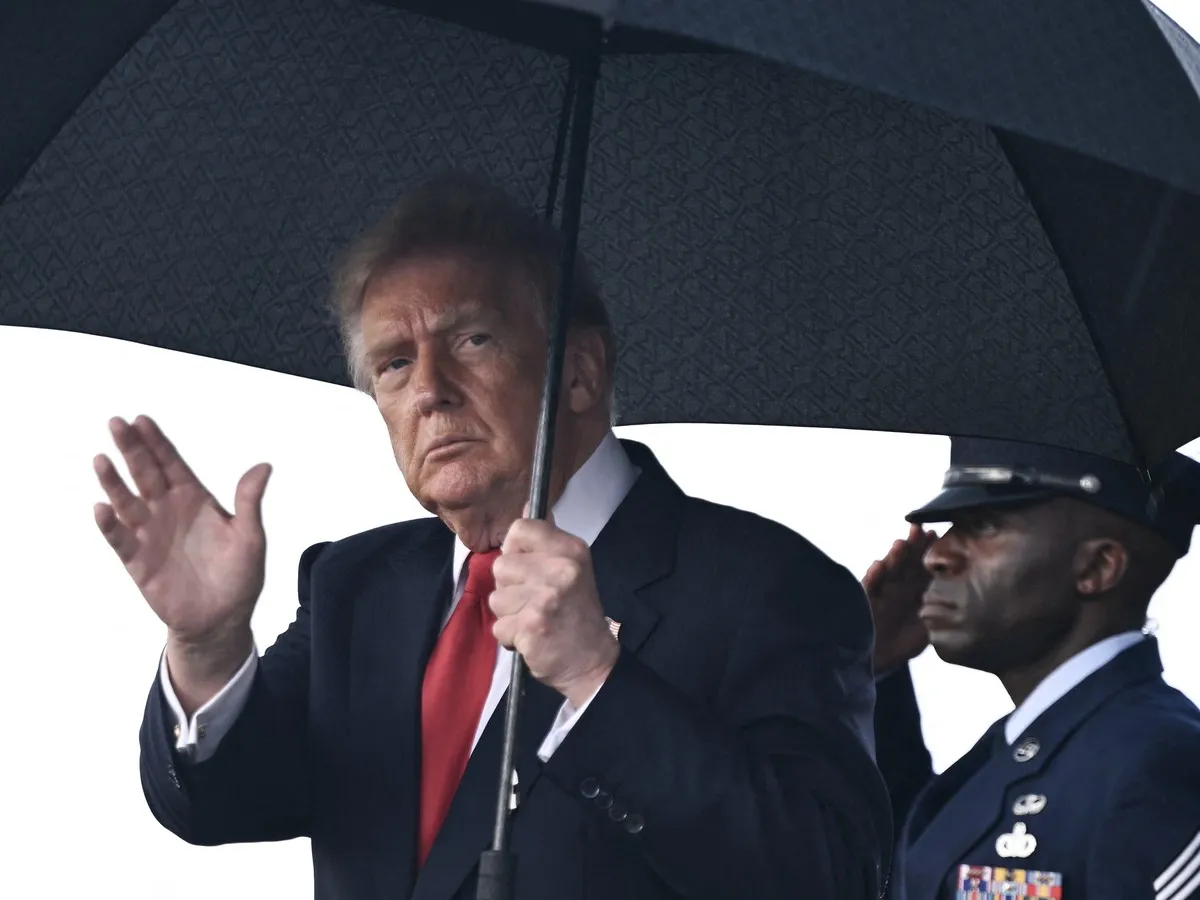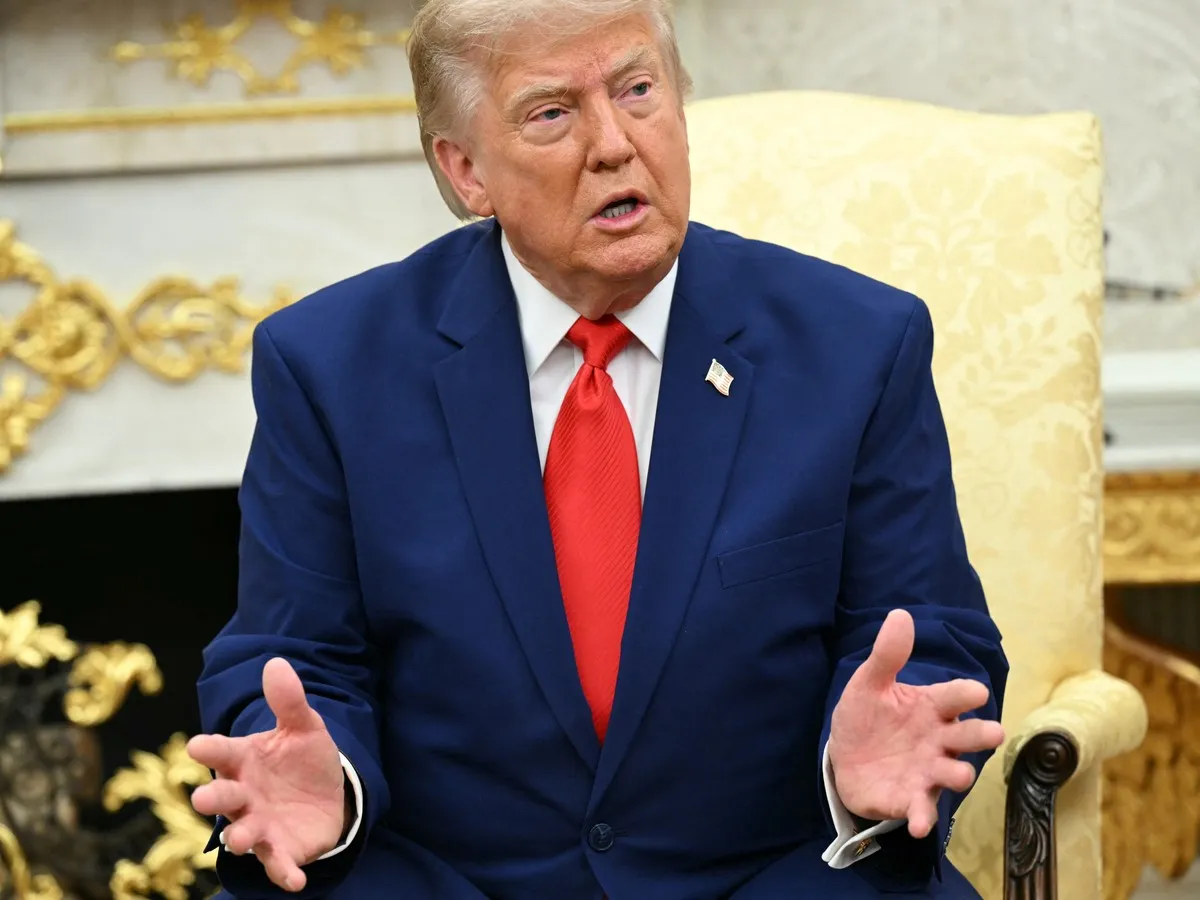
Skip to Content Subscribe Our Offers My Account Manage My Subscriptions FAQ Newsletters Canada Canadian True Crime Canadian Politics Health World Israel & Middle East Financial Post NP Comment Longreads Puzzmo Diversions Comics NP News Quiz New York Times Crossword Horoscopes Life Eating & Drinking Style Sponsored Play for Ontario Travel Travel Canada Travel USA Travel International Cruises Travel Essentials Culture Books Celebrity Movies Music Theatre Television Business Essentials Advice Lives Told Tails Told Shopping Buy Canadian Home Living Outdoor Living Kitchen & Dining Tech Style & Beauty Personal Care Entertainment & Hobbies Gift Guide Travel Guide Amazon Prime Day Deals Savings National Post Store More Sports Hockey Baseball Basketball Football Soccer Golf Tennis Driving Vehicle Research Reviews News Gear Guide Obituaries Place an Obituary Place an In Memoriam Classifieds Place an Ad Celebrations Working Business Ads Archives Healthing Epaper Manage Print Subscription Profile Settings My Subscriptions Saved Articles My Offers Newsletters Customer Service FAQ Newsletters Canada World Financial Post NP Comment Longreads Puzzmo Diversions Life Shopping Epaper Manage Print Subscription HomeNewsTrump's new tariffs are dubious tactics that put Carney in a tight spot, trade watchers sayWhether the measures are legal may not matter: they put Canada in a difficult position of worsening the trade war or playing Trump's game You can save this article by registering for free here. Or sign-in if you have an account.U.S. President Donald Trump speaks during a meeting with Lebanese President Joseph Aoun in the Oval Office of the White House in Washington, DC, on July 21, 2026. Photo by SAUL LOEB /AFP via Getty ImagesThe Trump administration’s announcement of a new round of tariffs on Canadian goods may be less of a reprisal over trade barriers and more about gaining leverage in CUSMA negotiations, trade watchers suggest. Enjoy the latest local, national and international news.Exclusive articles by Conrad Black, Barbara Kay and others. Plus, special edition NP Platformed and First Reading newsletters and virtual events.Unlimited online access to National Post.National Post ePaper, an electronic replica of the print edition to view on any device, share and comment on.Daily puzzles including the New York Times Crossword.Support local journalism.Enjoy the latest local, national and international news.Exclusive articles by Conrad Black, Barbara Kay and others. Plus, special edition NP Platformed and First Reading newsletters and virtual events.Unlimited online access to National Post.National Post ePaper, an electronic replica of the print edition to view on any device, share and comment on.Daily puzzles including the New York Times Crossword.Support local journalism.Create an account or sign in to continue with your reading experience.Access articles from across Canada with one account.Share your thoughts and join the conversation in the comments.Enjoy additional articles per month.Get email updates from your favourite authors.Create an account or sign in to continue with your reading experience.Access articles from across Canada with one accountShare your thoughts and join the conversation in the commentsEnjoy additional articles per monthGet email updates from your favourite authorsSign In or Create an AccountorWhether the measures are legal are not is open to debate, but that may not matter because for now they put Canada in a difficult position of whether to strike back and risk even further heightening the trade war or to try playing along with President Donald Trump’s game.On Monday, the White House invoked the never-before-used Section 338 of the Tariff Act of 1930, which allows the president to use tariffs as a response to discriminatory trade practices. It announced that it will impose a whopping 50 per cent tariff on more than 400 Canadian products on August 19, claiming it was in response to Canada’s tariffs on U.S. autos, boycotts by provincial liquor boards of U.S. alcohol, and Canadian barriers to dairy imports.Get a dash of perspective along with the trending news of the day in a very readable format.By signing up you consent to receive the above newsletter from Postmedia Network Inc.A welcome email is on its way. If you don't see it, please check your junk folder.The next issue of NP Posted will soon be in your inbox.We encountered an issue signing you up. Please try again“While the Administration continues to secure fair and reciprocal trade deals with our trading partners, Canada, unlike other partners and allies, continues to retaliate against the United States for its efforts to rebalance trade and protect U.S. industry in national-security sensitive sectors,” U.S. Trade Representative Jamieson Greer said in a statement, explaining the move.Alfredo Carrillo Obregon, trade policy analyst at the Cato Institute in Washington, said he thinks there’s more to it.“This is probably more of a way to get negotiating leverage over Canada,” he said. “It seems to me that it’s pretty tethered to the USMCA negotiations rather than this being the new sort of tariff authority that the administration is going to start using left, right, and centre.”The U.S. declined to renew the Canada-U.S.-Mexico Agreement on July 1, which means the deal must be reviewed and renegotiated annually for the next 10 years, when it expires, unless the three partners agree to renew before then.Carrillo Obregon pointed out that the 338 tariffs target politically sensitive sectors — especially dairy and alcohol — rather than all Canadian goods, accounting for about five per cent of Canadian exports.“It’s not a whole lot of products. So that leads me to think that this is more of a negotiating tool,” he added, drawing a distinction with Trump’s more sweeping 2025 tariffs under the International Emergency Economic Powers Act (later struck down by the Supreme Court) that levied a 25 per cent charge on most Canadian goods, and 10 per cent on Canadian energy exports.Andrew Hale, fellow at Washington-based Advancing American Freedom, said that whatever leverage Washington is trying to get, it isn’t doing it legally.“They may be using this to force Canada’s hand in the negotiations,” he said, but “their threats have no legal basis.”The central legal question is all about process. Certain retributive tariff powers available to the president require investigation by the U.S. government to substantiate the grievances, including Section 301 tariffs (targeting goods made by forced labour) and Section 122 tariffs (temporary surcharges for “international payments problems”).Section 338, however, is vague on whether an investigation is needed before implementation.The statute says the U.S. International Tariff Commission (ITC) must continuously monitor global trade for unfair practices and advise the White House accordingly, suggesting the ITC should inform the president of any discriminatory findings, which did not happen in this case. “But it doesn’t actually clarify whether a finding by the ITC is necessary for the president to be able to invoke Section 338,” said Carrillo Obregon, suggesting this is one way the move could be legally challenged. Section 338 is nearly a century old and was largely superseded by Section 301 of the Trade Act of 1974, another anti-discrimination statute. Clark Packard, research fellow for Cato’s Herbert A. Stiefel Center for Trade Policy Studies, said he expects serious legal challenges because of this history.“Whether those (lawsuits) are successful is a different question,” he noted.Judges rarely micro-manage trade policy, so the courts may very well defer to the president’s judgment on whether Canada is truly discriminating against U.S. business, Carrillo Obregon said.Frustratingly for Ottawa, of course, the White House doesn’t mention that its Section 338 tariffs are being imposed purportedly over auto tariffs and alcohol boycotts that were deployed in Canada only as responses to “USMCA-violating trade policies from the White House,” Packard said.Prime Minister Mark Carney said as much late Monday in a statement posted to X, criticizing the move as “the latest in a series of unilateral U.S. trade actions that began with the U.S. imposing a series of tariffs in direct violation of the Canada-United States-Mexico Agreement (CUSMA), the free trade agreement between Canada, the United States, and Mexico.”Regardless, any legal challenges over the newest tariffs could take months, if not years, so the more immediate concern is how Ottawa responds. Carney said after Monday’s tariff announcement that the U.S. and Canada had agreed to “intensify” negotiations over CUSMA.“Canada stands ready to engage intensively to address outstanding issues with the U.S. to the mutual benefit of our citizens,” Carney said. He later said Canada “will do whatever it takes” to respond to the new trade taxes.But analysts say he needs to tread carefully.“Economically speaking, the worst thing would be to sort of retaliate again, because those are tariffs that Canadian consumers would be paying,” said Carrillo Obregon. It would also worsen the tension between the two countries and probably fail to move the U.S. to compromise, he added. But he acknowledged that Carney must grapple with opting for the domestic political payoff of standing up to Trump — and whether it’s worth the geopolitical and economic costs. “Canada should not be bullied into accepting a bad deal. They should stand firm and argue for their interests, which are our mutual North American interest,” said Hale.Packard acknowledged that “the Canadian government cannot be perceived as weak in the eyes of Canadian voters.” But he also noted that if he were advising Ottawa, “I would suggest they not retaliate.”Any new tariffs on American imports “will be paid by Canadian businesses and Canadian families. It cannot be repeated enough — the tariffs are not paid by foreigners.”National Posttmoran@postmedia.comOur website is the place for the latest breaking news, exclusive scoops, longreads and provocative commentary. Please bookmark nationalpost.com and sign up for our newsletters here. Join the Conversation This website uses cookies to personalize your content (including ads), and allows us to analyze our traffic. Read more about cookies here. By continuing to use our site, you agree to our Terms of Use and Privacy Policy.
Trump's new tariffs are dubious tactics that put Carney in a tight spot, trade watchers say
Whether the measures are legal may not matter: they put Canada in a difficult position of worsening the trade war or playing Trump's game
1,603 words~7 min read