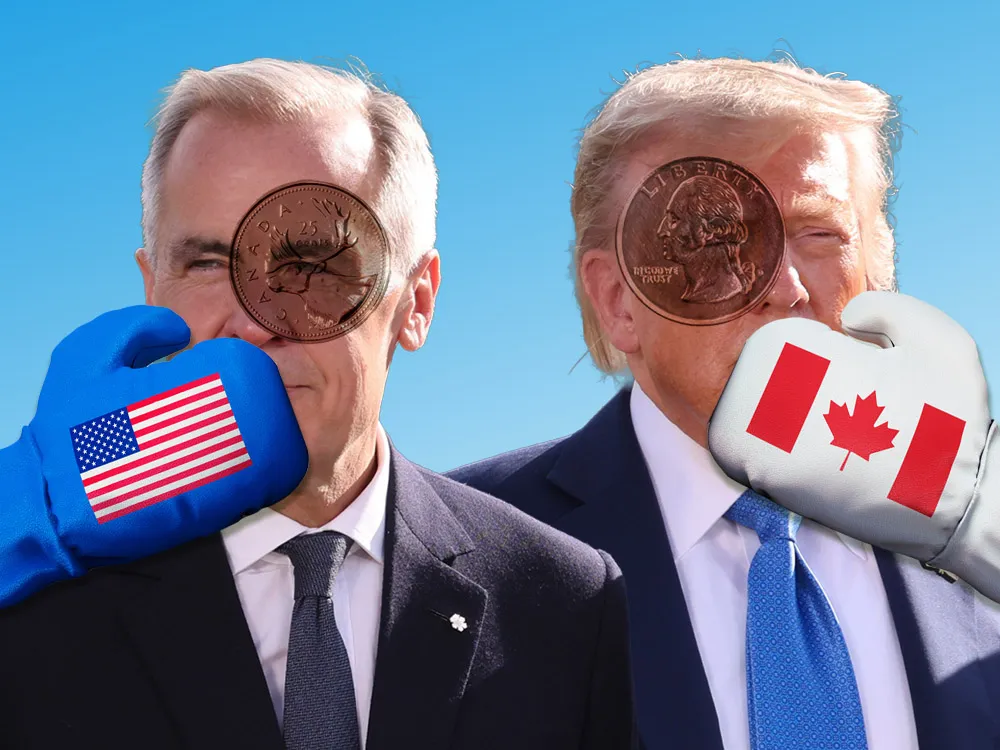
Skip to Content Subscribe My Account Manage My Subscriptions FAQ Newsletters Canada Canadian True Crime Canadian Politics Health World Israel & Middle East Financial Post NP Comment Longreads Puzzmo Diversions Comics NP News Quiz New York Times Crossword Horoscopes Life Eating & Drinking Style Sponsored Play for Ontario Travel Travel Canada Travel USA Travel International Cruises Travel Essentials Culture Books Celebrity Movies Music Theatre Television Business Essentials Advice Lives Told Tails Told Shopping Buy Canadian Home Living Outdoor Living Kitchen & Dining Tech Style & Beauty Personal Care Entertainment & Hobbies Gift Guide Travel Guide Amazon Prime Day Deals Savings National Post Store More Sports Hockey Baseball Basketball Football Soccer Golf Tennis Driving Vehicle Research Reviews News Gear Guide Obituaries Place an Obituary Place an In Memoriam Classifieds Place an Ad Celebrations Working Business Ads Archives Healthing Epaper Manage Print Subscription Profile Settings My Subscriptions My Offers Newsletters Customer Service FAQ Newsletters Canada World Financial Post NP Comment Longreads Puzzmo Diversions Life Shopping Epaper Manage Print Subscription HomeNP CommentThe worst case scenario for the U.S.-Canada trade warOpinion: Some of these tariffs may persist even long after Trump has left officePhoto by Illustration by John RichardsonFollowing the breakdown in U.S.-Canada trade negotiations over the weekend, Prime Minister Mark Carney is now saying that Canada has no plans to reopen talks with Washington, and is prepared to continue the trade war right up until the end of U.S. President Donald Trump’s term in 2029. But there is a chance that the current trade conflict could outlast even Trump. Enjoy the latest local, national and international news.Exclusive articles by Conrad Black, Barbara Kay and others. Plus, special edition NP Platformed and First Reading newsletters and virtual events.Unlimited online access to National Post.National Post ePaper, an electronic replica of the print edition to view on any device, share and comment on.Daily puzzles including the New York Times Crossword.Support local journalism.Enjoy the latest local, national and international news.Exclusive articles by Conrad Black, Barbara Kay and others. Plus, special edition NP Platformed and First Reading newsletters and virtual events.Unlimited online access to National Post.National Post ePaper, an electronic replica of the print edition to view on any device, share and comment on.Daily puzzles including the New York Times Crossword.Support local journalism.Create an account or sign in to continue with your reading experience.Access articles from across Canada with one account.Share your thoughts and join the conversation in the comments.Enjoy additional articles per month.Get email updates from your favourite authors.Create an account or sign in to continue with your reading experience.Access articles from across Canada with one accountShare your thoughts and join the conversation in the commentsEnjoy additional articles per monthGet email updates from your favourite authorsSign In or Create an AccountorWatch the video or read the transcript below to learn more. The National Post newsletter that doesn’t hold back, giving readers the unvarnished truth on media, politics and culture.By signing up, you consent to receive the above newsletter from Postmedia Network Inc.A welcome email is on its way. If you don't see it, please check your junk folder.The next issue of Right? will soon be in your inbox.We encountered an issue signing you up. Please try againDespite the U.S. and Canada coming very, very close to a concord on trade, it fell apart at the 11th hour.The result? 50 per cent tariffs on more than $28 billion worth of Canadian exports. And Canada pledging dollar-for-dollar retaliation.Now, there is still reason to believe this might be temporary. Both sides get hurt in a trade war. Canada more so, obviously, just given our relative size as compared to the U.S. market.But the American public has never really been on board with the Trump administration’s trade war on Canada. And this means that in an America that is already pretty incensed about affordability, a whole bunch of random things are set to become unreasonably expensive.As just one example: Canada is famously a major supplier of left-handed golfing gear. Well, all that stuff’s getting hit with the 50 per cent tariff.But, the White House has a lot on its plate. So what if they just … don’t return Canada’s calls about trade ever again?That’s what Prime Minister Mark Carney seems to be banking on.In his public comments after the talks fell apart, he said his plan now is to subsidize affected industries … possibly until Trump is no longer president.Said Carney, “we will support these businesses for as long as it takes, in other words, beyond the life of this U.S. administration.”That might be bluster, but it’s not like Carney is feeling any political consequences from this tack. And even if all the current tariffs remain, the macroeconomic effect is probably going to be minimal. Only about five per cent of our exports are getting hit with that big 50 per cent tariff.It’s ruinous for some of those five per cent. As one example, sculptures and paintings are getting hit with the 50 per cent tariff. So if you’re a sculptor with a lot of American clients, this is devastating.But the pain is still slight enough, on an economy-wide basis, that most Canadians won’t notice.So the worst-case scenario is that the status quo keeps going for another three years. And the really, really worst-case scenario is that this doesn’t become an issue that magically dissipates at the end of the Trump Administration.The history of Canada-U.S. trade going all the way back to the 19th century has been a roller coaster of protectionism, free trade and then protectionism again.The situation that Canada has known for the last 30 years — free trade with the United States — is the exception, rather than the norm.And how soon we forget that when the North American Free Trade Agreement first became law in 1994, its chief opponents were not right-wingers like Trump, it was protectionist left-wingers. The same kind of protectionist left wing that’s having a bit of a moment in the U.S.So maybe this is a temporary trade war with the Americans until we can get back to broad, tariff-free trade again.Or, maybe, after a couple years of this, we’ll find that U.S. governments — no matter what their political orientation — are actually kind of fine with a reality in which Canadian fishing rods, diamonds, paintings and sculptures, among other things, are mostly not seen in U.S. stores anymore. Join the Conversation This website uses cookies to personalize your content (including ads), and allows us to analyze our traffic. Read more about cookies here. By continuing to use our site, you agree to our Terms of Use and Privacy Policy.
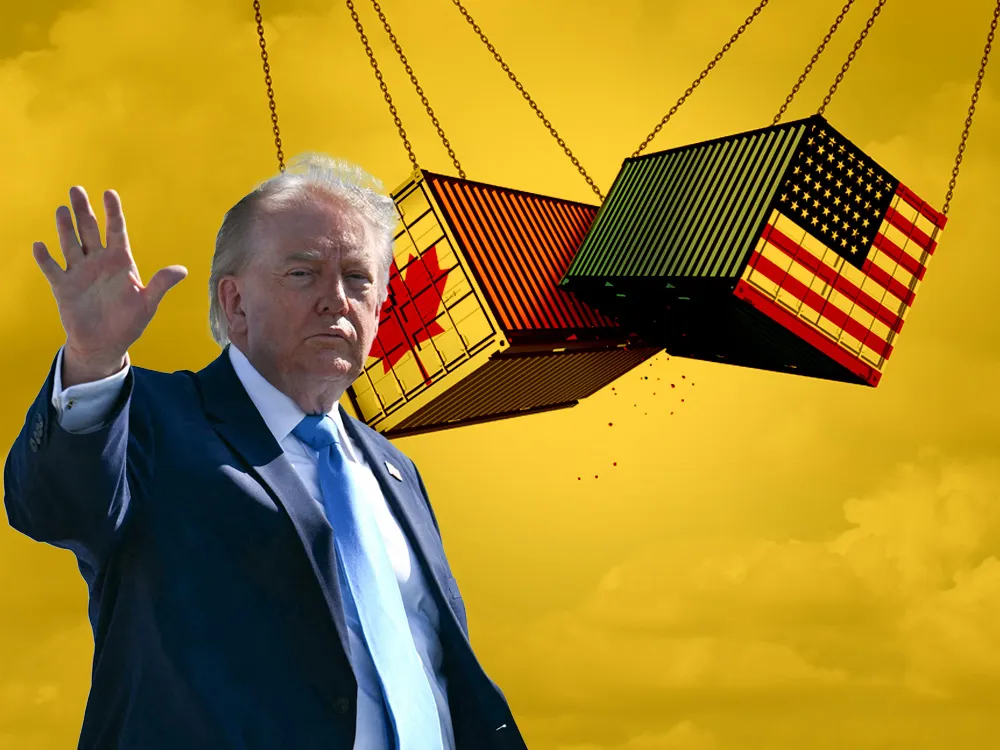
The worst case scenario for the U.S.-Canada trade war
Opinion: Some of these tariffs may persist even long after Trump has left office.
1,097 words~5 min read