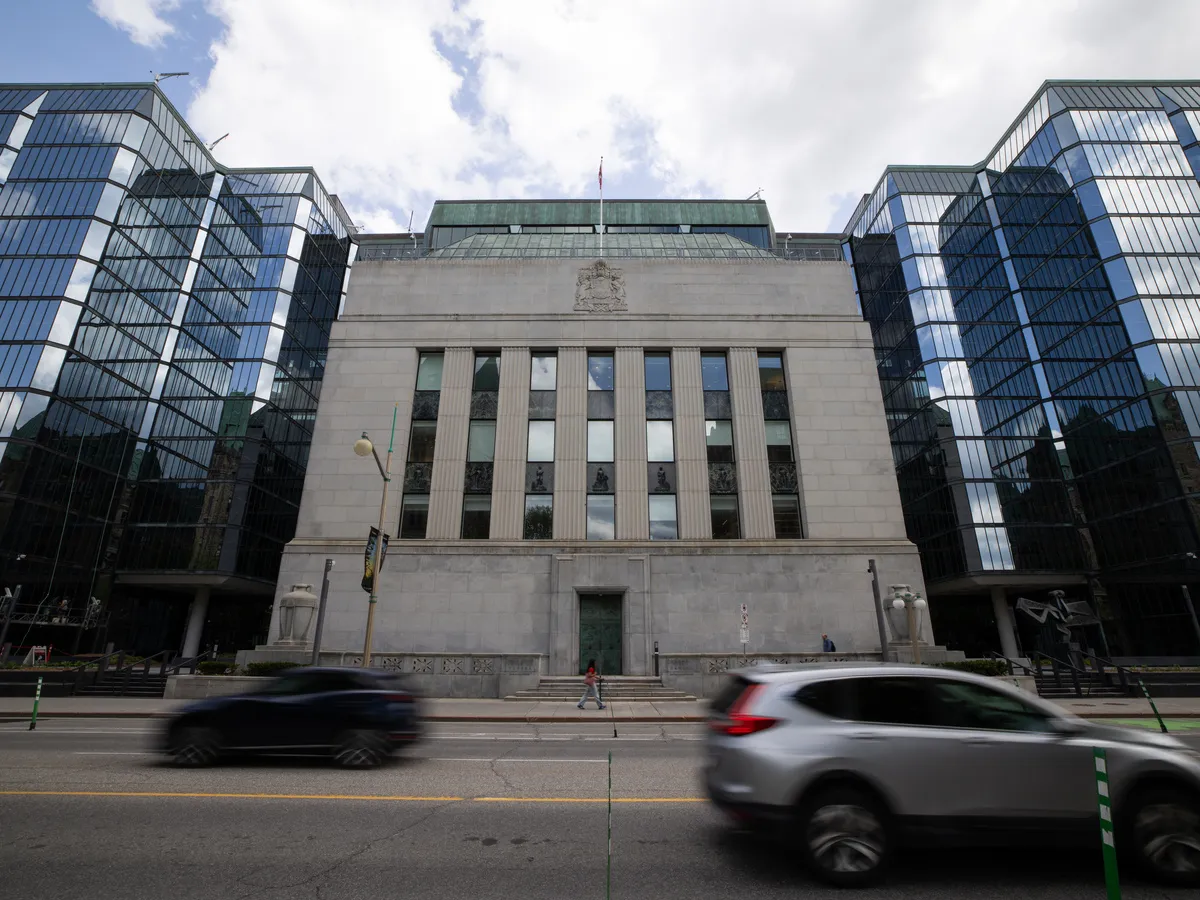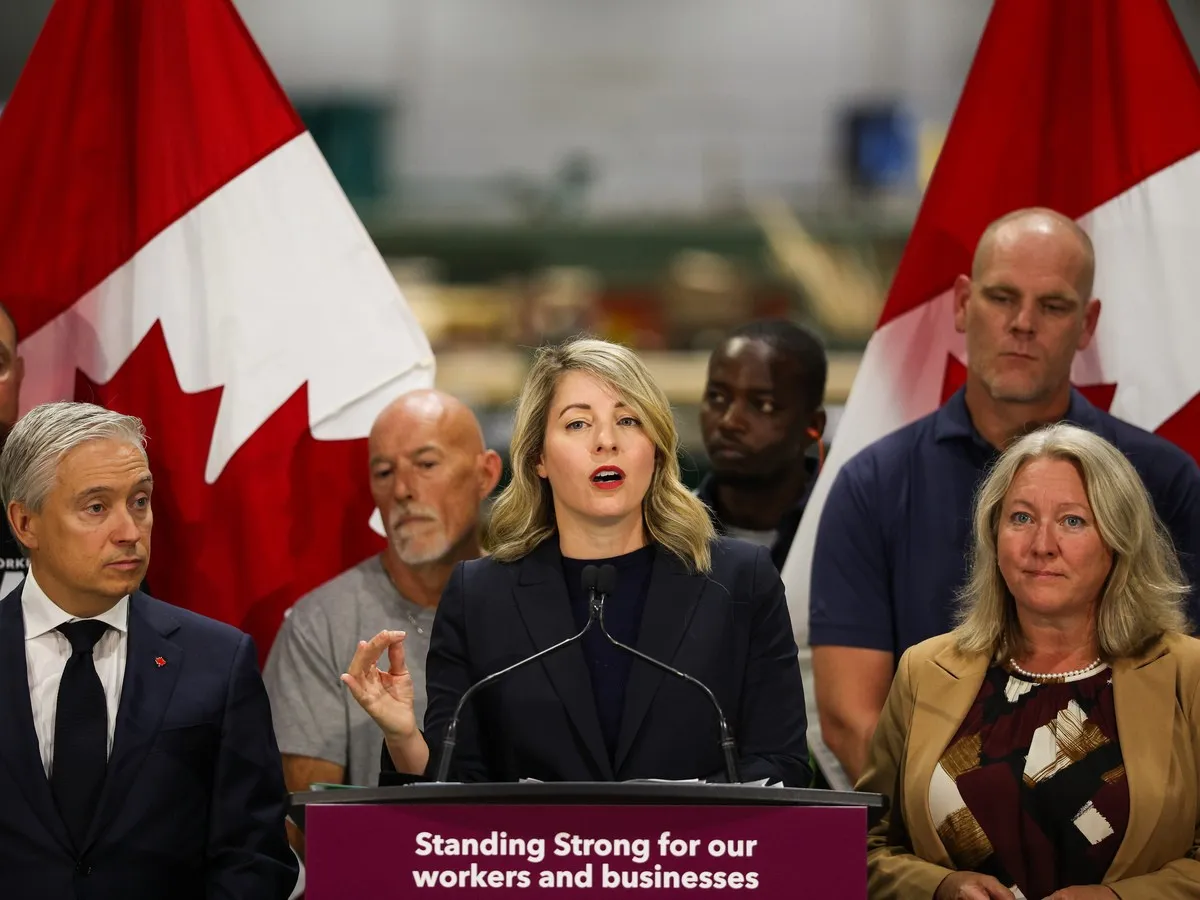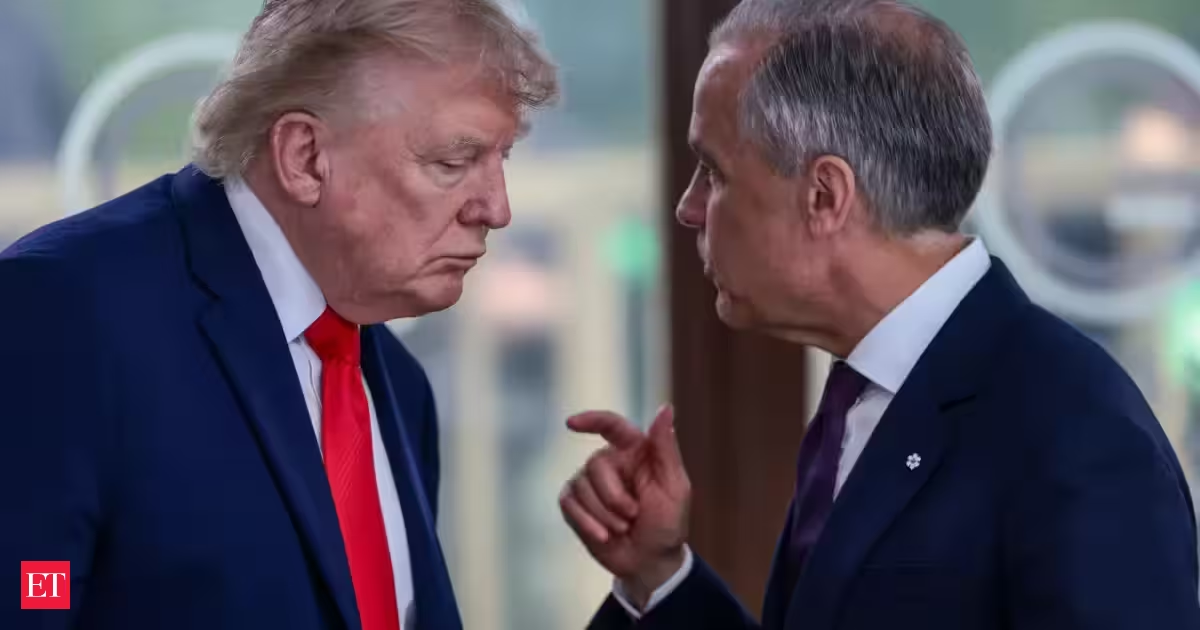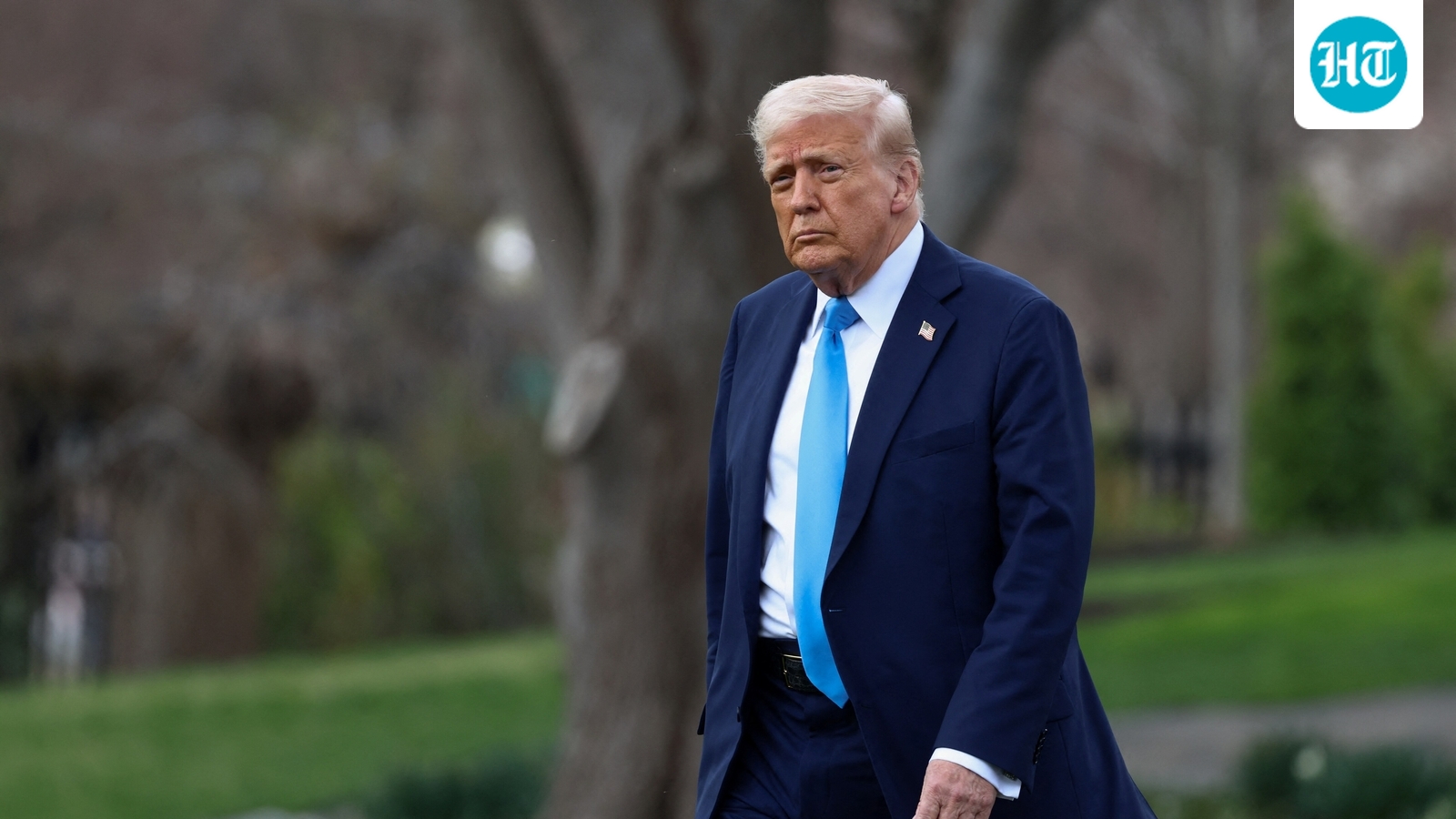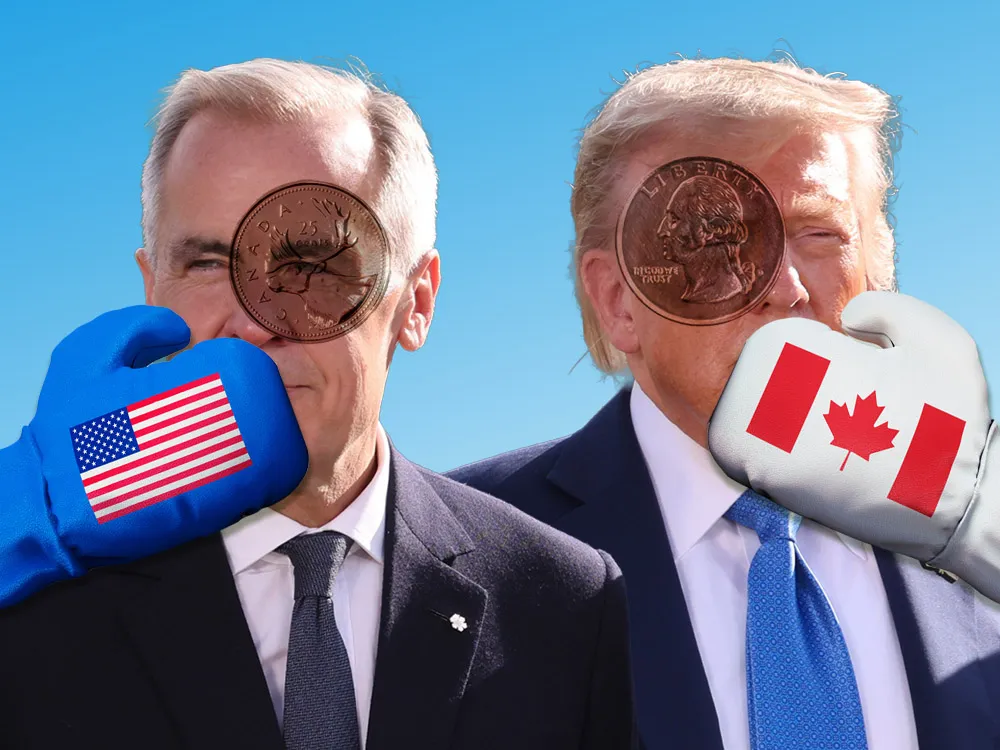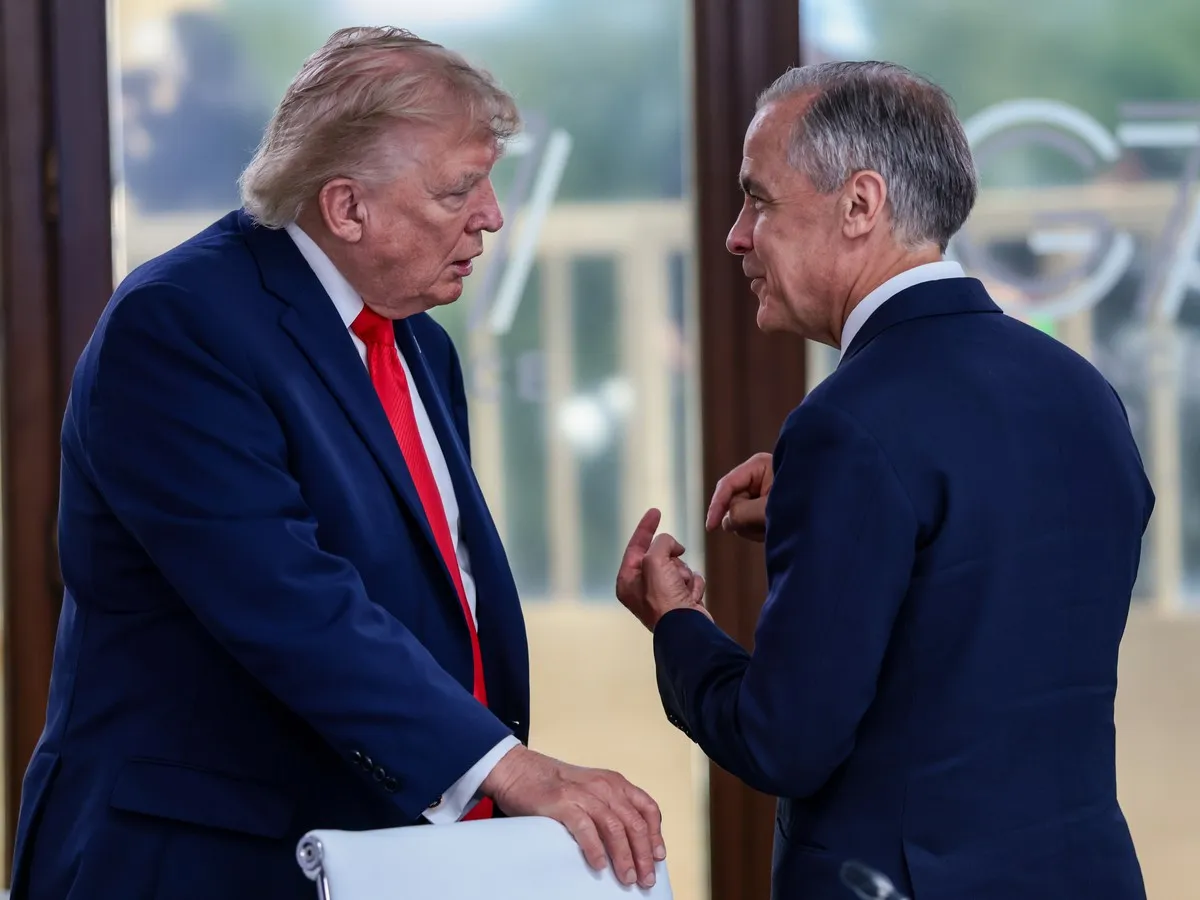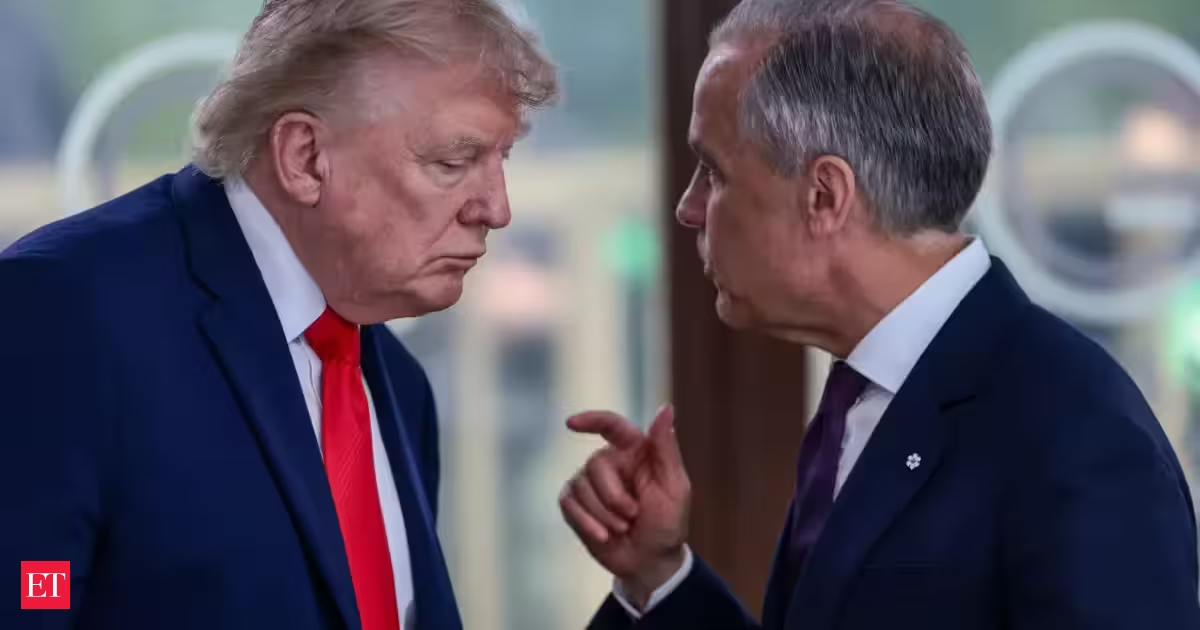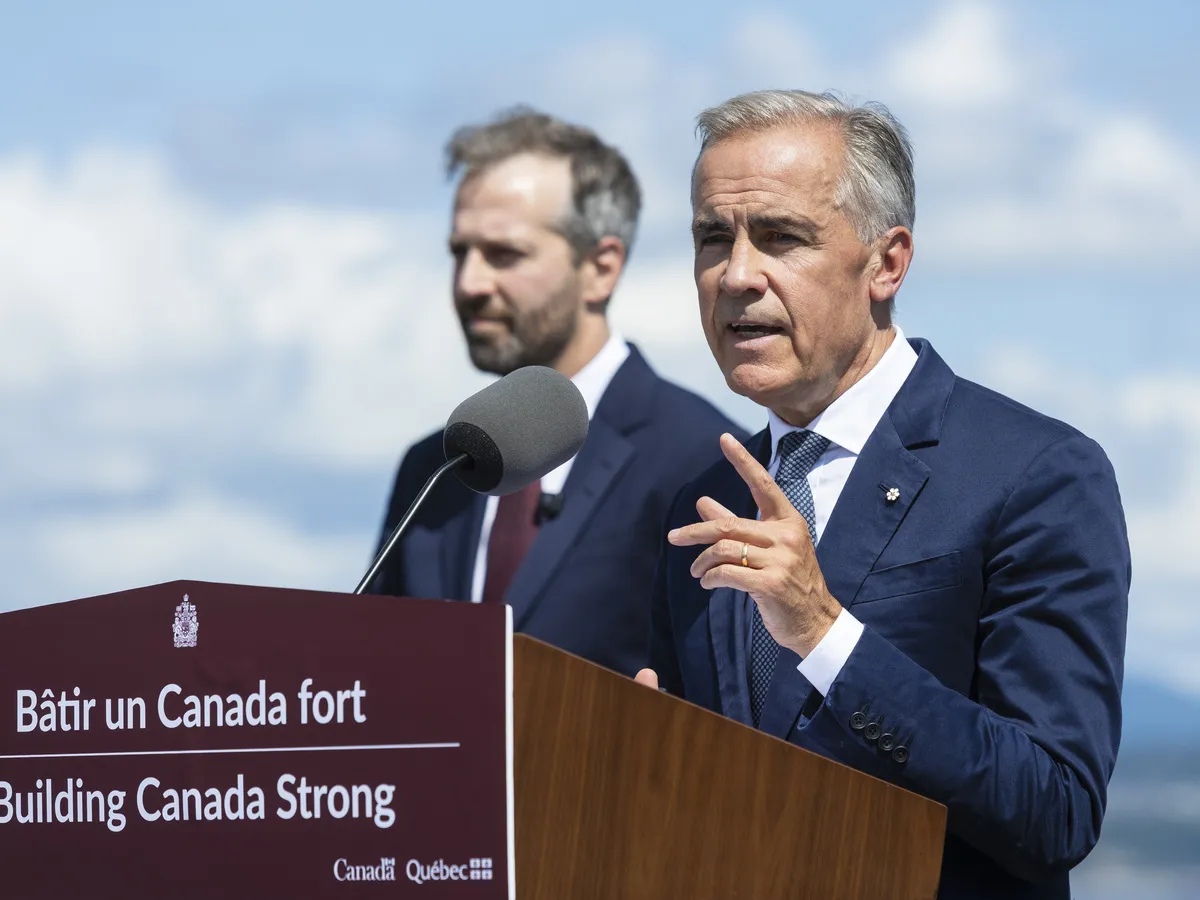
Skip to Content News Archives Economy Energy Oil & Gas Renewables Electric Vehicles Mining Commodities Agriculture Real Estate Mortgages Mortgage Rates Finance Banking Insurance Fintech Cryptocurrency Work Wealth Smart Money Wealth Management Investor Personal Finance Family Finance Retirement Taxes High Net Worth FP Comment Executive Women Puzzmo Newsletters Financial Times Business Essentials More Innovation Information Technology FP500 Podcasts Small Business Lives Told Tails Told Shopping Financial Post Store Obituaries Place a Notice Advertising Advertising With Us Advertising Solutions Postmedia Ad Manager Sponsorship Requests Classifieds Place a Classifieds ad Working Profile Settings My Subscriptions My Offers Newsletters Customer Service FAQ News Economy Energy Mining Real Estate Finance Work Wealth Investor FP Comment Executive Women Puzzmo Newsletters Financial Times Business Essentials HomeNewsEconomyTariff will hurt, but escalation risks a recession, economists warn'Canada is tremendously reliant on the United States for many things, and no amount of economic nationalism is going to prevent that truth'Prime Minister Mark Carney talks during a press conference at the Davie Shipyard in Levis, Que., Aug. 24, 2026. Photo by Francis Vachon/PostmediaU.S. tariffs that went into effect on Saturday are likely to slow Canada’s economic growth, but it’s the risk of escalation on both sides of the trade war that poses a bigger threat to country’s outlook, economists said Monday.Subscribe now to read the latest news in your city and across Canada.Exclusive articles from Barbara Shecter, Joe O'Connor, Gabriel Friedman, and others.Daily content from Financial Times, the world's leading global business publication.Unlimited online access to read articles from Financial Post, National Post and 15 news sites across Canada with one account.National Post ePaper, an electronic replica of the print edition to view on any device, share and comment on.Daily puzzles, including the New York Times Crossword.Subscribe now to read the latest news in your city and across Canada.Exclusive articles from Barbara Shecter, Joe O'Connor, Gabriel Friedman and others.Daily content from Financial Times, the world's leading global business publication.Unlimited online access to read articles from Financial Post, National Post and 15 news sites across Canada with one account.National Post ePaper, an electronic replica of the print edition to view on any device, share and comment on.Daily puzzles, including the New York Times Crossword.Create an account or sign in to continue with your reading experience.Access articles from across Canada with one account.Share your thoughts and join the conversation in the comments.Enjoy additional articles per month.Get email updates from your favourite authors.Create an account or sign in to continue with your reading experience.Access articles from across Canada with one accountShare your thoughts and join the conversation in the commentsEnjoy additional articles per monthGet email updates from your favourite authorsSign In or Create an AccountorMinutes before Friday’s midnight deadline for a deal to avert the new 50 per cent U.S. levies on approximately $29-billion-worth of Canadian goods, Prime Minister Mark Carney said Canada was withdrawing from talks with it’s largest trading partner due to unacceptable “last-minute changes” from U.S. officials.Carney pledged to match the new Section 338 levies dollar-for-dollar, with the retaliatory tariffs coming into effect the day after Labour Day.SUBSCRIBER EXCLUSIVE: FP West: Energy Insider brings you behind the oilpatch’s closed doors with exclusive insights from insiders every Wednesday morning.By signing up you consent to receive the above newsletter from Postmedia Network Inc.A welcome email is on its way. If you don't see it, please check your junk folder.The next issue of FP West: Energy Insider will soon be in your inbox.We encountered an issue signing you up. Please try againU.S. President Donald Trump responded in turn on Monday by threatening to impose 50 per cent tariffs on Canadian autos and auto parts, effective in January.Most economists projected the original U.S. tariffs could shave up 0.2 to 0.6 percentage points off Canada’s gross domestic product growth next year, but the tit-for-tat responses, deteriorating rhetoric between the two sides and potential for even greater escalation have some warning of wider consequences.“While unlikely, escalating trade tensions means the risk of the (Canada-U.S.-Mexico Agreement) unravelling has increased, which would plunge Canada into recession and leave it on a permanently lower growth path,” Tony Stillo and Michael Davenport of Oxford Economics in a note on Monday afternoon.The pair said Carney’s retaliatory tariffs would likely dampen economic growth on top of the drag from the Section 338 levies and modestly increase consumer prices, but wouldn’t cause a recession. They forecast the combination will reduce Canada’s GDP by 0.3 percentage points while lifting consumer prices by around 0.3 percentage points next year.An analysis by RBC Economics published on Saturday also warned the unpredictability of the trade war could affect business investment and sentiment in Canada.“Most (more than 80 per cent) of Canadian exports to the U.S. would remain tariff free under new tariffs — but the unpredictability of U.S. administration tariff policy means it is not possible for businesses to predict which sectors might be next. And that unpredictability is a weight on business confidence across all trade-exposed industries, not just those directly targeted with tariffs,” the analysis read.“Still, businesses have been showing signs of adapting to living under uncertainty after a year and a half of tariff threats, with measures of business confidence and investment perking up to-date in 2026.”Peter Morrow, an economics professor at the University of Toronto, said Canada’s retaliatory tariffs are essentially taxes on U.S. imports, which will raise prices and reduce trade. However, the impact on the average consumer will likely be minimal because the levies will be imposed on goods that most Canadians don’t buy on an everyday basis.“The U.S. imposes tariffs on certain Canadian goods, which will lower the price of these goods because there’s not as much demand for them,” he added. “But if Canada imposes tariffs on U.S. imports, that will raise prices. There’s a chance that the two of them together might actually just wash out, in the sense that there’s lower demand for these goods from the U.S. but there’s going to be higher domestic demand in Canada.”Economic slowdown as a result of the tariffs is likely, but a recession is harder to predict, he added.“Canada is tremendously reliant on the United States for many things, and no amount of economic nationalism is going to prevent that truth. If there is truly a massive escalation, I could see it being very disruptive,” Marrow noted, though he thought the scenario was unlikely.“At the end of the day, there are too many goods that the U.S. relies on for things to get too out of control. The U.S. relies on Canada for oil, electricity, critical minerals, etc.”It is also unclear how the Bank of Canada will respond to the trade war ahead of next week’s interest rate announcement.Bank of Canada governor Tiff Macklem previously said central banks don’t have much leverage during a trade war and monetary policy can only provide limited support by attempting to control inflation.Stillo and Davenport expect weaker growth, higher prices and greater trade policy uncertainty will convince the Bank of Canada to hold its 2.25 per cent policy rate into late 2027 and possibly into 2028.“However, if the economy falters more than we expect and prevents businesses from passing these costs onto consumers, the BoC could temporarily cut the policy rate below two per cent in the next 12 months,” Stillo and Davenport said.Derek Holt, vice-president and head of capital markets economics at Scotiabank, said the central bank would need to be careful not to overdo it, especially in the face of both inflationary retaliatory tariffs and fiscal support.“There could be fewer and delayed hikes, but higher inflation would tie the BoC’s hands,” said in an analysis published on Sunday. “Recall that the BoC cut about a year ago in part because retaliatory tariffs were lessened and so it may do the opposite upon reintroduction of retaliatory tariffs and supports.” Join the Conversation This website uses cookies to personalize your content (including ads), and allows us to analyze our traffic. Read more about cookies here. By continuing to use our site, you agree to our Terms of Use and Privacy Policy.
Tariff will hurt, but escalation risks a recession, economists warn
Economists say there are risks to the Canadian economy as both the U.S. and Canada threaten to escalate the trade war. Find out more.
1,337 words~6 min read