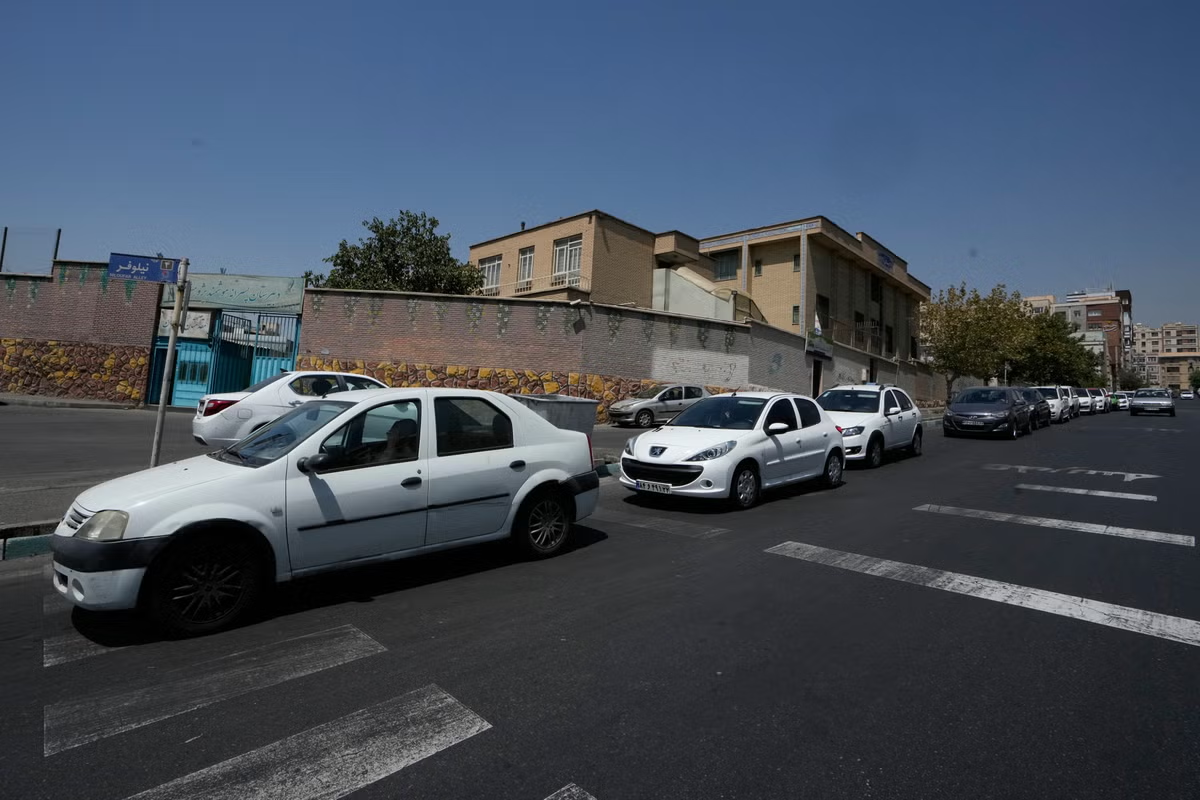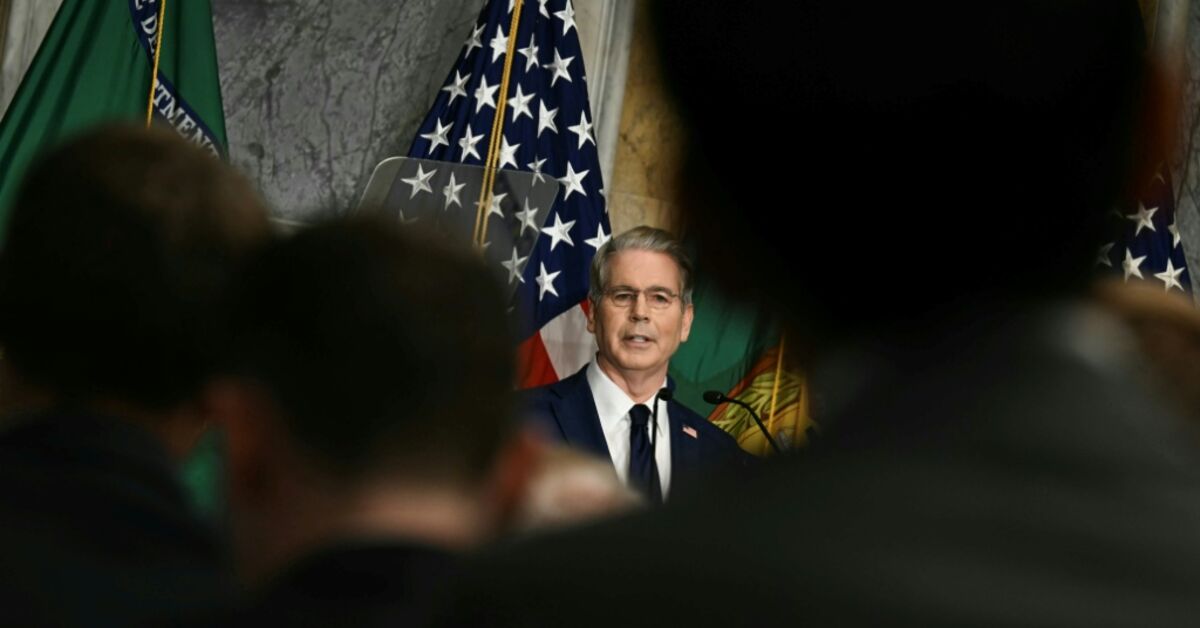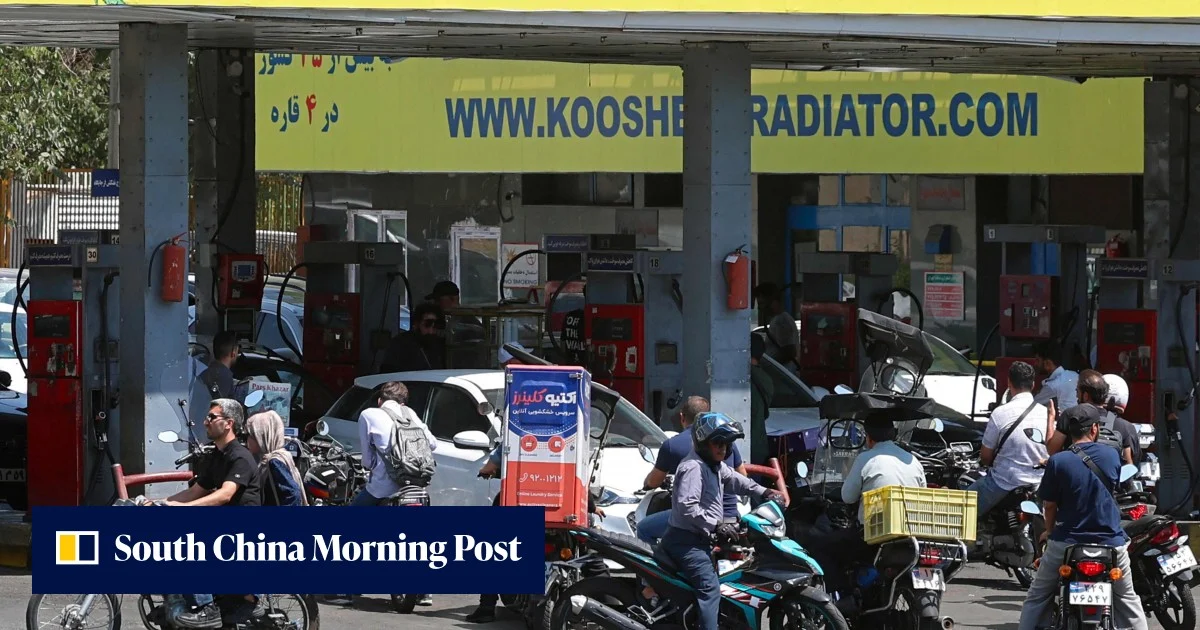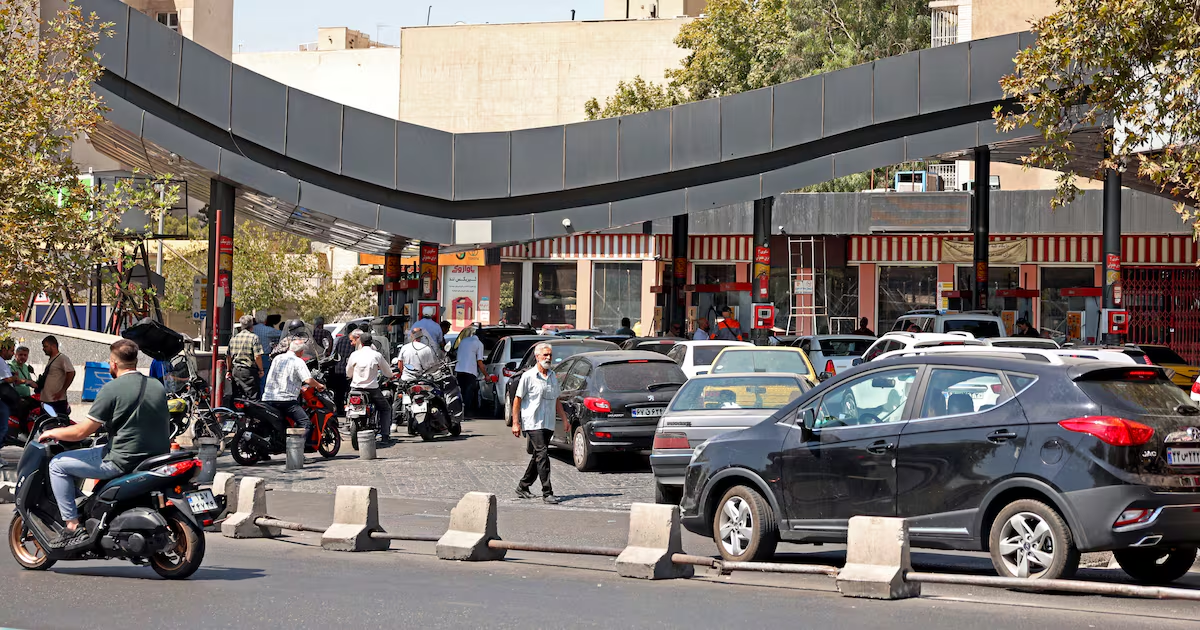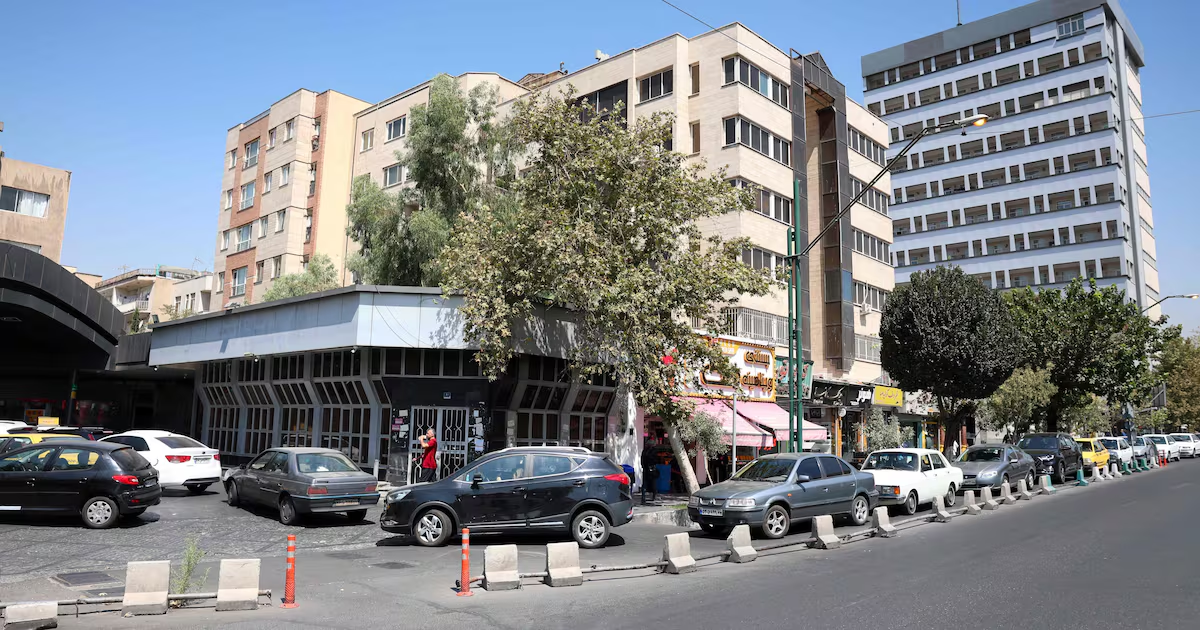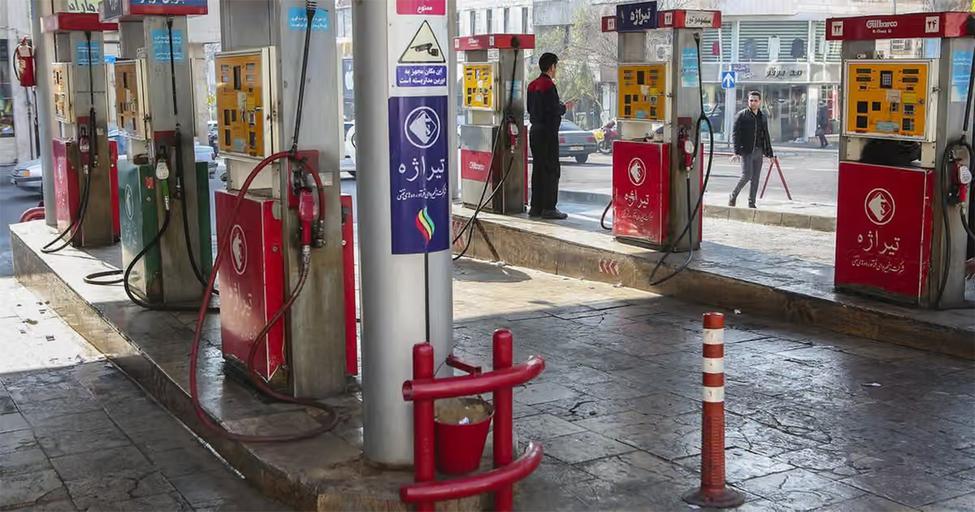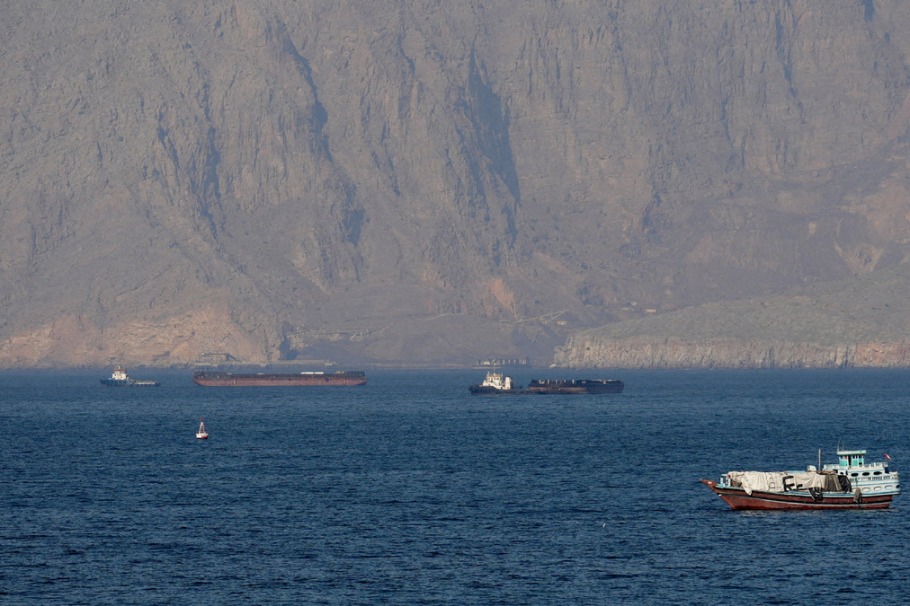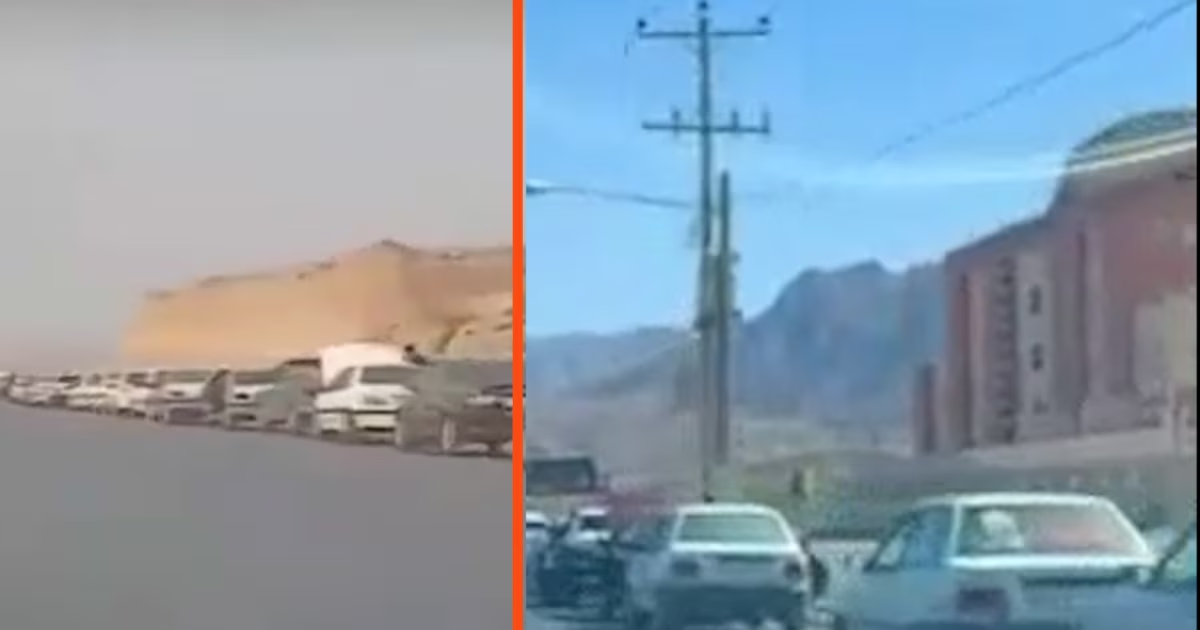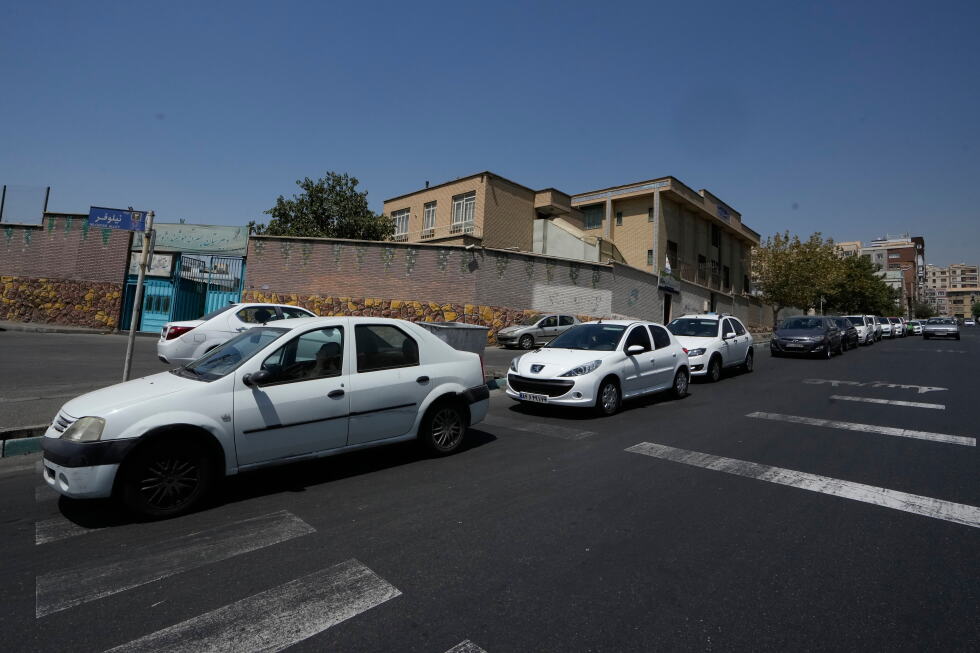
DUBAI, United Arab Emirates (AP) — Lines have grown outside gas stations across Tehran in recent weeks as the United States has tightened its blockade and threatened more severe sanctions, with some people waiting for two hours or more to fill up.The uncertainty deepened on Tuesday, after U.S. Treasury Secretary Scott Bessent vowed to fully sever the country from the global economy. In recent days, Iranian officials have spoken of a possible reduction in heavy gas subsidies as they seek to endure the tightening blockade.“Maybe we will face a shortage of fuel,” said Hashem Abadi, a 34-year-old barber. “I rush to the filling stations whenever my tank is down to half or so.”The latest U.S. measures are aimed at wringing concessions from the Islamic Republic nearly six months into the war launched by President Donald Trump and Israel. The war has already battered Iran’s economy and inflicted mounting pain on ordinary people. But there’s no sign yet that it has brought Iran’s leaders to their knees, or that it will reignite the anti-government protests that convulsed the country in January.
Shelves are full but pockets are emptyThe lines had been growing longer well before Bessent’s announcement, amid shortages caused by the American blockade and existing sanctions. And with double-digit inflation and the rial currency at a record low, Iranians are struggling to afford more than just fuel.“I’m filling my car as much as possible since soon it will be sold at higher prices,” said 51-year-old taxi driver Mahmoud Chavoshi. “Everything I buy has grown more expensive over the last week, from milk to pasta.”