The US Treasury is gearing up to sell $69 billion in 2-year notes on August 25, with the pre-auction yield sitting at roughly 4.208%. The auction was formally announced on August 20, with settlement scheduled for August 31. The $69 billion offering size has become the standard playbook for 2-year note auctions throughout 2026.
Why auction demand matters more than the number on the check
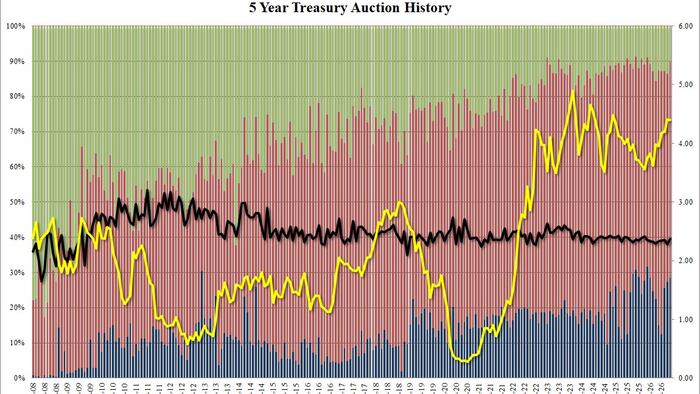
The ratio of total bids to the amount actually sold, called the bid-to-cover ratio, is essentially a popularity contest for US debt. A high ratio means investors are lining up. A low one means the government might need to sweeten the deal with higher yields, which translates directly into higher borrowing costs for everything from mortgages to corporate loans.
The recent track record for 2-year auctions has been uneven. Back in March 2026, a $69 billion auction of the same maturity drew the weakest demand since May 2024, with a bid-to-cover ratio of just 2.44. The high yield cleared at 3.936%. The May 2026 auction saw demand bounce back with a bid-to-cover of 2.64 and a clearing yield of 4.071%.
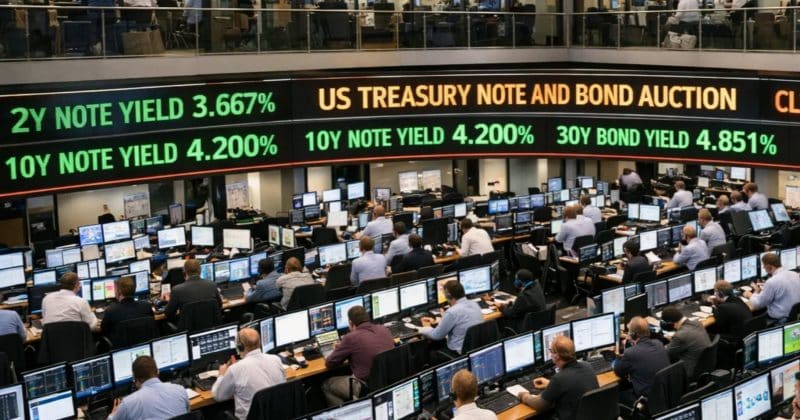
The current pre-auction yield of 4.208% sits above both of those prior clearing levels. Market yields for 2-year Treasuries are trading around 4.21%, meaning the auction is expected to price very close to where the secondary market already trades.