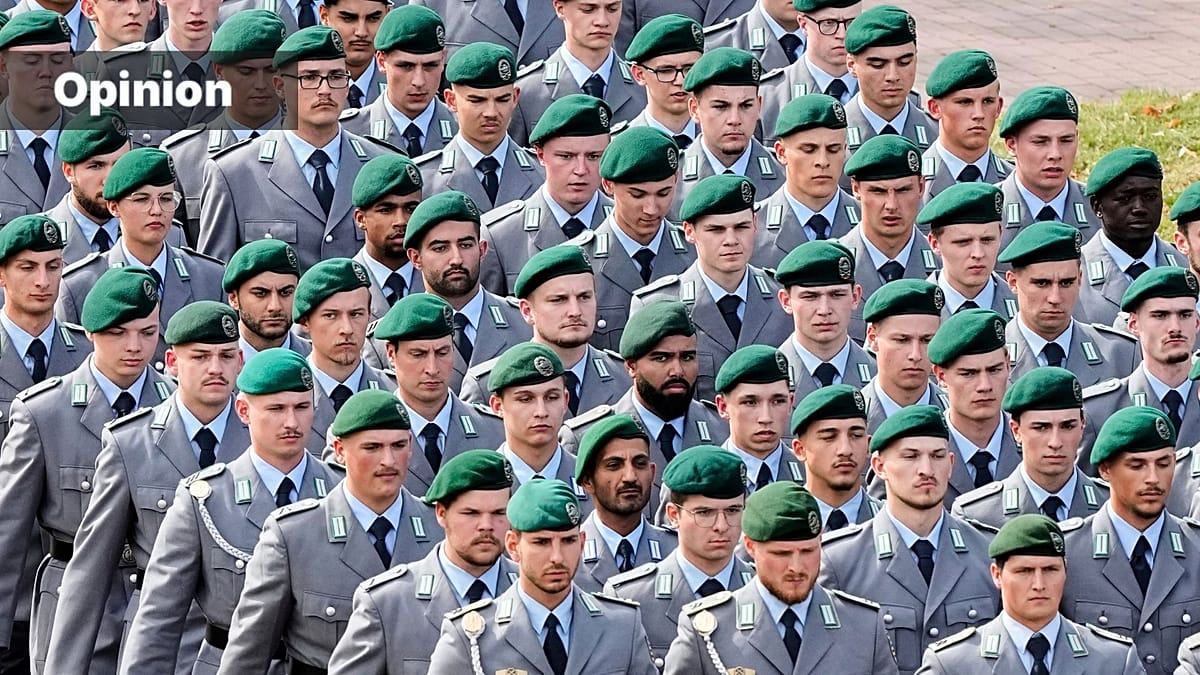
While European capitals are counting their ammunition stocks and military analysts are modelling potential front lines, NATO is reshaping its deterrence strategy. But is the Alliance prepared for a direct confrontation with Russia? Can Brussels’ bureaucratic machinery act proactively rather than merely react to crises?
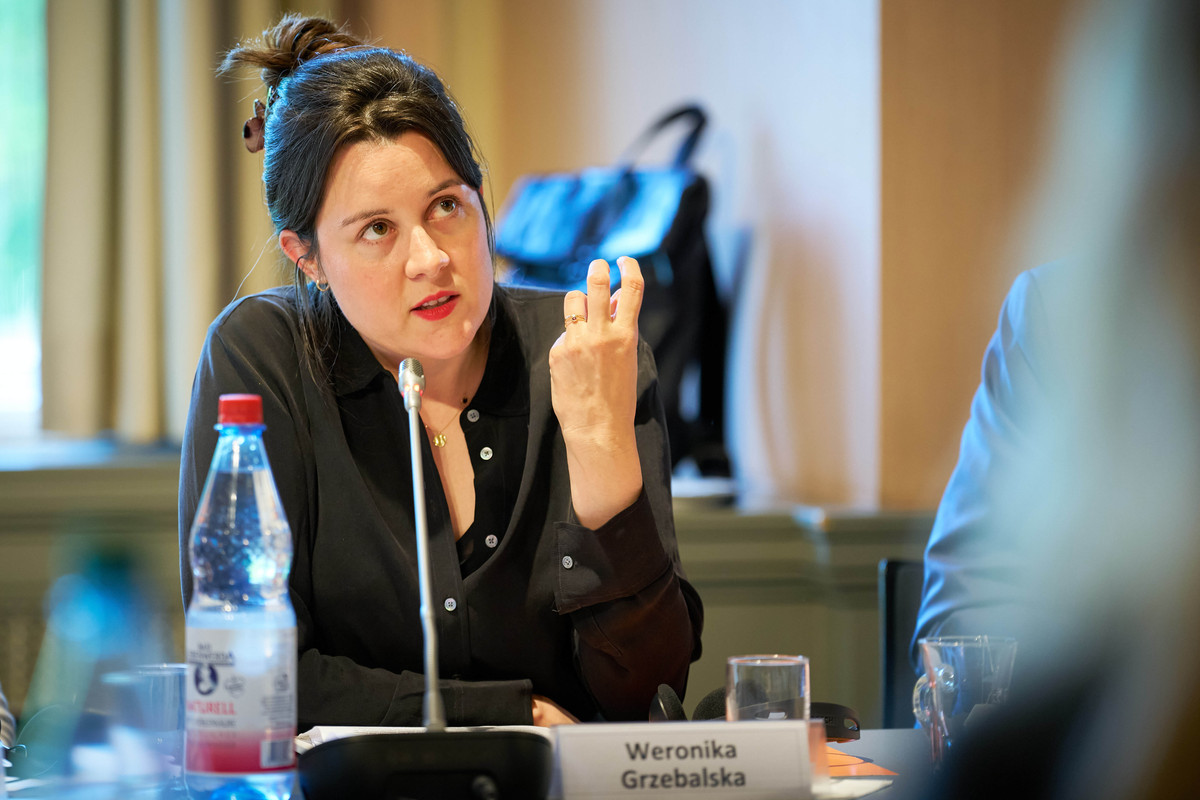
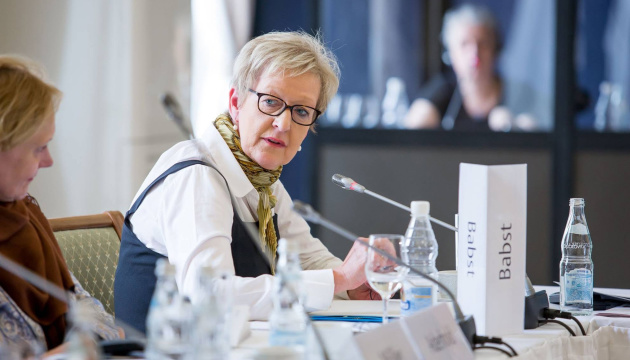
Ukrinform discussed these issues with one of Germany’s most influential security experts, Stefanie Babst. She held senior positions within NATO structures for more than 20 years. From 2012 to 2020, Babst headed NATO’s Strategic Foresight Team, whose civilian-military team advised the Alliance’s Secretary General and the Chair of the Military Committee on strategic risks and potential crises. From 2006 to 2012, she served as Deputy Assistant Secretary General for Public Diplomacy.
In this interview, she assesses NATO’s new plan for repelling potential Russian aggression, analyzes weaknesses in the Alliance’s defense planning, and explains why half-measures no longer work.
NATO DOES EVERYTHING TO AVOID A DIRECT MILITARY CONFRONTATION WITH RUSSIA
- According to Bild NATO has developed a contingency plan (NATO Land Warfighting Concept) in case of a Russian attack. The Alliance’s primary objectives in such a scenario are defined as halting the Russian offensive and significantly weakening it’s military capabilities. What do you think of such a plan in general?