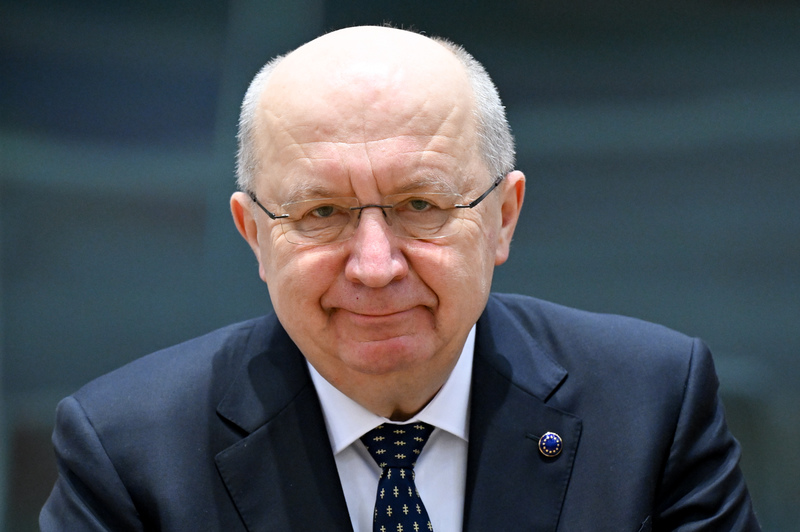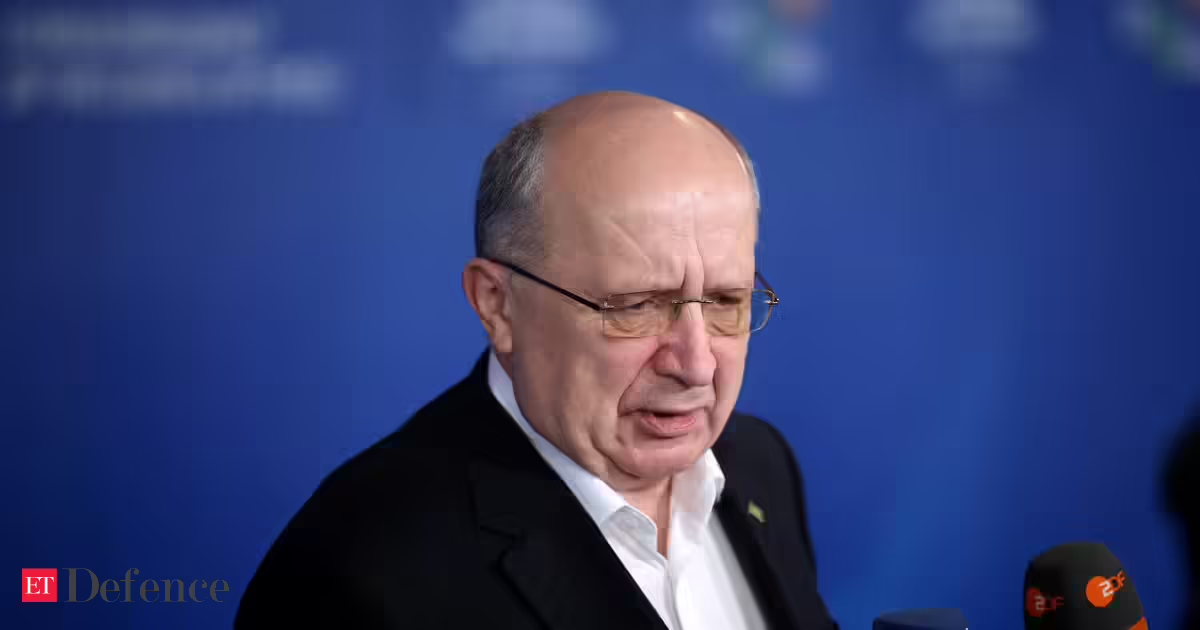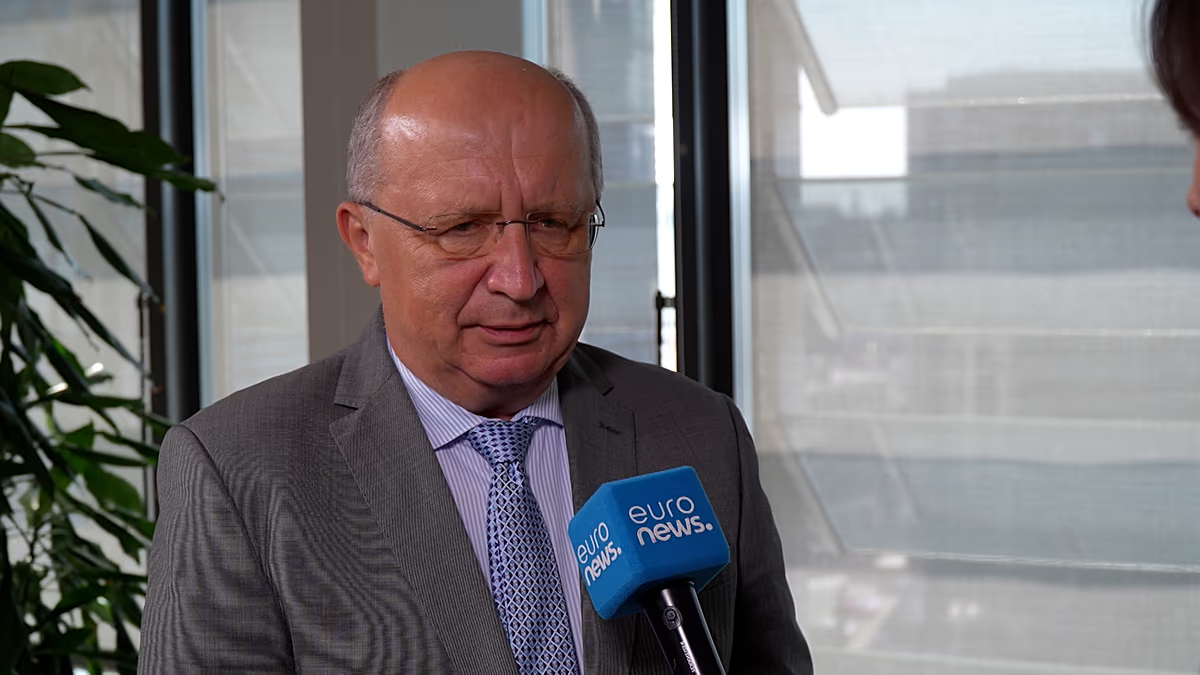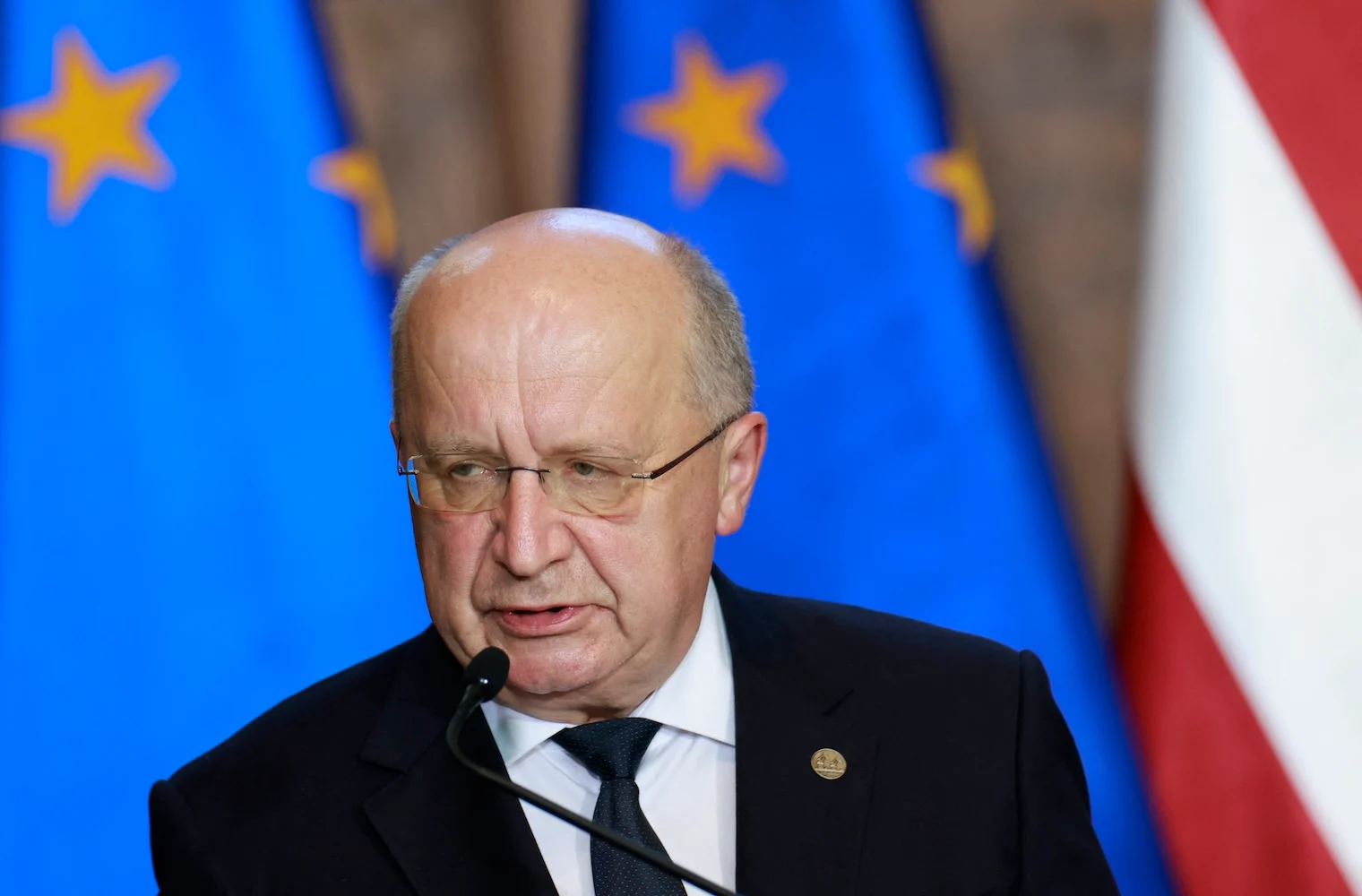
Andrius Kubilius, the European Union’s commissioner for defense and space, is facing a challenge not seen in 100 years or more, he says.
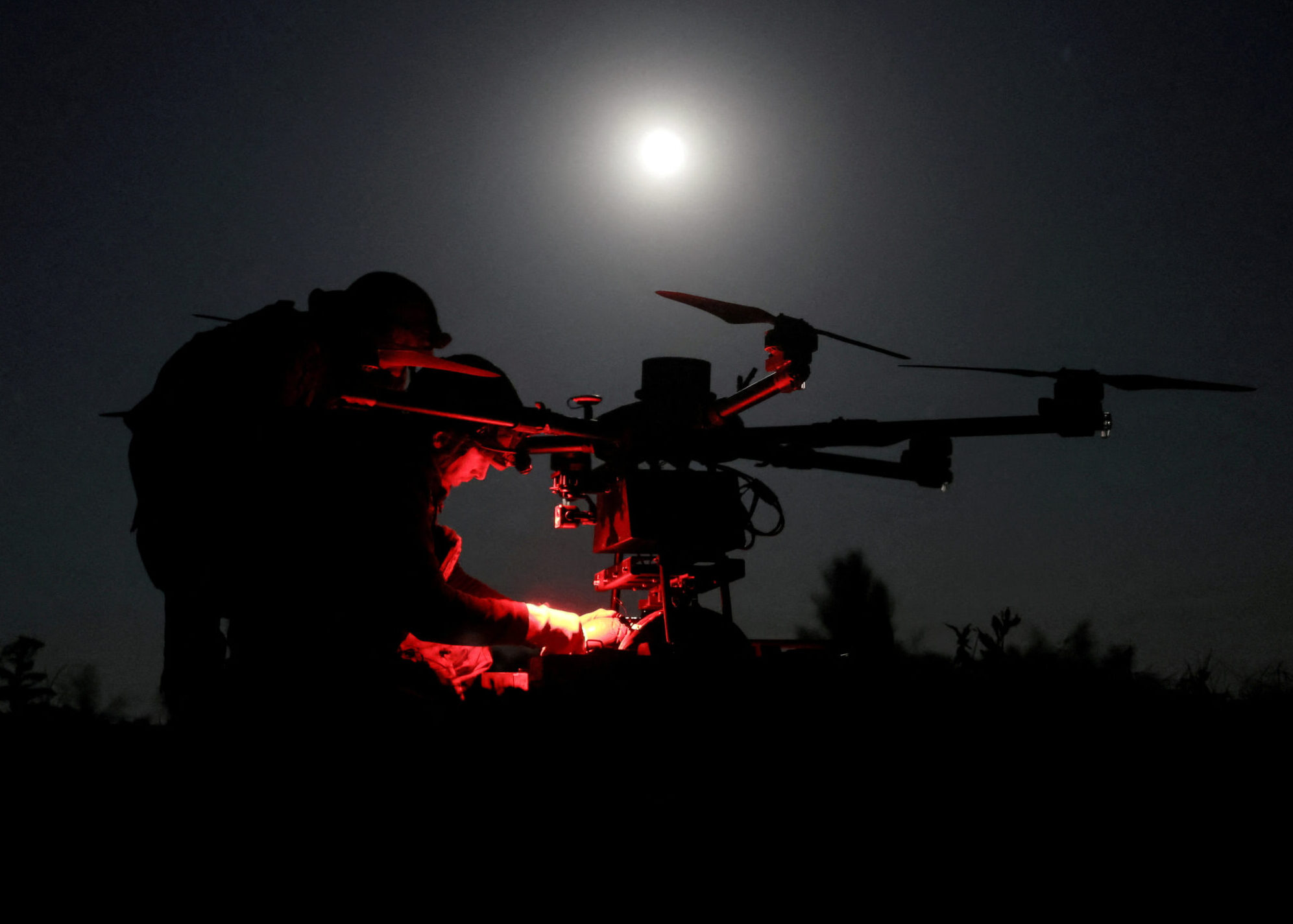
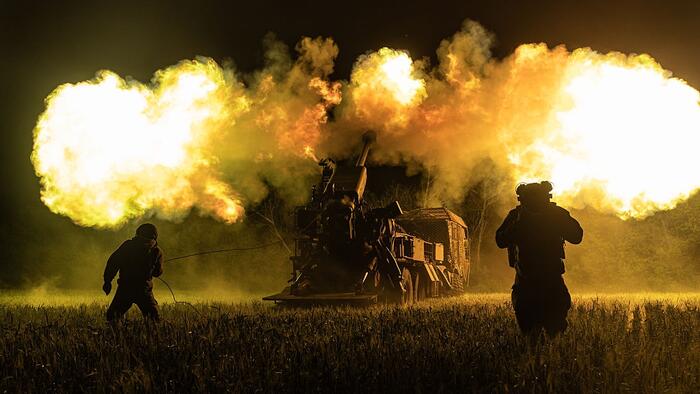
On the geopolitical stage, the EU must regain its balance atop shifting tectonic plates: Russia is again a threat, powers like China are rising, and the United States is reducing its commitment to the defense of Europe under a new program dubbed “NATO 3.0.” On the battlefield, the rise of drones and autonomous warfare is calling into question the viability of the traditional weapons and tactics in use for decades.
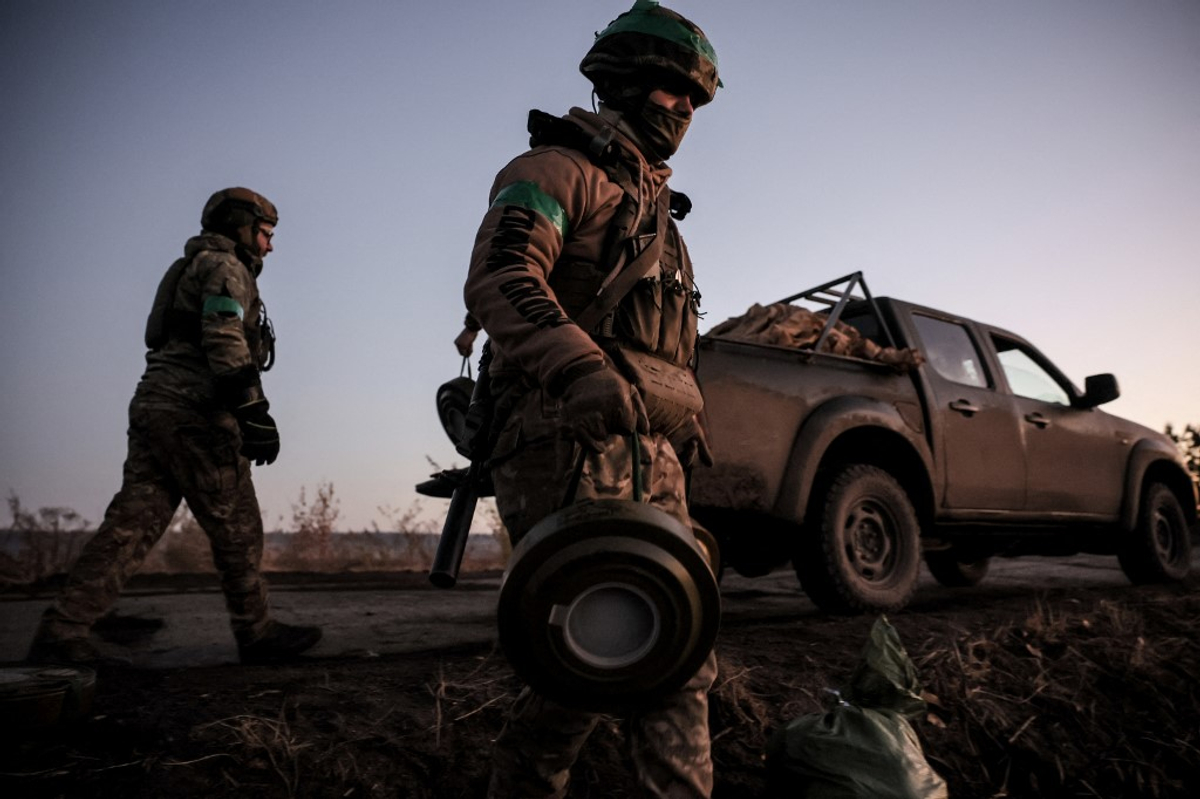
In response, the EU is wielding its vast financial power to solve the problem: $68 billion to help Ukraine’s defense industries, $170 billion in defense loans offered to EU members, plus billions more for other initiatives. It’s also tying its fate closer to Ukraine through joint-production agreements, seeing the country’s now powerful military as a new asset for Europe.
But allocating money is only half the battle—next comes the political fight over what weapons to buy, whom to buy them from, and how to use them. Each choice comes with a complex political calculus, from facing U.S. pressure to buy American weapons to navigating a defense industrial complex that favors buying tanks, not drones.