Russia is waging a war of aggression against Ukraine and a hybrid war against Europe as a whole. At the same time, the US is retreating from its role as Europe's military security guarantor.
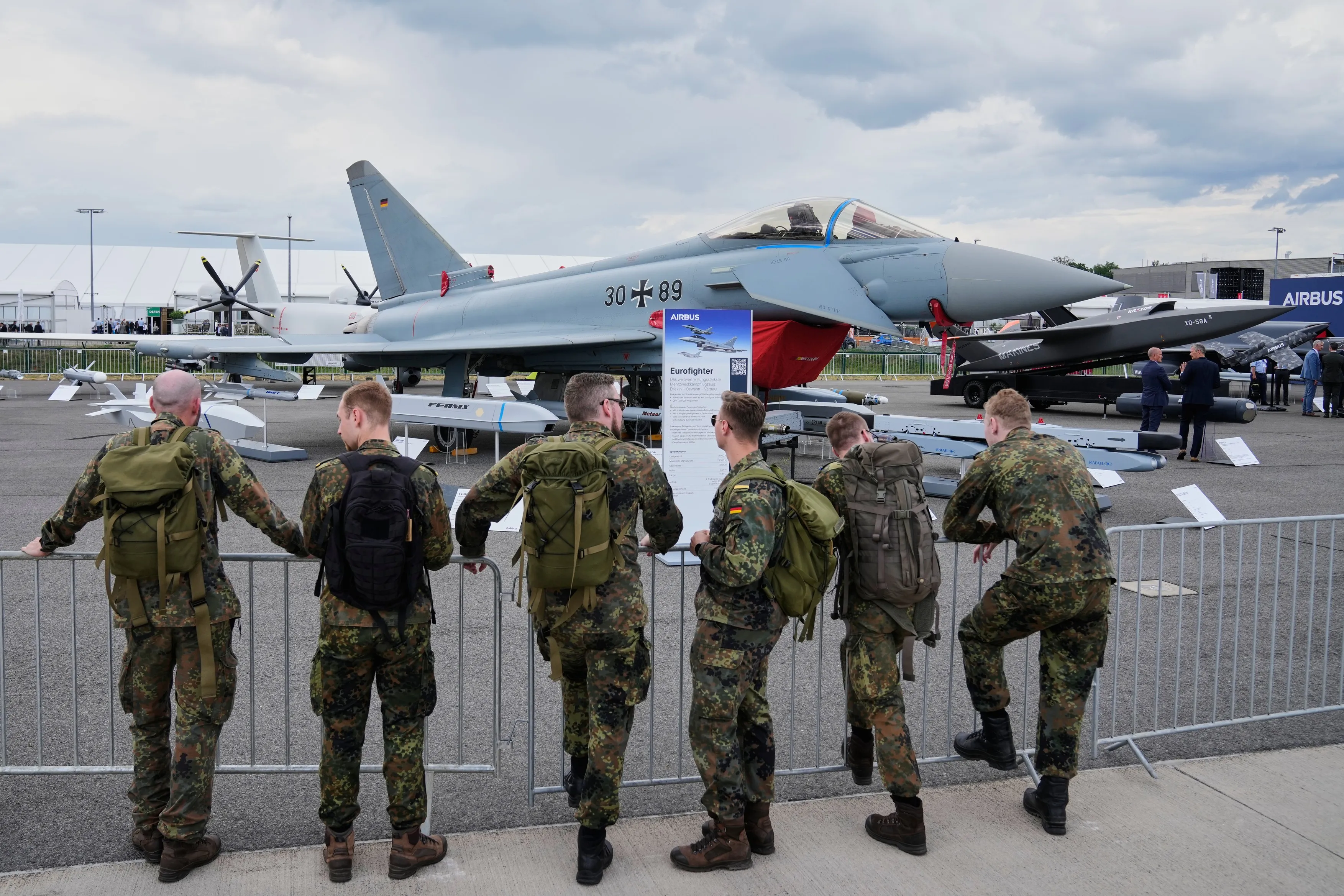
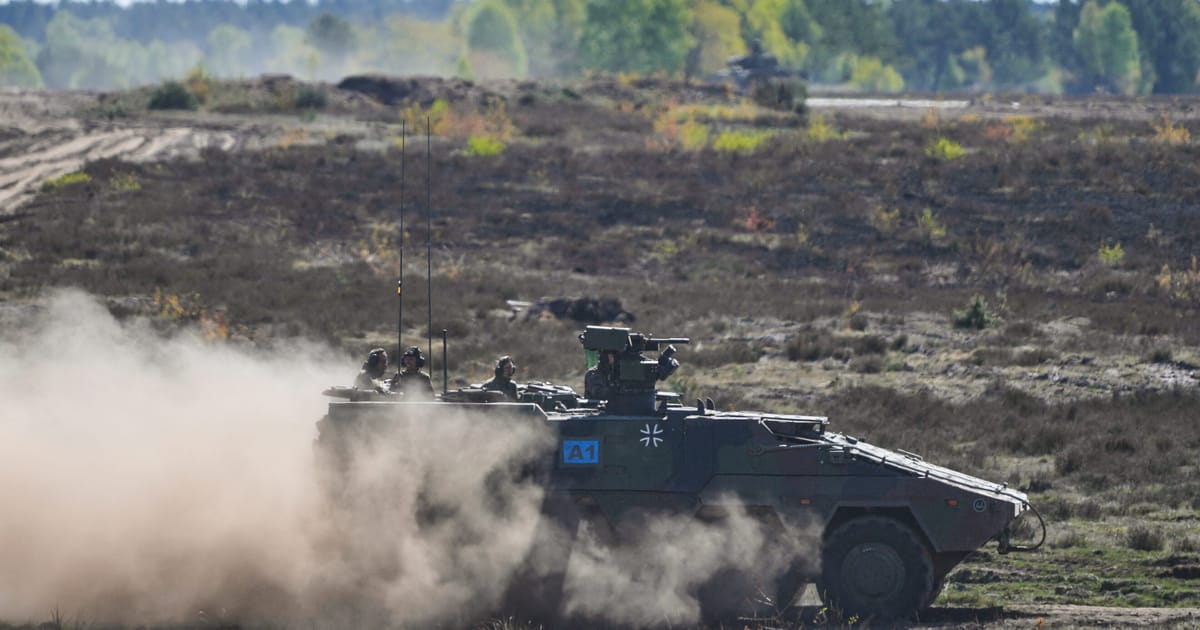
Against this backdrop, Germany is assuming greater responsibility for the defence of Europe. In fact, Germany is investing heavily in strengthening its own defence capabilities and has become Ukraine's largest military supporter in Europe. Yet doubts persist about the willingness of Germans to defend their country.
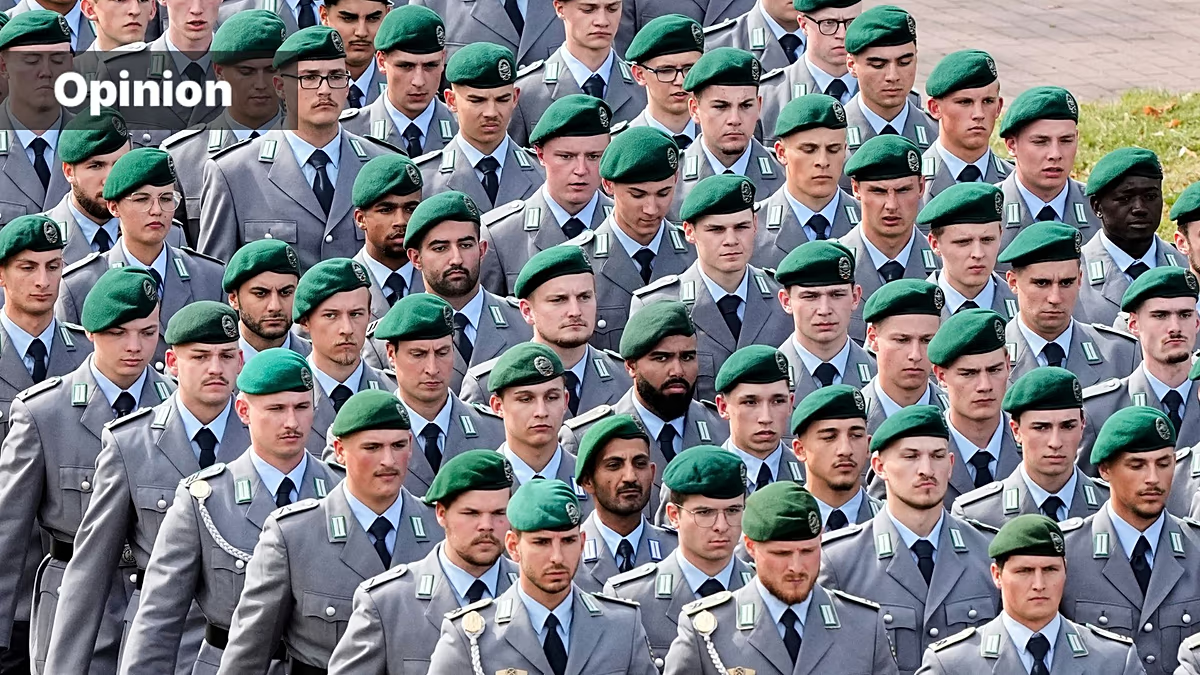
Opinion polls show that a majority of the population would not be prepared to pick up a weapon in the event of a military attack on Germany. Findings of this kind regularly generate headlines in both German and international media. Such reports unsettle Germany’s allies, potentially encourage aggressors, and undermine public confidence in the country's own resilience.
A more nuanced assessment of the empirical evidence points to very different conclusions about the defensive resolve of the German population.
It is true that, on average, personal willingness to defend one's country is stronger in the Nordic and Baltic states than in Germany (and many other European countries). The high approval ratings recorded in those countries are often cited as evidence of Germany's comparatively low willingness to fight.