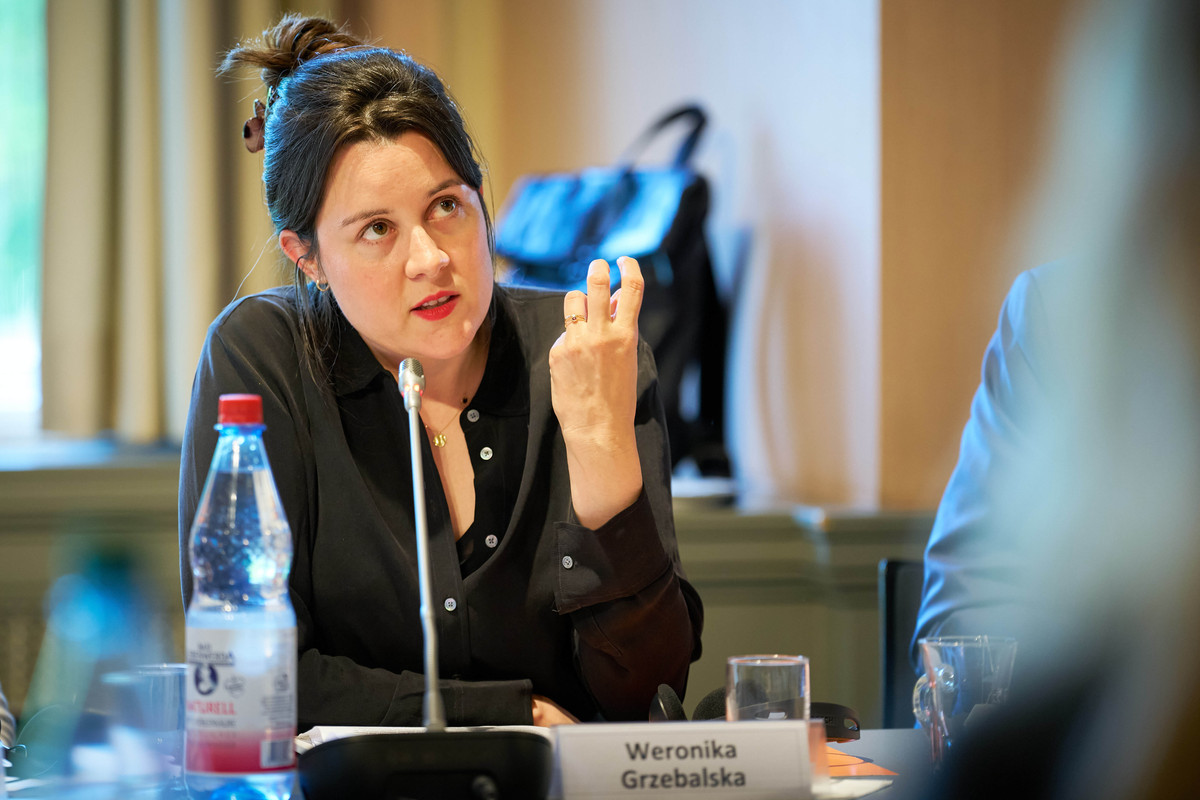
As NATO’s eastern flank prepares for a potential conflict, defense can no longer be reduced to weapons, soldiers and shelters. States are increasingly turning toward a model of comprehensive defense, in which civilian institutions, local governments and ordinary citizens all play a role in national resilience. Kyiv Post spoke with Dr. Weronika Grzebalska, a sociologist at the Institute of Political Studies of the Polish Academy of Sciences and editor of the Batory Foundation report on women in Poland’s comprehensive defense, about resilience, preparedness and the changing role of society in times of crisis. Michał Kujawski: On NATO’s eastern flank, defense is the number one issue, particularly when it comes to weapons and, more recently, shelters. But it seems that this is not the whole picture.JOIN US ON TELEGRAMFollow our coverage of the war on the @Kyivpost_official. Weronika Grzebalska: No, it is not. But from the first years of the war, starting in 2014, Poland really did focus on modernizing the military arm of its defense. Defense spending was increased, the Territorial Defense Forces (WOT) were established, and weapons have been modernized. Societies have a sense that they pay taxes and see military equipment being purchased, and as a result they believe there is some professional army that will defend them. Do we forget that it is the entire country that has to be defended, and that war is not simply a brief interruption of normal life?
Europe’s Gray Zone of Non-Peace: Why Comprehensive Defense Requires Society, Not Just the Military
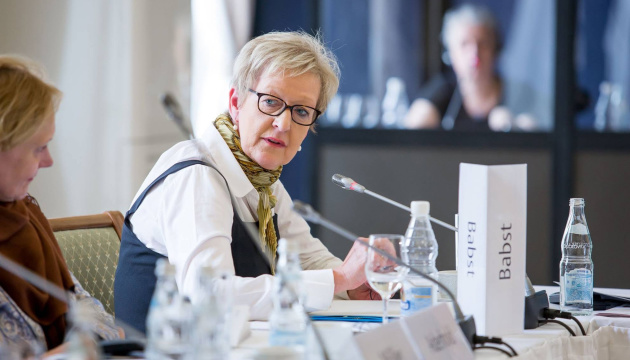
Dr. Weronika Grzebalska discusses Europe’s Eastern Flank approach to comprehensive defense,
1,680 words~8 min read