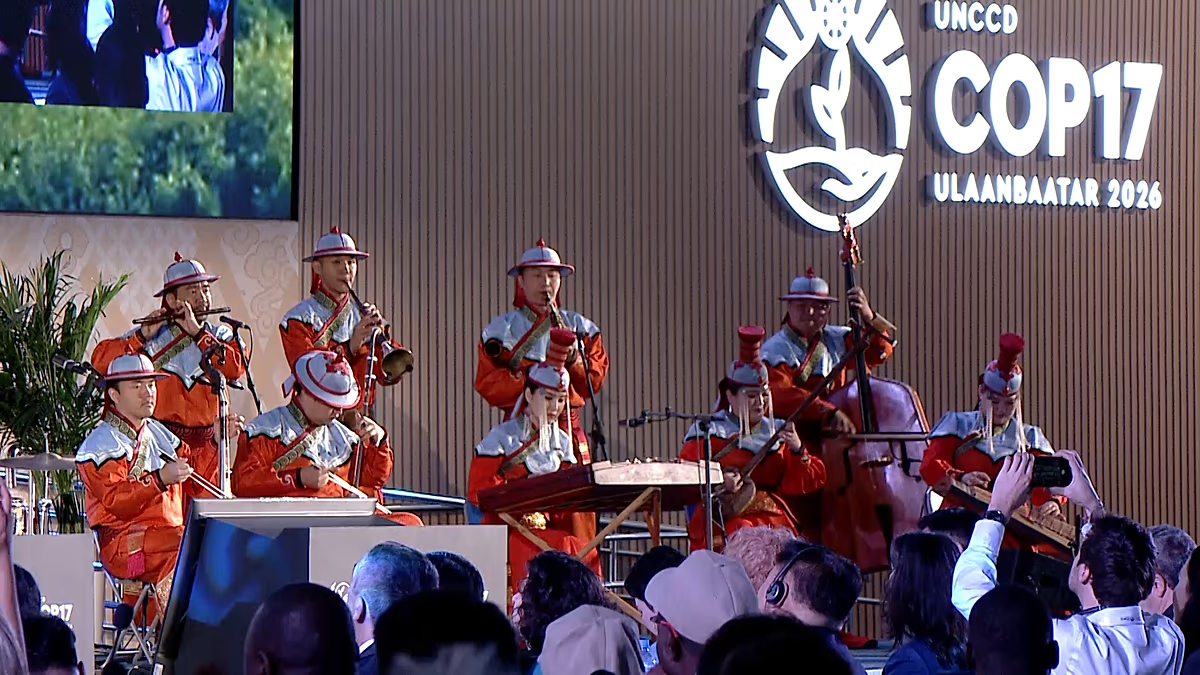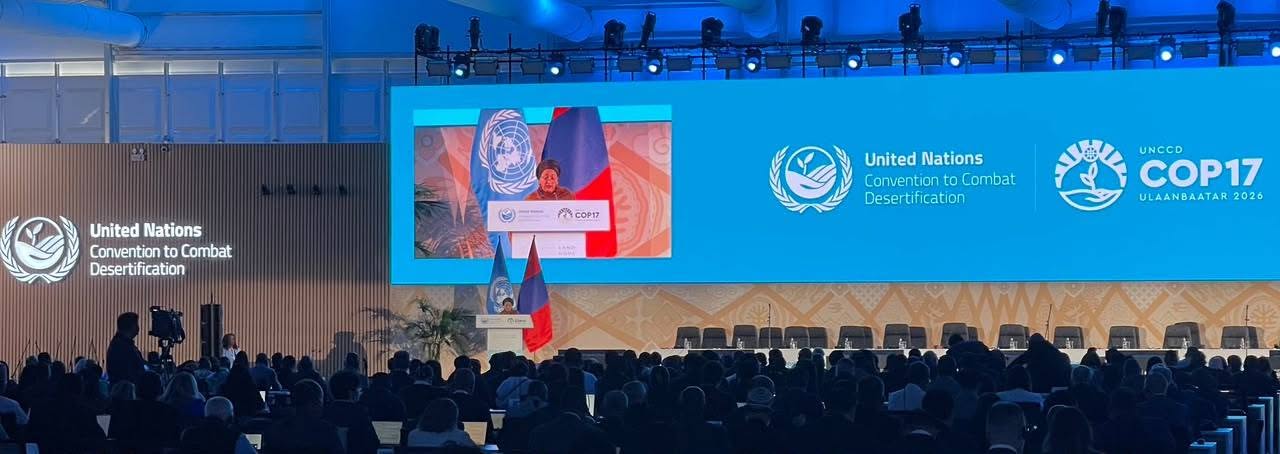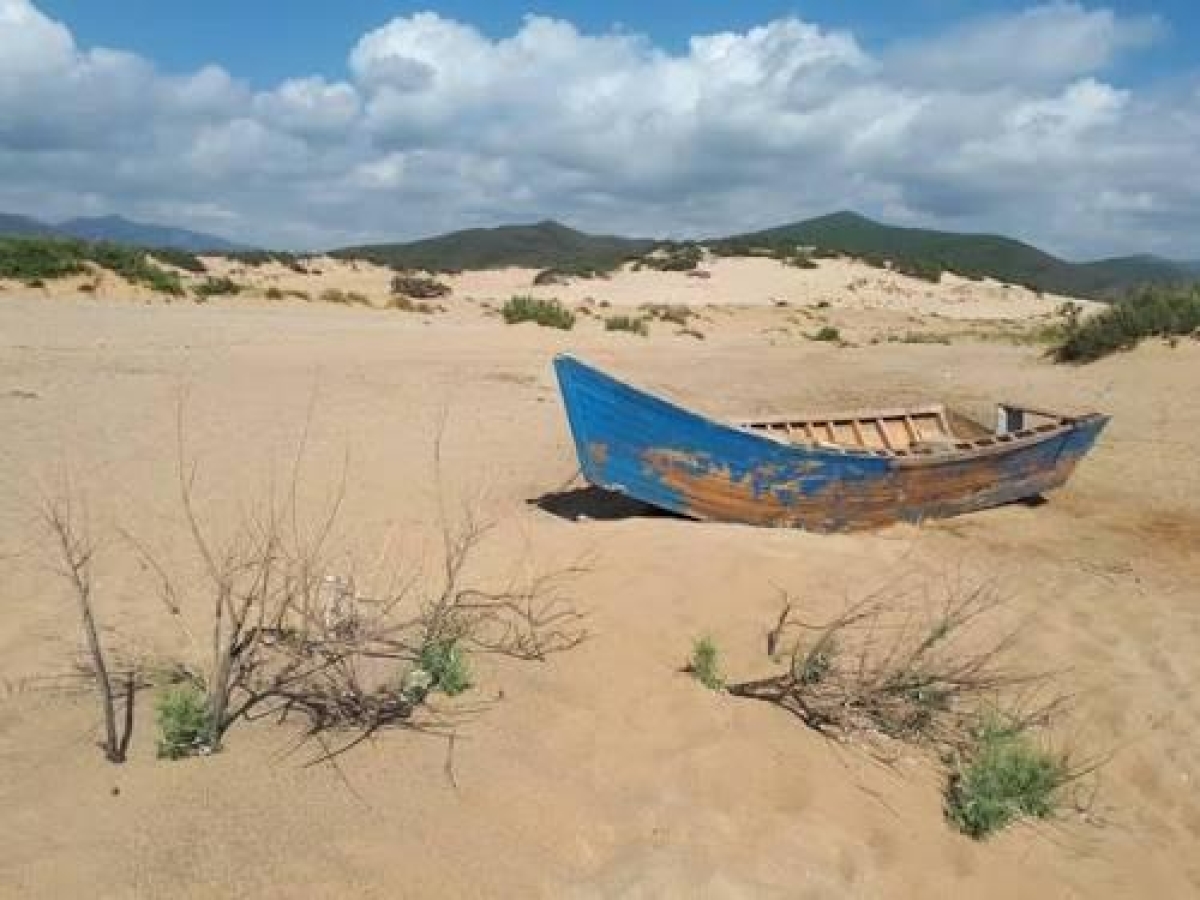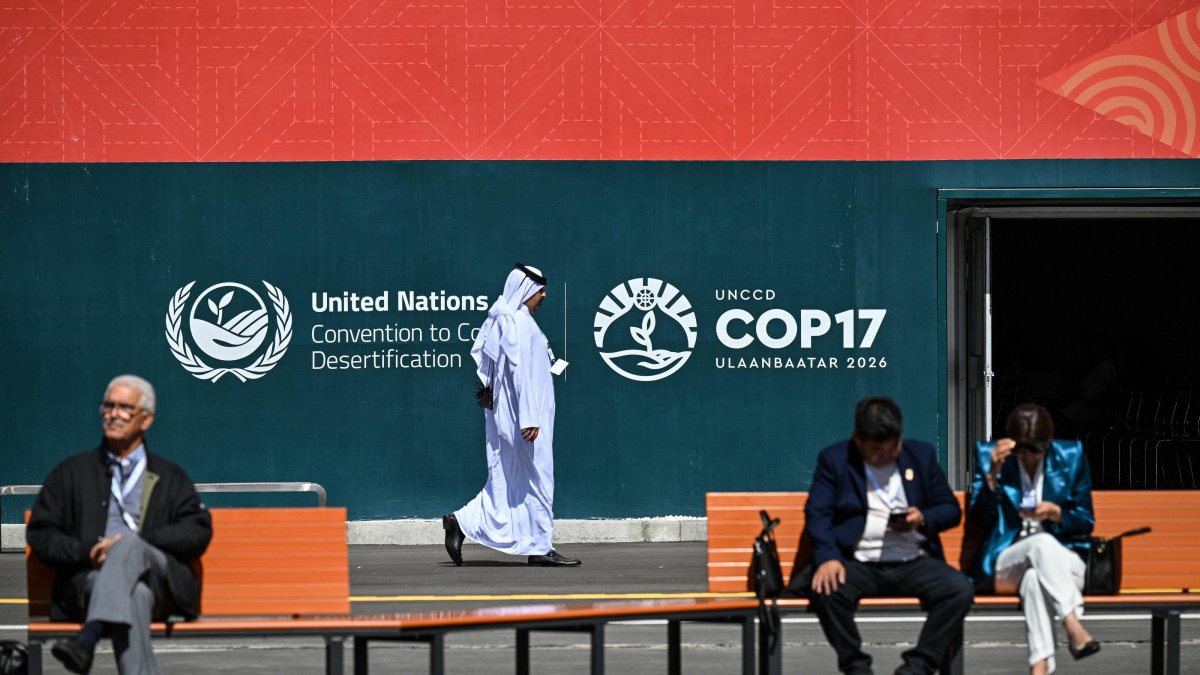
The soil that grows the world's food and holds its water is becoming less productive, yet governments are struggling to agree on how to respond to this crisis. As political talks at Cop17, the United Nations conference on desertification and land degradation, stepped up in Mongolia on Tuesday, France's environment ambassador Barbara Pompili warned that disputes involving the United States are threatening progress.
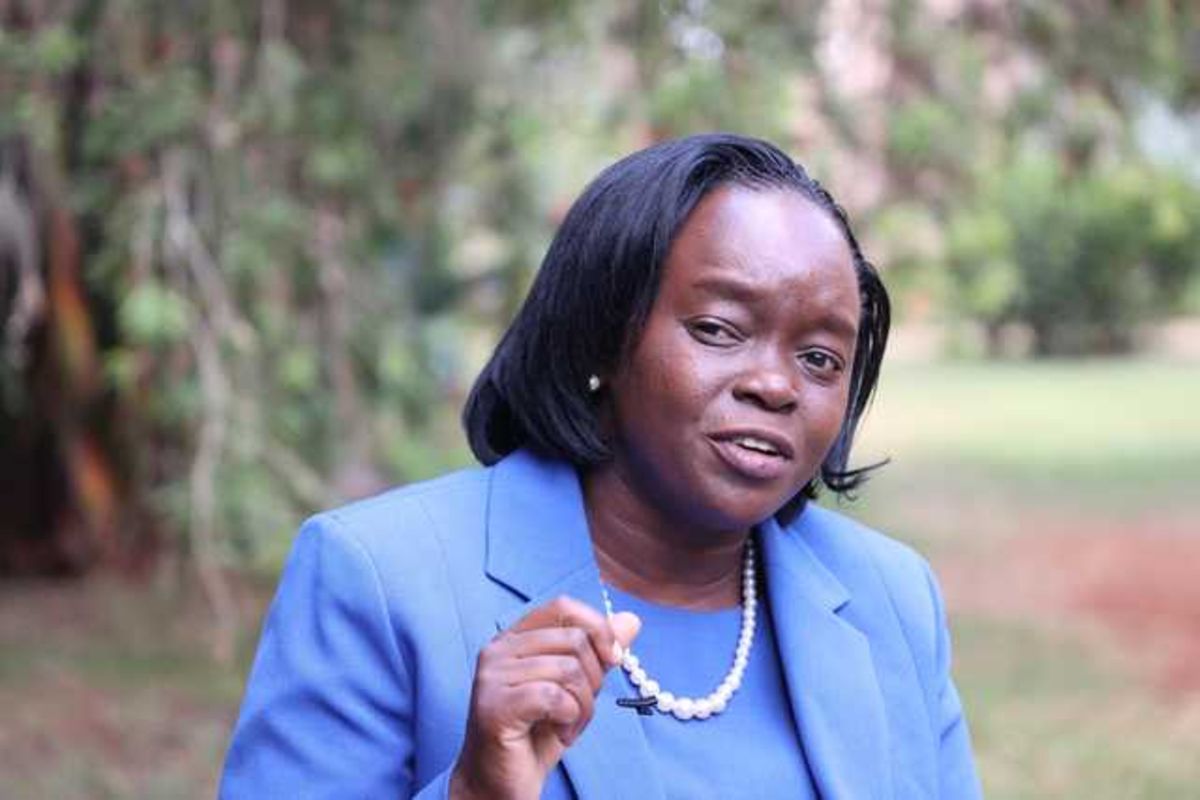
The summit in Mongolia's capital Ulaanbaatar has entered its second and decisive week, traditionally when ministers and other senior political figures step in to try to resolve issues negotiators have so far been unable to settle. One of the main sticking points is whether countries should tackle land degradation alongside climate change, biodiversity loss and water scarcity, rather than treating each problem separately. How degradation and drought are threatening the land that feeds us A former French ecological transition minister, Pompili says protecting soil cannot be separated from food, water, energy and the economy. She spoke to RFI from Ulaanbaatar about the risk of deadlock, what France wants from the talks, and how the United States is "blocking progress on many issues". RFI: We’ve been closely following what's been happening at Cop17 over the past week. What do you hope the conference will achieve? BP: We want this Cop to deliver a number of useful decisions for the future and, in doing so, show that multilateralism can provide concrete solutions for countries facing desertification. Desertification is caused largely by intensive agriculture and livestock farming, as well as urban expansion and mining. These are issues that affect every country in the world, including traditionally temperate countries such as France. Unfortunately, we have seen the damage that climate change and biodiversity loss can do to soils, and the extremely serious consequences land degradation can have, including in our own countries. Degraded soil becomes less fertile. It retains less water, produces less food and stores less carbon, so it can affect huge numbers of people.