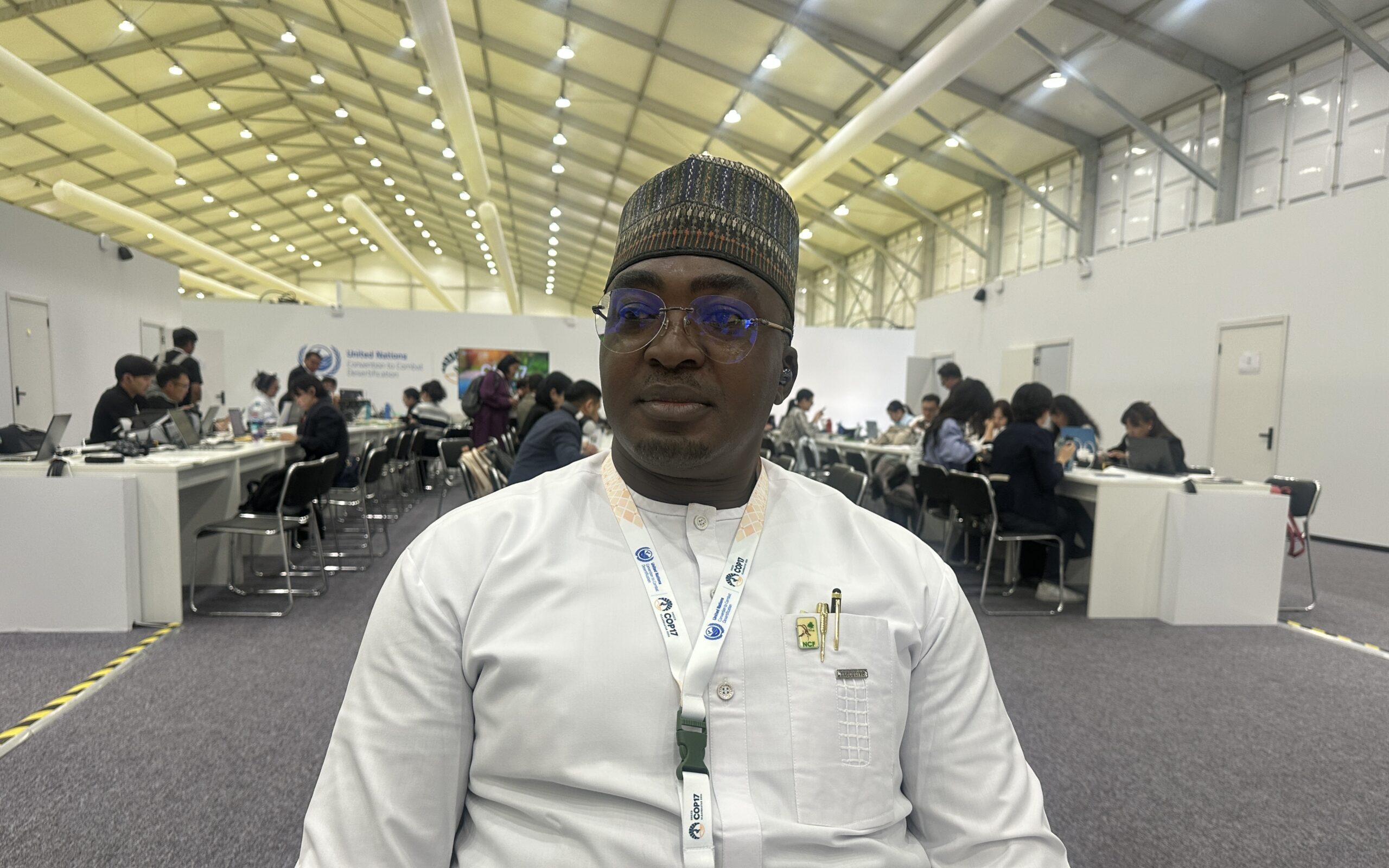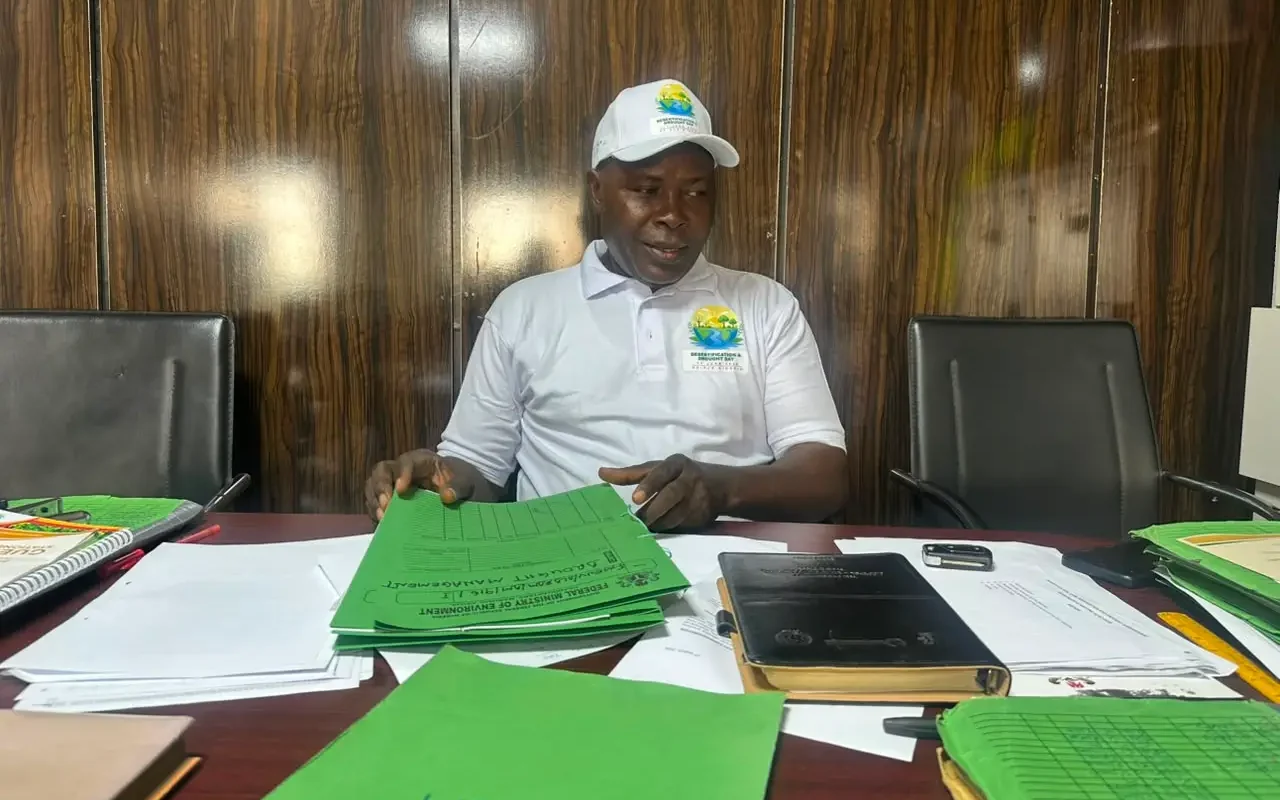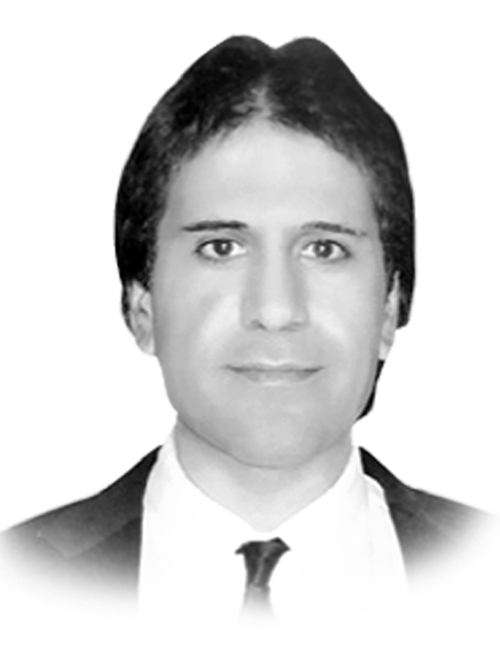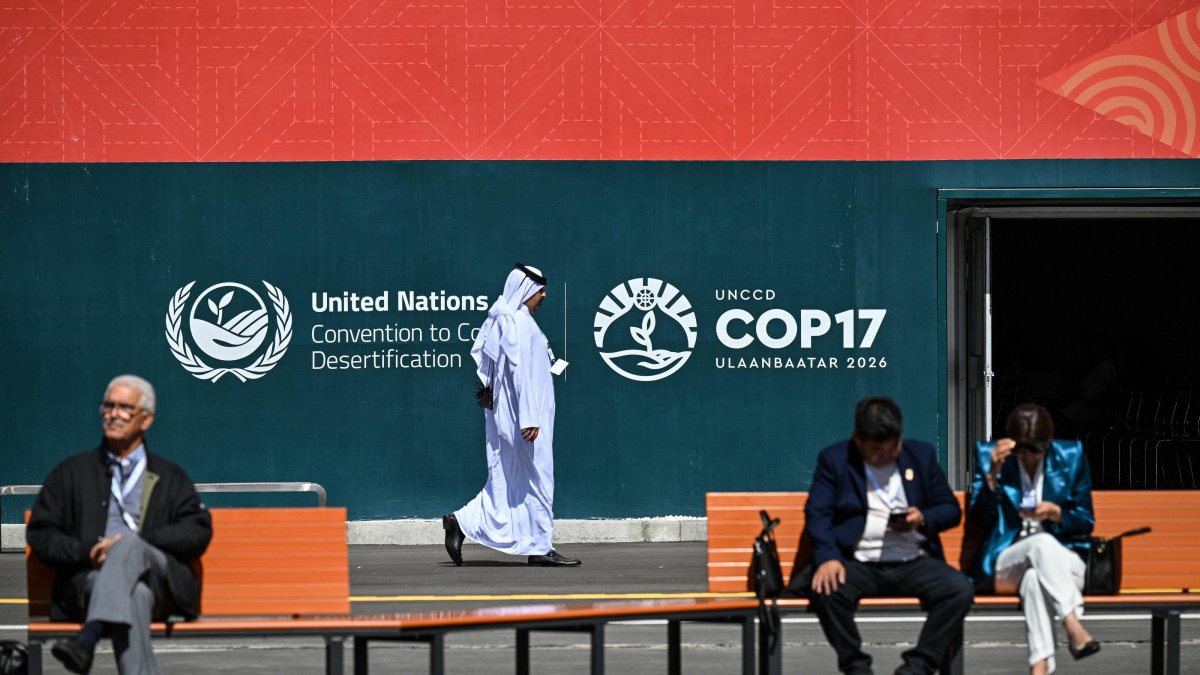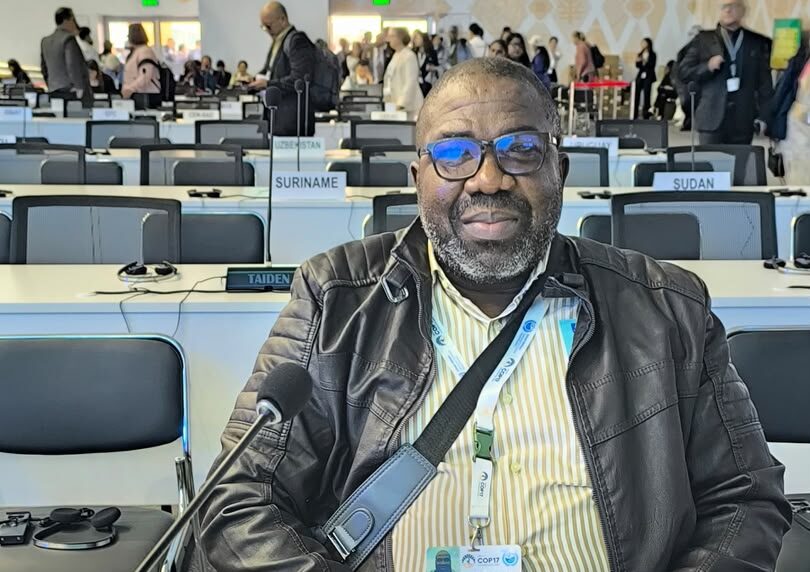
In this interview with PREMIUM TIMES on the sidelines of COP17 in Ulaanbaatar, Mongolia, Oluseyi Ifatimehin, a Professor of Geography (Environmental Resource Planning) at Kogi State University, Nigeria, and Science and Technology Correspondent to the United Nations Convention to Combat Desertification (UNCCD), outlines the scientific and institutional gaps confronting Nigeria and other African countries and proposes stronger land and drought observatories, artificial intelligence, satellite technology, indigenous knowledge and improved science-policy mechanisms to tackle the challenges.
Excerpt:
PT: What are the biggest scientific gaps preventing Nigeria and other African countries from effectively addressing land degradation and drought?
Ifatimehin: From my perspective, Africa does not primarily suffer from a lack of scientific knowledge. The bigger problems are gaps in data continuity, local-scale evidence, technology deployment and the capacity to translate evidence into decisions. For Nigeria, one major gap is the lack of sufficiently dense, continuous and interoperable datasets on soil health, land degradation, groundwater, vegetation, drought indicators and land-use change. Satellite data are increasingly available, but they need to be combined with reliable ground observations to produce information that is useful at the farm, watershed and community scales.